







Table of Contents
Quick Summary
- Keeping a wool rug in excellent condition is easier with regular maintenance and moisture control.
- Explains why high-quality wool naturally resists wear, dirt and light moisture.
- Covers the ideal vacuuming routine for reducing dust and trapped humidity.
- Discusses rug rotation and careful sunning to promote even wear and better airflow.
- Shares practical methods for cleaning spills and treating common stains safely.
- Provides useful tips to prevent mould growth and protect rugs from moth damage.
- Highlights simple habits that improve the lifespan, appearance and freshness of wool rugs in humid homes.
A consistent vacuum routine helps keep wool rugs clean, fresh, and free from trapped moisture buildup. Regular rotation and careful sunning can help balance wear and reduce dampness across the fibers. Prompt spill treatment and gentle stain care protect wool from deep-set moisture and odor issues.
Wool rugs are essential in many homes, especially in humid climates where they add comfort and warmth underfoot. However, they can face challenges like trapped humidity, mold growth, and fiber weakening when moisture lingers too long.
With the right habits, you can reduce these risks and maintain both appearance and texture. Simple care practices often make a noticeable difference in the long-term performance of rugs and indoor freshness.
How Does High-Quality Wool Resist Wear and Moisture?
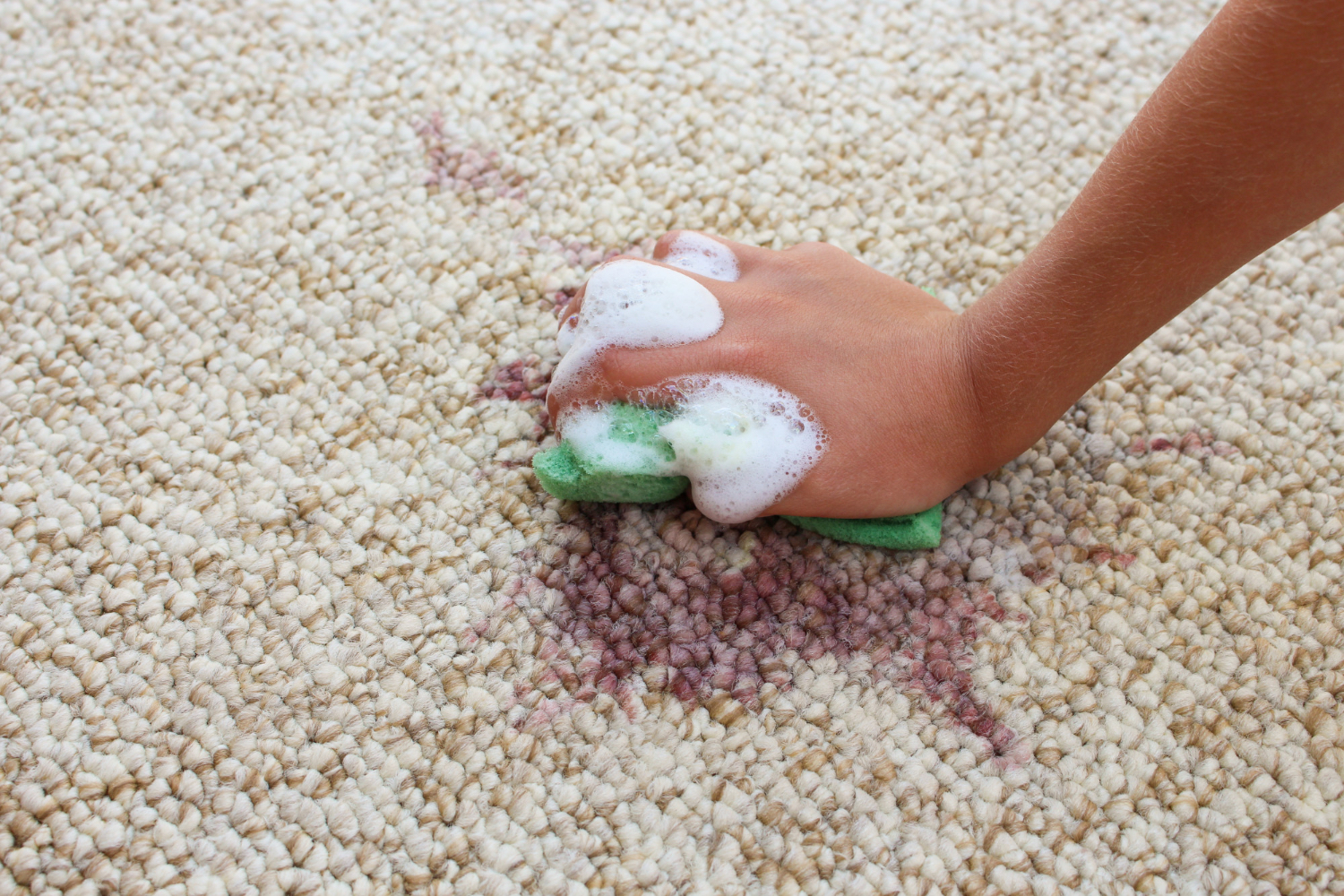
High-quality wool fibers carry natural lanolin that helps repel light moisture and dirt effectively. Dense construction allows wool rugs to hold their shape even under steady foot traffic. The fibers can bend without breaking, which supports long-term durability in busy interiors.
Many traditional Persian rugs also use tightly woven wool that improves resilience against daily wear. Such construction traps less dust deep inside, which helps reduce moisture retention in humid environments. The balance of strength and breathability makes wool a reliable flooring choice.
Tips for Caring for Wool Rugs in Humid Homes
Living in a humid region can create ongoing challenges for indoor textiles and flooring materials. Moist air can settle into fibers and affect freshness, especially in closed or low-airflow rooms.
A wool rug helps regulate indoor comfort by absorbing and releasing small amounts of moisture naturally. The moisture buffering can support a more stable indoor feel when humidity rises. Simple routines help maintain texture, reduce odor buildup, and support long-term performance.
Perfect Your Vacuum Routine
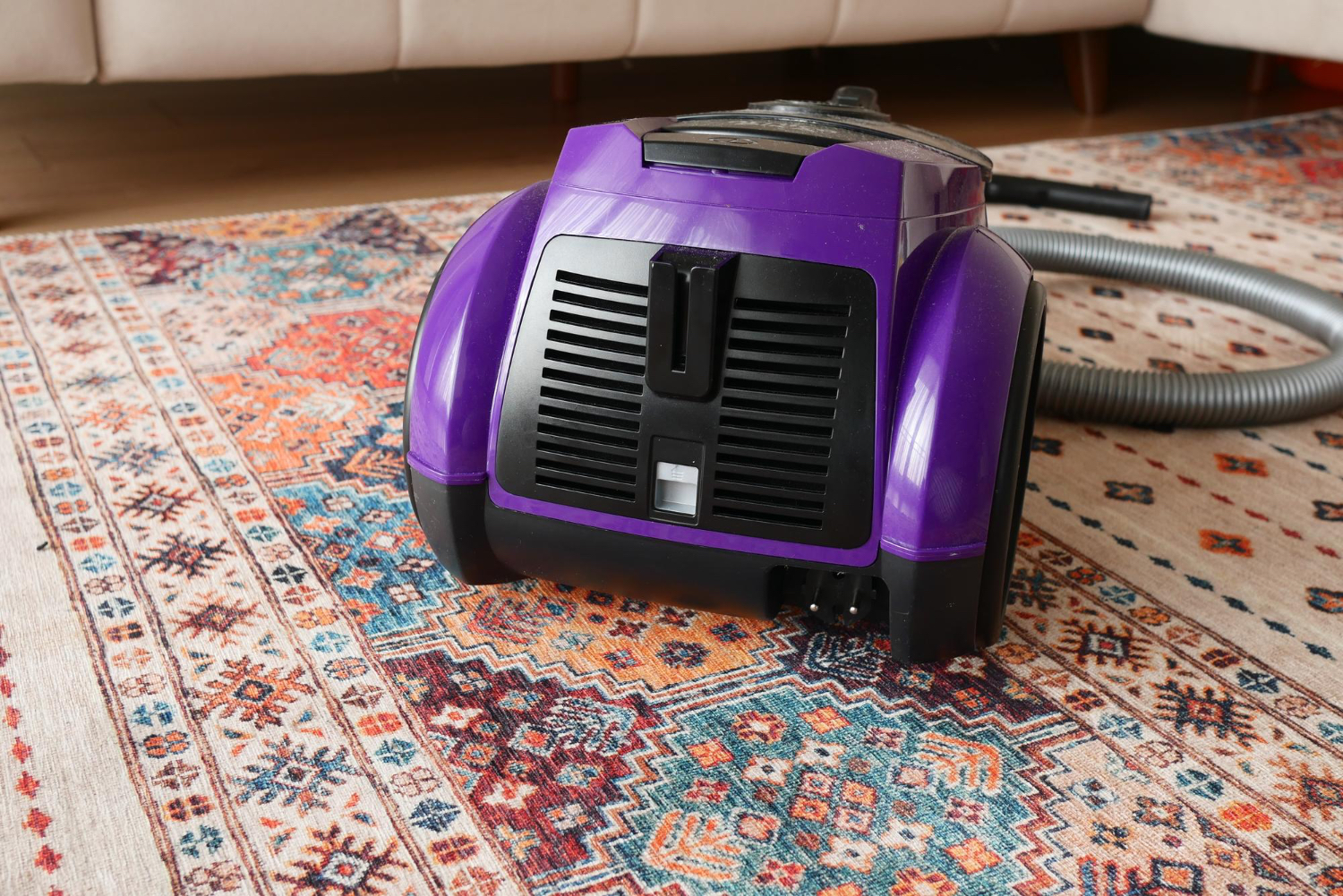
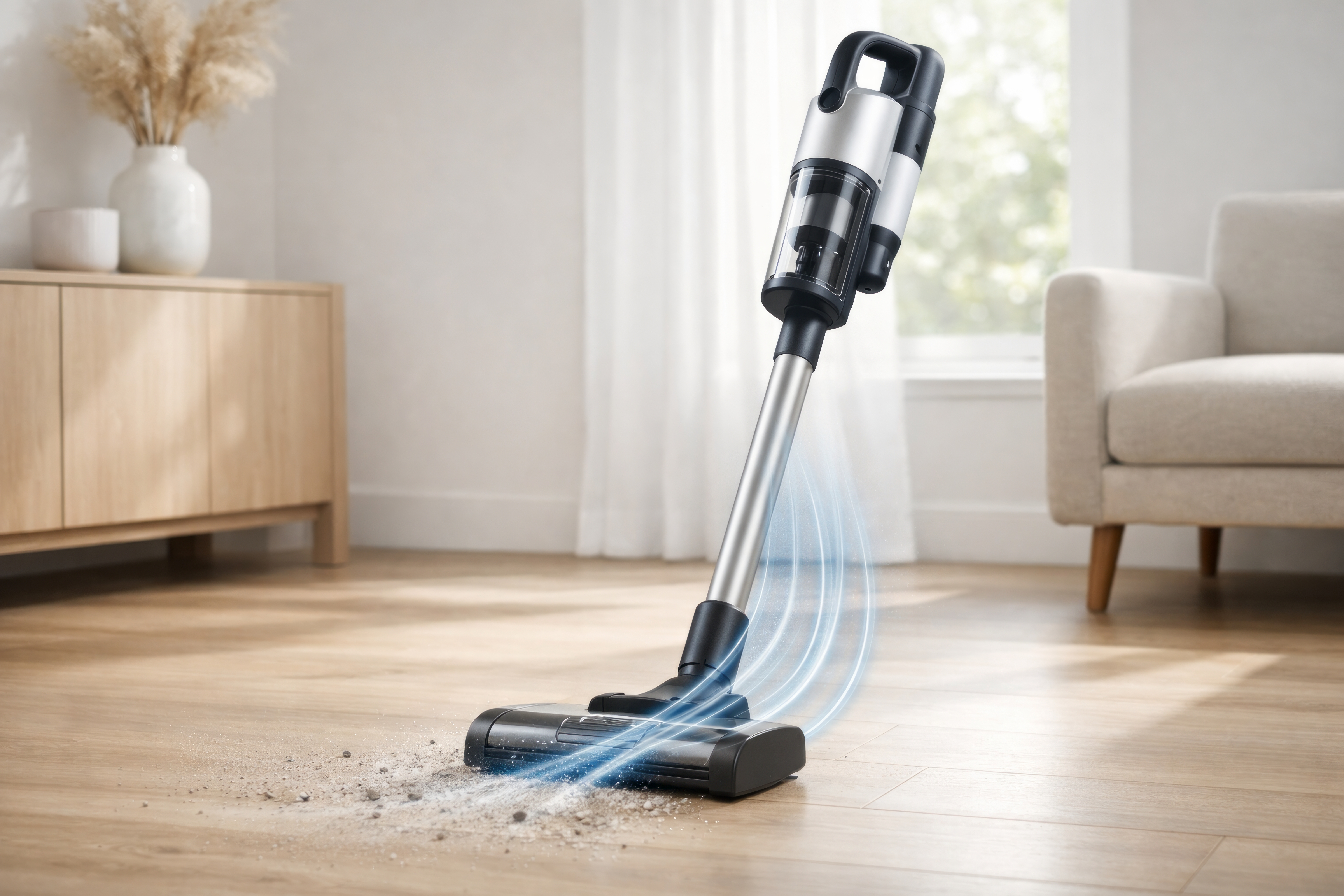
Regular vacuuming helps lift dust and debris before moisture can bind it to wool fibers. Light, frequent cleaning supports airflow within the pile and keeps the rug feeling fresh. Focus on high-traffic zones where dirt tends to collect and hold humidity longer. These might include:
- Entryways
- Living room paths
- Sofa front areas
- Hallway sections
- Dining spaces
- Bedroom sides
Slow passes across the surface can help lift embedded particles without stressing the fibers. Changing direction during vacuuming may improve coverage and reduce compacted areas. Rug edges often collect more dust and moisture, so regular cleaning in those areas helps prevent buildup.
Master Sunning and Rotation
Controlled exposure to fresh air can help refresh wool rugs and reduce trapped humidity. Short periods outdoors in shaded areas support gentle drying without harming natural fibers. Direct sunlight for long hours can fade colors, so indirect exposure often works better.
Rotation helps balance wear patterns and reduces uneven moisture buildup across the surface. Shifting the rug every few months can improve airflow underneath and across all sections. Furniture movement during rotation can also help prevent pressure spots that hold moisture longer.
Handle Spills and Stains
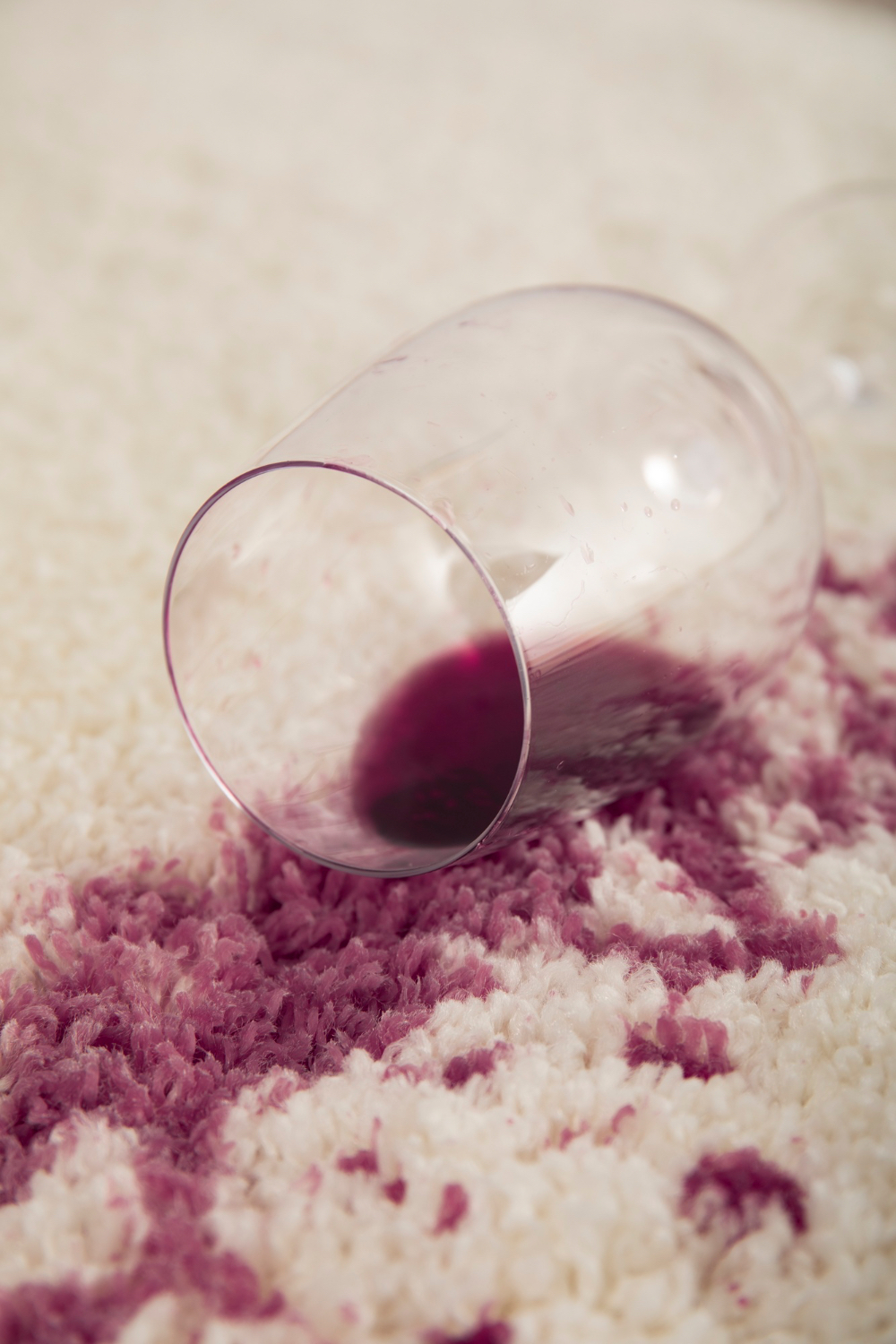
Quick response to spills helps prevent moisture from settling deep into wool fibers. Blotting liquid with a clean cloth can reduce the spread of stains across the pile. Gentle cleaning solutions designed for wool can help lift marks without weakening fibers.
Testing any cleaner in a small, hidden area supports safer treatment. Common spills and stains include:
- Coffee spills
- Tea stains
- Wine spills
- Food drops
- Juice stains
- Pet accidents
Excess rubbing may push moisture deeper, which can increase drying time in humid conditions. Air circulation around the cleaned area helps speed up drying and reduce lingering odors.
Prevent Mold and Moths
Moist environments can increase the risk of mold growth inside dense wool fibers. Keeping airflow steady under and around the rug helps reduce trapped dampness. A breathable rug pad can create space between the floor and rug surface.
Regular inspection of hidden areas can help identify early signs of moisture buildup. Clean, dry storage conditions lower the chance of moth activity in unused rugs. Natural wool resistance offers some protection, yet consistent care adds stronger long-term defense in humid homes.
Master Caring for Wool Rugs for Long-Lasting Comfort
Caring for wool rugs in humid homes relies on steady cleaning and moisture control habits. Regular vacuuming helps reduce trapped dust that can hold humidity within fibers. Rotation and controlled airflow support even wear and reduce damp buildup over time.
Quick spill response and gentle cleaning help preserve texture and prevent odor issues. Mold and moth risks also stay lower when rugs remain dry and well-ventilated.
Do you wish to learn more about home design and maintenance tips? Check out our other articles for simple ideas to improve comfort, style, and long-term care in your living spaces.
Also Read: Why Use Commercial Carpet Cleaning Services & How to Choose a Company
FAQs – Wool Rug Care
1. How often should I vacuum a wool rug in a humid home?
Vacuum your wool rug once or twice a week, or more often in busy areas, to remove dust and reduce moisture retention.
2. Can humidity damage wool rugs?
Yes. High humidity can encourage mould, unpleasant odours and fibre damage if moisture remains trapped for long periods.
3. Is it safe to place a wool rug in direct sunlight?
Short periods are acceptable, but prolonged direct sunlight may fade colours. Bright shade or indirect sunlight is a better option.
4. What is the best way to clean spills on a wool rug?
Blot the spill immediately with a clean cloth and use a wool-safe cleaner if needed. Avoid rubbing the stain into the fibres.
5. How can I prevent mould under a wool rug?
Use a breathable rug pad, maintain good indoor ventilation, and ensure the rug dries completely after any spill or cleaning.
Author & Expert Review
Written By:  Gaurav Mishra | Civil Engineer & Content Writer

| Credentials: B.E. (Mahavir Swami College, Surat), Registered with Bhagwan Mahavir University (BMU). Experience: Civil Engineer with 5+ years of content writing experience, currently writing impactful articles for Gharpedia, part of SDCPL. Expertise: Specializes in writing well-researched content on residential construction, construction materials, design planning, on-site practices, and safety, blending technical accuracy with everyday clarity. Find him on: LinkedIn |
Verified By Expert: Farhan Shaikh – Senior Manager – Architect, SDCPL | Associate Member – IIA

This article has been reviewed for architectural and interior design accuracy by Farhan Shaikh, Senior Manager – Architect at Sthapati Designers & Consultants Pvt. Ltd. As the lead for all architectural and interior projects at SDCPL and an Associate Member of the Indian Institute of Architects (IIA), he brings hands-on experience in architectural planning, interior design, project coordination, and sustainable strategies. His review ensures the content reflects practical design considerations, industry best practices, and real-world applicability across both architecture and interior spaces.
Find him on : LinkedIn