







Table of Contents
Quick Summary
- Household dust contains particles such as pollen, pet dander, textile fibres and dust-mite debris that may trigger allergies.
- Identify common dust sources, including carpets, upholstery, bedding, pets, footwear and outdoor air.
- Use damp microfiber cloths, regular vacuuming and mopping to remove dust without spreading it unnecessarily.
- Control moisture, repair leaks and prevent mould growth to maintain a healthier indoor environment.
- Improve ventilation and maintain suitable air filters to help reduce indoor airborne particles.
- Follow safe cleaning practices and avoid mixing cleaning chemicals or using disinfectants unnecessarily.
- Adjust cleaning routines according to household traffic, pets and individual allergy concerns.
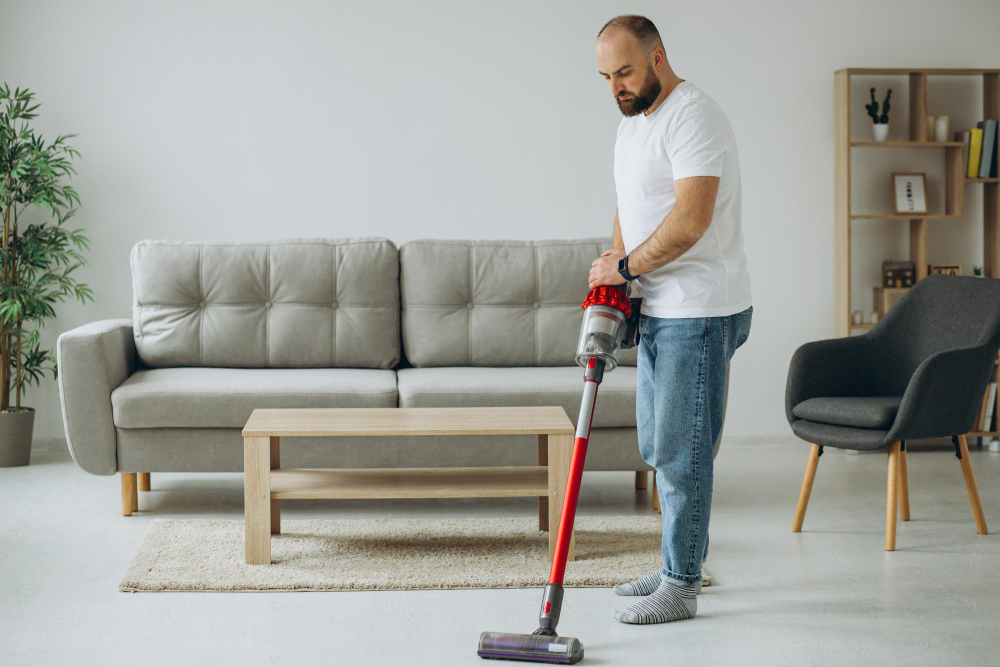
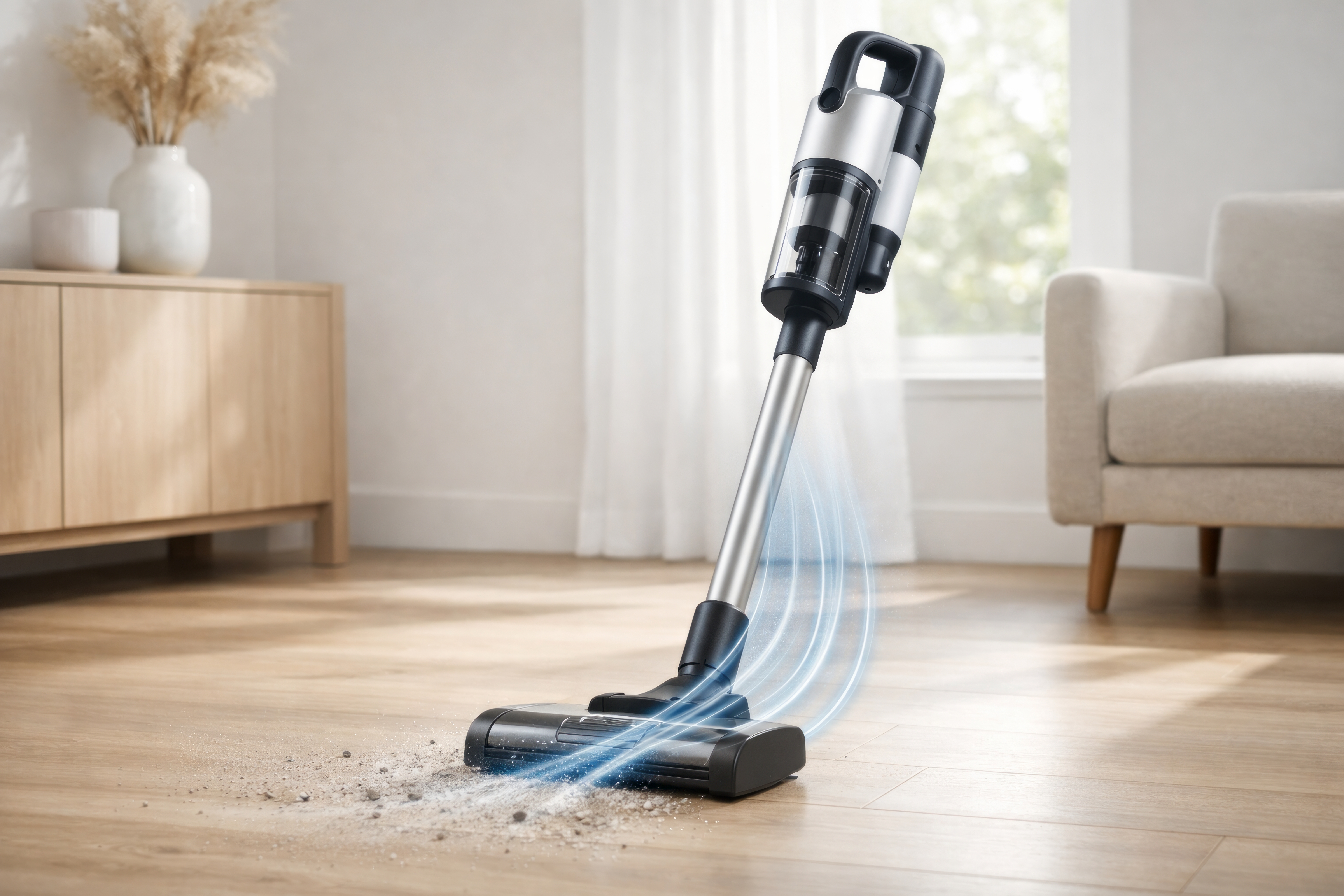
Household dust is more than a cosmetic nuisance. It can carry pet dander, pollen, dust-mite debris, mold spores, and other particles capable of triggering irritation in sensitive individuals. Cutting down on dust at home rarely comes down to one trick or gadget—it depends on a steady combination of cleaning, moisture control, ventilation, and tackling dust at its source. Many households lean on a mix of tools, including a cordless vacuum, damp dusting cloths, and regular mopping, to lift particles from floors and furnishings. No single appliance or method solves the problem outright; the aim is a routine you can actually keep up with, not a flawless fix.
Why Household Dust Matters
Dust is essentially a mixture of skin flakes, textile fibers, soil tracked in from outside, pet dander, pollen, dust-mite residue, and sometimes mold-related particles. Its exact makeup varies widely depending on who lives in the home, whether pets are present, the type of flooring, how well the space is ventilated, and local outdoor conditions.
Reducing dust can help limit exposure to common irritants and allergens, though no amount of cleaning eliminates every airborne or settled particle. It’s worth distinguishing between dust reduction, which removes or limits particles; cleaning, which removes dirt and some germs; and disinfection, which targets specific microorganisms on surfaces. According to CDC guidance, routine disinfection throughout the home generally isn’t necessary unless someone is ill or a household member faces elevated health risks.
Identify the Main Sources of Dust
Indoor sources often include upholstery, carpets, bedding, soft toys, pets, clothing, footwear, and stacks of paper or cardboard. Even ordinary activities—walking across a rug, sitting on a sofa, or changing bedsheets—can stir up particles that had settled.
Outdoor sources play a role too. Dust, pollen, soil, and traffic-related particles make their way in through open doors and windows, on shoes and clothing, and even on pets. Gaps around doors and windows can let in additional particles over time. Practical countermeasures include using doormats, removing shoes indoors where appropriate, washing pet bedding regularly, sealing up visible gaps, and keeping windows closed when outdoor air quality dips.
Think about a high-traffic entryway compared with a rarely used guest bedroom. The entryway accumulates grit, pollen, and debris daily and may demand frequent attention, while the guest room might only need an occasional dusting. Recognizing these differences helps households set realistic, room-specific priorities instead of forcing one rigid schedule onto every space.
Build an Effective Dust-Removal Routine
Damp dusting with microfiber cloths or damp mops captures particles rather than scattering them into the air—unlike dry dusters, which often just redistribute dust from one spot to another. Working from higher surfaces downward lets dislodged particles settle before they’re removed from lower surfaces and floors. Vigorous dry dusting that visibly clouds the air is generally best avoided.
The American Lung Association recommends regular dusting and points to baseboards, blinds, shelves, and molding as frequent dust-collection spots.
For floors and soft furnishings, frequency should hinge on household conditions rather than a one-size-fits-all rule. Homes with pets, young children, allergy sufferers, or heavy outdoor foot traffic typically need more frequent attention. Vacuuming can temporarily stir up settled allergens, so sensitive individuals may prefer to step out of the room during cleaning; EPA guidance also notes that high-efficiency filtration may help in certain situations.
A simple room-by-room priority list can help: entryways and high-traffic floors usually need the most frequent attention, followed by bedrooms (especially bedding), living areas with upholstery, kitchens (surfaces and floors), and bathrooms (moisture-prone surfaces).
Key takeaway: A healthier-feeling home usually comes down to consistent dust removal, moisture management, and appropriate ventilation—not intensive disinfection of every surface.
Control Moisture to Limit Mold and Musty Dust
Excess moisture and condensation create conditions that favor mold growth, which can contribute to musty-smelling dust and air quality concerns. Warning signs include persistent condensation, damp odors, water stains, peeling paint, and visible mold. Addressing the root cause—promptly repairing leaks, venting bathrooms and kitchens, drying wet materials quickly, and keeping air moving—matters more than simply wiping away visible mold, which doesn’t resolve an underlying moisture control problem. For extensive mold growth or recurring water damage, especially where vulnerable occupants are involved, it’s worth consulting a qualified professional. EPA guidance emphasizes keeping indoor areas clean and dry and addressing excess moisture as part of broader indoor-air-quality management.
Improve Ventilation and Filtration
Ventilation can dilute indoor pollutants when outdoor air quality is reasonable. Opening windows when conditions allow, running kitchen and bathroom exhaust fans, avoiding blocked vents, and replacing or cleaning HVAC filters as directed can all make a difference. Air cleaners and filters have their limits, though: they don’t replace source control, their performance depends on correct sizing and maintenance, and filtration claims are worth reading carefully rather than taking at face value. A vacuum’s internal filtration system and a standalone room air purifier serve different purposes and shouldn’t be confused with one another. When filtration terms like “HEPA” come up, it helps to know that this refers to a specific, tested performance standard rather than a vague marketing label like “advanced” or “high-performance.”
Clean Safely and Avoid Common Mistakes
Certain habits raise risk rather than improve cleanliness: mixing bleach with other cleaning products, overusing disinfectant, applying products to surfaces they weren’t designed for, skipping label instructions, or cleaning without ventilation when using irritating chemicals. Visibly dirty surfaces should generally be cleaned before disinfecting, since dirt and grime can reduce a disinfectant’s effectiveness. Always follow label directions for dilution, contact time, protective equipment, ventilation, and safe storage, and wash your hands after cleaning tasks.
Adapt the Plan for Allergies and Sensitive Households
Cleaning can reduce allergen exposure, but it can’t guarantee an allergen-free home. Helpful measures may include washing bedding regularly, using allergen-resistant mattress and pillow encasements, cutting back on excessive dust-collecting furnishings, keeping pets away from sleeping areas if advised by a healthcare provider, relying on damp cleaning methods, and improving ventilation. People with asthma or significant allergies should follow individualized medical guidance rather than general cleaning tips alone. EPA guidance notes that regular cleaning, bedding management, and high-efficiency vacuum filtration may help reduce exposure to some indoor allergens.
Practical Maintenance Schedule
- As needed: Wipe spills, remove visible dirt, address moisture issues, and clean high-touch surfaces after contamination.
- Regularly: Use a cordless vacuum to clean high-traffic floors, damp-dust frequently used surfaces, and maintain cleaning equipment.
- Periodically: Wash bedding and curtains, clean HVAC filters, reach behind furniture, and inspect for leaks or mold.
- Seasonally or as circumstances change: Reassess routines after moving, adopting a pet, renovating, or experiencing water damage.
Practical Example: Turning Advice Into a Routine
Consider a pet-owning family that notices dust building up near the entryway and sofa. They add a doormat, ask household members to leave outdoor shoes at the door, damp-dust surfaces regularly, wash pet bedding weekly, and clean floors based on actual traffic rather than a fixed calendar. They also check HVAC filters and fix a source of bathroom condensation instead of reaching for stronger disinfectants. The result isn’t a perfect, spotless home—it’s a manageable, targeted routine with fewer dust sources and noticeably better air quality.
Final Perspective: Focus on Consistent, Targeted Cleaning
Reducing household dust comes down to a handful of consistent principles: limit dust at its source, use damp methods to avoid redistributing particles, prioritize high-traffic and high-dust areas, manage moisture, improve ventilation, and save disinfection for situations that actually call for it. Readers can start simply—by pinpointing the two or three spots in their home where dust collects fastest and building a sustainable routine around them. For persistent mold, severe allergies, or ongoing respiratory concerns, consulting a public-health resource or medical professional remains the most reliable path forward.
This article reflects general indoor-air-quality guidance and is reviewed periodically for accuracy; it is not a substitute for professional medical or environmental advice.
Also Read: The 10 Best Odor Eliminators for Stubborn Smells
FAQs – How to Reduce Dust at Home
Q1. How can I reduce dust at home effectively?
Use damp microfiber cloths, vacuum floors and upholstery regularly, mop hard floors and minimise clutter. Placing doormats at entrances and removing outdoor shoes can also help prevent dust from entering your home.
Q2. Does opening windows help improve indoor air quality?
Opening windows can improve ventilation when outdoor air quality is good. However, keep them closed when outdoor pollution, dust or pollen levels are high, and use kitchen and bathroom exhaust fans where appropriate.
Q3. Which cleaning method is best for removing household dust?
Damp dusting with microfiber cloths is effective because it captures particles instead of spreading them into the air. Vacuuming and mopping afterwards help remove dust that settles on floors.
Q4. Can an air purifier help reduce dust in a house?
An appropriately sized air purifier with a genuine HEPA filter can capture airborne particles, including some allergens. However, it cannot remove all settled dust, so regular cleaning and controlling dust sources remain important.
Q5. How can I prevent mould and musty dust at home?
Repair leaks promptly, use exhaust fans in kitchens and bathrooms, dry wet materials quickly and address persistent condensation. Investigate recurring dampness or extensive mould growth to resolve the underlying moisture problem.
Author & Expert Review
Written & Verified By:  Farhan Shaikh – Senior Manager – Architect, SDCPL | Associate Member – IIA

| Credentials: Senior Manager – Architect at Sthapati Designers & Consultants Pvt. Ltd. and Associate Member of the Indian Institute of Architects (IIA). Experience: Architect with hands-on experience leading architectural and interior design projects at SDCPL, including architectural planning, interior design, project coordination, and sustainable design strategies. Expertise: Specializing in architectural planning, interior design, project coordination, and sustainable design. He reviews content to ensure it reflects practical design considerations, industry best practices, technical accuracy, and real-world applicability across architecture and interior spaces. Find him on: Linkedin |