







Table of Contents
Quick Summary
- Fifteen minutes a month spent emptying dustbins and washing pre-filters keeps suction strong and prevents motor strain.
- Regularly snipping trapped hair and thread from the brush roll prevents burnt-out belts and stalled motors.
- Vacuum maintenance tips for homeowners include storing removable battery packs at room temperature rather than in hot garages to preserve runtime.
- Swapping out wearable spare parts like belts, filters, and batteries yourself can instantly revive a struggling machine at a fraction of the cost.
- If a professional repair costs more than half the price of a comparable new machine, it is generally time to upgrade.
Courtesy - Magnific
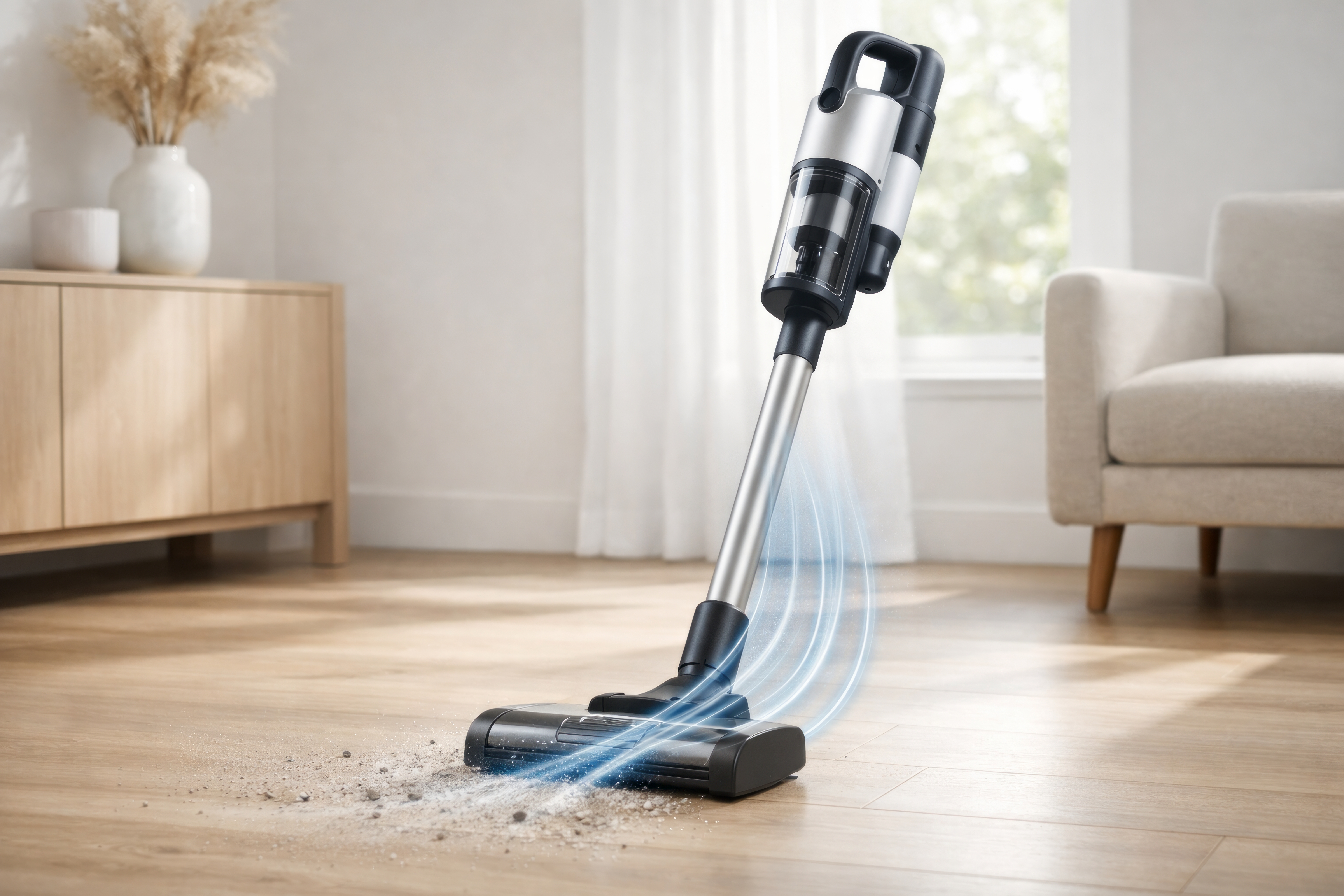
Ask most homeowners when they last serviced their vacuum cleaner and you’ll get a blank stare. We service our cars, our boilers, even our lawnmowers, but the appliance that runs through every room of the house gets ignored until the day it wheezes, smells, or simply dies. The irony is that vacuums are among the easiest appliances to maintain, and following proper vacuum maintenance tips for homeowners can add years to their working life.
Why Vacuums Actually Fail
Courtesy - Magnific
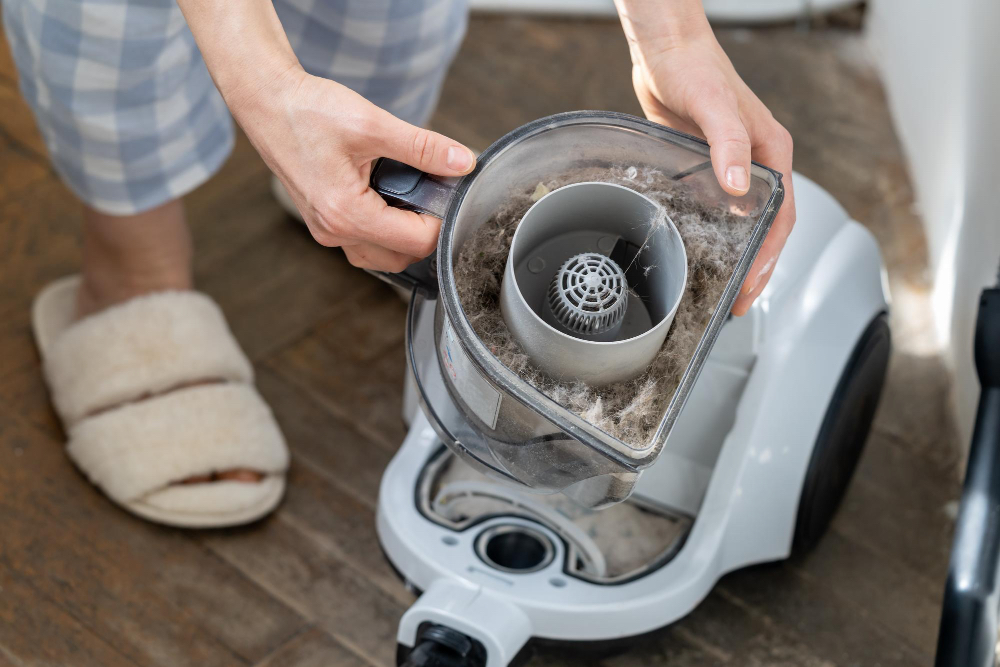
Strip away the drama and most vacuum failures come down to a short list of culprits: a filter choked with fine dust, a dustbin packed past its limit, a brush roll strangled by hair, or a belt that finally gave up. These aren’t manufacturing defects they’re maintenance failures. A vacuum losing suction rarely needs replacing; it usually needs twenty minutes of attention. Understanding that distinction is the single most valuable thing a homeowner can learn about this appliance.
The 15-Minute Maintenance Routine
Courtesy - Magnific
Build this into your monthly household routine and you’ll prevent the vast majority of breakdowns:
- Empty the dustbin before it’s full. Once debris reaches the “max” line, airflow drops and the motor works harder. Empty it after every few uses, not when it’s bursting.
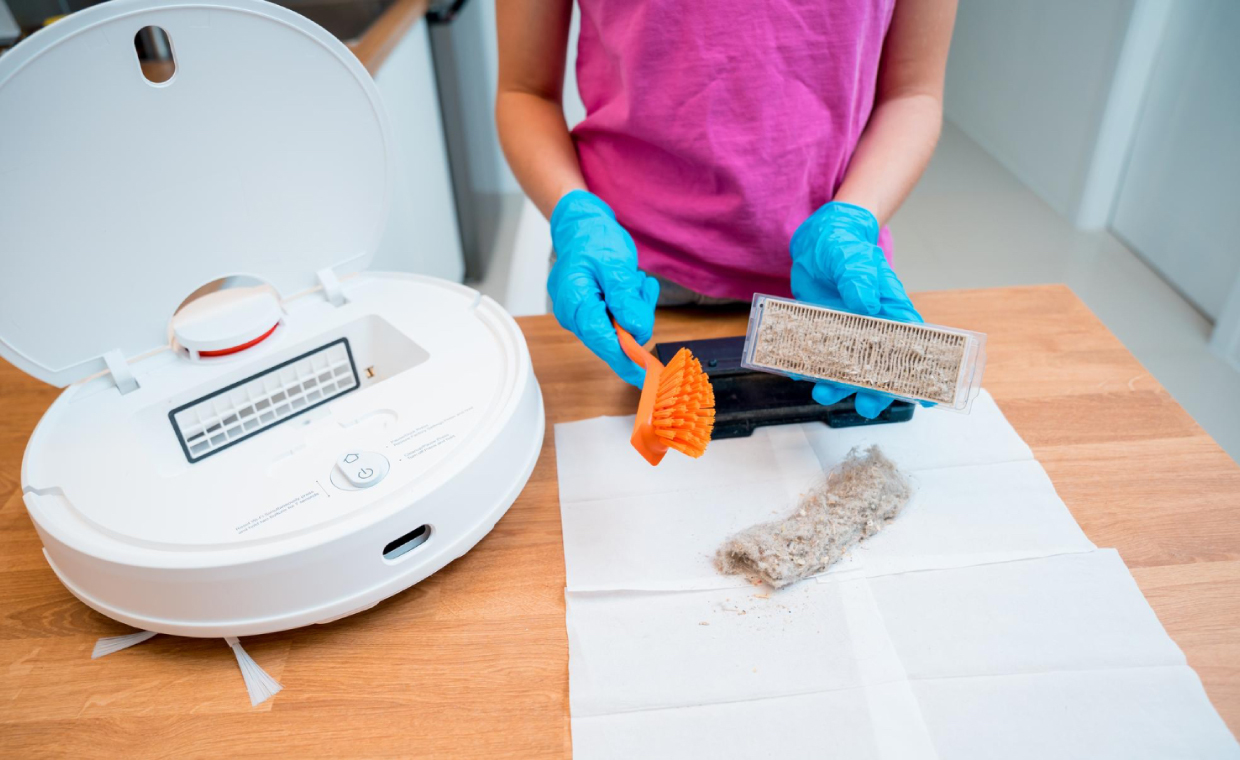
- Wash or tap out the filters. Most handheld and stick vacuums have a washable pre-filter and a finer post-motor filter. Rinse the washable ones under lukewarm water, let them dry completely for 24 hours, and never run the machine with a damp filter.
- Cut hair off the brush roll. Flip the vacuum over, use scissors to snip along the roll, and pull the hair free. Five minutes here prevents burnt belts and stalled motors.
- Check the hose and airways for clogs. Detach the hose and look through it; a broom handle clears most blockages gently.
- Wipe the seals and emptying mechanism. Dust on rubber seals breaks the airtight fit the motor depends on.
None of this requires tools beyond scissors and a sink. Done regularly, it keeps suction strong and the motor cool the two factors that determine how long any vacuum lasts.
A note on cordless batteries. If your vacuum runs on a removable pack, treat it like a power-tool battery: avoid storing it fully drained or baking on the charger indefinitely, and keep it at room temperature. Heat is the enemy a pack left in a hot garage all summer will lose capacity far faster than one stored indoors. When runtime drops to half of what it was new despite a clean machine, the battery not the vacuum is usually the part that needs replacing.
Repairs You Can Genuinely Do Yourself
Courtesy - Magnific
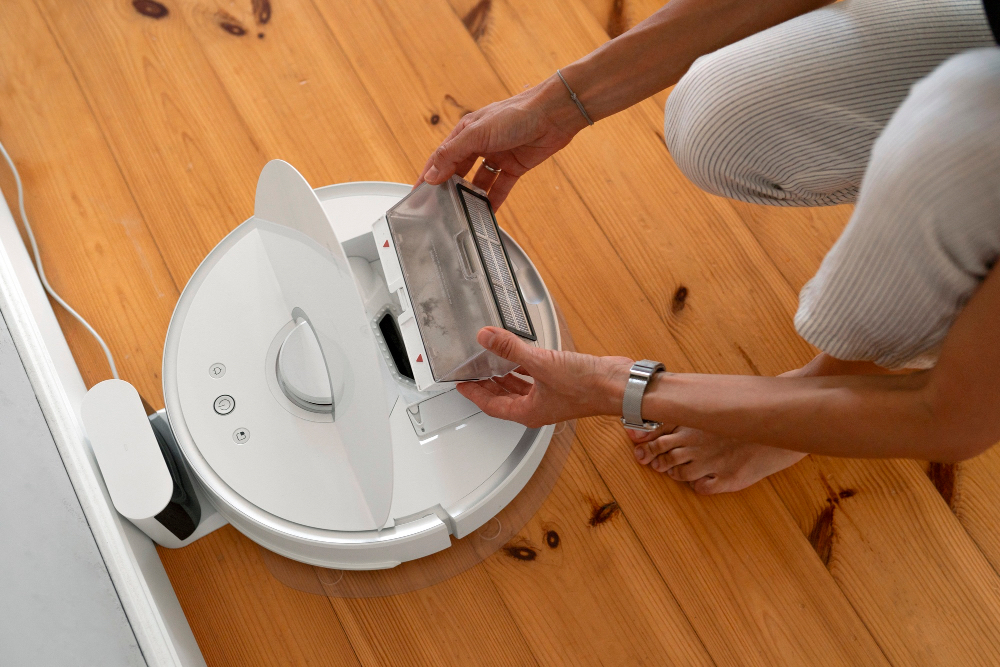
When something does break, the fix is often simpler than expected. Replacement filters, brush rolls, belts, and even batteries are sold as spare parts for most major brands, and swapping them typically takes a screwdriver and a few minutes. A fresh set of filters can transform a tired machine; a new battery can give a cordless vacuum a second life at a fraction of the replacement cost. Before you write off a struggling vacuum, check whether the failed part is a wear item designed to be replaced because most of them are.
The Repair-Or-Replace Decision
There is a practical rule of thumb here: if a professional repair would cost more than half the price of a comparable new machine, replacement usually wins. Age matters too a vacuum over seven or eight years old with a dead motor is rarely worth reviving, while a three-year-old machine with a worn brush roll almost always is. Parts availability is the tiebreaker: if the manufacturer still sells spares, the machine was built to be serviced. If parts have been discontinued, that’s the market telling you it’s time to move on. For a fuller walkthrough of the trade-offs, this guide on whether it’s worth repairing a vacuum cleaner breaks down the decision by fault type, machine age, and cost.
What A Replacement Really Costs
If the numbers point to replacement, it helps to know the real price landscape before you shop. Budget handhelds start low but often cost more over time through replacement filters and shorter lifespans, while mid-range models hit the sweet spot of performance, durability, and running costs for most households. A clear breakdown of how much a good handheld vacuum costs including the ongoing costs of filters, bags, and batteries that never appear on the price tag makes it much easier to compare models honestly rather than on sticker price alone.
The Bottom Line
Treat your vacuum like any other piece of home equipment: maintain it on a schedule, replace the wear parts, and repair what’s economically sensible. By consistently applying smart vacuum maintenance tips for homeowners, most vacuums won’t die prematurely they are saved from being retired early by neglect. Fifteen minutes a month is all it takes to keep yours out of a landfill and performing like it should.
Also Check: Purchasing a Vacuum Cleaner? Here’s What to Look For
FAQs on Vacuum Maintenance Tips for Homeowners
1. What are the best vacuum maintenance tips for homeowners?
Regularly empty the dustbin before it hits the max line, wash the pre-filters every month, and clear tangled hair from the brush roll to keep your vacuum running smoothly.
2. How often should vacuum filters be washed or replaced?
Washable pre-filters should be rinsed under lukewarm water and allowed to dry completely for a full 24 hours before reuse.
3. When should I replace my vacuum battery instead of the whole appliance?
If your cordless vacuum’s runtime drops significantly despite a clean machine and filters, the battery pack has likely worn out and can be replaced independently.
4. How can I tell if my vacuum is clogged?
Loss of suction or a change in motor sound often points to a blockage; detaching the hose and looking through it can help spot clogs.
5. When is it better to buy a new vacuum instead of repairing it?
If your vacuum is over seven to eight years old with a dead motor, or if the cost of professional repairs exceeds half the price of a new replacement model, it is usually time to upgrade.
Courtesy - Featured Image(Magnific)
Author & Expert Review
Written & Verified By:  Mansi Shah – Architect & Architectural Content Writer, SDCPL | B.Arch.
 Mansi Shah – Architect & Architectural Content Writer,
 | Credentials: Architect associated with Sthapati Designers & Consultants Pvt. Ltd. (SDCPL), with over 25 years of professional experience in architecture and interior planning. Experience: Architect with 25+ years of experience in architectural planning, design development, detailing, and on-site execution of residential, commercial, and institutional projects. Expertise: Specializing in architectural planning, interior design, material selection, construction practices, building bylaws, and space efficiency. She reviews content to ensure it reflects practical design principles, efficient interior planning, and industry-aligned architectural standards. Find her on: LinkedIn |