







Table of Contents
Quick Summary
- Windows account for roughly 30% of a home’s heating and cooling energy use.
- Incorrect measurements can leave gaps that cause drafts, moisture and heat loss.
- Ignoring U-factor and SHGC ratings means picking windows unsuited to your climate.
- Skipping proper sill pans and flashing invites hidden water damage over time.
- Overusing foam or sealant can warp frames instead of fixing poor installation.
- Undetected air leaks around the frame silently spike energy bills.
- Careful measuring, correct ratings, proper flashing and professional installation prevent most losses.
Courtesy: Magnific
Have you ever wondered why your energy bills remain so high after putting in new windows? In fact, you could be wasting money due to the very windows that you expected to solve your efficiency problems.
According to the U.S. Department of Energy, windows contribute about 30% of home heating and cooling energy. The best part is that you don’t have to purchase the most expensive windows to resolve the problem.
The main idea is to select the right windows and install them properly. Here are a few common mistakes to avoid.
Taking Measurements Incorrectly

Courtesy: Magnific
The process of taking measurements seems straightforward: measure the open space, order the window, and get it installed. However, window openings are not always square or uniform.
If the window being replaced is larger than it should be, it may not fit perfectly. On the other hand, if the window is smaller than required, there could be big gaps around the frame after the installation, leading to drafts, moisture, and heat transfer.
Referring to the measurements of one corner of the opening will not give you the right measurements. A simple solution is to check the width and height at different points.
If the readings do not coincide, the opening is not square after all. Measure the opening rather than just the old window frame or the glass.
Always have a professional take the measurements. It will take a little more time, but it will save lots of troubles in the future.
Courtesy: Magnific
Choosing Windows Without Considering U-Factor and Solar Heat Gain Coefficient
Courtesy - Magnific
A window may come with an attractive frame, state of the art glass and an effective ‘energy efficiency’ sticker and still be the wrong type for your home. That is the reason the U-factor and Solar Heat Gain Coefficient (SHGC) were created. U-factor indicates how efficiently a window works in terms of heat transfer.

Courtesy: Magnific
In general, the lower the U-factor, the better insulation properties of the window. On the other hand, SHGC indicates how much solar heat passes through the window. Lower SHGC usually means lower inflow of solar heat in your home.
The best combination depends on the geographic location and sunlight level. For example, if you are looking at replacement windows for Santa Rosa homes, don’t just ask for price quotes or compare frame styles. Reach for the actual values of the U-factor and SHGC ratings, and take the local climate and sun exposure into account while making the choice.
Courtesy: Magnific
Not Using Appropriate Sill Pans and Flashing

Courtesy - Magnific
This is one error that may not cause any real problems immediately, but it may return to haunt you at some point later. Windows need some protection from water and moisture.
It starts with a proper sill flashing. Proper sill flashing ensures that water is diverted from the window rather than seeping into the adjacent wall. In the absence of proper installation, water may eventually damage framing, insulation, drywall, and other materials surrounding the window.
Courtesy: Magnific
When you identify the problem, the cost of repairs may already exceed the one of the installation. If you do have new windows installed, ask the installer what methods they used to protect the sill. After a heavy rain, inspect the area around the window on the inside for moisture issues.
Using Too Much Foam and Sealants
Courtesy: Magnific
When it comes to sealing windows, more is not always better. While expanding foam can be useful for filling in certain areas, using too much can result in high pressure on the window frame, making it difficult to operate the window.
Caulk also has its place. However, it should never be used as a substitute for poor installation. If the window is not installed correctly and flashed adequately, then no amount of sealant will solve the problem.
After being installed, the window should be opened and closed a few times to ensure proper functioning. Check the caulk around the window frame as well to see that it looks smooth and uniform, rather than cracked, messy or uneven. Stick to the types of foam and sealants suggested by the manufacturer and use them in their designated areas.
Ignoring the Presence of Air Leaks
Courtesy - Magnific
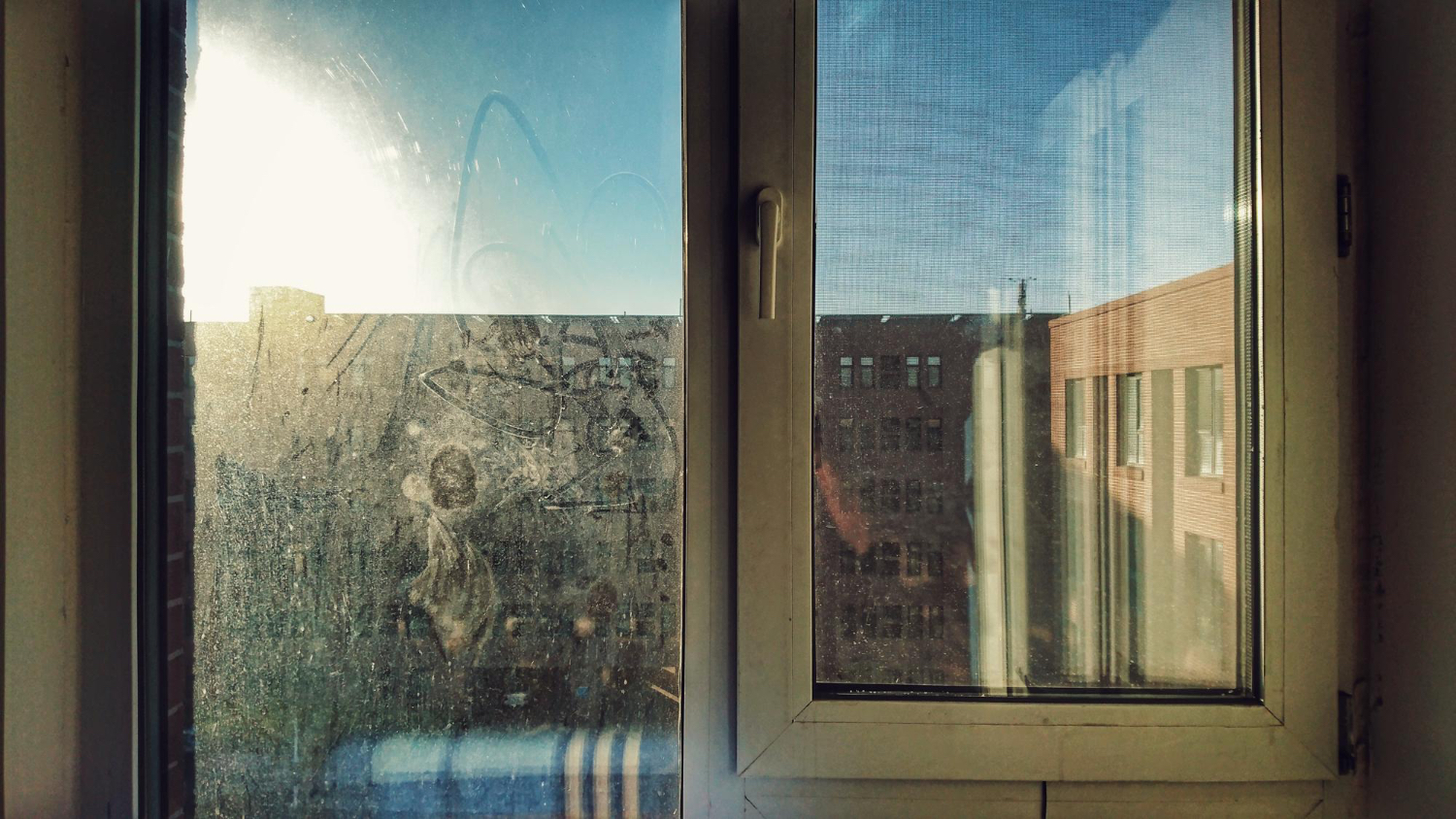
You can spend a lot of money on energy-efficient glass and still have a drafty room if air is leaking around the frame. You may find this problem to be especially upsetting because it is not something that is easy to figure out.
You may notice that one room is colder during winter or hotter in the summer than any other rooms in your house. The temperature unevenness may lead to insufficient performance of your cooling and heating system.
You can check for air leaks by moving your fingers around the contours of your windows on a windy or particularly chilly day. You may also notice the movements of your drapes or curtains, which mean that the air is leaking through the windows. You need to check the whole frame of your window, rather than just the glass.
Make Your Windows Work for Your Home
Investing in window replacements is no small task, which is why you need to make sure that you get every little detail properly. The most expensive mistake may not involve selecting the wrong brand. It might be sizing the product incorrectly, ignoring performance ratings, or having a good quality window poorly installed.
Before making a decision, consider more than the money you need to spend. Take care of the installation as well as the product itself. If everything is done properly, you will get both a good-looking home and the chance to experience many benefits of window replacement.
Also Read: Common Signs Your Timber Sash Windows Need To Be Replaced
Frequently Asked Questions – Window Mistakes That Waste Energy
1. How much energy do windows actually waste in a home?
Windows are responsible for about 30% of a home’s total heating and cooling energy loss, according to the U.S. Department of Energy – even in homes with newer windows if they’re poorly installed or chosen.
2. What are U-factor and SHGC, and why do they matter?
U-factor measures how well a window insulates against heat transfer (lower is better), while Solar Heat Gain Coefficient (SHGC) measures how much solar heat passes through (lower means less heat gain). Choosing the right combination depends on your local climate and sun exposure.
3. Why do new windows still cause drafts or high energy bills?
This usually comes down to installation errors – incorrect measurements, missing sill flashing, or air leaks around the frame – rather than the window product itself. A window can be top-quality and still underperform if it’s poorly fitted.
4. Can too much foam or caulk cause problems?
Yes. Excess expanding foam can put pressure on the frame and make the window hard to open or close, while too much caulk is often used to mask – rather than fix – poor installation. Manufacturer-recommended amounts and placement matter.
5. How can I check my windows for air leaks myself?
Run your fingers along the frame’s edges on a windy or cold day to feel for drafts, or watch nearby curtains for movement. Be sure to check the entire frame, not just the glass, since leaks often occur at the edges.
Courtesy - Featured Image(Magnific)
Author & Expert Review
Written By:  Gaurav Mishra | Civil Engineer & Content Writer

| Credentials: B.E. (Mahavir Swami College, Surat), Registered with Bhagwan Mahavir University (BMU). Experience: Civil Engineer with 5+ years of content writing experience, currently writing impactful articles for Gharpedia, part of SDCPL. Expertise: Specializes in writing well-researched content on residential construction, construction materials, design planning, on-site practices, and safety, blending technical accuracy with everyday clarity. Find him on: LinkedIn |
Verified By Expert:  Avni Desai | Environmental Engineer, SDCPL | M.E. (Environmental Engineering)
 Avni Desai | Environmental Engineer, SDCPL | M.E. (Environmental Engineering)
 This article has been reviewed for environmental, MEP, and building services accuracy by Avni Desai, an Environmental Engineer at Sthapati Designers & Consultants Pvt. Ltd. (SDCPL). With over 8 years of experience in water supply, wastewater management, infrastructure design, and building services, she brings practical expertise in MEP services, sustainable solutions, design planning, and on-site practices. Her professional services include planning and design of water supply systems, sewage and wastewater treatment systems (STP/WTP), drainage, rainwater harvesting, and other sustainable building services. Her review ensures the content aligns with environmental standards, efficient services planning, and real-world applicability.
Find her on : LinkedIn