









Table of Contents
Quick Summary
- Seller financing allows property sellers to let buyers pay the purchase price in instalments instead of paying the entire amount upfront.
- A seller-financed mortgage note records the buyer’s debt and the terms under which the seller will receive payments.
- How to sell a seller-financed mortgage note involves selling the right to receive future payments to an investor in exchange for a lump sum.
- Investors assess several factors before making an offer, including the down payment, interest rate, buyer’s financial background, remaining loan balance, and loan terms.
- Complete legal documents and a consistent payment history can help investors assess the note’s reliability and associated risks.
- Property sellers should keep records of the financing agreement, payment history, and other relevant documents before approaching potential investors.
- Depending on the arrangement, sellers may be able to sell all or part of their future mortgage payments.
- Before accepting an offer, sellers should compare the amount offered with the future payments they would give up and understand the terms of the transaction.
Courtesy - Magnific
When selling a property, some homeowners allow buyers to pay the purchase price in instalments instead of receiving the entire amount upfront. This arrangement is known as seller financing. Although it can help complete a property sale, the seller may have to wait months or years to receive the full amount owed.
What if the seller needs a large amount of money before all those payments have been collected? In some cases, the seller can sell the right to receive future payments to an investor in exchange for a lump sum. This is known as selling a mortgage note.
Investors consider several factors before deciding how much to pay for a mortgage note. For example, the notes purchased by Amerinote Xchange illustrate the different types of notes investors may consider, including residential and commercial notes, as well as loans secured by a first or second mortgage. The property’s type alone does not determine the offer; the loan terms, supporting documents, and associated risks also matter.
Understanding these factors can help property sellers prepare for a potential sale of their mortgage note. A clear payment history, complete documentation, and reasonable financing terms may make the agreement more attractive to prospective investors. However, the final offer depends on the specific terms and risks of the transaction.
How to Sell a Seller-Financed Mortgage Note: What Property Sellers Should Know
When selling a property, some homeowners allow buyers to pay the purchase price in instalments instead of receiving the entire amount upfront. This arrangement is known as seller financing. It can help complete a property sale, but it also means the seller may have to wait months or years to receive the full amount owed.
What if the seller needs a large amount of money before all those payments have been collected? In some cases, the seller can sell the right to receive future payments to an investor in exchange for a lump sum. This is known as selling a mortgage note.
However, the amount an investor offers depends on several factors, including the buyer’s payment history, the remaining loan balance, the interest rate, and the legal documents supporting the agreement. Understanding these factors can help property sellers prepare for a potential sale of their mortgage note.
What Is a Seller-Financed Mortgage Note?
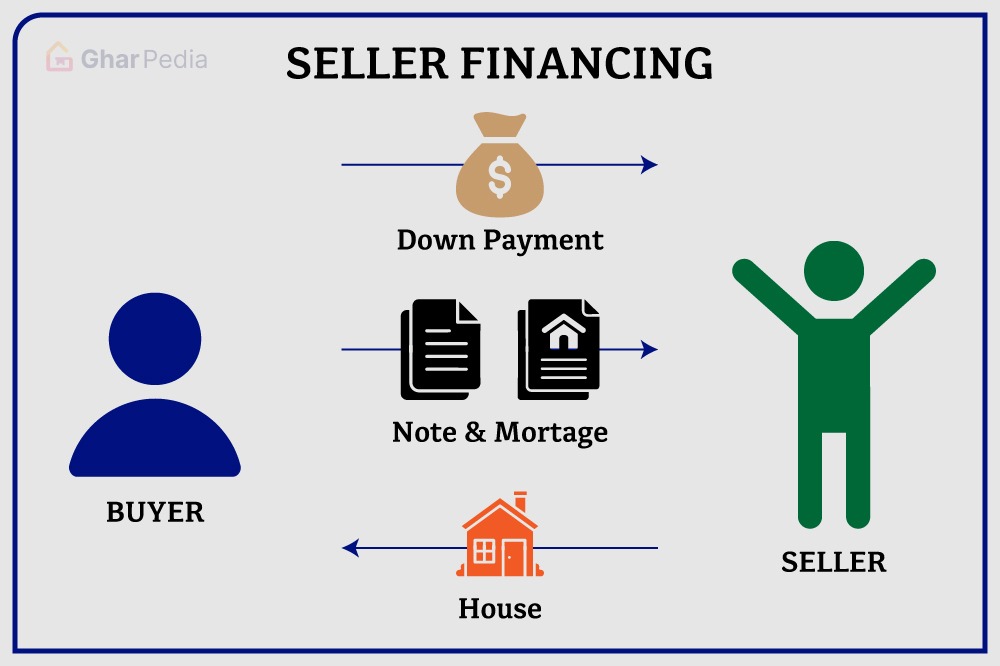
In a traditional property sale, the buyer usually pays the seller through available funds or a mortgage from a bank or other lender. With seller financing, the seller agrees to let the buyer pay some or all of the purchase price over time.
For example, imagine a house is sold for $300,000. The buyer pays $60,000 upfront, and the seller finances the remaining $240,000. The buyer then makes payments according to an agreed schedule, including interest where applicable.
The written promise to repay the debt is called a promissory note. The mortgage or other security document may secure that debt against the property, depending on the transaction and applicable law.
If the seller later needs money, they may be able to sell the right to receive those future payments to an investor. The investor pays an agreed purchase price and receives the payment rights covered by the transaction.
The seller should understand that the investor may offer less than the outstanding balance. The offer reflects the expected payments, the risks involved, and the return the investor wants to earn.
What Makes a Seller-Financed Mortgage Note Attractive to Investors?
Investors assess the likelihood of receiving the expected payments. A note supported by reliable payment records, complete documentation, and reasonable loan terms may be more attractive than one with unclear terms or a history of missed payments.
The following factors can influence an investor’s decision.
1. A Reasonable Down Payment
A down payment is the amount the buyer pays upfront. A larger down payment reduces the amount the seller finances and may give the buyer a greater financial stake in the property.
Consider two hypothetical transactions involving a $300,000 house:
- Seller A receives $15,000 upfront and finances $285,000.
- Seller B receives $60,000 upfront and finances $240,000.
Seller B has a smaller outstanding balance. Depending on the property value, repayment terms, and other risks, this may make the note more attractive to an investor.
However, a larger down payment does not guarantee that the buyer will continue making payments or that an investor will offer a particular price.
2. An Appropriate Interest Rate
The interest rate determines how much interest the buyer pays on the outstanding debt. It also influences the payments an investor expects to receive.
If a note carries an interest rate substantially below the return an investor requires, the investor may offer less than the remaining balance to achieve the desired return.
For this reason, sellers should consider the prevailing market conditions when agreeing to the interest rate. The rate should also comply with applicable lending laws and be affordable for the buyer.
3. The Buyer’s Financial Background
Investors want evidence that the buyer can repay the debt. Depending on the transaction, useful records may include:
- The buyer’s credit history.
- Income and employment information.
- A completed loan application.
- Documents showing the buyer’s ability to make the agreed payments.
Checking these details before completing the original sale can help the seller assess repayment risks. It may also help a future investor understand why the financing was approved.
4. Complete Legal Documentation
An investor may be reluctant to purchase a note if important documents are missing, incomplete, or inconsistent.
The seller should work with a qualified real estate attorney or closing professional to ensure the documents are properly prepared. Depending on the transaction, these may include the signed promissory note, recorded mortgage or deed of trust, closing statement, insurance records, and required disclosures.
Proper documentation can make it easier to verify the agreement and determine what rights are being transferred.
What Documents Should You Keep Before Selling a Mortgage Note?
Organised records help demonstrate the terms of the agreement and the buyer’s payment history. Before considering a sale, review the following checklist:
- Signed promissory note: States the amount owed, interest rate, payment schedule, and other repayment terms.
- Mortgage or security documents: Establish the relevant security interest in the property, where applicable.
- Closing statement: Records the purchase price, down payment, and other transaction details.
- Credit and income records: Help document the buyer’s financial position at the time of approval, where appropriate.
- Insurance records: Show compliance with the agreement’s applicable insurance requirements.
- Required legal disclosures: Demonstrate compliance with the rules governing the transaction.
- Payment records: Show the dates and amounts of payments received.
The exact documents required depend on the transaction and the applicable state and federal laws. Sellers should not assume that the same checklist applies to every property or financing arrangement.
Why Is a Clear Payment History Important?
A buyer’s payment history helps an investor assess whether the agreed payments have been made consistently.
A newly created note has little or no payment history. By contrast, a note with a documented record of regular payments provides evidence of the buyer’s repayment behaviour.
Sellers should maintain a clear record of every payment, including the date, amount, and outstanding balance. A professional third-party loan servicer can help collect payments, maintain records, and manage other agreed administrative tasks.
A longer record of on-time payments may improve an investor’s confidence, but it does not guarantee a higher offer. The investor will also consider the remaining balance, interest rate, property value, and other risks.
Can You Sell All or Part of Your Future Mortgage Payments?
Depending on the note and the investor’s requirements, a seller may have more than one option.
Selling the Entire Mortgage Note
The seller transfers the agreed rights to future payments in exchange for a lump sum. The seller receives money sooner but gives up the payment rights included in the sale.
The purchase price may be lower than the outstanding balance. Before agreeing, the seller should understand the amount offered, the rights being transferred, and any continuing responsibilities.
Selling Part of the Future Payments
Some transactions allow a seller to transfer the right to receive a specified portion of future payments while retaining other rights under the agreement.
For example, an investor might purchase the right to receive a defined number of future payments. Whether the seller resumes receiving payments afterward depends on the contract.
This arrangement can provide money upfront without necessarily transferring every future payment. However, the details must be carefully reviewed to understand which payment rights are being sold and which are retained.
What Should You Consider Before Selling a Mortgage Note?
Selling a mortgage note can provide access to money before the full debt is repaid, but it is not always the best option.
Before proceeding, consider these points:
- Compare the offer with the outstanding balance: Understand how much less than the remaining debt the investor is offering, if applicable.
- Review your future income needs: Selling the note may reduce or eliminate the future payments you would otherwise receive.
- Check the investor’s terms: Confirm the payment rights being transferred and any obligations that remain with you.
- Understand the legal and tax implications: Consult qualified professionals about the transaction, including any applicable tax consequences.
- Compare alternatives: Consider whether retaining the note or exploring another financing option better suits your needs.
The decision should be based on your financial circumstances, the terms of the agreement, and the amount of future income you are willing to give up.
Conclusion
Selling a seller-financed mortgage note may allow a property seller to receive a lump sum instead of waiting for all future payments. However, the amount offered depends on the agreement’s terms, the buyer’s payment history, the outstanding balance, and other risks.
Keeping accurate records, preparing the required documents, and understanding the rights being transferred can help sellers evaluate their options. Before proceeding, compare the investor’s offer with your future income needs and seek professional advice where necessary.
Also Read: Creative Financing Solutions for Homeowners: Thinking Outside the Box
FAQs About Selling a Seller-Financed Mortgage Note
1. Can you sell a seller-financed mortgage note?
In some cases, yes. A seller may be able to sell the right to receive future payments to an investor. The availability and terms of a sale depend on the note, its supporting documents, and investor requirements.
2. Will you receive the full outstanding balance when selling a mortgage note?
Not necessarily. An investor may offer less than the outstanding balance to account for the time required to collect the payments, the expected return, and the risks involved.
3. Does a buyer’s payment history affect a mortgage note’s value?
Yes, it can. A documented history of regular payments may help an investor assess the risk of the agreement. However, payment history is only one factor considered when determining an offer.
4. Can you sell only some future mortgage payments?
Some investors offer arrangements in which they purchase the rights to a defined portion of future payments. The terms determine which payments are transferred and whether the seller retains any rights afterward.
5. What should you check before accepting an investor’s offer?
Review the purchase price, the rights being transferred, the remaining obligations, and any legal or tax consequences. A qualified professional can help you understand the agreement before you sign.
Courtesy - Featured Image(Magnific)
Author & Expert Review
Written By:  Nidhi Patel | Civil Engineer & Content Writer

| Credentials: B.E. (Mahatma Gandhi Institute of Technical Education and Research Centre), Registered with Gujarat Technological University (GTU). Experience: Civil Engineer with 3+ years of content writing experience, currently writing blogs for Gharpedia, part of SDCPL. Expertise: Specializing in SEO-optimized blogs and long-form articles focused on home improvement, construction, interiors and architect topics. I create well-researched, reader-focused content that balances technical accuracy with clarity, making complex subjects easy to understand. Find her on: LinkedIn |
Verified By Expert:  Shekhar J. Parikh – Co Founder – Gharpedia | Director – SDCPL

This article has been reviewed for technical and execution accuracy by Shekhar J. Parikh, Director and Consulting Engineer at Sthapati Designers & Consultants Pvt. Ltd. With over 40 years of experience in civil engineering, project execution, and construction management across Gujarat and Maharashtra, he ensures the content reflects practical site knowledge, quality control standards, and industry best practices, while also supporting informed decision-making for property buy, sell, and rent considerations.
Find him on: LinkedIn