




Table of Contents
Quick Summary
- Plumbing vents regulate air pressure in drainage pipes and help wastewater flow smoothly.
- Discover how vent pipes work alongside drainpipes and water-filled traps to prevent sewer gases from entering living spaces.
- Understand why proper venting is essential for efficient drainage and a reliable plumbing system.
- Recognise common warning signs, including slow drains, gurgling noises, unusual toilet water levels and persistent sewer odours.
- Explore potential causes of vent blockages, such as leaves, debris, animal activity and incorrect installation.
- Learn why plumbing ventilation should be considered when adding bathrooms, relocating sinks or renovating laundry areas.
- Find out when professional inspection may be necessary to identify underlying drainage and venting problems.
- Understand the difference between plumbing vents and general home ventilation systems.
Courtesy - Magnific
More typically, when homeowners think about plumbing it’s the faucets, toilets, sinks & showers and water pipes circulating their residence. But the unseen air is almost as critical to a properly working plumbing system.
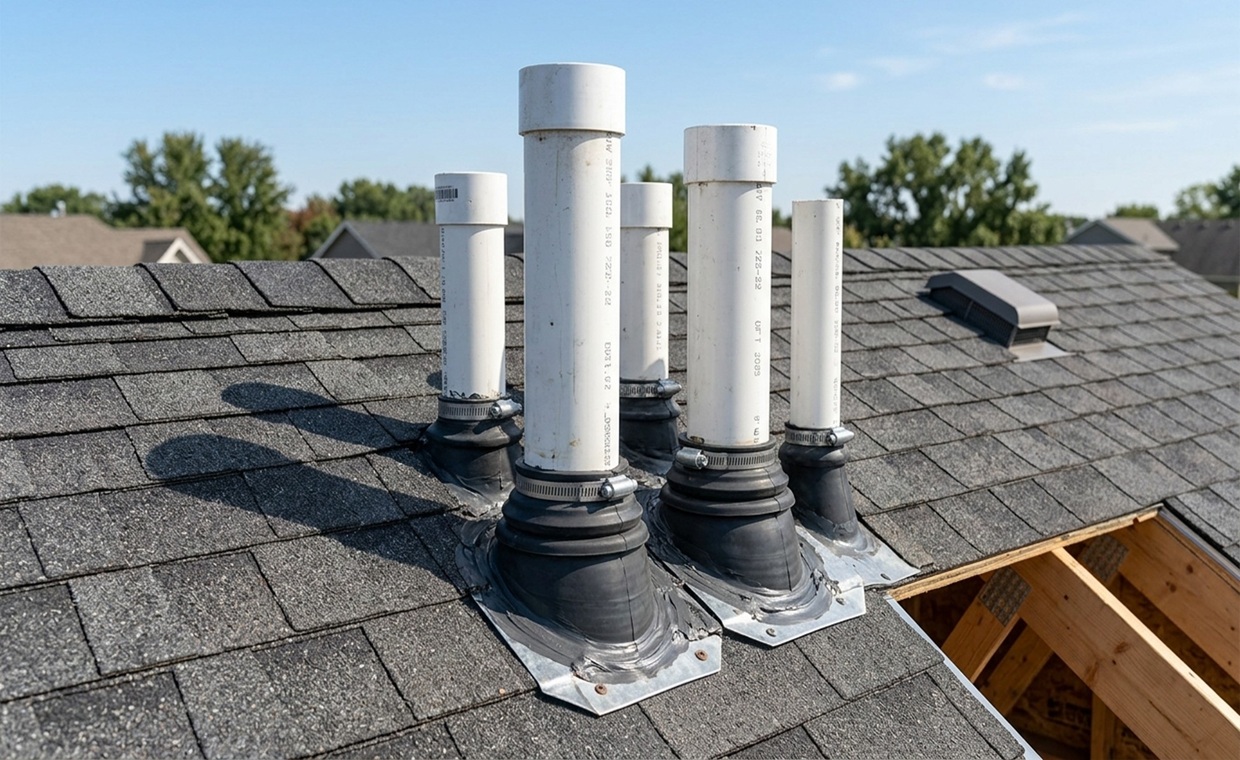
One key feature of a residential drainage system is the plumbing vent. They assist in maintaining air pressure of drainpipes, promote wastewater to flow without obstruction and limit sewer gas from penetrating indoor areas. Since most vent pipes are concealed inside walls or above the roof line, very few people are aware of them but the function vent pipes perform is vital to the efficient operation of the whole plumbing system.
By learning how plumbing vents operate, a homeowner can avoid misunderstandings that could complicate building, renovation and maintenance project decisions.
What Is a Plumbing Vent?
Help! My Drain is Clogged!!A plumbing vent is a type of pipe connected to the drainage system in a home; it helps move air through the plumbing network. Drainpipes remove dirty water from fixtures, but vent pipes are mainly designed to manage air pressures in your plumbing system and allow harmful gases to escape outside.
Standard plumbing in a house contains supply pipes that transport new water, drainpipes to eliminate waste and vent pipes to help with the drainage cycle.
These components work together. Once you go down the sink, shower, washing machine or pan toilet water who leaves does not simply disappear into the pit. When water moves within the pipes it changes pressure. Wastewater may not flow as efficiently without a suitable way for air to enter the system.
Explaining How a Plumbing Vent Operates
One example is to think about what happens when you flush a toilet. Considerable water travels rapidly from the drain system. Now that water makes its way through the piping, moving air and generating pressure adjustments.
An appropriately designed vent system will permit air to enter the drainage network and help adjust those pressure fluctuations. This facilitates the transportation of waste water towards the primary drain, sewer system or septic tank.
Same goes for sinks, bathtubs, showers and appliances like washing machines. Washing machines, for example, discharge large amounts of water at high speed in a short time meaning that proper drainage and venting is especially crucial.
Inadequate venting can also result in slower drains and gurgling sounds in residential laundry plumbing. Correctly configured drainpipes, traps and vents collaborate to make it easy for the run-off water to flow.
Why Plumbing Vents Are Important
They Aid Less Air Pressure Maintenance
Wastewater passes through drainage pipes which require air. The function of plumbing vents is to prevent excessive negative pressure or excessive positive pressure from developing inside the system.
Poorly balanced pressure can make drains noisy, and worse, less efficient.
They Help Protect Plumbing Traps
The majority of sinks, showers, bathtubs and other fixtures have a trap that is filled with water. One of the examples is the P-trap beneath a sink.
That water then builds up to the level of the concrete, and prevents it from coming into contact with the drainage system outside of your home. It helps to stop sewer gases from passing through your drain.
Excessively high or low pressure disturbances may be caused by poorly functioning venting or a faulty vent design, which in turn can disturb this water seal. This also means it helps moisture and also bacteria escape around the pipes where we usually live so you have to keep maintaining the trap.
They Help Wastewater Drain Properly
Gravity is not enough by itself for a drainage system. Air movement has an effect on how efficiently water travels through pipes as well.
Symptoms of a blocked or improperly set vent include gurgling drains, slow drainage and weird interactions between faucets.
They Offer a Passageway for Sewage Fumes
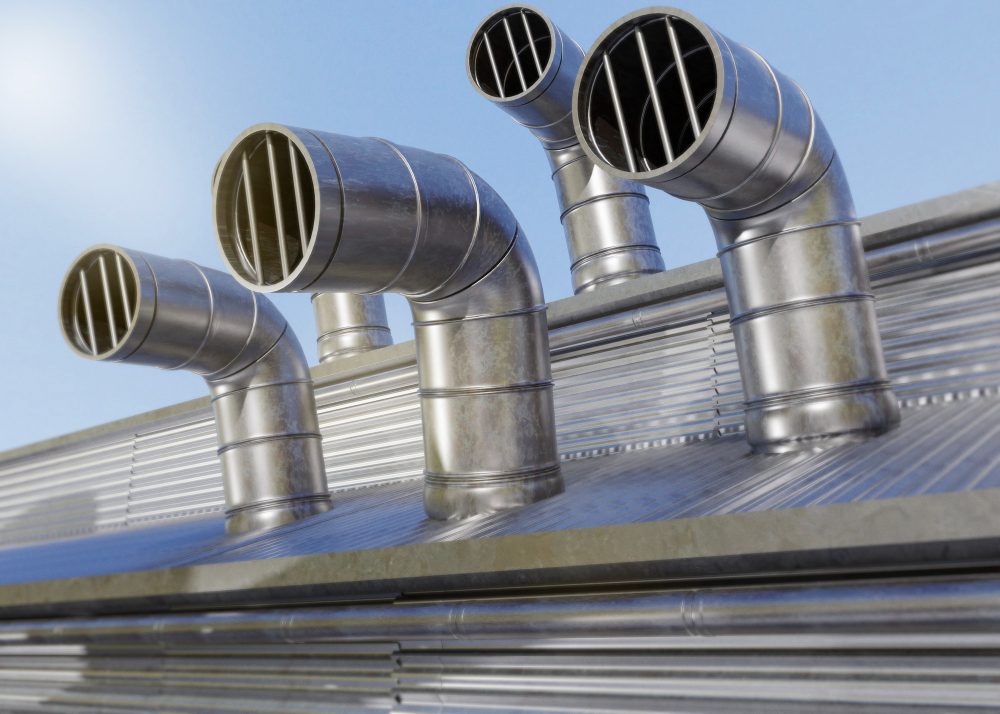
Some vent pipes usually lead outdoors, exiting through the roof. It provides a controlled release outside for drainage system gases that would otherwise be trapped inside the house.
Signs To Indicate Plumbing Vent Issues
Homeowners often see symptoms before they even see the cause since the location of vent pipes are usually unseen.
Common warning signs include:
- Gurgling noises from the sink or drain
- Repeatedly slow drainage
- Sewer-like odors near plumbing fixtures
- A sign of abnormal toilet bowl water levels
- Noisy bubbling or gurgling sounds when another fixture is running
- Few Fixtures Drainage Issue at Same Time
Having any of these symptoms does not mean the vent is blocked. Similar symptoms can be experienced due to a blocked drain, faulty pipe, dry trap or some other fault in the plumbing. The pattern of symptoms can provide valuable clues.
What Can Clog or Harm a Plumbing Vent?
As some vents are located outdoors, they can also accumulate leaves, soil, twigs or any other material. Birds, and little creatures can have to a degree more sedative impacts too. Ice to block a vent opening in cold climates.
There can also be issues with the plumbing in the house system. A vent can suffer damage from workplace accidents, be removed, improperly modified during remodeling projects or simply improperly designed in the first place.
Especially when fixtures are relocated this is significant. Our toilet, sink, shower or washing machine may need different drainage and venting requirements when it is moved.
Plumbing Vents and Home Renovations
Main plumbing ventilation is something you need to check on when no major renovation has begun.
Moving a kitchen sink, adding on a bathroom, relocating laundry appliances or finishing off that long-ignored basement can alter the flow of black water through the home’s drainage system.
An example would be a venting arrangement for an island kitchen sink, where there is no wall immediately behind something normal needing a vent. In an analogous way, existing drainage systems may require some alteration to the vent layout in order to be fitted with additional fixtures.
If planned prior to constructing walls and ceilings, these systems make changes more easily.
When Should Homeowners Get Vent Issues Investigated?
A random gurgling noise is not a sign of impending plumbing doom. Yet persistent or recurrent symptoms need to be redressed.
When more than one fixture is draining slowly, toilets act strangely when other fixtures are used or sewer odors keep occurring then the issue may be wider than just a single clogged drain.
A plumbing inspection done by a plumber can encompass the evaluation of any and all accessible drain lines, components, venting systems, fixtures, water pressure and anything else pertaining to the home’s plumbing system. The wider view is valuable for separating localized blockage from more pervasive network issues.
A qualified Local Plumber can assess symptoms against the entire plumbing layout of the home rather than individual fixtures in isolation making it a good companion for homeowners researching inspection or repair options.
Another example is water drainage, which works toward the outside of the house or in a system of purification for reuse, but that requires an additional method to get rid of them; so you need plumbing ventilation.
Plumbing Ventilation Is Different from Home Ventilation
And visualizing plumbing ventilation is also critical from general indoor ventilation.
Home ventilation systems are designed to ventilate the air inside and outside the house for improvements in humidity, odour and indoor pollutants. Plumbing vents, however, are just connected to the drain.
Their main functions are to equalize pressure, facilitate drainage, protect trap seals and convey sewer gases.
These two systems each play a role in a properly functioning home, but perform very different functions.
Final Thoughts
So, plumbing vents might not be the most visible or glamorous part of residential drainage, yet they play an absolutely crucial role. They enable air to pass through the drainage system, which ensures proper flow of wastewater, that trap seals are reinforced, and offers a safe passage for sewer gases to leave indoors.
Things to notice by homeowners include gurgling that happens all the time, sewer or other strange odors, drainage problems without a clear cause (like heavy rain), and strange systems in toilets like the toilet seeming not to flush. As there are multiple causes for these symptoms, it is more beneficial to determine the root cause than if we carry out work on a fixture-out basis.
Correct venting should also be considered anytime plumbing is installed, replaced or relocated throughout a home renovation. That understanding drains, traps and vents help homeowners keep a healthier and more reliable plumbing system.
Also Read: Types of Drianage Pipes Materials
FAQs – Plumbing Vents
1. What is the main purpose of a plumbing vent?
A plumbing vent regulates air pressure within the drainage system, supports the smooth flow of wastewater and allows sewer gases to escape outdoors.
2. How do I know if my plumbing vent is blocked?
Common signs include gurgling drains, slow drainage, persistent sewer odours and unusual changes in toilet bowl water levels. However, these symptoms can also indicate other plumbing problems.
3. Can a house function without plumbing vents?
A properly designed drainage system generally requires an approved venting arrangement. Without adequate venting, drainage may become unreliable, and water seals in plumbing traps may be disturbed.
4. Where are plumbing vent pipes usually located?
Plumbing vent pipes commonly run through walls or roof spaces and terminate above the roof. Their exact arrangement depends on the building’s plumbing design and applicable regulations.
5. Should plumbing vents be checked during home renovations?
Yes. Moving sinks, adding bathrooms or relocating washing machines can affect drainage and venting requirements. A qualified plumber can assess the layout and ensure the system meets applicable plumbing regulations.
Author & Expert Review
Written By:  Gaurav Mishra | Civil Engineer & Content Writer

| Credentials: B.E. (Mahavir Swami College, Surat), Registered with Bhagwan Mahavir University (BMU). Experience: Civil Engineer with 5+ years of content writing experience, currently writing impactful articles for Gharpedia, part of SDCPL. Expertise: Specializes in writing well-researched content on residential construction, construction materials, design planning, on-site practices, and safety, blending technical accuracy with everyday clarity. Find him on: LinkedIn |
Verified By Expert: Avni Desai Environmental Engineer, SDCPL | M.E. (Environmental Engineering)
 Avni Desai Environmental Engineer,
 This article has been reviewed for environmental, MEP, and building services accuracy by Avni Desai, an Environmental Engineer at Sthapati Designers & Consultants Pvt. Ltd. (SDCPL). With over 8 years of experience in water supply, wastewater management, infrastructure design, and building services, she brings practical expertise in MEP services, sustainable solutions, design planning, and on-site practices. Her professional services include planning and design of water supply systems, sewage and wastewater treatment systems (STP/WTP), drainage, rainwater harvesting, and other sustainable building services. Her review ensures the content aligns with environmental standards, efficient services planning, and real-world applicability.
Find her on: LinkedIn