




Table of Contents
Quick Summary
- Site orientation matters: Understand how sunlight, prevailing winds and views influence apartment design and indoor comfort.
- Climate-appropriate materials: Explore how traditional limestone, modern insulation and durable finishes improve performance and longevity.
- Outdoor living spaces: Learn why spacious, shaded balconies and terraces extend usable living areas.
- Moisture management: Discover the importance of waterproofing, drainage, cross-ventilation and efficient plumbing in coastal climates.
- Practical layouts: See how storage, privacy and open-plan interiors improve everyday living.
- Developer selection: Understand how experienced developers, including LJ Projects, contribute to construction quality and long-term property value.
Building a home that stays comfortable, durable and valuable for decades is never only about looks. In the Mediterranean, where summers are long, sunlight is intense and the sea air is never far away, the difference between an average apartment and a truly well-built one shows up quickly. Malta, a small island nation with a long tradition of stone construction and a busy modern property market, offers useful lessons for anyone planning, building or buying a home in a warm coastal climate.
Start With the Site, Not the Floor Plan
Good residential design begins with orientation. In a hot climate, the way a building faces the sun decides how much energy it will need for cooling, how bright the living spaces feel and how usable the terraces are. Experienced Maltese developers study the plot carefully before a single wall is drawn: where the prevailing breeze comes from, which façades will take the afternoon sun and where the best views lie. Living areas are usually opened towards light and views, while bedrooms and service spaces are placed where they stay cooler.
Choose Materials That Suit the Climate
Malta’s famous honey-coloured globigerina limestone has shaped the island’s architecture for centuries. Stone walls have a high thermal mass, which means they absorb heat slowly during the day and release it at night, keeping interiors more stable. Today, that traditional logic is combined with modern insulation, double-glazed apertures and thermal breaks. The result is a building envelope that keeps heat out in summer and comfort in during the cooler, damp winter months.
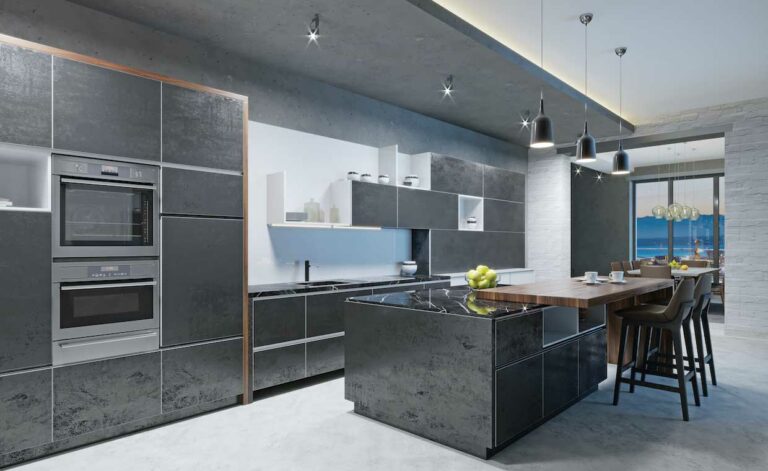
Inside, durable finishes matter just as much. Porcelain tiles, natural stone and engineered oak flooring are popular because they cope well with humidity and heavy daily use, while still looking refined. Quality sanitaryware and well-specified kitchens may cost more upfront, but they reduce maintenance and replacement costs over the life of the home.
Design Outdoor Space as a Real Room
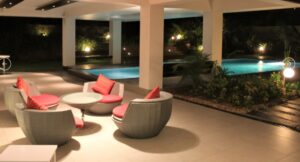
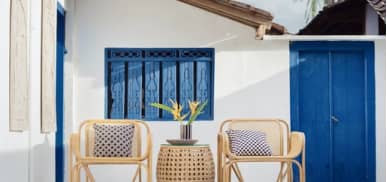
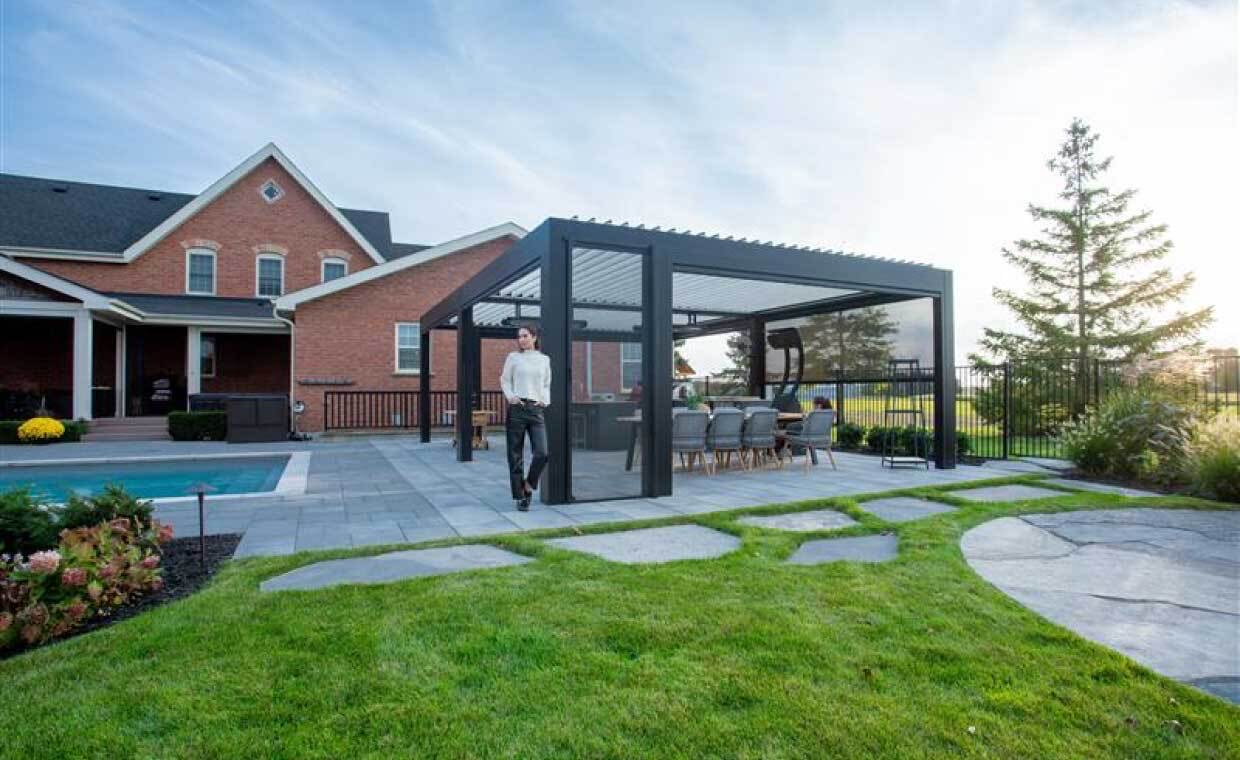
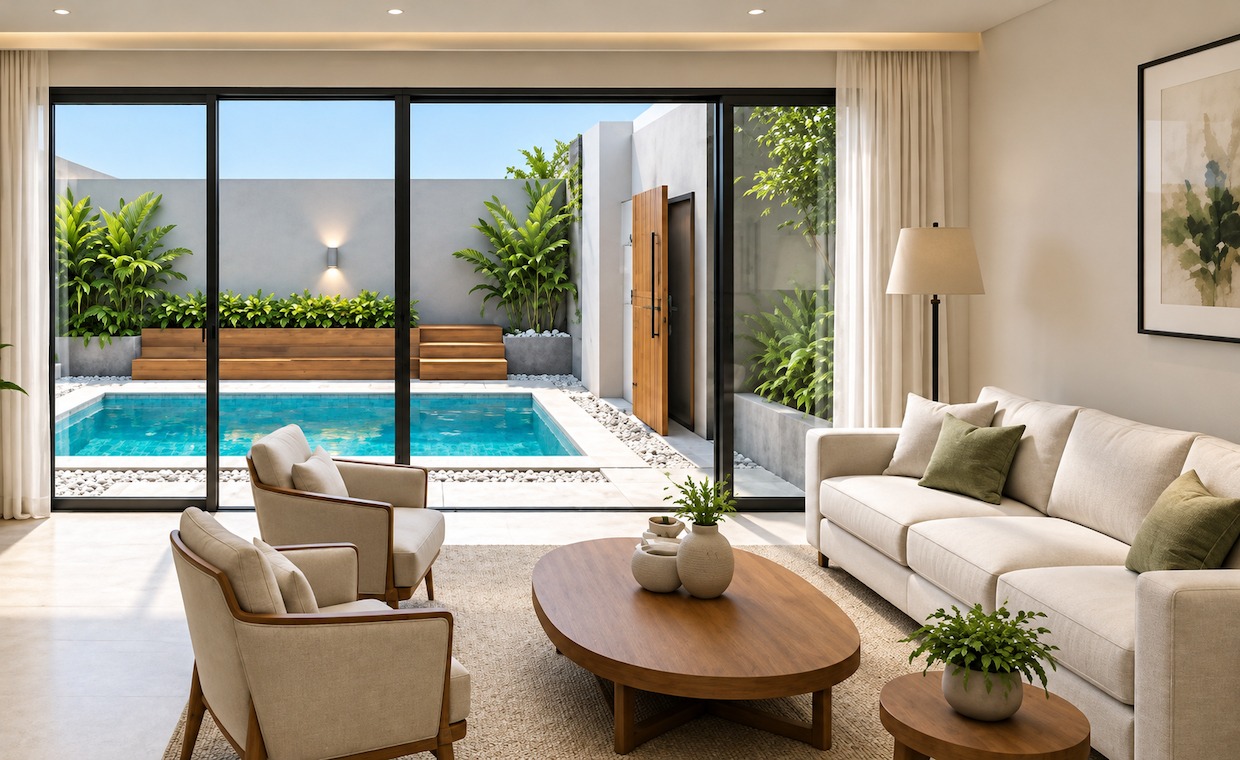
In the Mediterranean, the terrace is often the most used space in the home. A well-built apartment treats balconies, courtyards and roof terraces as true extensions of the living area: deep enough to hold a dining table, shaded by overhangs or pergolas, and connected to the interior by wide sliding doors. Some newer developments go further with private pools or plunge pools on terraces and courtyards, turning outdoor space into a genuine lifestyle feature.
Plan For Moisture, Ventilation and Everyday Life
Coastal humidity is the hidden enemy of many buildings. Proper waterproofing of roofs and terraces, correct falls for drainage, and good cross-ventilation all protect the structure and the health of the people living inside. Many quality apartments in Malta are designed with openings on two sides so that air can flow naturally through the home, reducing reliance on air conditioning. Water storage and efficient plumbing are also part of good design on an island where water is a precious resource.
A beautiful apartment that is awkward to live in will never feel like home. Smart layouts keep circulation spaces short, give bedrooms privacy from living areas, and provide enough storage for real life: built-in wardrobes, a utility area for laundry and space for bicycles or sports equipment. Open-plan kitchens and living rooms remain the preferred choice for most buyers because they make apartments feel larger and suit a sociable way of living.
Work With an Experienced Developer
Finally, the quality of an apartment depends heavily on the people behind it. A reputable developer controls the whole chain, from design and permits to construction, finishing and after-sales support. In Malta, established firms such as LJ Projects have shown how careful site selection, quality materials and attention to finishing details create homes that hold their value. Their completed residences in Sliema and Pembroke, and newer projects in Swieqi with private pool courtyards and generous terraces, illustrate how traditional Mediterranean principles can be adapted to modern expectations.
Whether you are building in Malta, southern Europe or any warm coastal region, the same rules apply: respect the climate, choose materials that last, make outdoor living central to the design, take moisture seriously and think about how people will actually use the space. An apartment built on these principles will be more comfortable, cheaper to run and more attractive to future buyers, which is exactly what a good home should be.
Also Read: How to Design a Home That Feels Good to Live In
FAQs – Well-Built Mediterranean Apartment
1. What is the main purpose of a plumbing vent?
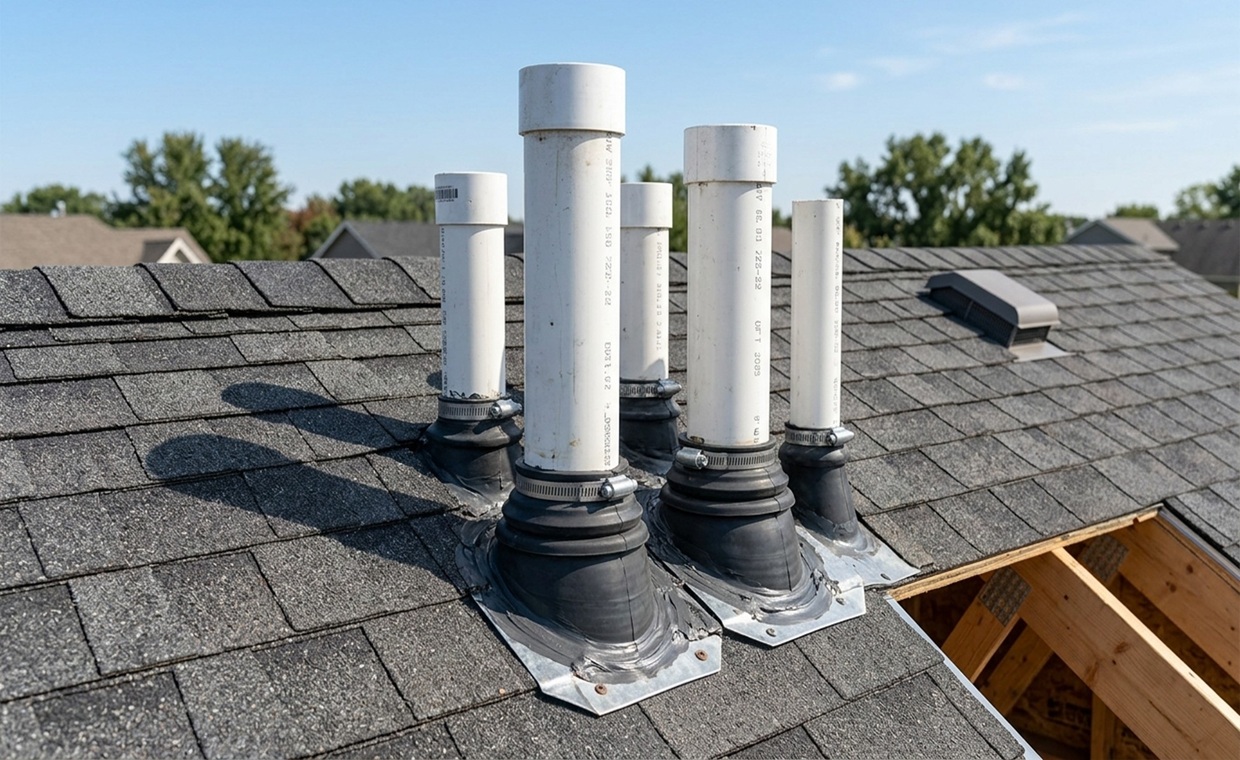
A plumbing vent regulates air pressure within the drainage system, supports the smooth flow of wastewater and allows sewer gases to escape outdoors.
2. How do I know if my plumbing vent is blocked?
Common signs include gurgling drains, slow drainage, persistent sewer odours and unusual changes in toilet bowl water levels. However, these symptoms can also indicate other plumbing problems.
3. Can a house function without plumbing vents?
A properly designed drainage system generally requires an approved venting arrangement. Without adequate venting, drainage may become unreliable, and water seals in plumbing traps may be disturbed.
4. Where are plumbing vent pipes usually located?
Plumbing vent pipes commonly run through walls or roof spaces and terminate above the roof. Their exact arrangement depends on the building’s plumbing design and applicable regulations.
5. Should plumbing vents be checked during home renovations?
Yes. Moving sinks, adding bathrooms or relocating washing machines can affect drainage and venting requirements. A qualified plumber can assess the layout and ensure the system meets applicable plumbing regulations.
Author & Expert Review
Written By:  Gaurav Mishra | Civil Engineer & Content Writer

| Credentials: B.E. (Mahavir Swami College, Surat), Registered with Bhagwan Mahavir University (BMU). Experience: Civil Engineer with 5+ years of content writing experience, currently writing impactful articles for Gharpedia, part of SDCPL. Expertise: Specializes in writing well-researched content on residential construction, construction materials, design planning, on-site practices, and safety, blending technical accuracy with everyday clarity. Find him on: LinkedIn |
Verified By Expert: Farhan Shaikh – Senior Manager – Architect, SDCPL | Associate Member – IIA

This article has been reviewed for architectural and interior design accuracy by Farhan Shaikh, Senior Manager – Architect at Sthapati Designers & Consultants Pvt. Ltd. As the lead for all architectural and interior projects at SDCPL and an Associate Member of the Indian Institute of Architects (IIA), he brings hands-on experience in architectural planning, interior design, project coordination, and sustainable strategies. His review ensures the content reflects practical design considerations, industry best practices, and real-world applicability across both architecture and interior spaces.
Find him on : LinkedIn