






Table of Contents
Quick Summary
- Roof replacement is a major home improvement investment that requires careful planning, budgeting, and understanding of multiple cost factors.
- The type of roofing material is one of the biggest cost determinants, with options such as asphalt shingles, metal roofing, tile, and slate varying greatly in price.
- Homeowners should choose roofing materials based on durability, appearance, maintenance needs, and local weather conditions.
- The size of the roof directly affects the total cost because larger roofs require more materials and additional labor.
- Roofs with complex designs, multiple slopes, chimneys, skylights, or unusual architectural features often increase installation costs.
- The condition of the roof decking and underlayment plays a major role in pricing, as damaged underlying structures may require repairs before installation.
- Labor costs make up a significant portion of roof replacement expenses and vary depending on contractor expertise, experience, and project difficulty.
- Geographic location impacts pricing, as labor rates, transportation costs, and local building requirements differ from region to region.
- The roof pitch or slope affects installation complexity; steeper roofs often require additional safety equipment and specialized labor, increasing costs.
- Accessibility of the property can impact transportation of roofing materials and equipment, which may raise labor expenses.
- Homeowners must account for building permits and local regulations, as permit fees vary depending on local authorities and compliance requirements.
- Adding extra upgrades such as skylights, roof ventilation systems, insulation improvements, or energy-efficient roofing materials increases the total project cost.
- A professional roof inspection helps identify hidden issues and allows homeowners to budget more accurately before starting the project.
- Understanding all cost factors helps homeowners make better financial decisions and avoid unexpected expenses during roof replacement.
Courtesy - Magnific
Roof replacement is a significant investment that homeowners may face during the lifespan of their property. Understanding the various cost factors associated with this undertaking is crucial for effective budgeting and decision-making. In this guide, we’ll delve into the key considerations that influence the cost of roof replacement. For professional assistance and information on emergency roof replacement Grand Rapids, visit this agency.
Roofing Material Selection
Courtesy - Magnific
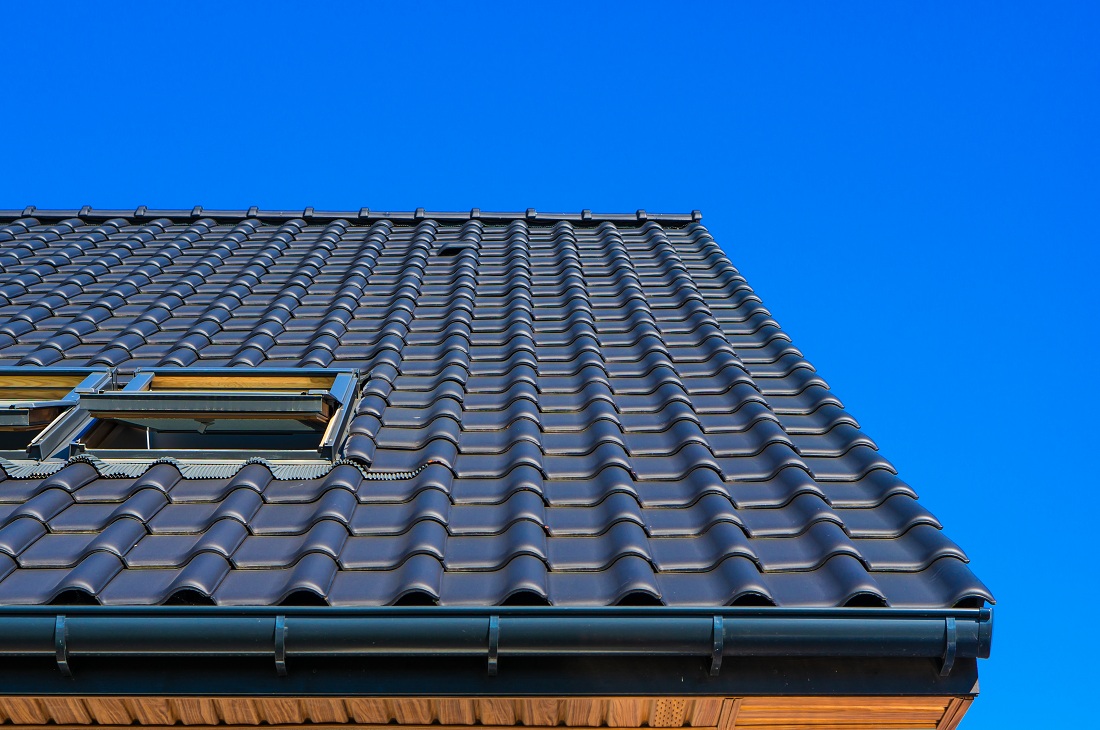
The type of roofing material you choose can have a significant impact on the total cost of replacing your roof. Options such as asphalt shingles, metal, tile, and slate come with varying price points. When choosing the right material, homeowners should consider factors such as durability, appearance, and the local climate to ensure it is suitable for their roof replacement project.
Roof Size and Complexity
Courtesy - Magnific
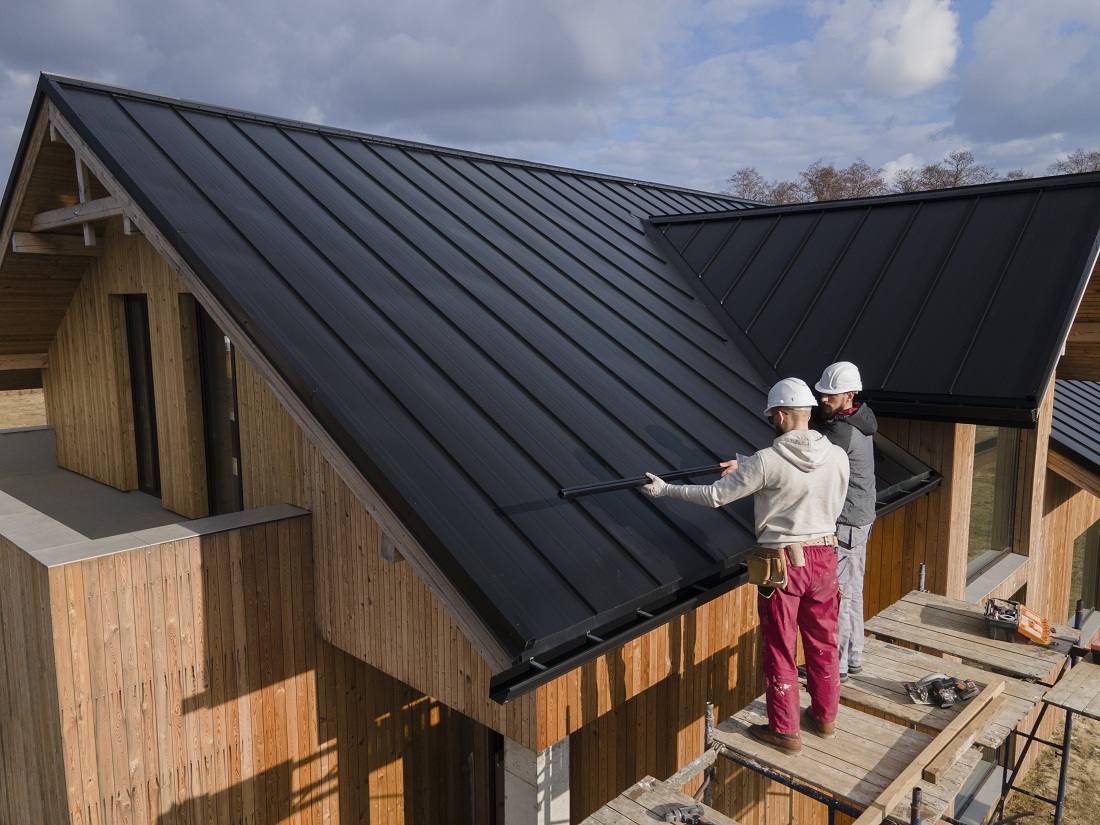
The size and complexity of the roof directly impact the cost of replacement. Larger roofs naturally require more materials and labour, increasing overall costs. Roofs with intricate designs, multiple angles, and features like skylights or chimneys may require specialized installation and incur additional expenses.
Underlayment and Decking
Courtesy - Magnific
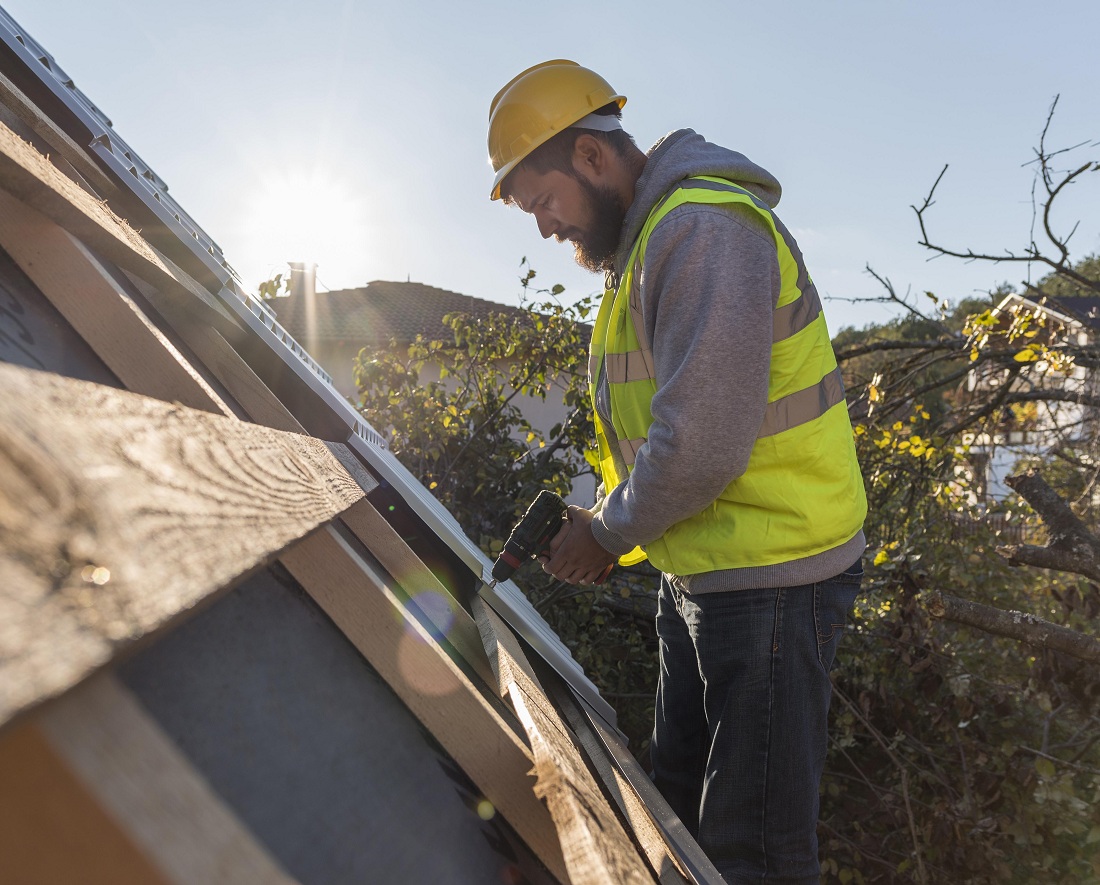
The condition of the roof’s underlying components, such as the decking and underlayment, can also affect the total replacement cost. If the decking is damaged or the underlayment has deteriorated and needs to be replaced, additional work and materials will increase the overall expense. Therefore, a professional roof inspection is important to identify the condition of these essential components before the replacement work begins.
Labour Costs and Location
Courtesy - Magnific
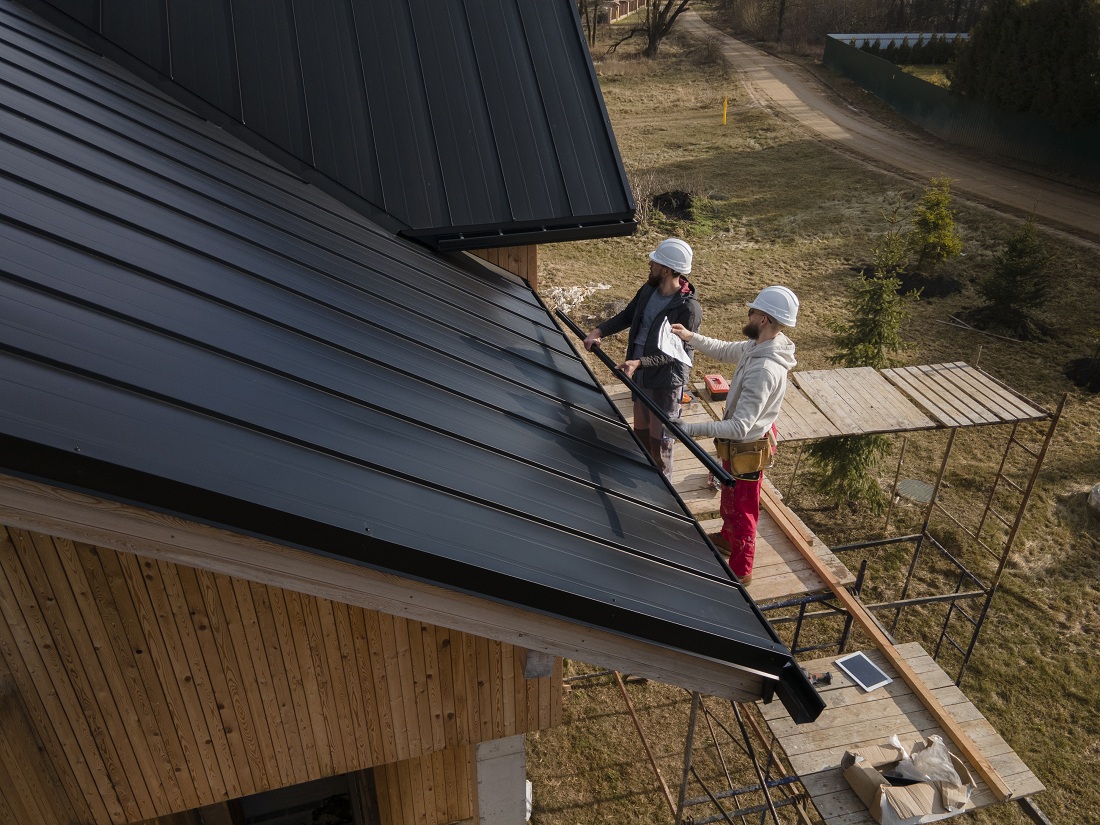
Labour is another major factor that contributes to the overall cost of roof replacement. The contractor’s level of skill and experience, along with the location of the property, can affect labour charges. Local wage rates, the ease of accessing the property, and the building regulations applicable in the area may also influence the total project cost.
Roof Pitch and Accessibility
Courtesy - Magnific
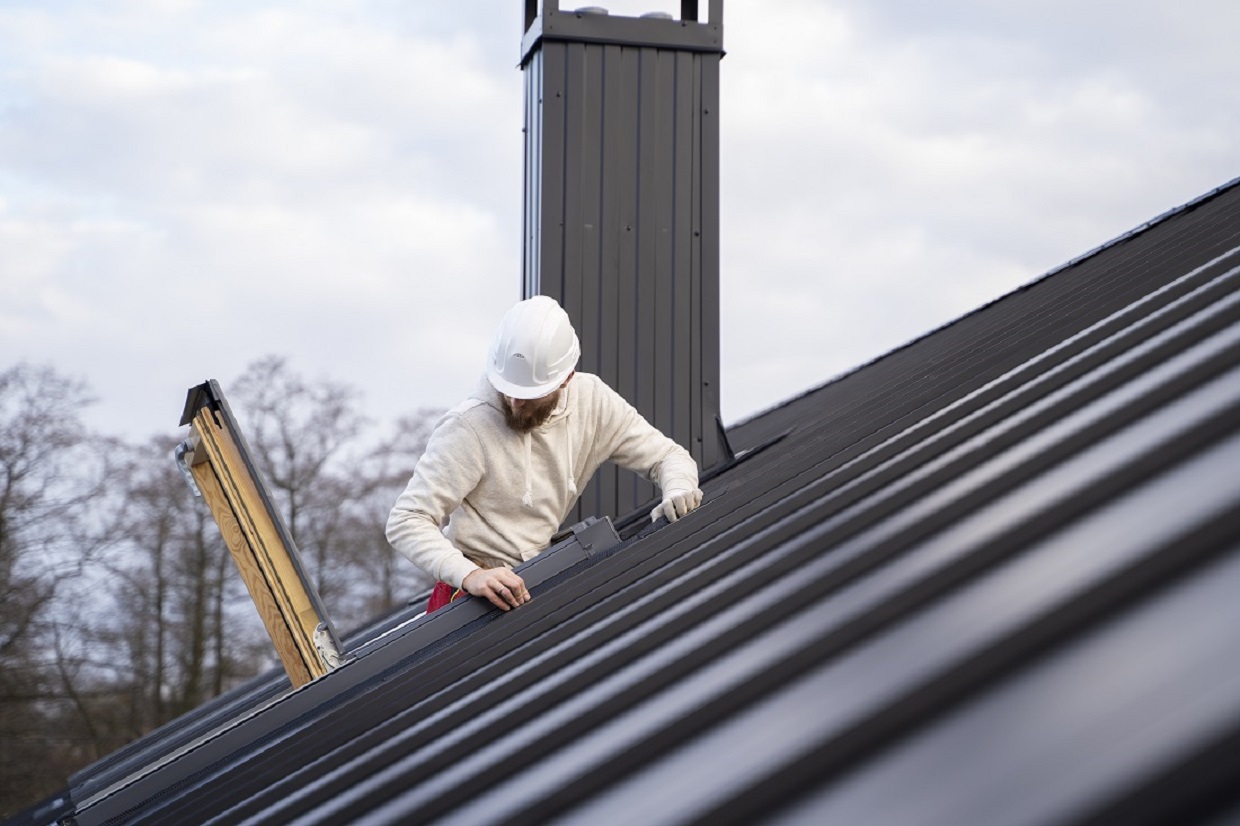
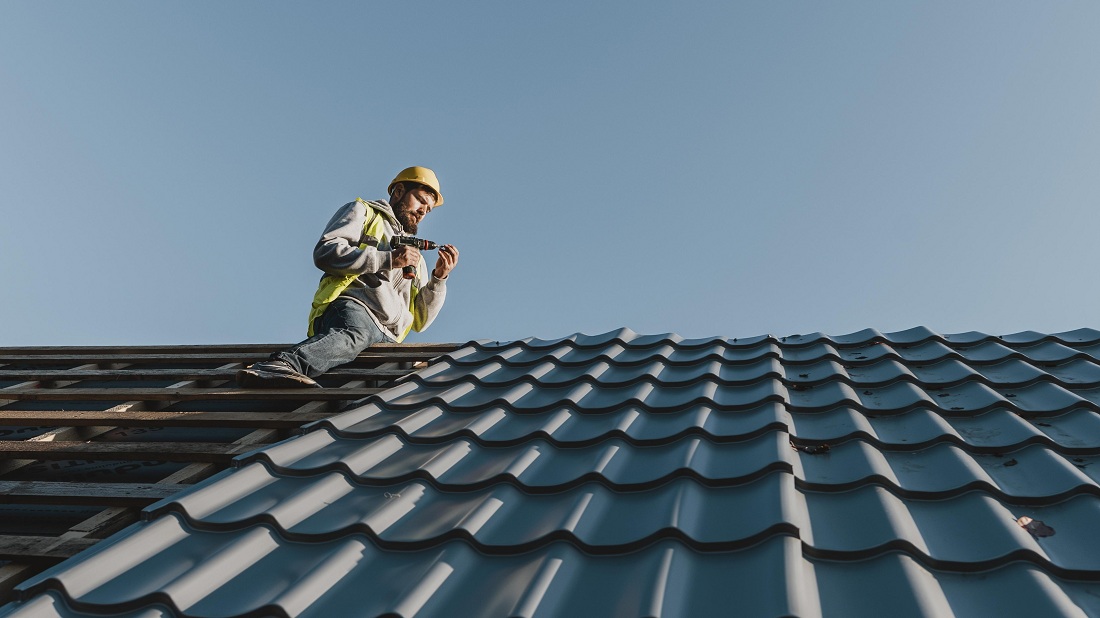
The pitch or slope of a roof can significantly influence the complexity of the installation. Steeply sloped roofs often require additional safety precautions and experienced workers, which can increase labour costs. Property accessibility is another factor to consider, as difficult access can make it more challenging to transport roofing materials and equipment to the site, potentially increasing overall labour expenses.
Roofing Permits and Regulations

Courtesy - Magnific
Obtaining necessary permits and adhering to local building regulations are essential for roof replacement. The costs associated with permits and ensuring compliance with regulations may vary based on the location and the specific requirements of the local authorities.
Additional Features and Upgrades
Adding extra features or upgrades as part of a roof replacement can increase the overall project cost. Options such as skylights, improved ventilation systems, and energy-efficient roofing materials can enhance the roof’s performance and functionality. However, homeowners should account for the cost of these additions when planning their overall roofing budget.
Conclusion
Roof replacement is a substantial investment that requires careful consideration of various factors. Homeowners can make informed decisions and plan effectively for this significant undertaking by understanding the key elements that influence the cost. For information on emergency roof replacement and professional assistance, visit Emergency roof replacement. With a clear understanding of the cost factors involved, homeowners can embark on the journey of roof replacement with confidence and financial preparedness.
Also, check out these interesting articles related to Roofs.
Roofing & Insurance Supplements and Tools to Finish the Job
Roof replacement vs Roof repair
FAQs on Understanding Cost Factors of Roof Replacement
1. What factors affect the cost of roof replacement?
The main factors include roofing material type, roof size, roof complexity, labor costs, location, roof pitch, structural repairs, permits, and any additional upgrades such as skylights or ventilation systems.
2. Which roofing material is the most affordable for roof replacement?
Asphalt shingles are generally the most affordable roofing option and are widely used due to their low cost, ease of installation, and decent durability. Premium materials like metal, tile, and slate are more expensive but typically last longer.
3. How do I know if my roof needs replacement instead of repair?
Signs that may indicate roof replacement include frequent leaks, missing or damaged shingles, sagging roof structure, visible water damage, mold growth, poor insulation performance, and an aging roof nearing the end of its lifespan.
4. How long does a roof replacement usually take?
Most residential roof replacement projects take 1 to 5 days, depending on the roof size, weather conditions, complexity of the structure, number of workers, and whether structural repairs are needed.
5. Do I need permits for roof replacement?
Yes, in many locations roof replacement requires building permits to ensure the work complies with local building codes and safety regulations. Permit requirements and costs vary depending on the area and local government rules.
Courtesy - Featured Image(Magnific)
Author & Expert Review
Written By:  Gaurav Mishra | Civil Engineer & Content Writer

| Credentials: B.E. (Mahavir Swami College, Surat), Registered with Bhagwan Mahavir University (BMU). Experience: Civil Engineer with 5+ years of content writing experience, currently writing impactful articles for Gharpedia, part of SDCPL. Expertise: Specializes in writing well-researched content on residential construction, construction materials, design planning, on-site practices, and safety, blending technical accuracy with everyday clarity. Find him on: LinkedIn |
Verified By Expert:  Avni Desai | Environmental Engineer, SDCPL | M.E. (Environmental Engineering)
 Avni Desai | Environmental Engineer, SDCPL | M.E. (Environmental Engineering)
This article has been reviewed for environmental, MEP, and building services accuracy by Avni Desai, an Environmental Engineer at Sthapati Designers & Consultants Pvt. Ltd. (SDCPL). With over 8 years of experience in water supply, wastewater management, infrastructure design, and building services, she brings practical expertise in MEP services, sustainable solutions, design planning, and on-site practices. Her professional services include planning and design of water supply systems, sewage and wastewater treatment systems (STP/WTP), drainage, rainwater harvesting, and other sustainable building services. Her review ensures the content aligns with environmental standards, efficient services planning, and real-world applicability.
Find her on : LinkedIn