








Table of Contents
Quick Summary
- Start with simple checks that can prevent costly home repairs later.
- Learn why roofs, gutters and drainage need regular attention.
- Find out how to identify plumbing leaks, dampness and early mould growth.
- Keep heating, cooling, windows and doors working efficiently with routine care.
- Recognise warning signs around walls, ceilings, foundations and electrical systems.
- Follow practical ways to maintain exterior surfaces, paths, patios and outdoor fittings.
- Use a seasonal maintenance schedule to spread household tasks throughout the year.
- Keep records of inspections and repairs so recurring problems are easier to identify.
Courtesy - Magnific
Rain, sunshine, damp and busy family life all chip away at a building, and even sturdy materials age. A dripping tap ignored for months can end in a swollen cabinet and a plumber’s bill nobody budgeted for. A steady routine lets owners spot trouble early, keep the place safe and comfortable, and protect its value. It’s rarely glamorous work, but it pays for itself.
1. Inspect the Roof Regularly

Courtesy - Magnific
The roof takes the hardest beating of any part of the house. Over the years, tiles slip and seals perish. A missing shingle, a cracked tile, a clogged roof drain or tired flashing round the chimney can let water creep in unnoticed. Small gaps rarely stay small.
Twice a year is a sensible minimum for a proper look, with an extra check after any big storm. A brown ring on the bedroom ceiling often tells the story first. Fixing a loose tile in April costs far less than replacing soggy plasterboard in November.
2. Keep Gutters and Downspouts Clean
Gutters do a quiet but vital job. They catch rain running off the roof and steer it clear of the walls and foundations. Once autumn leaves, moss and grit pile up, the water spills over the edge instead.
That overflow does real harm over time. It can leave the basement damp, wear away the foundations and stain the outside walls. Clearing the gutters a few times a year keeps water moving where it belongs. Ideally, each downspout empties a few feet from the house. It’s a muddy job, but nobody regrets doing it.
3. Check Plumbing Fixtures and Pipes

Courtesy - Magnific
Leaks are among the most common household headaches. Many do their damage out of sight. A slow drip under the bathroom sink or a damp patch beside the water heater nudges the bill up month after month, and mould soon settles in.
A quick tour of exposed pipes, taps, showerheads and plugholes goes a long way. A basin that empties slowly, a tap dripping through the night or a pipe that knocks and groans can all hint at trouble. Sorting a small leak straight away saves water and spares cupboards, floors and walls. A twenty-minute fix beats a ruined kitchen floor.
4. Maintain Heating and Cooling Systems

Courtesy - Magnific
Few things matter more to everyday comfort than heating and cooling. Dust, choked filters and years of neglect slowly drag down their performance, often showing up as a chilly back bedroom.
Filters need a regular check and a fresh replacement on the manufacturer’s schedule. The outdoor unit works best when it isn’t buried under leaves or a bicycle propped against it. A yearly visit from a technician can catch worn parts before the boiler quits on the coldest morning of the year.
Looked after properly, an HVAC system moves air freely, wastes less energy and holds the temperature steady. It also tends to last longer.
5. Examine Walls, Ceilings, and Foundations
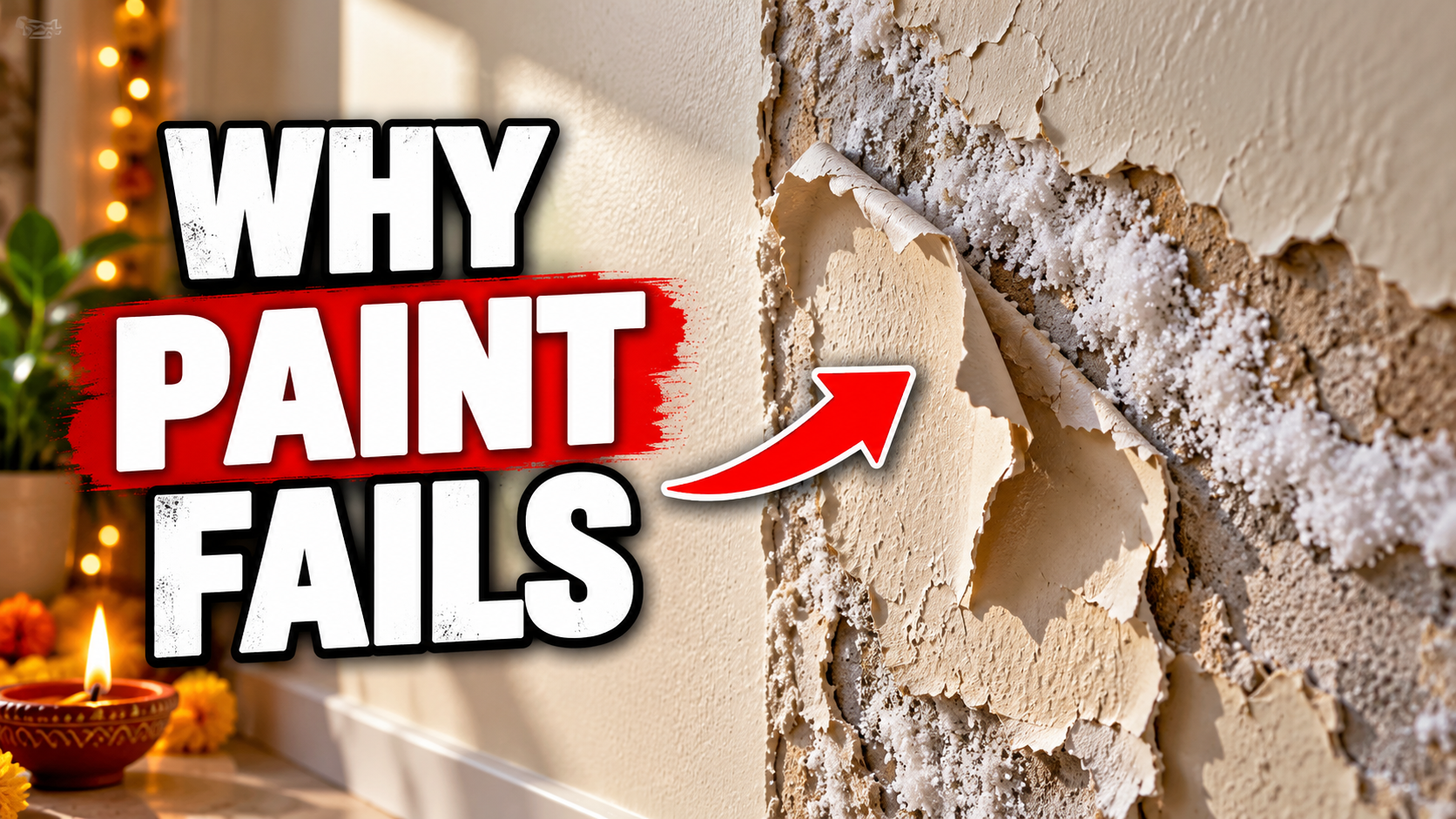
These parts of the house hold everything else up. Hairline cracks, flaking paint, damp spots and bulging surfaces can point to hidden moisture or a building that is slowly shifting. A crack creeping above a doorframe is a classic early warning.
Plenty of cracks are harmless, mind. What matters is whether one grows longer, wider or changes direction, and a pencil mark at each end makes that easy to track. Widening cracks, doors that suddenly stick and sloping floors are worth showing to a professional.
A look round every so often catches problems before they spread. Early action almost always means a smaller job.
6. Maintain Windows and Doors

Courtesy - Magnific
Windows and doors do more than let light and people in. They keep the house secure and the weather out. Once seals wear, hinges loosen, glass cracks or frames rot, draughts and damp find a way in.
Weatherstripping and the caulk round windows and outside doors deserve a careful look each year. Fresh seals make rooms cosier and stop heating money drifting outdoors. It’s one of the cheapest upgrades around.
Locks, handles, hinges and window catches need the odd check too, so everything opens smoothly and fastens securely. A sticking lock on a rainy evening tests anyone’s patience.
7. Pay Attention to Electrical Safety
Electrics are one area where neglect can turn dangerous. Worn wiring and overworked circuits can lead to shocks or even fires. Warning signs include flickering lights, a breaker that keeps tripping, a warm socket or a faint smell of burning.
When something seems wrong, a qualified electrician is the right person to check the panel and wiring. Simple habits help too, such as not running a heater, kettle and toaster off one power strip, and binning any frayed cord. Small precautions keep a family safer.
Electrical work is never a job for guesswork. Without proper training, leaving it alone is the only sensible choice.
8. Prevent Moisture and Mold Growth
Courtesy - Magnific
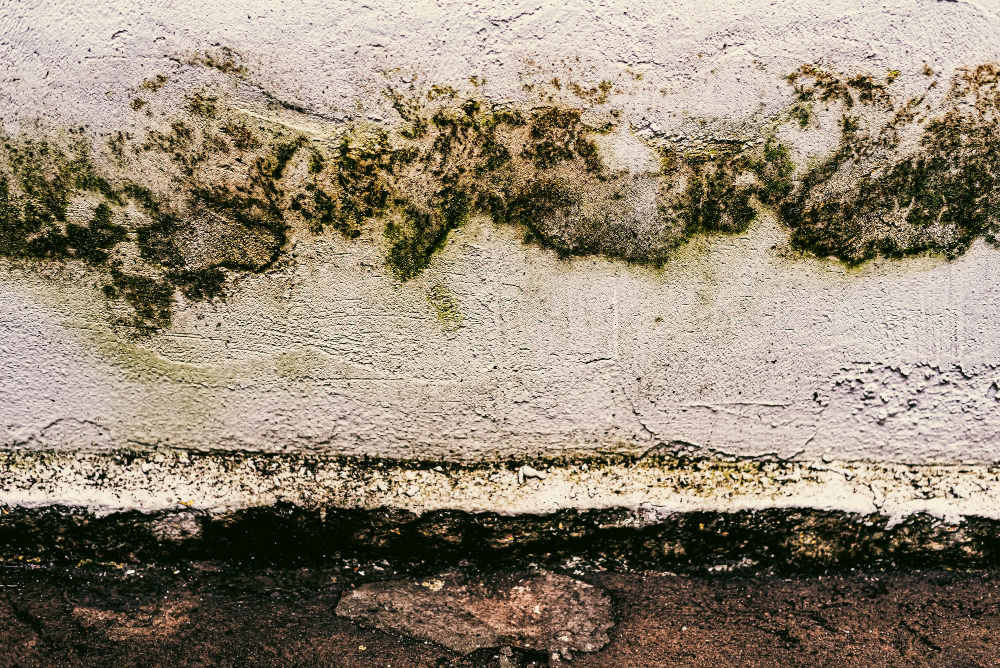
Damp is a slow but stubborn enemy. It makes the air feel stale and gradually weakens timber, plaster and paint. Bathrooms, kitchens, basements and laundry rooms suffer most. A mirror that stays fogged long after a shower is a telling sign.
An extractor fan, a fixed leak and a bit more fresh air all keep humidity in check. Behind the sofa, under the sink and along the sills are favourite hiding spots for mould. A torch and five minutes reveal a lot.
A patch that keeps coming back damp needs its cause tracked down. Painting over it only hides the trouble for a while.
9. Maintain Exterior Surfaces
The outside of a house faces the weather every day. Walls, driveways, paths, patios and decks collect grime, green algae, mildew and leaves, which make them look tired and speed up wear. A smart patio can become a slippery hazard by midwinter.
A good clean now and then keeps these surfaces in shape and makes cracks, loose slabs and pooling water easier to spot. The method has to suit the material, since a pressure washer that’s fine on concrete can strip soft timber or old mortar. Gentle is usually safer.
Plenty of owners now keep photos of their homes to track upkeep over the years. For example, an image upscaler can improve the clarity of low-resolution images, making details in property photographs easier to examine and share. Sharper pictures help when setting this year’s photo of a cracked step beside last year’s.
Fences, gates, siding and outdoor lights belong in the same routine. A wobbly gatepost rarely fixes itself.
10. Create a Seasonal Maintenance Schedule

Courtesy - Magnific
A simple calendar takes a lot of the stress out of upkeep. Rather than waiting for the boiler to fail, owners can spread checks and cleaning across the year, so no single weekend gets swallowed by chores.
Spring is a good time to look over the roof, gutters and outside walls once winter has done its worst. Summer suits the shed, fences and air conditioning. Autumn is ideal for clearing leaves from drains and readying the house for the cold. Winter turns attention to stopping pipes freezing, watching the heating and keeping damp at bay.
A notebook logging every inspection, repair and service visit is worth its weight in gold. It shows at a glance which problems keep returning.
Conclusion
Regular upkeep is the surest way to protect a home’s structure, keep everyone inside safe and make daily life more comfortable. Basic jobs like checking the roof, clearing gutters, looking over the plumbing, servicing the HVAC system and keeping damp in check head off a long list of everyday problems.
Staying a step ahead means noticing early signs and dealing with them while they’re small and cheap. With a seasonal plan and a willingness to call in a professional when a job goes beyond basic skills, homeowners can keep their properties sound for many years. A house that’s cared for tends to look after its owners in return.
Also Read: Which Floor-Care Method Is Right for Each Surface?
FAQs – Home Maintenance Tips
1. How often should a homeowner inspect their property?
A general home inspection should be carried out regularly throughout the year, with additional checks after heavy rain, storms or extreme weather.
2. What home maintenance tasks should be done every year?
Important annual tasks include checking the roof, gutters, plumbing, electrical systems, windows, doors, exterior surfaces and heating or cooling equipment.
3. How can homeowners prevent damp and mould?
Fix leaks promptly, improve ventilation, use extractor fans in humid areas and regularly check bathrooms, kitchens, basements and areas behind furniture for moisture.
4. When should a homeowner call a professional?
Professional help is advisable when you notice serious electrical faults, widening structural cracks, persistent leaks, major damp problems or issues with heating and cooling equipment.
5. Is a seasonal home maintenance schedule useful?
Yes. Dividing maintenance tasks across spring, summer, autumn and winter makes upkeep easier to manage and helps homeowners identify problems before they become expensive repairs.
Featured Image Courtesy - Magnific
Author & Expert Review
Written By:  Gaurav Mishra | Civil Engineer & Content Writer

| Credentials: B.E. (Mahavir Swami College, Surat), Registered with Bhagwan Mahavir University (BMU). Experience: Civil Engineer with 5+ years of content writing experience, currently writing impactful articles for Gharpedia, part of SDCPL. Expertise: Specializes in writing well-researched content on residential construction, construction materials, design planning, on-site practices, and safety, blending technical accuracy with everyday clarity. Find him on: LinkedIn |
Verified By Expert: Farhan Shaikh – Senior Manager – Architect, SDCPL | Associate Member – IIA

This article has been reviewed for architectural and interior design accuracy by Farhan Shaikh, Senior Manager – Architect at Sthapati Designers & Consultants Pvt. Ltd. As the lead for all architectural and interior projects at SDCPL and an Associate Member of the Indian Institute of Architects (IIA), he brings hands-on experience in architectural planning, interior design, project coordination, and sustainable strategies. His review ensures the content reflects practical design considerations, industry best practices, and real-world applicability across both architecture and interior spaces.
Find him on : LinkedIn