




Table of Contents
Quick Summary
- When a furnace shuts down during sub-zero temperatures, freezing pipes and dropping indoor temperatures create an immediate household hazard that requires fast action.
- Gas smells, smoke, or a carbon monoxide alarm demand immediate evacuation outside before calling 911 or your utility provider.
- Complete heat loss during extreme cold warrants an urgent service call, but homeowners should first perform simple checks like inspecting thermostats, power switches, and exterior PVC vents.
- Unusual equipment trouble such as grinding noises, rapid cold spots, or repeated system shutdowns should be reported clearly to HVAC professionals rather than guessing the failed component.
- Preparing for winter heating emergencies involves keeping pathways clear of snow, avoiding unsafe improvised heating methods, and having contractor numbers saved before cold snaps hit.
Courtesy - Magnific
A furnace shutdown during a Minnesota cold snap can quickly turn a cozy house into an immediate hazard. Wind-driven snow can block exterior furnace vents, while falling indoor temperatures threaten pipes near basement water-entry points and exterior walls. Knowing whether to make simple checks, call for urgent service, or evacuate immediately can protect your household from sub-zero temperatures and help prevent frozen pipes.
This guide provides a direct action plan for those critical first minutes, covering high-risk warning signs, safe surface troubleshooting, and practical steps to protect your home until professional help arrives.
Heating Emergencies That Require Evacuation
Courtesy - Magnific
A gas smell, smoke, or a carbon monoxide alarm means it’s time to leave, not check the furnace. Get everyone outside immediately, bringing pets only if you can do so safely without delaying your exit. Leave belongings behind and wait until you’re safely outside to use your phone.
According to the Consumer Product Safety Commission, occupants should leave immediately when a CO alarm sounds and call 911 from outside. Carbon monoxide is odorless, so the absence of a strange smell does not mean it is safe.
Suspect a gas leak? Do not touch switches or electronics indoors. Evacuate immediately and call your gas provider, including CenterPoint Energy, Xcel Energy, or your local municipal utility, from outside. For smoke, fire, or immediate danger, call 911 and remain outside until cleared to re-enter.
When Minnesota Heat Loss Cannot Wait
Complete heat loss during sub-zero weather warrants an urgent service call. Falling indoor temperatures make waiting riskier, especially for infants, older adults, or people with health conditions. Before calling, make only simple checks that require no tools or equipment disassembly.
Useful checks include:
- Thermostat & Power: Set to heat, with fresh batteries, and turn the furnace switch ON.
- Exterior PVC Vents: Clear snow, ice, or frost from sidewall intake/exhaust pipes to prevent safety lockouts on 90%+ AFUE furnaces.
- Fuel Supply: Confirm main gas valves are open or check outdoor LP tank levels for rural properties.
- Airflow: Verify return grilles and supply registers are open and unobstructed.
If basic surface checks fail to restore warmth, rapid freeze conditions make precise communication essential for technical dispatch. During sub-zero weather spikes, regional HVAC dispatch hubs must triage high call volumes and match specialized replacement parts, such as igniters, flame sensors, or control boards, to specific furnace models before sending trucks into dangerous road conditions.
Providing accurate diagnostic details, such as current indoor temperature, visible control board fault codes, and whether the system is short-cycling or completely silent, helps call centers route emergency crews efficiently. For instance, when booking professional heating services in Minnesota through established regional providers like Apollo, sharing these exact details allows dispatchers to pre-stage the correct diagnostic tools on the service vehicle, ensuring the responding technician arrives prepared for an immediate repair on the first run.
Ask about arrival time, and don’t assume your household can safely wait. Arrange somewhere warm to stay when temperatures drop continuously, and avoid repeatedly resetting a system that shuts itself down.
Warning Signs Beyond Complete Failure
Courtesy - Magnific
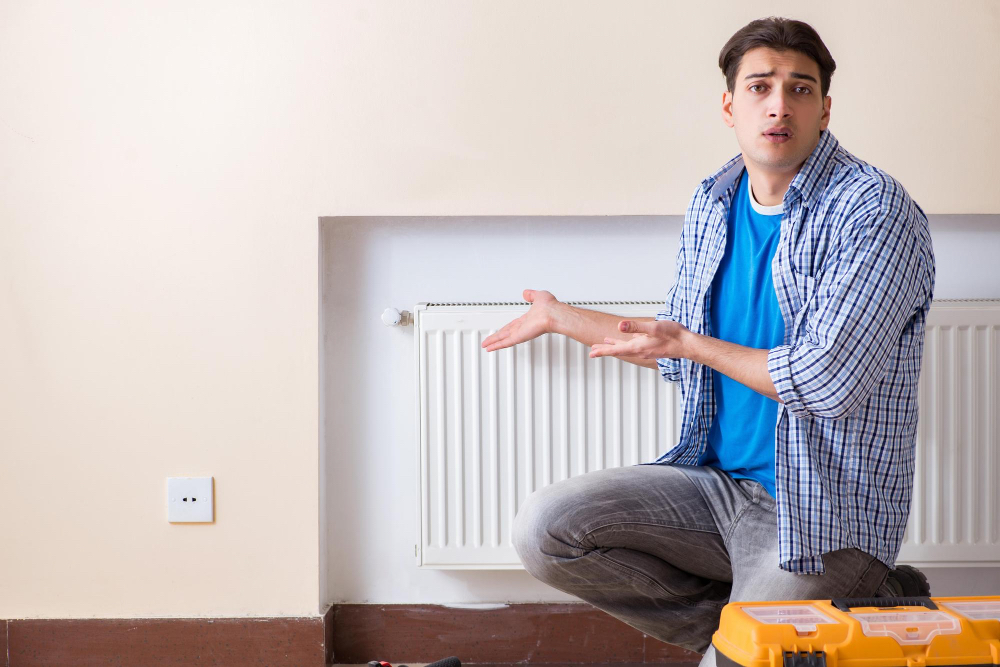
A running furnace does not always mean reliable heat. New noises or rapidly developing cold spots deserve attention, especially when they come with falling temperatures or repeated shutdowns. Describe the change rather than guessing which component has failed.
New Grinding or Banging
Grinding, screeching, or repeated banging can indicate equipment trouble. A technician needs to assess the cause because sound alone cannot confirm the problem. Avoid restarting equipment simply to reproduce a severe noise.
Stop using the system when unusual sounds accompany smoke, burning odors, or repeated shutdowns. Leave immediately if an alarm sounds or you suspect fire or leaking gas.
Sudden Cold Spots
One chilly bedroom may reflect an airflow issue rather than an emergency. Several rooms cooling quickly suggests a broader problem that needs prompt assessment. Check for blocked registers, but do not remove furnace panels or alter ductwork.
Tell the technician whether the problem affects one room, one floor, or the entire house. Mention any vulnerable plumbing near exterior walls or in unheated spaces.
In Minnesota homes with basement water meters, also pay attention to the area where the water service enters the house. A comfortable upstairs room does not establish that this colder plumbing area is protected from freezing.
Stay Warm Without Adding Fire Risk
Courtesy - Magnific
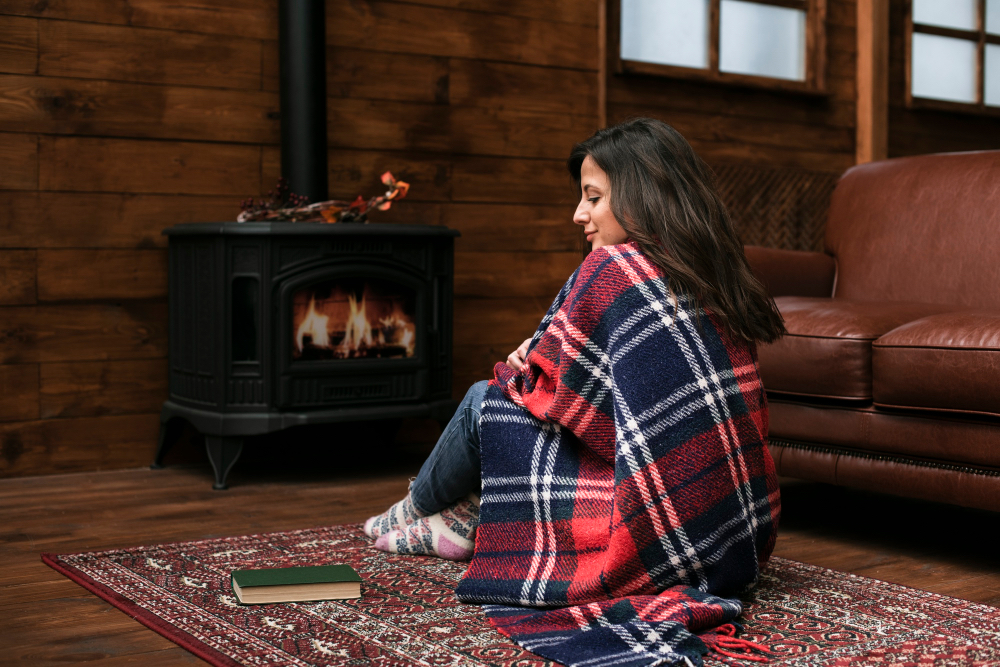
Temporary heat needs careful handling while repairs are pending. NFPA reports that 46% of home heating equipment fires occurred during December through February, based on annual averages for 2019 through 2023. An improvised heating setup can turn a repair delay into another emergency.
Never use an oven, grill, or outdoor fuel-burning appliance to warm the house. Plug portable electric heaters directly into wall outlets, keep combustibles at least three feet away, and turn heaters off before sleeping.
Wear dry layers and close curtains, but don’t block vents or exits. Keep furnace exhaust openings clear of snow when safely accessible, but never dismantle venting or climb onto an icy roof.
Help Your Technician Get Started Faster
Courtesy - Magnific
An emergency heating visit can stall before repairs begin if the technician cannot reach the equipment. Deep snowdrifts, storage bins, and icy walkways can make access harder than expected. While waiting, prepare the work area only if your home remains safe to occupy.
Focus on a few practical details:
- Clear snow and ice from the walkway and driveway leading to the entrance.
- Clear the path to the furnace of storage bins, heavy winter gear, and laundry.
- Pets secured safely away from the workspace.
Keep children away from the repair area and make sure someone can answer the door. For rental homes, notify the landlord or property manager so repair authorization does not become another delay.
Gather any available warranty paperwork or previous service records. Those documents can help the technician understand earlier repairs without relying on your memory.
Be Ready for Minnesota Winter Heating Emergencies
Minnesota’s drifting snow can block furnace vents even after snowfall ends, so keep accessible openings clear and recheck after strong winds. Know where plumbing is vulnerable to freezing, and choose a warm place your household can go if the heat fails.
Before the next cold snap, save your utility and heating contractor’s numbers. If you rely on propane, add your supplier’s emergency contact. For rural homes, plan for driveway access too, so an unplowed approach does not delay the help you need.
Also Read: Make Your Home Winter-Friendly With These Tips and Tricks
FAQs on Water Heating Emergencies Minnesota
01. What should I do immediately if my carbon monoxide alarm sounds?
Get everyone outside into fresh air immediately, leave your belongings behind, and call 911 from a safe location.
02. Can I use my oven or grill to warm my house during a heating failure?
No, you must never use an oven, grill, or outdoor fuel-burning appliance to heat your home because it poses severe safety and fire risks.
03. What simple checks can I do before calling for emergency heating services?
You can verify that your thermostat is set to heat with fresh batteries, check that the furnace switch is turned on, clear snow or ice from exterior PVC vents, and confirm that gas valves are open.
04. Why is it important to clear snow and ice before a technician arrives?
Deep snowdrifts, icy walkways, and blocked paths can delay the technician from reaching your equipment during critical winter heating emergencies.
05. How can I prevent frozen pipes when my home loses heat?
Monitor vulnerable plumbing areas near exterior walls and unheated spaces, pay attention to basement water meter areas, and arrange somewhere warm for your household to stay until repairs are complete.
Courtesy - Featured Image(Magnific)
Author & Expert Review
Written By:  Nidhi Patel | Civil Engineer & Content Writer

| Credentials: B.E. (Mahatma Gandhi Institute of Technical Education and Research Centre), Registered with Gujarat Technological University (GTU). Experience: Civil Engineer with 3+ years of content writing experience, currently writing blogs for Gharpedia, part of SDCPL. Expertise: Specializing in SEO-optimized blogs and long-form articles focused on home improvement, construction, interiors and architect topics. I create well-researched, reader-focused content that balances technical accuracy with clarity, making complex subjects easy to understand. Find her on: LinkedIn |
Verified By Expert: Farhan Shaikh – Senior Manager – Architect, SDCPL | Associate Member – IIA

This article has been reviewed for architectural and interior design accuracy by Farhan Shaikh, Senior Manager – Architect at Sthapati Designers & Consultants Pvt. Ltd. As the lead for all architectural and interior projects at SDCPL and an Associate Member of the Indian Institute of Architects (IIA), he brings hands-on experience in architectural planning, interior design, project coordination, and sustainable strategies. His review ensures the content reflects practical design considerations, industry best practices, and real-world applicability across both architecture and interior spaces.
Find him on : Linkedin