





Table of Contents
Quick Summary
- Construction firms often win projects away from home, needing reliable places for teams to sleep and rest during temporary builds.
- Contractor accommodation refers to furnished housing booked for tradespeople, prioritizing practicalities like parking and kitchens over scenic views.
- Most projects are temporary and require bringing in specialists who need a settled base to avoid tiredness and safety risks.
- Companies arrange stays through individual bookings, internal administrators, or specialist providers like Comfy Workers that source properties near sites.
- Accommodation types include hotels for short visits, serviced apartments for managers, shared houses for crews, and remote camps for infrastructure projects.
- Essential property checks involve testing commute traffic, ensuring van parking, providing individual bedrooms, and having functional kitchen and laundry facilities.
- Proper planning aligns housing capacity with build programme peaks and manages shift rotations to keep projects running smoothly.
Courtesy - Magnific
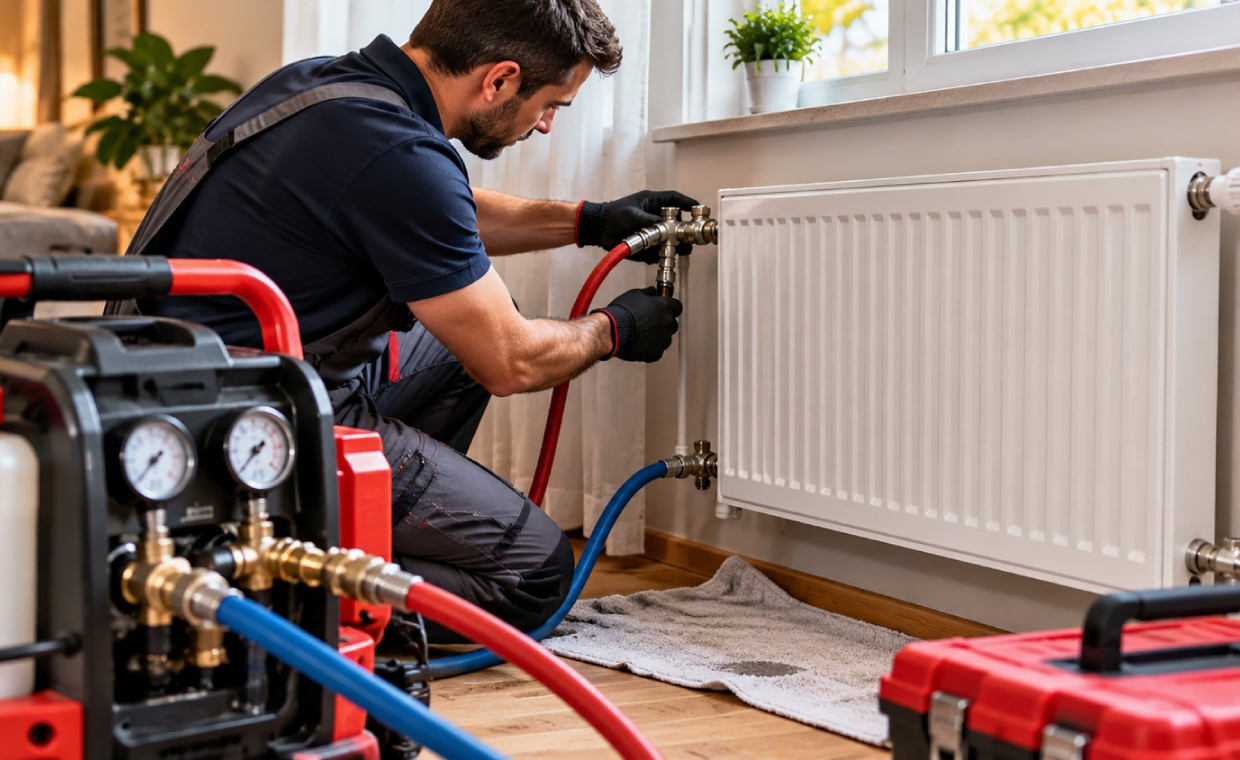
Construction work rarely stays in one place. A firm based in one city may win a job at the other end of the country. A specialist crew may follow a programme from site to site, and a maintenance team may spend months on a single shutdown far from home. Each of those situations raises the same practical question of where everyone will sleep.
Contractor accommodation is the answer the industry has settled on. This guide explains what it is, how firms arrange it and what to look for in a property.
What is Contractor Accommodation?

Courtesy - Magnific
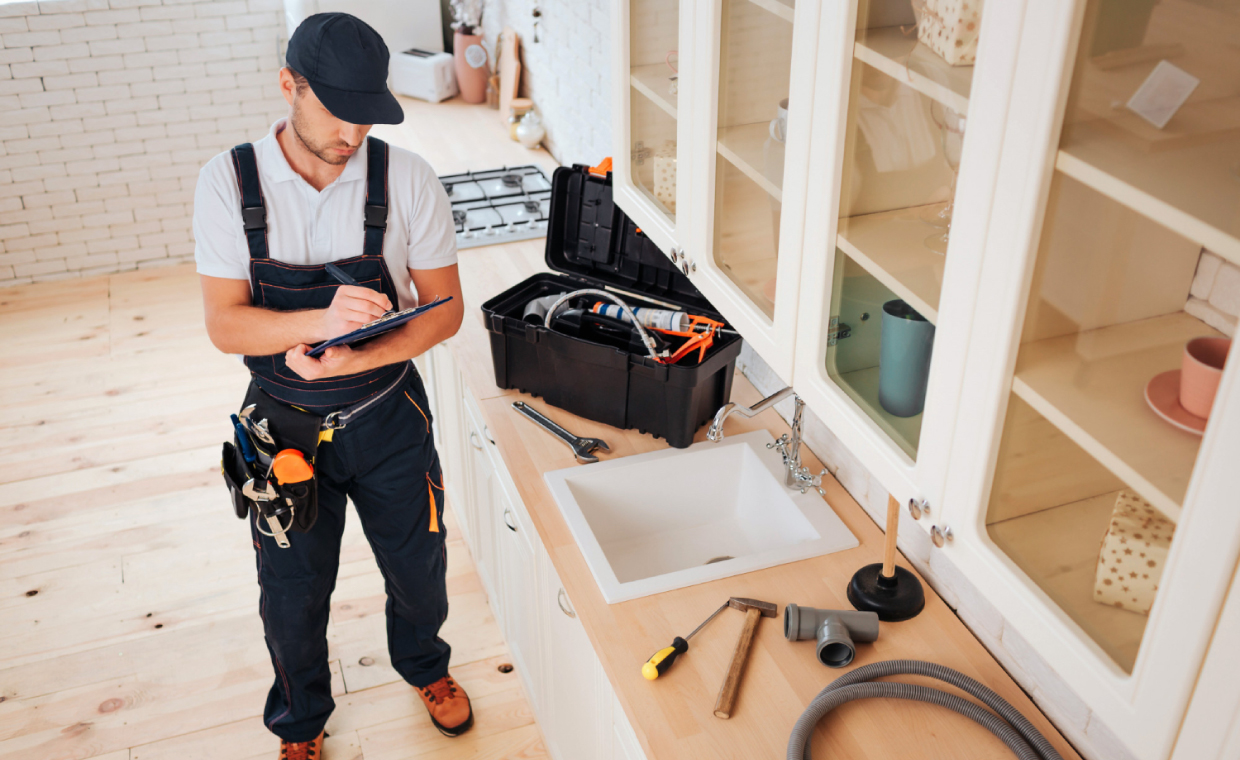
Contractor accommodation is furnished housing booked for construction workers and other trades who are working away from home. It covers everything from a single flat for a site manager to a large house shared by a whole crew.
What separates it from an ordinary holiday let or hotel booking is the purpose. It is arranged around a job, so location, parking, cooking facilities and flexible dates matter far more than a sea view or a spa. The stay may last a few nights or run for many months, and it often changes as the programme does.
Why Construction Firms Need It
Most construction projects are temporary and tied to one site. Firms cannot always recruit locally, especially for specialist work such as steel erection, M&E installation, piling or commissioning. Bringing in an experienced team is often the only way to get the job done to the right standard.
Those people need somewhere to stay that lets them rest properly. Many firms now turn to Comfy Workers for furnished homes near the site, so the team has a settled base from the start. Long shifts, early starts and physical work make good sleep and decent food essential. Poor accommodation shows up quickly as tiredness, safety risks and people leaving the job early.
Some firms leave it to individual workers, who book their own rooms and claim the cost back. That is simple, but it is hard to control and it often scatters the team across town. Others hand the job to an office manager or project administrator, who searches booking sites and rings landlords directly.
A growing number use a specialist provider. These providers source furnished properties close to the site, handle the bookings and act as a single point of contact when dates change. For firms running several projects at once, having one account and one set of payment requests can take a lot of pressure off the office.
The Main Types of Accommodation

Courtesy - Magnific
Hotels
Hotels are easy to book and suit short stays, site visits and individuals. Over longer periods they become less practical. There is usually no kitchen, parking for vans can be limited, and eating out every night soon becomes tiring.
Serviced Apartments
Serviced apartments usually offer a kitchen, living space and more room than a hotel, often with some housekeeping included. They work well for site managers, engineers and small groups who value privacy.
Shared Houses
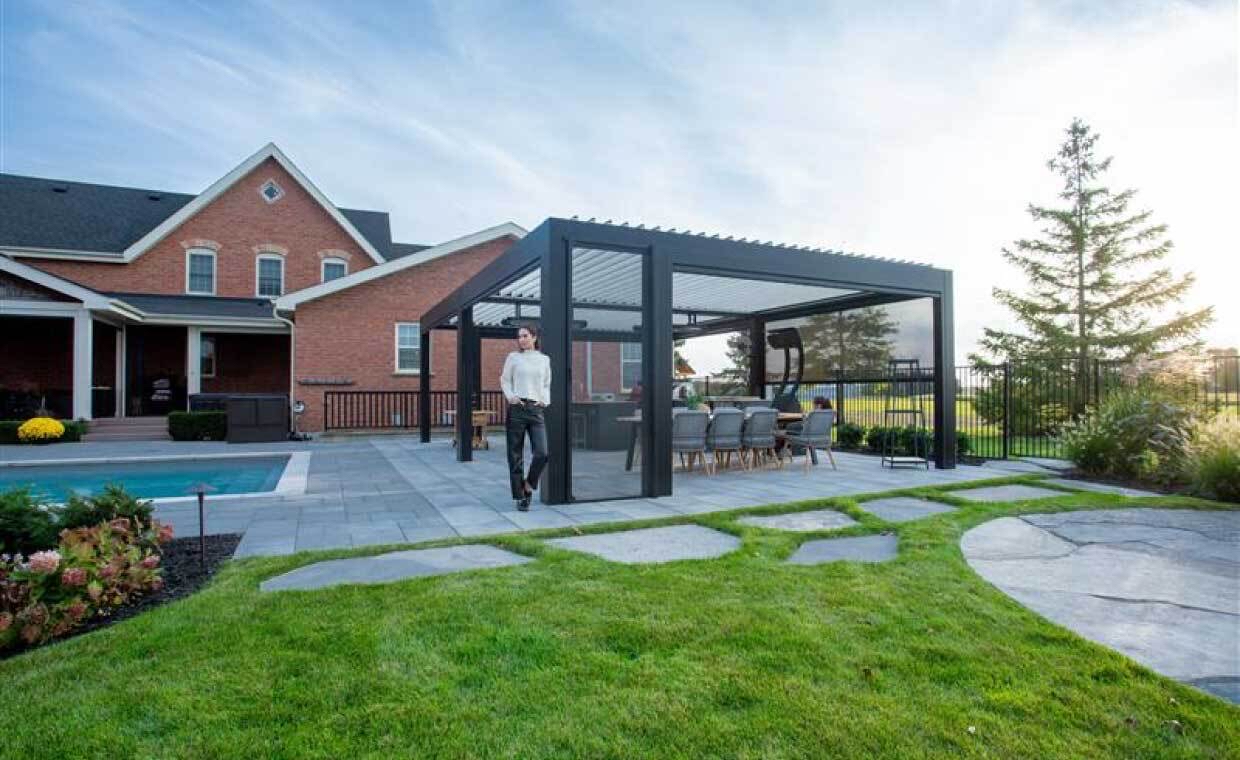
A furnished house is often a practical choice for a crew. Everyone usually has their own bedroom, but the team shares a kitchen, living room and laundry. Houses usually have off-street parking and space to store kit, and they keep the team together under one roof.
Site Cabins and Camps
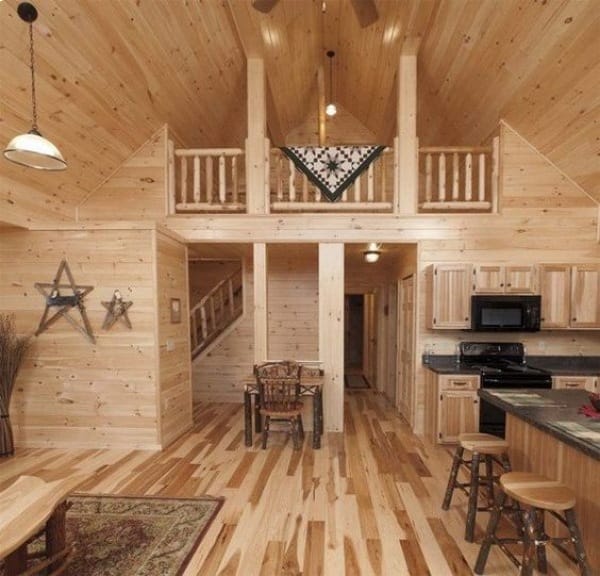
On very remote projects, such as some energy and infrastructure schemes, firms may set up temporary camps or cabins near the site. These are a specialist solution with their own planning, welfare and maintenance needs.
What To Look for In a Property
Whatever route you take, the same checks apply.
Location. Test the commute at the time people will actually drive it, not at midday. A slightly longer distance on a clear road can beat a short hop through a congested town centre.
Parking. Vans and trailers need space, and many town centre flats have none. Check whether parking is on site, on the street or not available at all.
Bedrooms and Bathrooms. Each worker should have their own room with a proper bed. Having enough bathrooms for early starts prevents a lot of friction.
Kitchen and Laundry. A working kitchen lets people cook, eat well and take a packed lunch to site. A washing machine matters when workwear gets filthy every day.
Flexibility. Programmes slip. Ask how extensions, early departures and weekday-only stays are handled before you commit.
Planning Around The Programme
Courtesy - Magnific
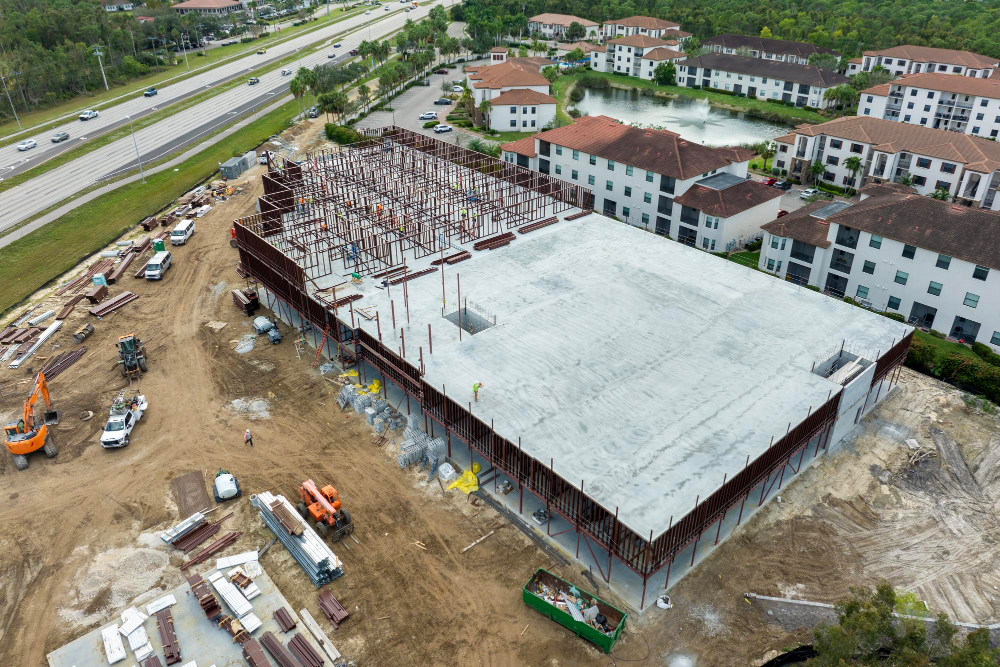
Good accommodation planning follows the build programme. Look at when each trade arrives, how long it stays and where the overlaps fall. Peaks, such as the period when finishing trades and services teams are all on site together, need more beds than the early groundworks phase.
Rotations matter too. Many crews work a weekly pattern and travel home at weekends. Booking weekdays only can avoid paying for empty nights, although some teams prefer to keep the same rooms all week so they can leave belongings in place.
Managing The Stay
Once people move in, a few simple habits help keep things running well. Give one person responsibility for the accommodation on each project. Share clear house rules about noise, smoking, guests and cleaning, particularly where night and day shifts share a property. Keep a record of who is staying where, which also helps with fire safety planning.
Check in with the team after the first week. Small problems, like a broken shower or a noisy neighbour, are far easier to sort out early than after a month of grumbling.
Records and Paperwork
Accommodation is a significant project cost, so agree from the start how you will record it. Allocate bookings to specific projects or cost codes, keep confirmations in one place and make sure payment requests reach the accounts team with the right job reference.
Some firms working on larger frameworks also need to show that workers were housed to a reasonable standard. Keeping notes on each property, including photos and safety certificates such as the gas safety record and electrical checks, makes that straightforward when a client asks.
A Small Decision with A Big Effect
It is easy to treat accommodation as an afterthought. Yet for a team working away, it is where they recover from long days, eat, sleep and spend most of their time off. Getting it right supports safety, keeps people on the job and helps the work stay on programme.
For construction firms, contractor accommodation is now a normal part of planning any job away from home. Give it the same attention as plant and materials, and the whole project tends to run more smoothly.
Also Read: How to Minimize Health Risks to Employees at a Construction Site
FAQs on Contractor Accommodation
1. What is contractor accommodation?
It is furnished housing booked specifically for construction workers and tradespeople working away from home, tailored around job requirements like location, parking, and cooking facilities rather than leisure amenities.
2. Why don’t construction workers just stay in standard hotels?
While hotels work for short stays, they become impractical over longer periods because they usually lack kitchens, have limited parking for vans, and eating out daily becomes tiring.
3. What are the main types of contractor housing used?
The main types include hotels for short visits, serviced apartments for engineers and managers, shared houses for full crews, and temporary site cabins or camps for remote infrastructure projects.
4. What key features should you look for in a contractor property?
Key checks include a practical commute distance, sufficient parking space for vans and trailers, individual bedrooms with proper beds, enough bathrooms, and a working kitchen with laundry facilities.
5. How do construction firms manage booking and logistics?
Firms either let workers book independently, assign an office administrator to arrange bookings, or partner with specialist providers who handle sourcing, bookings, and centralized billing across multiple projects.
Courtesy - Featured Image(Magnific)
Author & Expert Review
Written & Verified By :  Ravin Desai – Co Founder – Gharpedia | Co Founder – 1 MNT | Director – SDCPL

| Credentials: B.Tech. in Civil Engineering from VNIT Nagpur and M.S. in Civil Engineering from Clemson University, USA. Co-Founder of Gharpedia and Director at Sthapati Designers & Consultants Pvt. Ltd.. Experience: Civil engineering professional with over a decade of international and Indian experience in the construction and design consultancy sector, with expertise in technical review and industry practices. Expertise: Specializes in reviewing technical content related to civil engineering, construction, design consultancy, materials, and industry practices. He ensures content is technically accurate, aligned with industry standards, and reflects practical construction and design best practices. Find him on: LinkedIn |