





Table of Contents
Quick Summary
- This guide explains why shower remodel waterproofing is the most important step in preventing leaks and moisture damage.
- Covers the importance of proper floor slope and drain placement before waterproofing begins.
- Explains how to prepare the substrate for reliable membrane adhesion.
- Compares liquid and sheet waterproofing membranes and where each works best.
- Highlights critical waterproofing details around corners, curbs, niches, drains, and pipe penetrations.
- Discusses flood testing and ventilation to ensure long-term shower performance.
- Concludes with practical advice for creating a durable, watertight shower remodel.
Courtesy - magnific
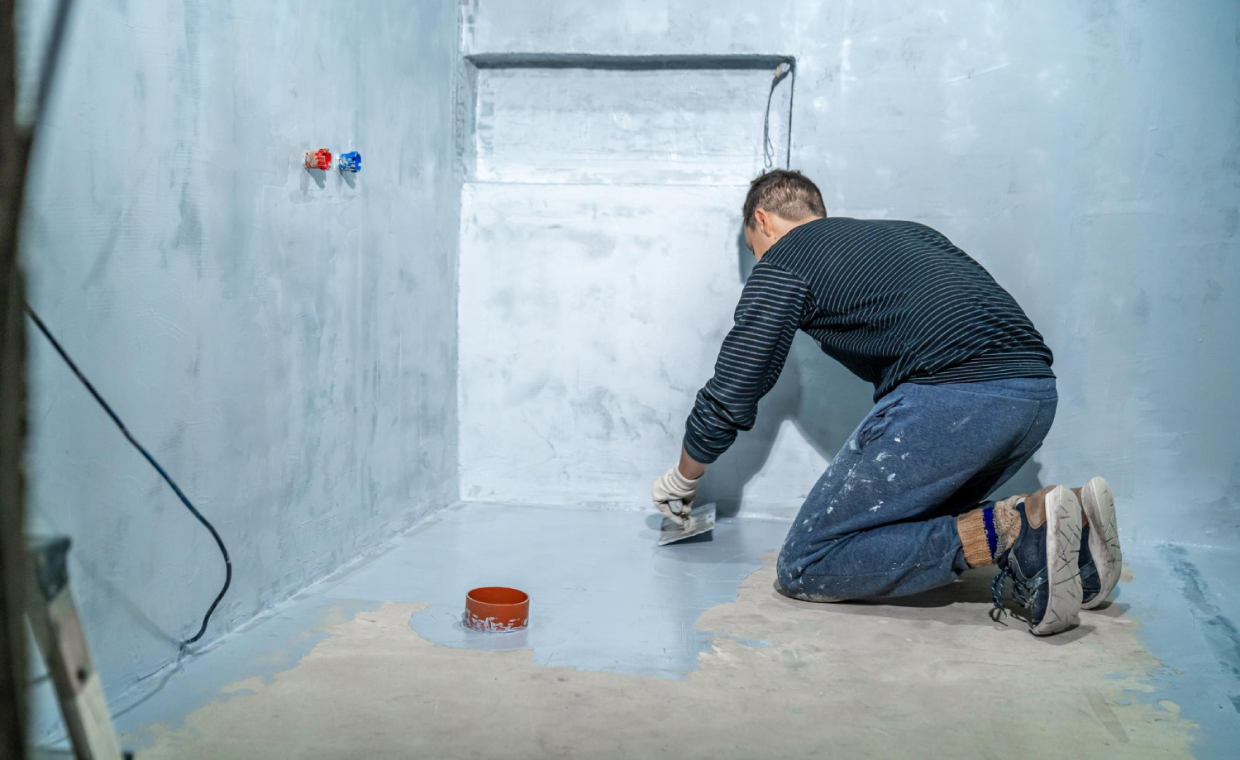
If a shower is not waterproofed correctly, then it will fail, either slowly behind the tile or suddenly at the ceiling below. Many homeowners assume tile and grout create a sealed surface; however, neither tile nor grout is designed to stop water long-term. A proper shower remodel depends on a complete, code-aware waterproofing system from framing to drain.
Why Waterproofing Matters in Every Shower Remodel
Water does not stay where you see it. It moves through grout joints, settles in mortar beds, and migrates toward the path of least resistance. Therefore, the waterproofing layer behind the tile is what protects the structure.
According to guidance from Flooring Clarity, a shower base should be built with a minimum slope of one quarter inch per foot toward the drain. If the slope is incorrect, then water will pool; if water pools, then mold and structural damage follow. Even a small framing error can translate into standing water after every shower.
Plan Layout and Demolition Before Waterproofing

Courtesy - magnific
A shower remodel begins with layout decisions, not membrane application. Drain location, floor height, and framing alignment must support the waterproofing system; otherwise, installers end up compensating with patchwork fixes.
During a tub-to-shower conversion, drain relocation is often necessary because tubs typically drain at one end while showers require a centered or carefully positioned outlet. If the subfloor is not adjusted to achieve proper slope, then neither liquid nor sheet membranes will perform as intended. Five Star Bath Solutions emphasizes designing the pan and wall assembly as a unified, water-tight system rather than treating each component separately.
Prepare the Substrate for a Continuous Seal
Waterproofing adheres only as well as the surface beneath it. Cement board, foam panels, or mortar beds must be flat, rigid, and free of debris; otherwise, adhesion suffers and movement occurs.
Before applying any membrane, ensure the following:
- Framing is plumb and blocking supports seams and niches
- Surfaces are clean and free of dust oil or residue
- Falls toward the drain are pre formed and verified
Inspection findings from the WA Government highlight that many failures stem from not following manufacturer instructions. Consequently, small preparation shortcuts often lead to costly tear-outs.
Liquid Versus Sheet Membranes: Choose with Intent
Courtesy - magnific
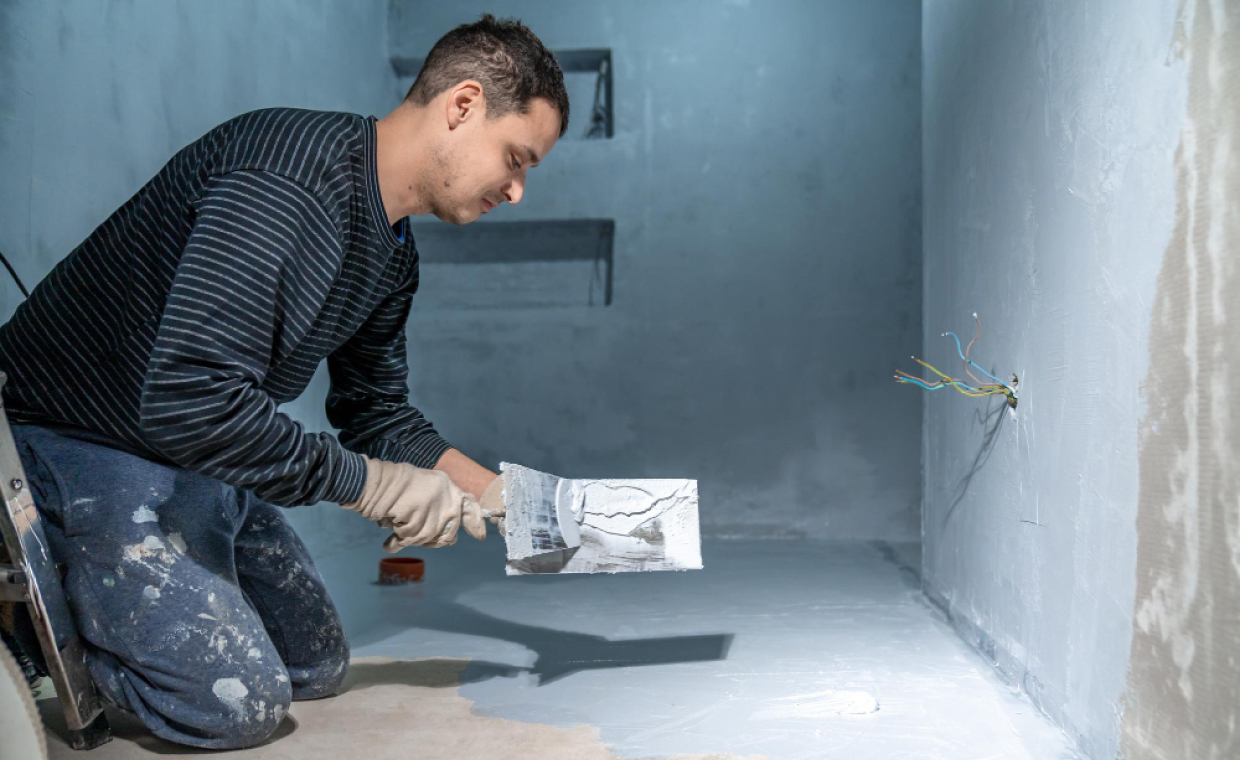
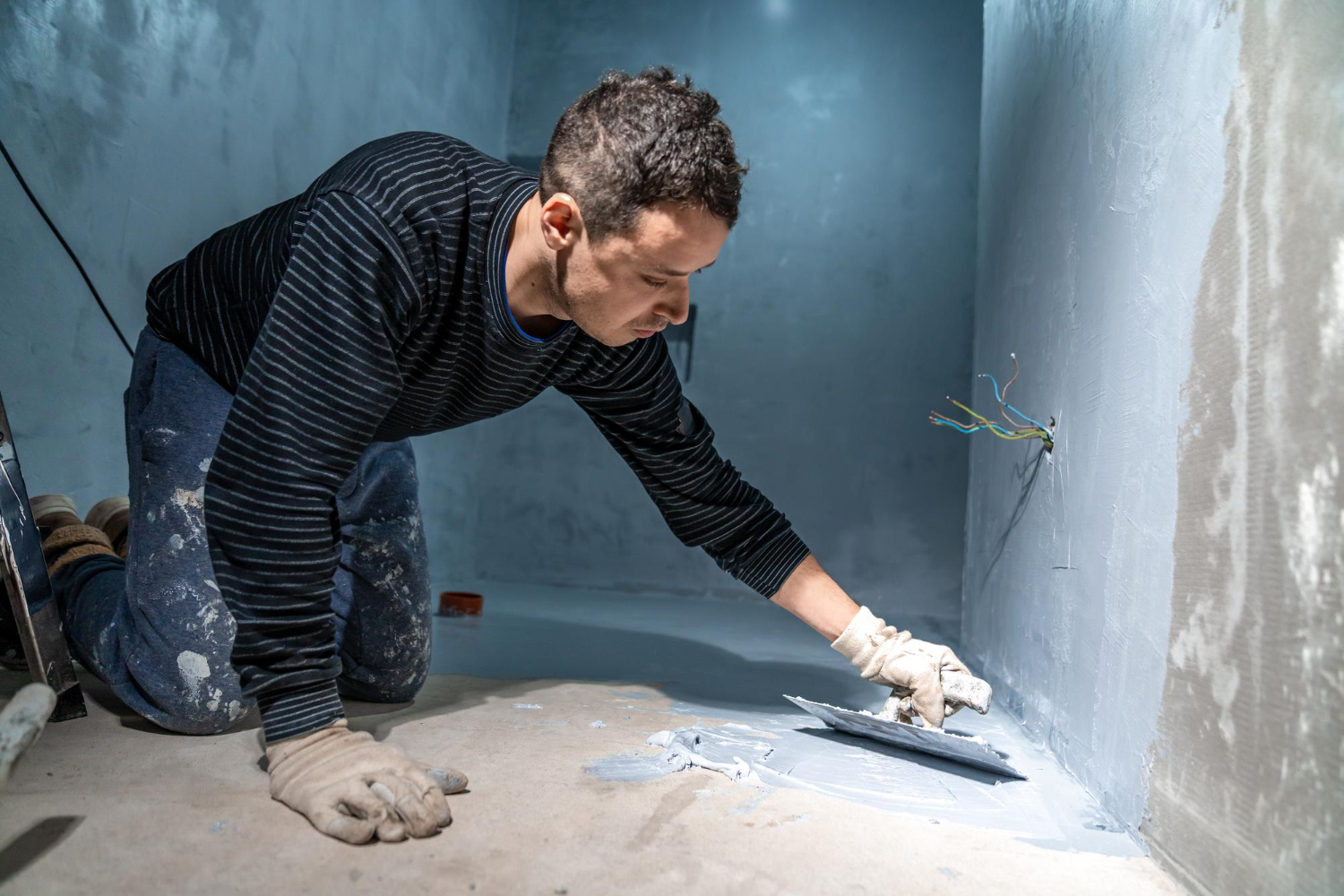
There is no universal best system; instead, there is a best system for the layout and installer skill level. Liquid-applied membranes are rolled or brushed on, creating a flexible surface coating. If applied at the correct thickness and allowed proper cure time, then they form a seamless barrier over complex shapes.
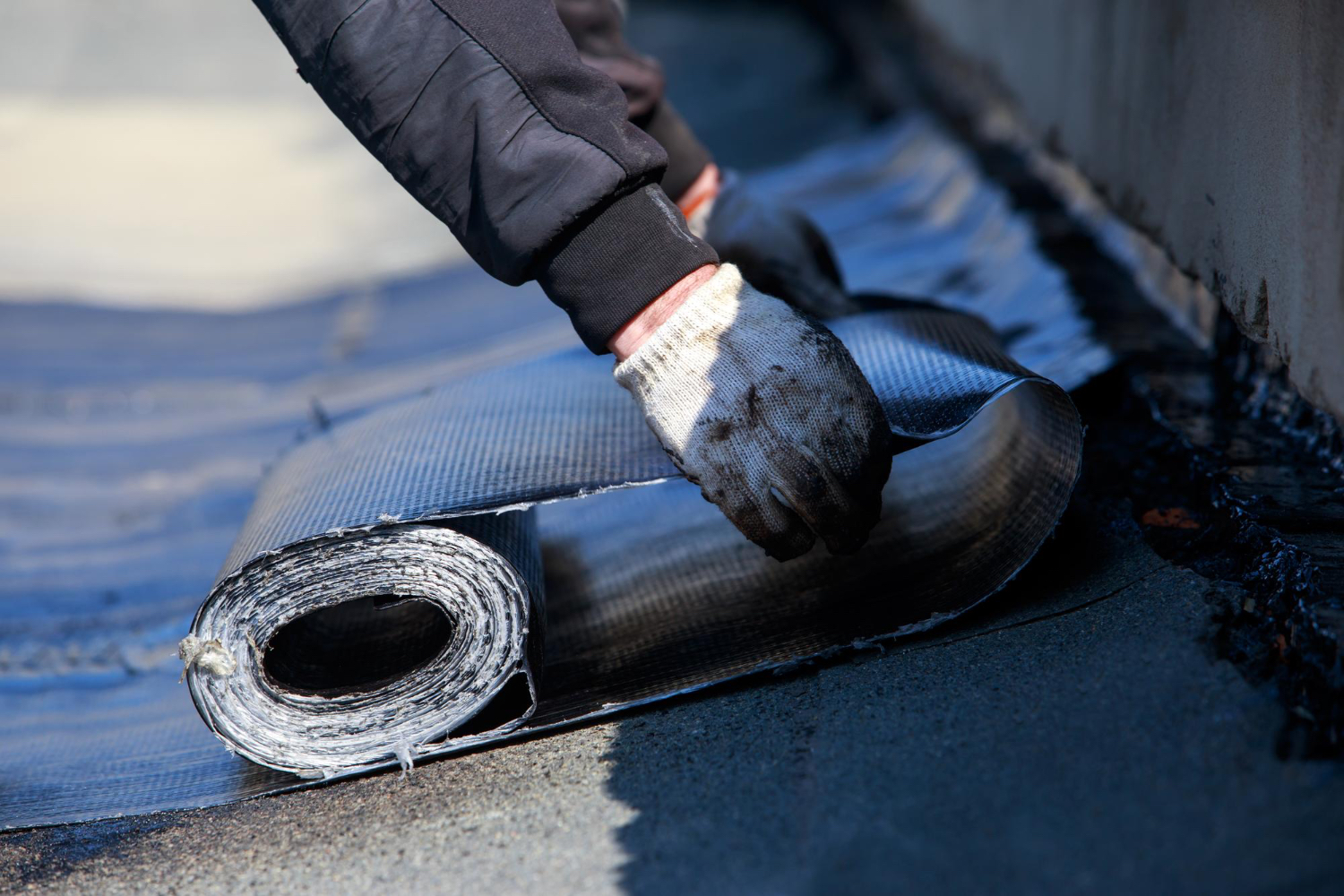
Sheet membranes are factory-produced and installed with thin-set mortar. According to analysis from Rohrer for Construction, sheet systems rely on precise seam overlap and secure drain integration. If seams are not embedded correctly, then water can track behind the membrane.
Neither system forgives mixing incompatible products. If plastic sheeting is installed behind the board and a surface membrane is added on top, then moisture can become trapped between layers, leading to long-term damage.
Seal Corners Drains and Penetrations Without Compromise
Courtesy - magnific
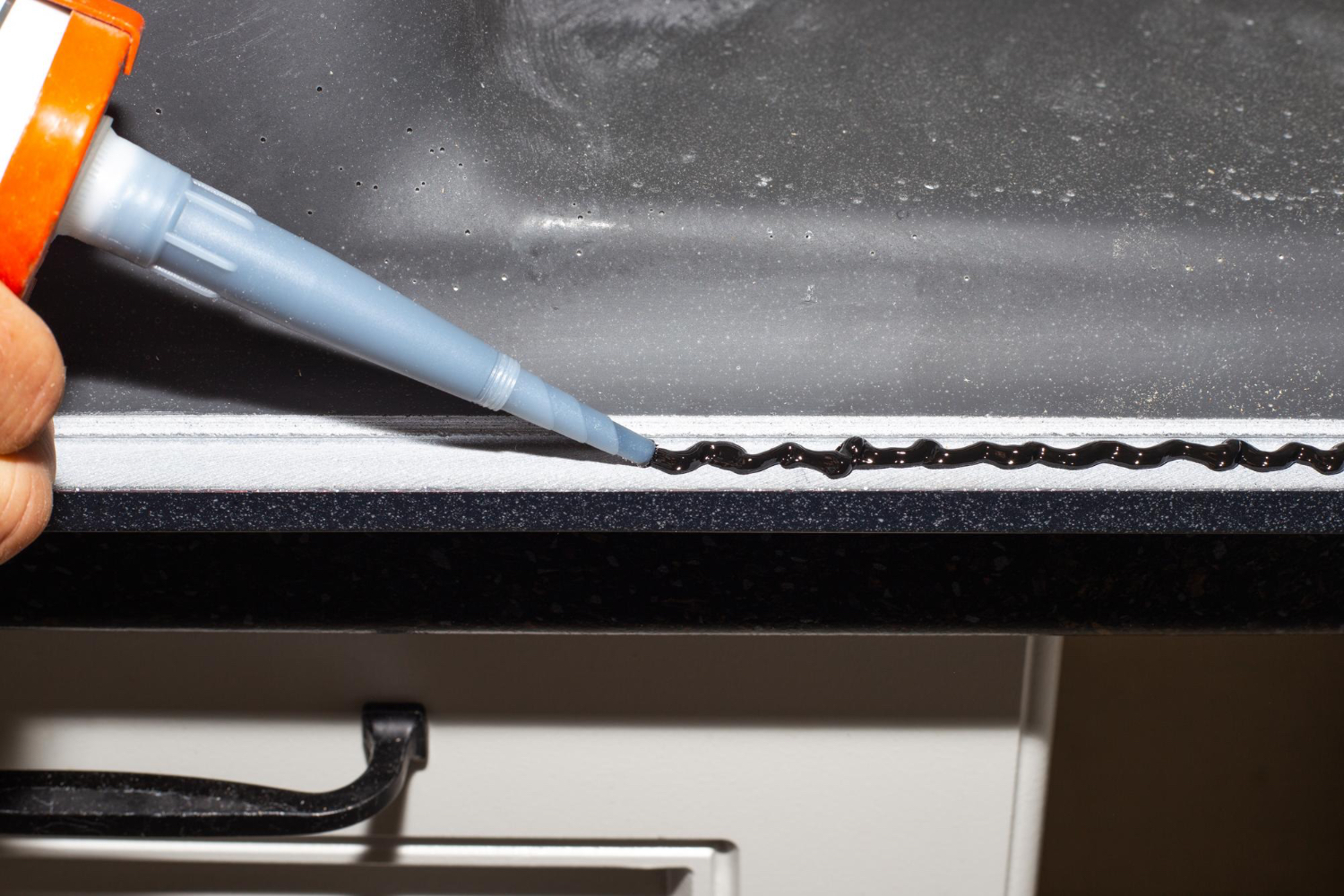
Corners, curbs, benches, and niches are high-risk areas because movement and water concentration meet there. Therefore, reinforcing fabric or pre-formed corner pieces should be used at every transition.
The drain connection deserves particular attention. As explained in a technical guide by Sanvo Chemicals, the membrane must be sealed directly to the drain flange. If fasteners penetrate horizontal surfaces like the curb top, then the waterproof layer is compromised before tile is installed.
Flood Testing and Ventilation Strengthen the System
If the shower pan is not flood-tested for at least 24 hours, then there is no confirmation that the system is watertight. A simple plug-and-fill test can reveal slow leaks that would otherwise remain hidden until after tiling.
Ventilation also plays a supporting role. A properly sized exhaust fan reduces lingering humidity; moreover, it protects grout joints and sealants from excessive moisture exposure. Waterproofing and ventilation work together, not independently.
Build A Shower Remodel That Lasts
Waterproofing a shower remodel requires a fully integrated system that includes proper substrate preparation, accurate slope, reliable membrane, and secure drainage. If any part is overlooked, the entire installation can fail. Before choosing tile, review layout and waterproofing plans carefully. For tailored advice, contact Five Star Bath Solutions.
Also Read: Are Damp Basements Compromising Your Home’s Structural Integrity
FAQs – Shower Remodel Waterproofing
1. Why is shower remodel waterproofing necessary?
Waterproofing prevents water from reaching the framing and subfloor, reducing the risk of leaks, mould, and structural damage.
2. Which is better, a liquid membrane or a sheet membrane?
Both perform well when installed correctly. The best choice depends on the shower layout, installer experience, and manufacturer recommendations.
3. Should a shower pan be flood tested?
Yes. A flood test confirms the waterproofing system is watertight before tiles are installed.
4. Can tile and grout waterproof a shower?
No. Tile and grout are water resistant but not waterproof. A dedicated waterproof membrane is essential behind the finished surface.
5. What areas of a shower need extra waterproofing?
Corners, niches, benches, curbs, pipe penetrations, and the drain connection require careful sealing because they are more prone to leaks.
Author & Expert Review
Written By:  Gaurav Mishra | Civil Engineer & Content Writer

| Credentials: B.E. (Mahavir Swami College, Surat), Registered with Bhagwan Mahavir University (BMU). Experience: Civil Engineer with 5+ years of content writing experience, currently writing impactful articles for Gharpedia, part of SDCPL. Expertise: Specializes in writing well-researched content on residential construction, construction materials, design planning, on-site practices, and safety, blending technical accuracy with everyday clarity. Find him on: LinkedIn |
Verified By Expert: Ravin Desai – Co Founder – Gharpedia | Co Founder – 1 MNT | Director – SDCPL

This article has been reviewed for technical accuracy by Ravin Desai, Co-Founder of Gharpedia and Director at Sthapati Designers & Consultants Pvt. Ltd. With a B.Tech. in Civil Engineering from VNIT Nagpur and an M.S. in Civil Engineering from Clemson University, USA, and over a decade of international and Indian experience in the construction and design consultancy sector, he ensures all technical content aligns with industry standards and best practices.
Find him on: LinkedIn