








Table of Contents
Quick Summary
- Foundation repair addresses structural movement or instability and may involve stabilising, lifting, underpinning, or repairing a foundation.
- Foundation problems can be costly and time-consuming, so get a professional assessment before approving repair work.
- Plumbing leaks beneath or near foundations can saturate soil and contribute to settlement or other structural problems over time.
- Poor drainage can leave standing water around a house, which may weaken or move the soil supporting the foundation.
- Poor construction practices, such as inadequate soil compaction or unsuitable fill, can contribute to long-term foundation instability.
- Weak or expansive soil conditions, especially clay soil, can expand and contract with moisture changes and place stress on a foundation.
- Common warning signs include wall or floor cracks, water damage, uneven floors, doors and windows that do not close properly, and house tilting or settlement.
- Before hiring a contractor, homeowners should confirm whether foundation repairs are actually necessary through a professional inspection.
- Check a contractor’s experience, reputation, references, and previous customer reviews before hiring.
- Ask about the repair timeline, including the expected start and completion dates, as some foundation repairs can take two to five days or longer.
- Compare written estimates from multiple contractors instead of relying on one quote.
- Avoid choosing the cheapest option automatically, as poor-quality or incomplete repairs can lead to bigger structural issues later.
Courtesy - Magnific
Major home repairs can feel overwhelming, especially when the work involves the foundation. Foundation repair is less common than routine home maintenance, so it is natural to have questions about what the work involves, why it is needed, how long it may take, and how much it may cost.
You may never have to repair your house’s foundation. However, if you are wondering, it means raising and stabilising a foundation due to problems. Several issues can necessitate foundation repair, and we will discuss some of them. But you must acquaint yourself with possible signs of problems so that you know when to call a professional.
What Causes Foundation Issues?
Courtesy - Magnific
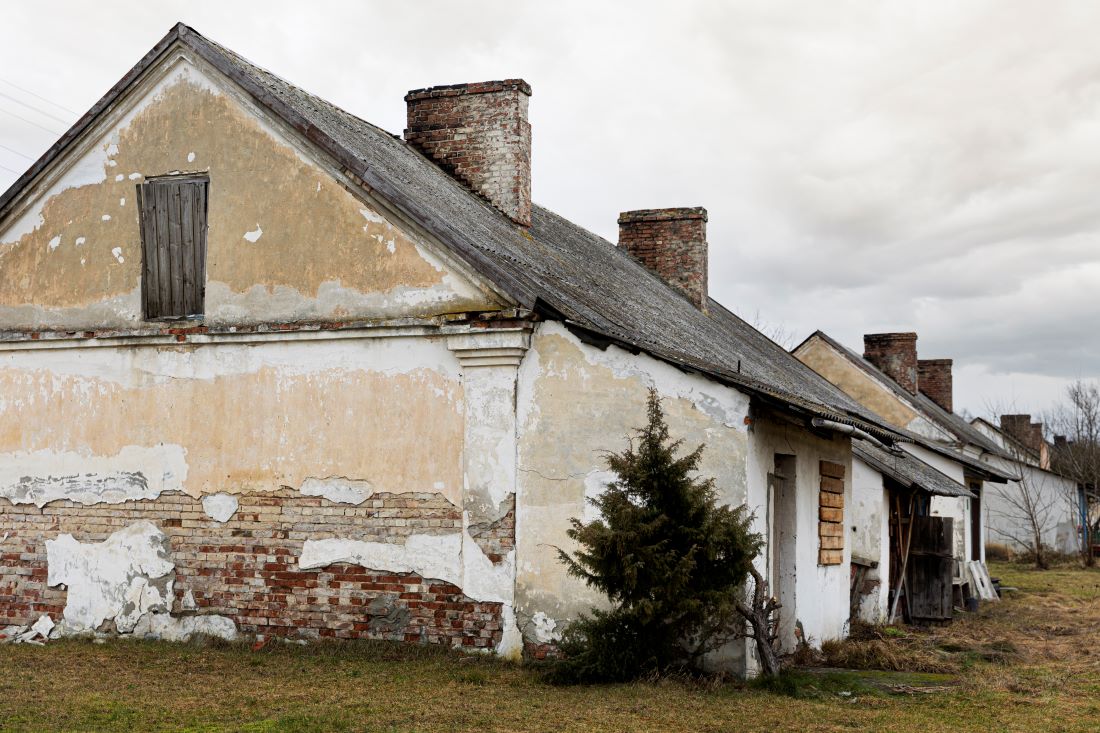
Several factors can cause foundation problems in a house. You may notice water damage, a tilting house, uneven floors, or cracks that were not there before. Identifying the underlying cause is important because repairing the visible damage alone may not solve the problem.
01. Plumbing Leakage
One of the primary causes of foundation problems is plumbing leakage. While this is not the case in every house, some properties have plumbing pipes running beneath or close to the foundation to keep them concealed.
Courtesy - Magnific
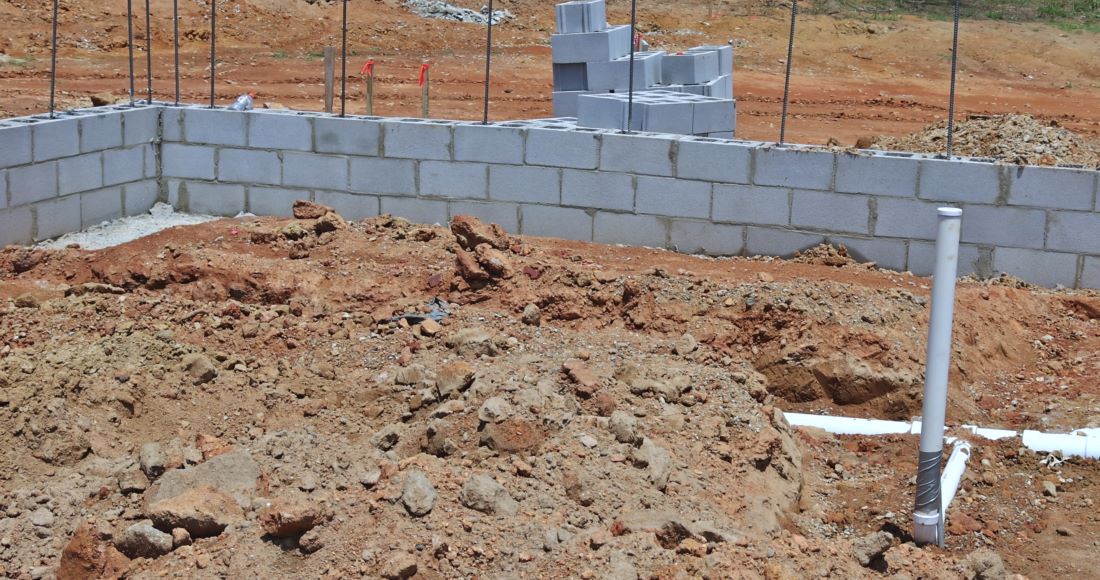
These pipes need to remain strong and watertight for many years while surrounded by soil. If a pipe leaks, water can saturate the surrounding soil and, depending on the site and foundation type, contribute to settlement or other foundation problems.
Over time, however, the pipes weaken and begin to leak, causing water to flood the foundation and damage it.
For example, the cast iron piping that was popular in the ‘60s and ‘70s has become a problem because they corrode and leak eventually. You may not immediately notice the problem until it becomes irreparable and requires repairs. Click here to understand why underground pipes leak.
02. Problems with Drainage
Foundations are designed to withstand normal environmental conditions, but persistent standing water can put them at risk. When drainage is poor, water can collect around the house, saturate the soil, and increase the pressure or moisture-related movement around the foundation. If the drainage problem is not corrected, the resulting conditions can contribute to foundation damage.
Courtesy - Magnific
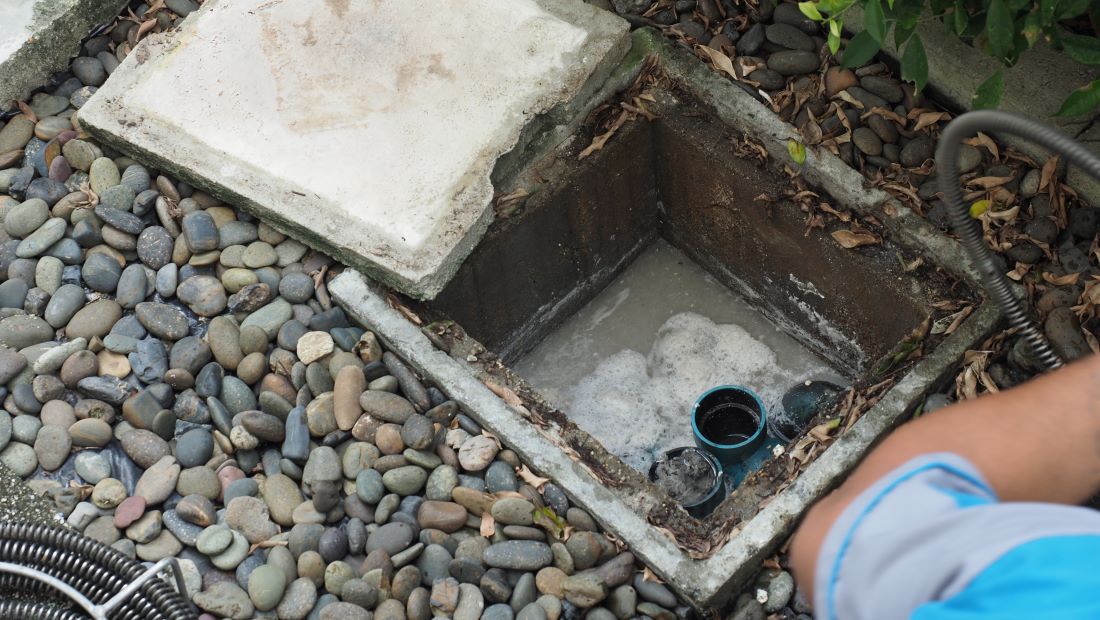
A well-designed drainage system directs rainwater and surface water away from the house. However, blocked drains, poorly graded ground, damaged gutters, or inadequate surface drainage can leave water near the foundation. A contractor should identify and address the source of the water before recommending major foundation repairs.
03. Poor Construction

Courtesy - Magnific
Poor construction practices can also contribute to foundation problems. Inadequate soil compaction may allow the ground beneath a foundation to settle, while unsuitable or poorly placed fill can move or compress over time. These conditions can cause uneven settlement and place additional stress on the structure.
04. Weak Soil Condition
Soil conditions are another important cause of foundation problems. Some soils lose strength when wet, while expansive soils can swell and shrink as their moisture content changes. These movements can place stress on the foundation and may contribute to cracking, settlement, or movement over time.
Check out the blog below to learn more about weak ground under structures.

Expansive clay soil responds to changes in moisture. During dry periods, it can contract, while heavy rain can cause it to expand. Although foundation design should account for local soil conditions, repeated movement can place stress on a foundation over many years. A proper site assessment can help determine whether soil movement is contributing to the problem.
Questions to Ask a Foundation Repair Contractor
If you suspect that your home has foundation problems, arrange a professional assessment before committing to repairs. A qualified contractor should inspect the property, explain the likely cause, and tell you whether repair is necessary. The following questions can help you compare contractors and understand what you are paying for.
1. Does My House Actually Need Foundation Repair?
The answer is no because houses hardly need foundation repairs. You may have water damage in your basement or new cracks in the wall, but these are not necessarily signs of a foundation problem. It takes years for every house to settle, which may cause small cracks to appear. Let more than two pairs of eyes assess the issues and determine the next step.
2. What Is Your Experience with Similar Projects?
It is crucial to ask this question face to face, but keep it for record purposes only. Before any contractor inspects your property, you must have asked about and researched them. They must be highly recommended, with provable testimonials of their previous jobs.
Look for a contractor who can show experience with foundation repairs similar to yours. Ask for details of comparable projects, references, photographs, and evidence of relevant qualifications or licensing where required.
Pro tip: compare at least three credible contractors and choose the one that best fits your needs, rather than simply choosing the lowest quote.
3. How Will You Diagnose the Problem?
Ask how the contractor will identify the cause of the foundation problem. The assessment may include a visual inspection, measurements, drainage checks, soil information, and other appropriate tests. A good contractor should explain what they found and why the recommended repair addresses the underlying cause.
4. What Repair Method Do You Recommend and Why?
Foundation problems can be addressed in different ways depending on the cause, foundation type, soil conditions, and extent of movement. Ask the contractor to explain the proposed foundation repair method, why it is suitable for your home, and whether there are alternatives. Do not agree to a repair if you do not understand the method.
5. Are You Licensed, Insured, and Permitted to Do the Work?
Ask whether the contractor holds any licence or registration required in your area and whether they carry appropriate insurance. Also ask who will obtain permits or approvals required for the work. Requirements vary by location, so confirm the applicable rules with your local authority.
6. Do You Provide a Written Warranty?
Ask what warranty is provided for the repair, what it covers, how long it lasts, and whether it can be transferred if you sell the house. Get the warranty terms in writing and ask whether routine maintenance or drainage improvements are required to keep the warranty valid.
7. How Long Will the Repair Take?
The duration depends on the type and extent of the damage, the repair method, site access, weather, and the size of the crew. Some foundation repair projects may take two to five days, while more complex work can take longer. Ask when the work can start, how long it is expected to take, and whether you will need to leave the property during the repair.
Ask how many workers will be assigned to the project and whether the quoted programme depends on a particular crew size. If the damage is extensive and you need the work completed by a specific date, make sure the expected start and completion dates are clearly stated.
The contract should set out the agreed timetable, key stages, payment schedule, and completion date where possible. This gives you something to refer to if the project takes longer than expected.
8. How Much Will It Cost?
The cost of foundation repair depends on the cause of the problem, the repair method, the extent of damage, soil conditions, site access, and any additional work required. Ask for a written estimate that clearly separates labour, materials, equipment, excavation, drainage or plumbing work, and any other expected costs. Also ask what could cause the price to change.
Find three or four credible contractors, check their reputation and experience, and compare their written estimates on a like-for-like basis. A lower quote is not necessarily better if it excludes important work or uses a different repair method.
Do not rely on only one quote, regardless of how well recommended the company is. Avoid choosing a contractor solely because they offer the lowest price. A clear scope of work, realistic timeline, appropriate qualifications, and a written warranty can be more important than a small difference in price.
Wrapping Up
A professional should determine whether your home has a foundation problem and identify its likely cause. Weak soil, plumbing leaks, poor construction, drainage problems, and long-term water exposure can all contribute to foundation movement or damage.
Your job is to choose a suitable contractor and understand the proposed repair before work begins. Ask about the cause of the problem, the recommended repair method, the total cost, the timeline, and the contractor’s experience. Getting clear answers in writing can help you avoid unexpected costs and make a more informed decision.
Do you want to know how weak foundations can lead to building failure? Then check out this blog:
Reasons for Building Collapse due to the Foundation Failures
FAQs on Questions to Ask a Foundation Repair Contractor
1.What are the most common causes of foundation problems in a house?
The most common causes include plumbing leaks, poor drainage, weak or expansive soil, poor construction practices, and long-term water exposure. These conditions can gradually affect the ground around the foundation and contribute to movement or structural damage.
2. How do I know if my house has foundation problems?
Common warning signs include cracks in walls or floors, uneven floors, doors and windows that no longer close properly, water leakage in basements, and visible tilting or settlement. These signs do not always mean the foundation is failing, so a professional inspection is the best way to confirm the cause.
3. How much does foundation repair usually cost?
Foundation repair costs vary depending on the extent of the damage, the repair method, soil conditions, site access, and contractor rates. Ask for a written estimate and confirm what is included before work begins. Major structural repairs may also require additional drainage, plumbing, excavation, or engineering work.
4. How long does foundation repair take?
Many foundation repair projects can take two to five days, but severe or complex structural damage may require more time. The duration also depends on the repair method, crew size, weather conditions, permits, and access to the affected area. Ask the contractor for an expected start date and completion date.
5. What questions should I ask before hiring a foundation repair contractor?
Before hiring a foundation repair contractor, ask questions that help you understand the diagnosis, repair method, cost, timeline, qualifications, and warranty. Important questions include:
- Does my house actually need foundation repair?
- What is your experience with similar projects?
- How long will the repair take?
- What is the total cost estimate?
- Do you provide a written warranty or guarantee for the repair work?
6. What Should Be Included in a Foundation Repair Estimate?
A written foundation repair estimate should describe the diagnosed problem, proposed repair method, materials, labour, equipment, excavation, drainage or plumbing work, expected timeline, payment terms, and any exclusions. Ask the contractor to identify possible additional costs before you approve the work.
7. Does Foundation Repair Come with a Warranty?
Warranty terms vary by contractor and repair method. Ask what is covered, how long the warranty lasts, whether it covers materials and labour, and what conditions could void it. Keep the warranty and the final scope of work with your home records.
8. Will I Need to Leave My Home During the Repair?
Not necessarily. It depends on the repair method, access requirements, dust or noise, structural safety, and whether utilities or parts of the house will be affected. Ask the contractor before work starts whether any rooms or the entire property will need to be vacated.
Courtesy - Featured Image(Magnific)
Author & Expert Review
Written By:  Gaurav Mishra | Civil Engineer & Content Writer

| Credentials: B.E. (Mahavir Swami College, Surat), Registered with Bhagwan Mahavir University (BMU). Experience: Civil Engineer with 5+ years of content writing experience, currently writing impactful articles for Gharpedia, part of SDCPL. Expertise: Specializes in writing well-researched content on residential construction, construction materials, design planning, on-site practices, and safety, blending technical accuracy with everyday clarity. Find him on: LinkedIn |
Verified By Expert: Ravin Desai – Co Founder – Gharpedia | Co Founder – 1 MNT | Director – SDCPL

This article has been reviewed for technical accuracy by Ravin Desai, Co-Founder of Gharpedia and Director at Sthapati Designers & Consultants Pvt. Ltd. With a B.Tech. in Civil Engineering from VNIT Nagpur and an M.S. in Civil Engineering from Clemson University, USA, and over a decade of international and Indian experience in the construction and design consultancy sector, he ensures all technical content aligns with industry standards and best practices.
Find him on: LinkedIn