




Table of Contents
Quick Summary
- Before construction starts, plumbing planning plays a vital role in creating a reliable and efficient home.
- The article explains why early plumbing decisions affect water supply, drainage, maintenance, and long-term performance.
- It discusses common problems caused by poor plumbing layouts and late design changes.
- Readers will learn how coordination between architects, engineers, and plumbing professionals improves construction.
- The guide highlights how thoughtful pipe fabrication reduces installation costs and future repairs.
- It also explains why planning for maintenance and future renovations adds lasting value to a home.
Courtesy - Magnific
When planning a new home, most people focus on floor plans, room sizes, kitchen layouts, or interior finishes. Very few homeowners think about pipe fabrication or how the plumbing system is prepared before installation. Yet many of the problems that appear years after moving into a house can often be traced back to decisions made during the earliest stages of design.
A well-designed plumbing system is more than a collection of pipes hidden behind walls and under floors. It is an essential part of a home’s comfort, efficiency, and long-term reliability. While beautiful interiors can always be updated, correcting poorly planned plumbing usually requires opening walls, removing tiles, or even modifying structural elements. That is why successful projects begin with careful planning rather than last-minute adjustments.
Every Home Depends on Good Planning
Courtesy - Magnific
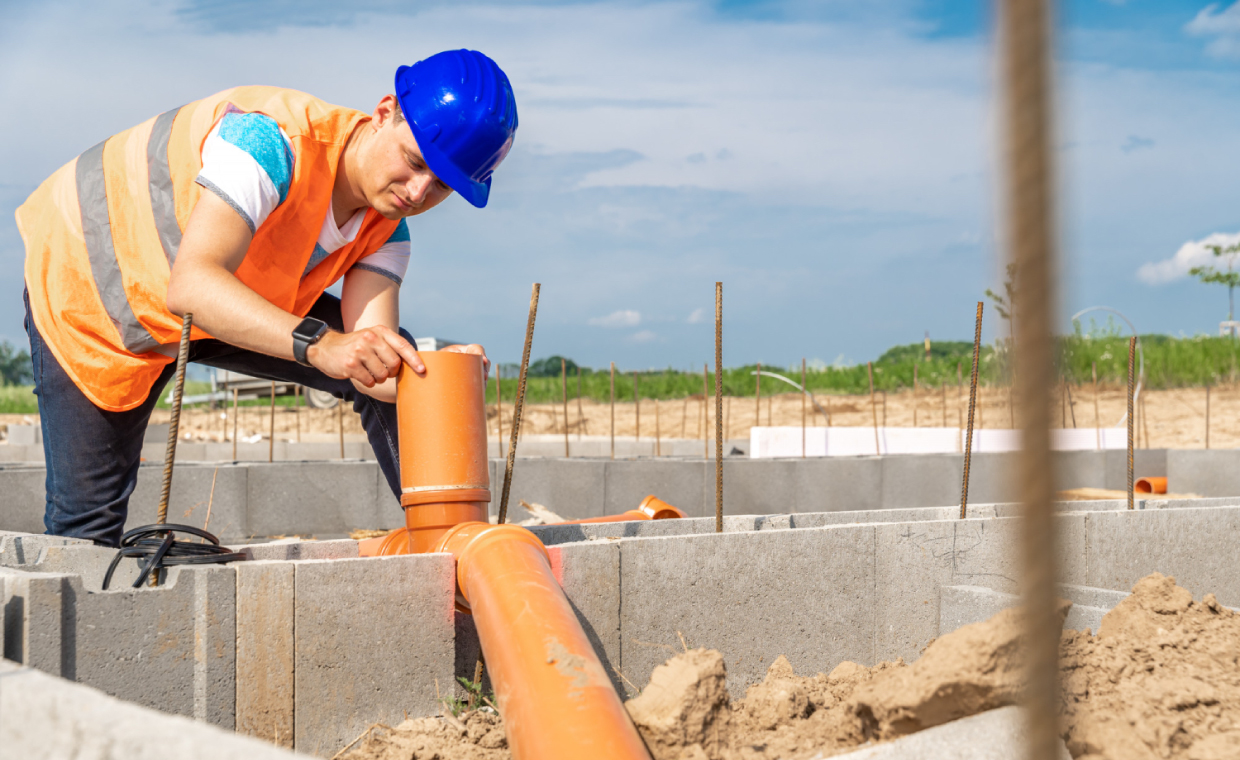
Modern homes contain far more plumbing than many people realize. Kitchens, bathrooms, laundry rooms, water heaters, outdoor taps, rainwater drainage, and sometimes underfloor heating all depend on an interconnected network of pipes. Every fixture must receive clean water while wastewater is safely removed.
Although these systems are usually hidden from view, they influence many everyday aspects of living. Water pressure, drainage performance, maintenance access, noise levels, and even energy efficiency depend on how well the plumbing has been planned before construction begins.
Unfortunately, plumbing is sometimes treated as something that can simply be “fitted in” after the architectural layout has already been finalized. This approach often creates unnecessary complications.
Small Decisions Can Lead to Big Problems
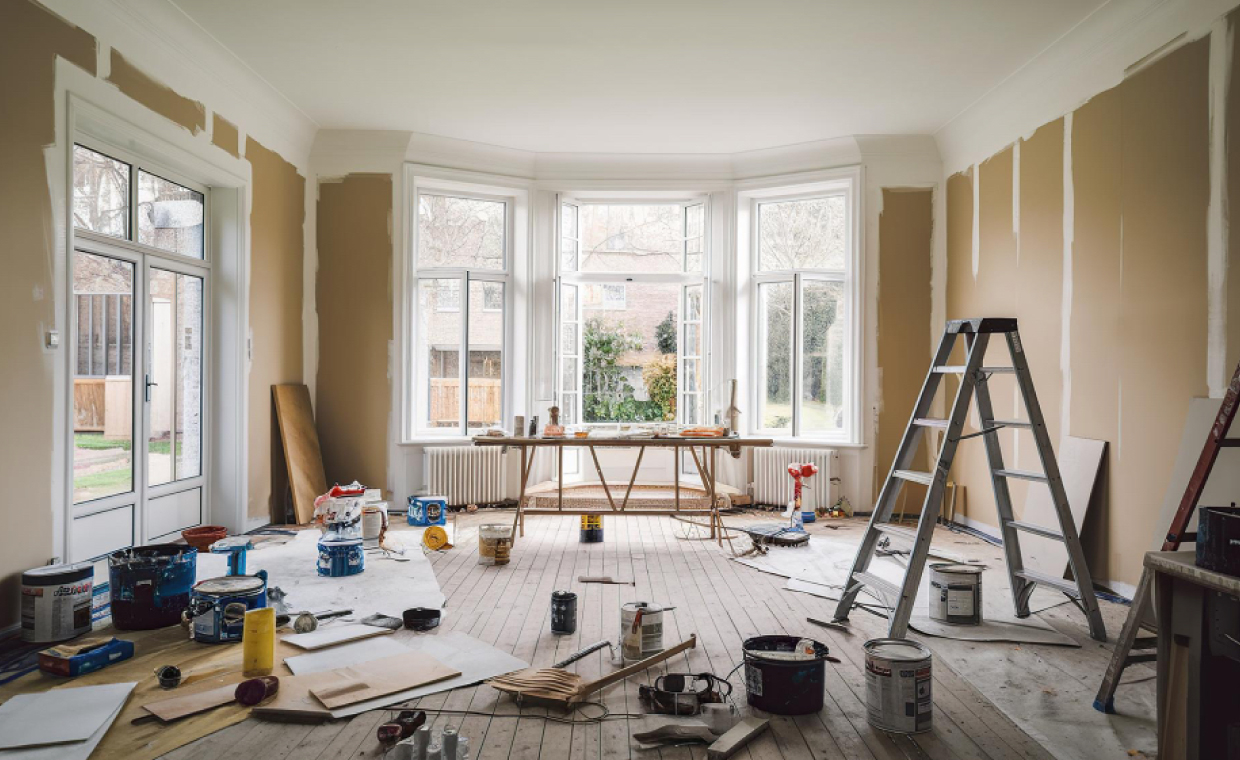
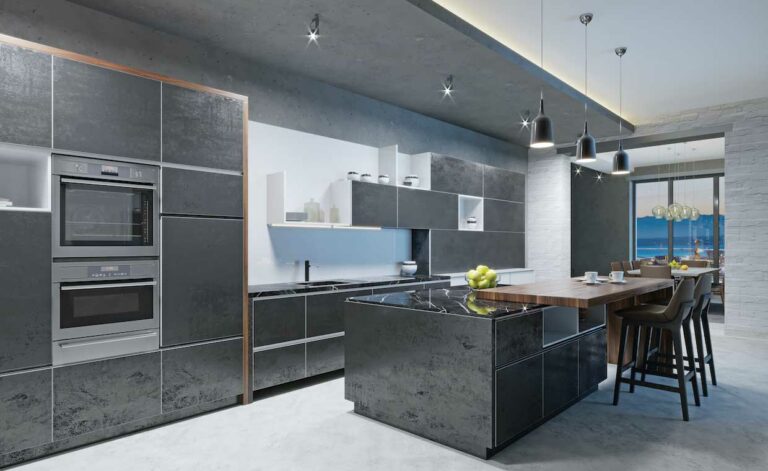
Imagine a family building their dream kitchen. Cabinets have been ordered, appliances selected, and the flooring installed. Only then does the contractor discover that several water lines need to be relocated because the sink position has changed.
The result is predictable. Additional fittings are required, installation takes longer, costs increase, and future maintenance becomes more difficult.
The same situation can happen in bathrooms, utility rooms, or outdoor service areas. A drain positioned only a few centimeters away from the ideal location may require additional pipe bends. A water heater installed without sufficient maintenance space can become difficult to service. A poorly planned inspection point may force expensive demolition years later if repairs are needed.
Most of these issues are avoidable when plumbing is considered as an important part of the overall design instead of an afterthought.
Why Early Coordination Matters

Courtesy - Magnific
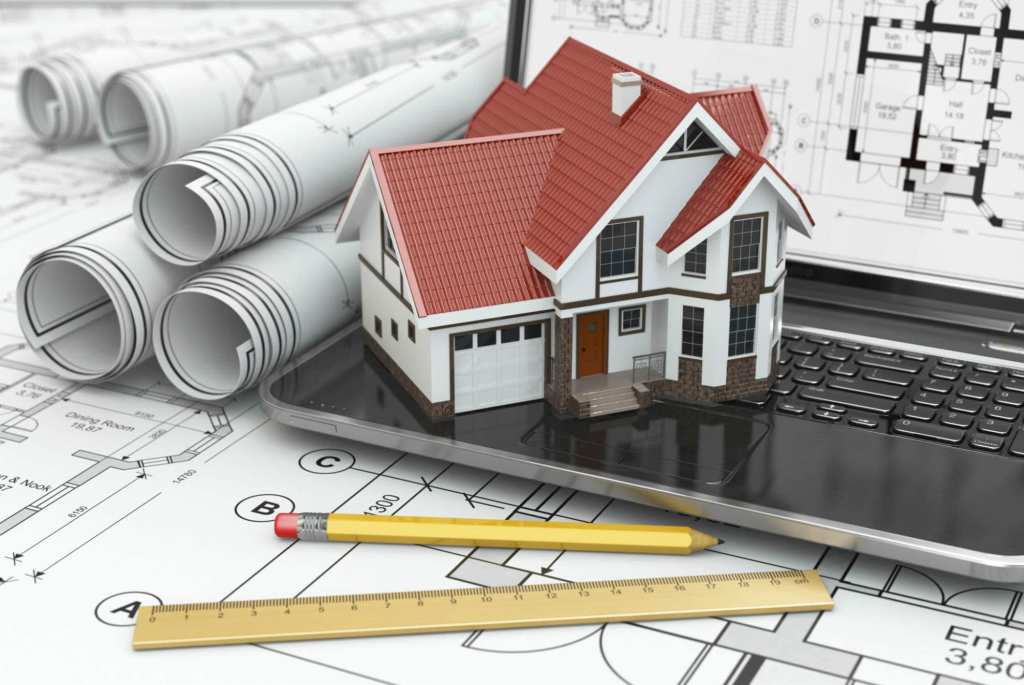
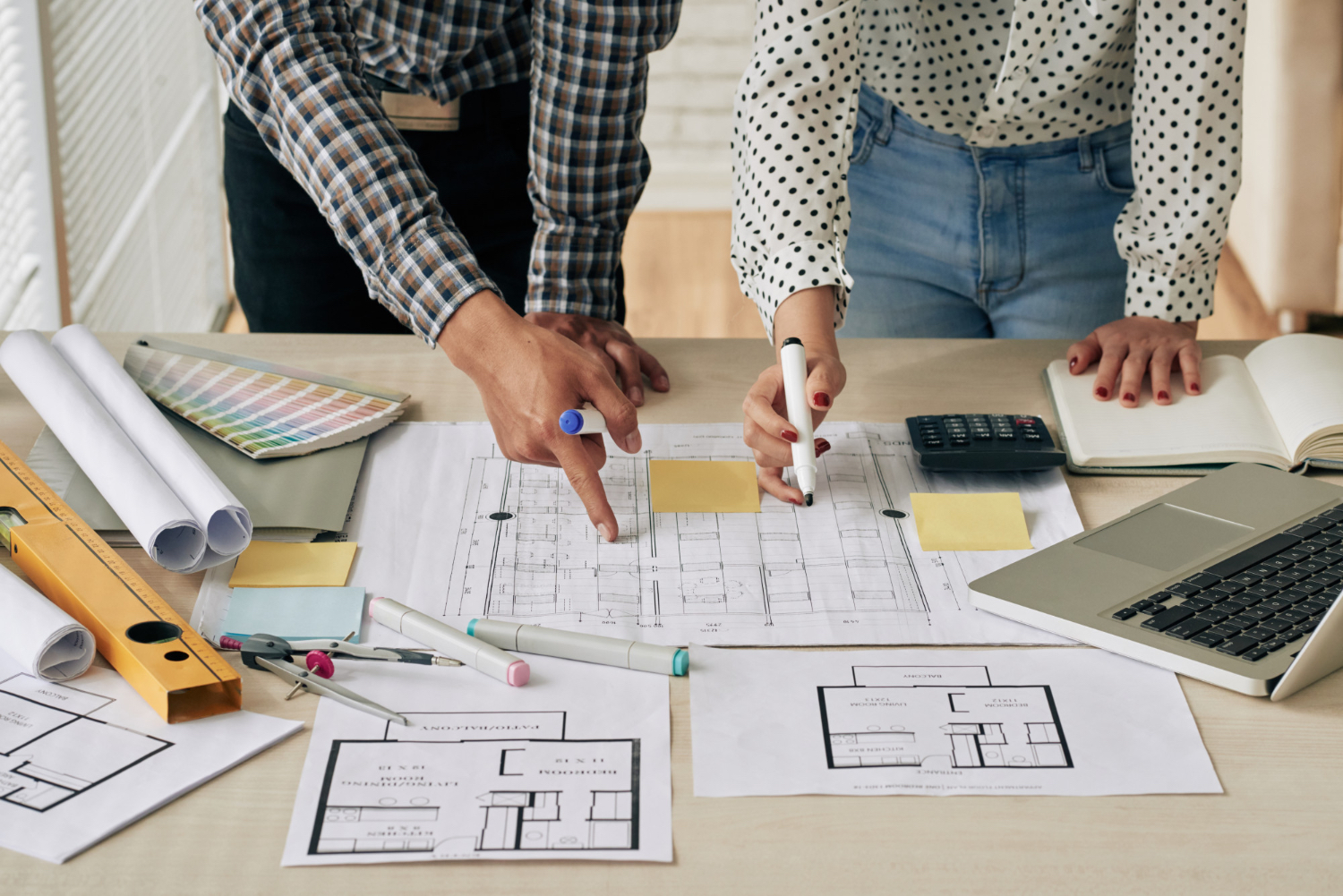
Building a house is a collaborative process. Architects, structural engineers, electricians, HVAC specialists, and plumbing professionals all contribute to the final result. The earlier these disciplines communicate, the smoother construction becomes.
For example, a slight adjustment to a bathroom wall during the design phase may allow water supply lines to follow a much simpler route. A better location for the utility room can reduce pipe lengths throughout the house. Even choosing the right location for a washing machine or water heater can simplify future maintenance while reducing installation costs.
These improvements rarely require major design changes. Instead, they come from discussing practical details before construction begins, when changes are inexpensive rather than disruptive.
Planning Today Saves Money Tomorrow
Many homeowners naturally compare quotations from different contractors and suppliers. While controlling costs is important, the cheapest installation is not always the most economical over the life of the house.
A plumbing system that has been carefully planned often requires fewer fittings, shorter pipe runs, and better access for future servicing. This can reduce installation time while also lowering the likelihood of leaks, blockages, or costly repairs later.
More importantly, a well-organized system makes future renovations much easier. Whether adding a second bathroom, replacing a water heater, or upgrading kitchen equipment, accessible and logically arranged plumbing saves both time and money.
Think Beyond Construction
Courtesy - Magnific
A home is expected to last for decades. During that time, plumbing components will eventually need maintenance or replacement. Valves wear out, water heaters reach the end of their service life, and appliances change.
When these realities are considered during the design stage, future work becomes straightforward. Service valves remain accessible, inspection points are easy to reach, and replacement equipment can be installed without damaging finished interiors.
This long-term perspective is often overlooked because everything works perfectly on the day construction is completed. However, good design is measured not only by how well a system performs today, but also by how easy it will be to maintain ten or twenty years from now.
A Smarter Approach to Pipe Installation
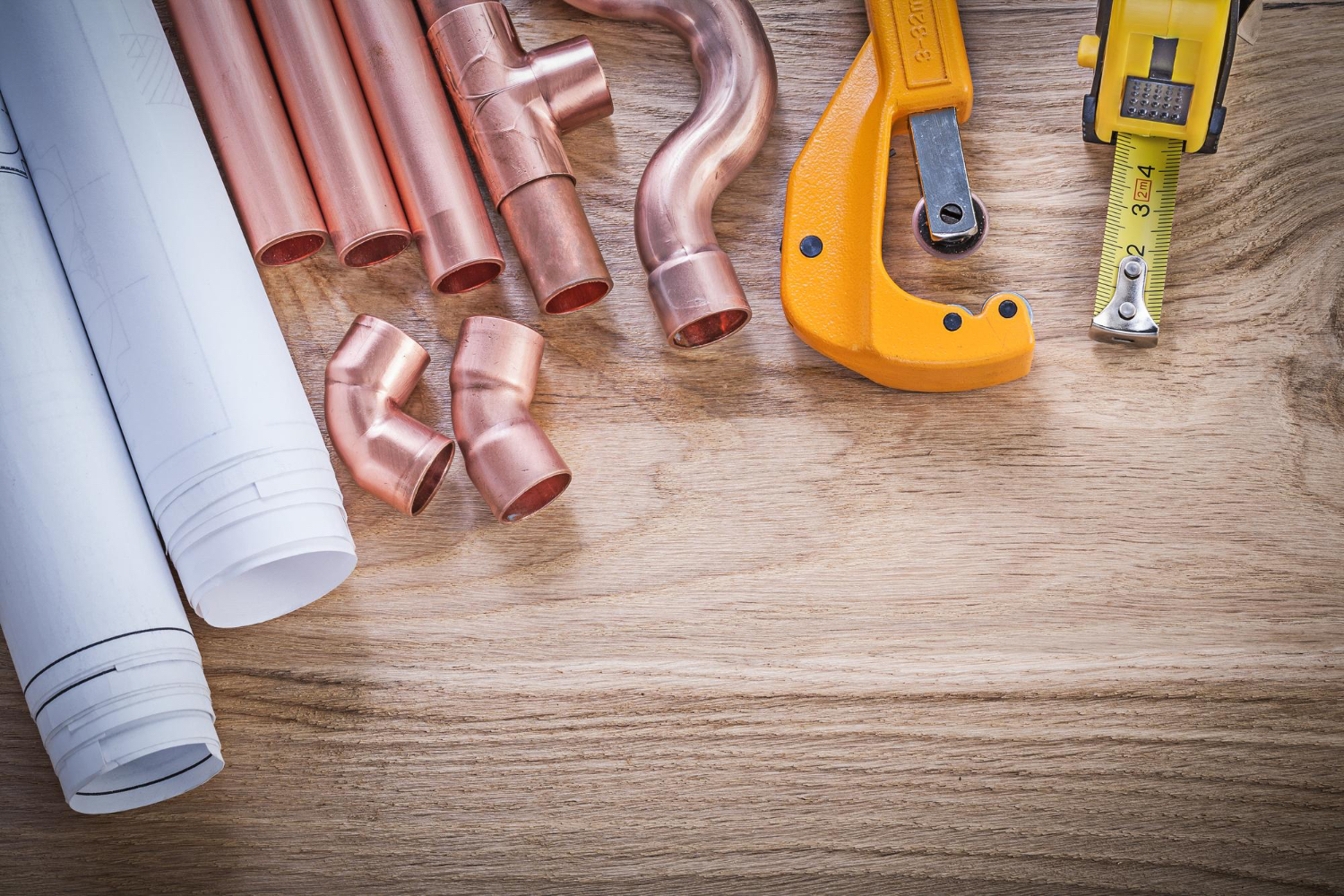
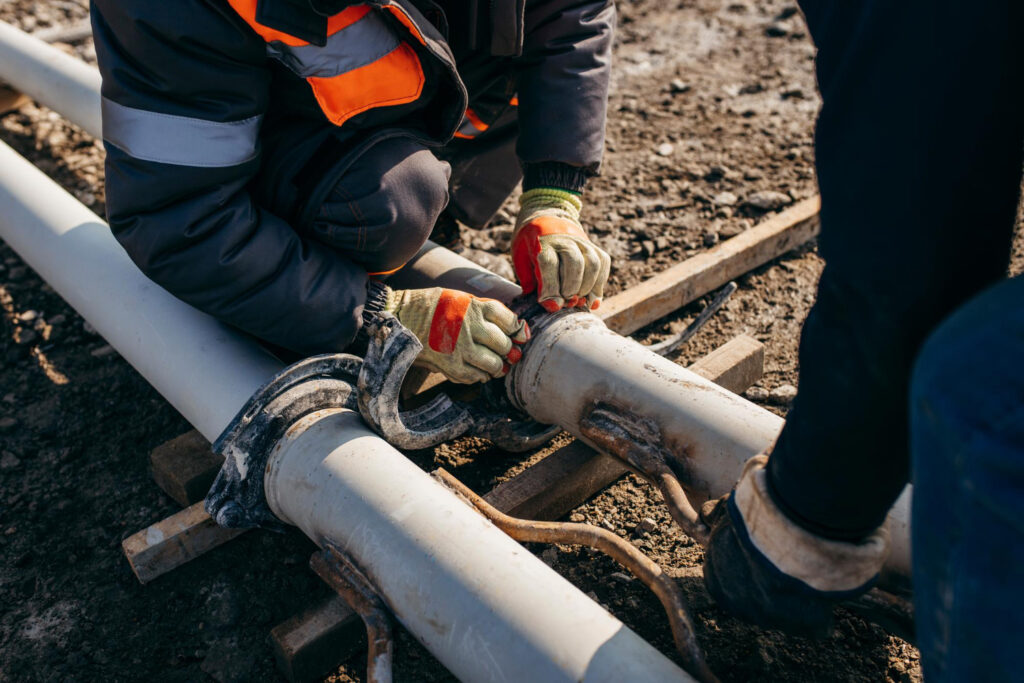
Professional pipe fabrication is not simply about cutting and joining pipes. It begins with understanding how the entire plumbing system will function inside the completed home. When layouts are reviewed early, unnecessary complexity can often be eliminated before materials are ordered or installation begins.
For homeowners, this means fewer surprises during construction, better coordination between contractors, and greater confidence that the finished plumbing system will serve the family reliably for many years.
Final Thoughts
Building a home involves thousands of decisions, but some of the most important ones are hidden behind the walls. Careful plumbing planning may never be noticed by visitors, yet it has a direct impact on comfort, maintenance costs, and the long-term value of the property.
Before construction begins, take the time to discuss the plumbing layout with experienced professionals. A thoughtful design today can prevent expensive changes tomorrow. In the end, successful pipe fabrication is not only about manufacturing or installing pipes—it is about creating a plumbing system that will continue to perform efficiently throughout the life of the home.
Also Read: Signs of a Major Plumbing Leak You Should Never Ignore
FAQs – Plumbing Planning
1. Why is plumbing planning important before building a house?
Early plumbing planning helps create efficient pipe layouts, reduces installation errors, lowers future repair costs, and improves long-term system performance.
2. What is pipe fabrication in residential construction?
Pipe fabrication is the process of preparing and assembling pipes according to the approved plumbing design before installation on site.
3. How does a good plumbing layout save money?
A well-designed layout reduces unnecessary pipe runs, minimises fittings, speeds up installation, and makes future maintenance easier.
4. Can poor plumbing planning affect future renovations?
Yes. Poorly planned plumbing can make bathroom, kitchen, or utility room upgrades more expensive because walls or floors may need to be opened.
5. Who should be involved in plumbing planning?
Architects, structural engineers, plumbing professionals, and other building specialists should coordinate during the design stage for the best results.
Author & Expert Review
Written By:  Gaurav Mishra | Civil Engineer & Content Writer

| Credentials: B.E. (Mahavir Swami College, Surat), Registered with Bhagwan Mahavir University (BMU). Experience: Civil Engineer with 5+ years of content writing experience, currently writing impactful articles for Gharpedia, part of SDCPL. Expertise: Specializes in writing well-researched content on residential construction, construction materials, design planning, on-site practices, and safety, blending technical accuracy with everyday clarity. Find him on: LinkedIn |
Verified By Expert: Ravin Desai – Co Founder – Gharpedia | Co Founder – 1 MNT | Director – SDCPL

This article has been reviewed for technical accuracy by Ravin Desai, Co-Founder of Gharpedia and Director at Sthapati Designers & Consultants Pvt. Ltd. With a B.Tech. in Civil Engineering from VNIT Nagpur and an M.S. in Civil Engineering from Clemson University, USA, and over a decade of international and Indian experience in the construction and design consultancy sector, he ensures all technical content aligns with industry standards and best practices.
Find him on: LinkedIn