






Table of Contents
Quick Summary
- Follow the order to furnish a new home by starting with how each room will be used and measured.
- Choose an anchor piece, such as a sofa, dining table, or bed, before buying smaller furnishings.
- Furnish gradually instead of purchasing everything at once.
- Spend more on durable, frequently used pieces and keep functional items simple.
- Leave some empty space so your home feels calm and can evolve naturally over time.
Courtesy - Magnific
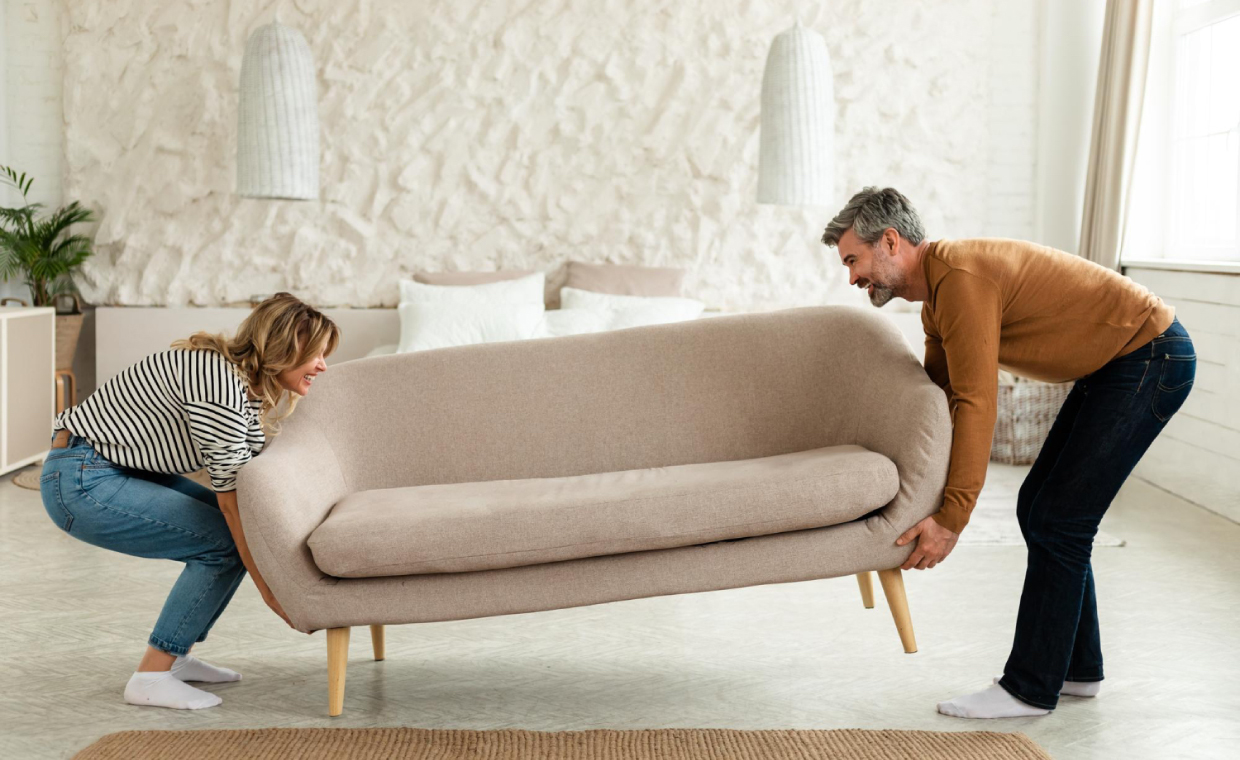
A newly built or renovated home is a blank slate, and the temptation is to fill it all at once. Resist it. The homes that end up looking considered are almost always furnished in the right order: the pieces that matter first, the rest over time. Rushing the whole house in a single shopping trip is how you end up with a home that looks bought rather than lived in. Here is a more sensible sequence.
Start With How Each Room Will Actually Be Used

Courtesy - Magnific

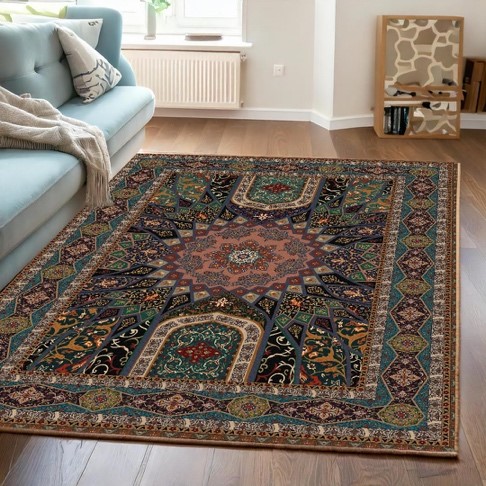
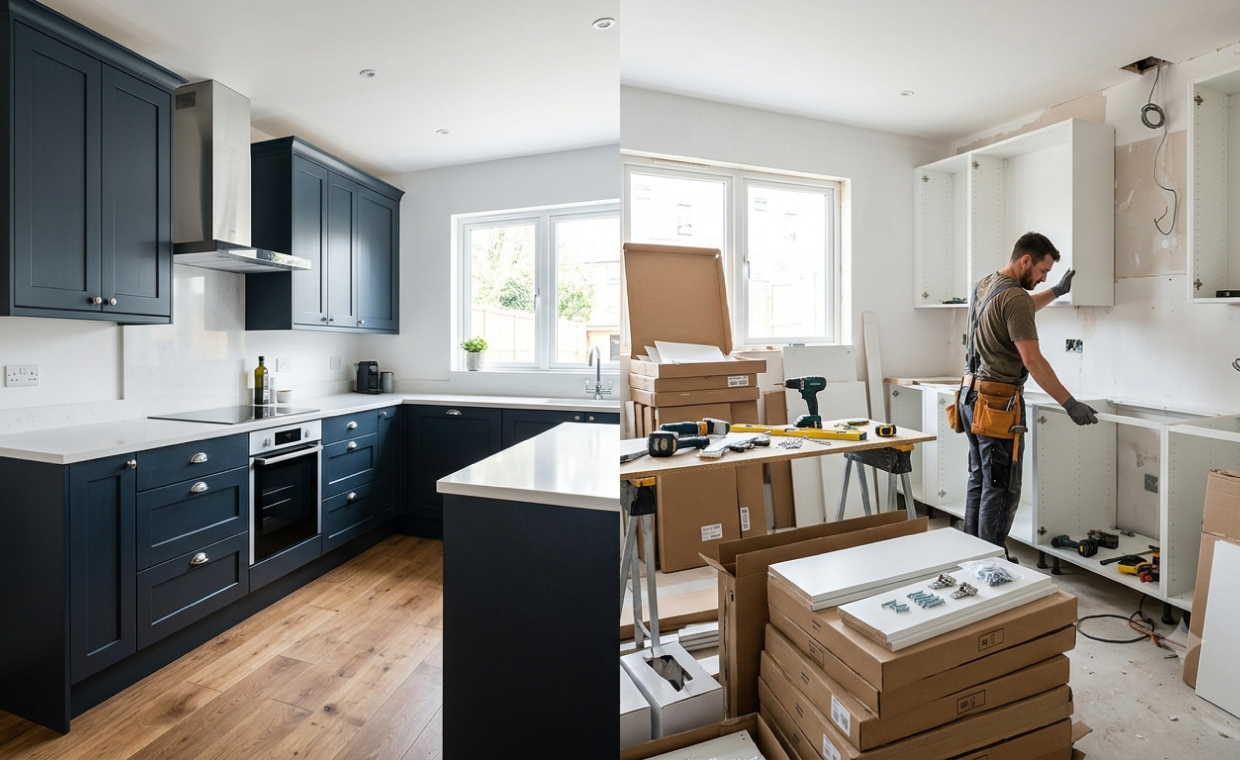
Before buying anything, be honest about how each room will be used, and by whom. A living room that hosts guests every week has different needs from one used mainly for quiet evenings. A dining room used daily is not the same as one opened up twice a year. Work that out first, because it decides everything that follows: the size of the pieces, their durability, and how much they need to do.
Measure each room too, including doorways and stairwells. A piece that will not fit through the door is a problem best discovered on paper rather than on delivery day.
It also helps to think a few years ahead. A home for a young couple will change as a family arrives; a home built for retirement has different priorities again. You do not have to furnish for every future at once, but knowing which way the household is heading stops you buying pieces you will resent within a year or two.
Buy The Anchor Piece for Each Room First

Courtesy - Magnific

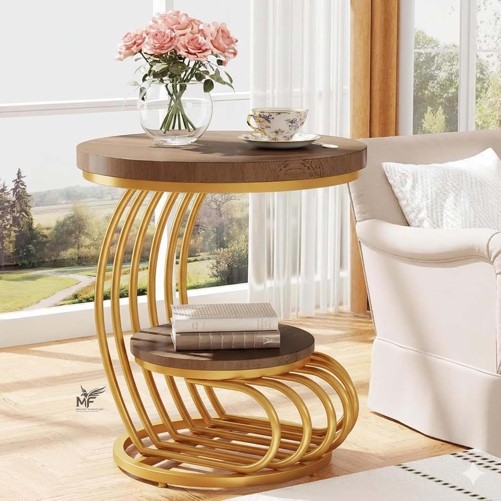
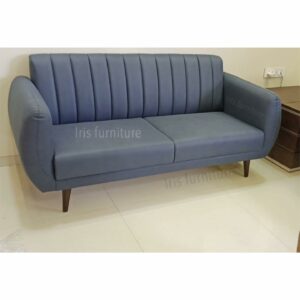
Every room has one piece it is built around. In the living room it is usually the sofa; in the dining room, the table; in the bedroom, the bed. Buy that piece first, and buy it well. It sets the scale, the tone and the material palette for everything else in the room, so getting it right makes every later decision easier.
This is also where the budget should concentrate. A well-chosen anchor piece carries a room even when everything around it is simple, which is exactly the effect you want while the rest of the home slowly comes together.
Choosing the anchor also settles a hundred smaller decisions in advance. Once the sofa is a warm walnut and tan leather, the rug, the lamps and the side tables almost pick themselves, because they now have something to answer to. Start with the accessories instead and you are decorating in the dark, guessing at a scheme that has no centre.
Fill In Slowly, Not All at Once
Once the anchor pieces are in, slow down. Live in the rooms for a while before buying the rest. You will learn where the light falls, where you actually sit, and what the room is missing, and those lessons are worth more than any plan drawn up before you moved in.
A home furnished gradually looks collected rather than bought. A home furnished in a single weekend tends to look like a showroom: matching, complete and slightly lifeless. The gaps along the way are not a problem. They are how a home develops character over time.
There is a financial case for patience as well. Spreading the spend over months rather than weeks lets you buy each piece properly instead of settling for whatever is available and affordable on one particular day. A little discipline here usually means fewer, better things and less money wasted on stopgaps you later replace.
Spend Where It Shows and Lasts
Courtesy - Magnific
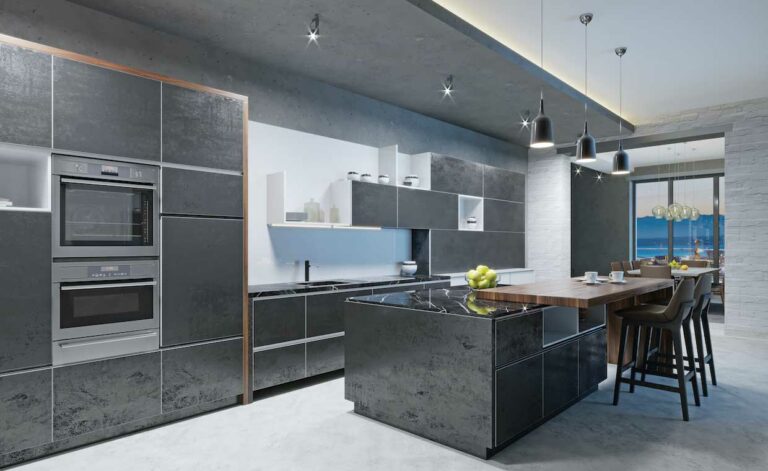
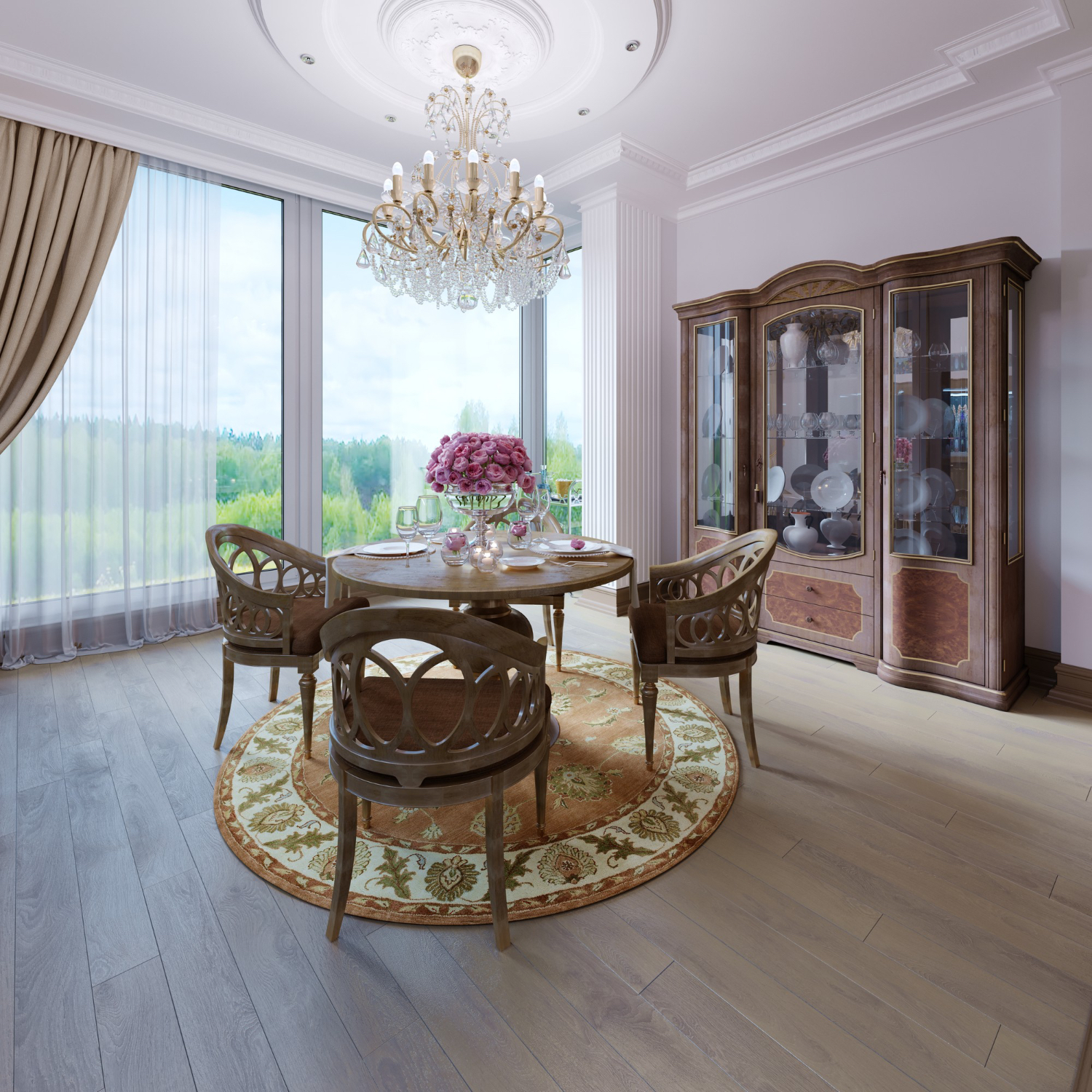
As the rooms fill in, keep spending where it counts. Put the money into the pieces people see and use every day, and keep the hidden, functional items simple and inexpensive. Buy for durability as much as looks, because a piece that lasts is cheaper over time than one replaced every few years.
For the anchor and statement pieces, design classics are a sound choice, because they are comfortable, they last and they never date. A specialist such as Mobelaris offers faithful reproductions of these designs, sold honestly as reproductions, which lets a new home have real design character without a licensed price. Used sensibly, it is a way to furnish the pieces that matter properly while the budget is stretched across a whole house.
Leave Room to Breathe
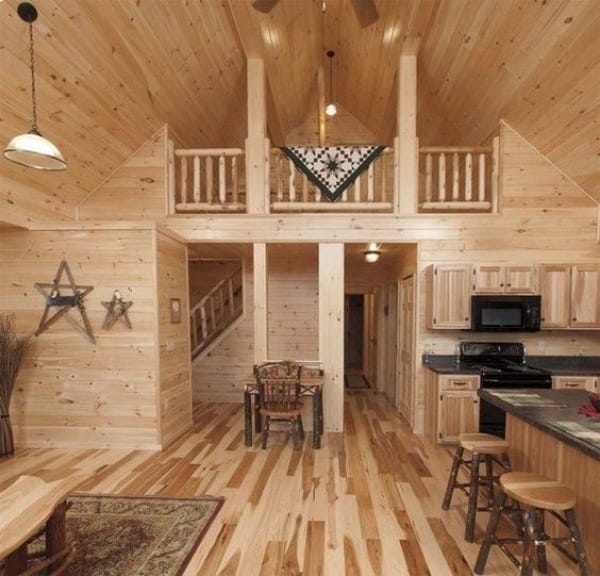
Finally, do not feel a new home has to be finished on day one. Empty space is not a fault to be corrected. A room with a little room in it feels calmer and more considered than one packed to the walls, and it leaves space for the pieces you will fall for later.
Furnish in order, invest in the anchors, fill in slowly, and leave room to breathe. Do that and a new house becomes a home that looks like it was always meant to be exactly as it is.
Also Read: How to Choose the Best Furnishings if You have Pets?
FAQs on The Right Order to Furnish a New Home
1. What should I buy first when furnishing a new home?
Start with the anchor piece for each room, such as the sofa for the living room, dining table for the dining room, or bed for the bedroom.
2. Why should I furnish a new home gradually?
Furnishing gradually allows you to understand how you actually use each room, avoid unnecessary purchases, and create a more personal and collected look.
3. How should I budget when furnishing a new home?
Prioritise pieces that are frequently used, highly visible, and expected to last. Spend less on functional items that do not significantly affect the room’s appearance or comfort.
4. Should every room be completely furnished before moving in?
No. Leaving some spaces unfinished gives you time to understand what the room needs and prevents rushed purchases that you may later replace.
5. What is the best order to furnish a new home?
The best order to furnish a new home is to determine each room’s purpose, choose its anchor piece, add essential furnishings gradually, and finish with accessories and decorative elements.
Courtesy - Featured Image(Magnific)
Author & Expert Review
Written By:  Nidhi Patel | Civil Engineer & Content Writer

| Credentials: B.E. (Mahatma Gandhi Institute of Technical Education and Research Centre), Registered with Gujarat Technological University (GTU). Experience: Civil Engineer with 3+ years of content writing experience, currently writing blogs for Gharpedia, part of SDCPL. Expertise: Specializing in SEO-optimized blogs and long-form articles focused on home improvement, construction, interiors and architect topics. I create well-researched, reader-focused content that balances technical accuracy with clarity, making complex subjects easy to understand. Find her on: LinkedIn |
Verified By Expert: Farhan Shaikh – Senior Manager – Architect, SDCPL | Associate Member – IIA

This article has been reviewed for architectural and interior design accuracy by Farhan Shaikh, Senior Manager – Architect at Sthapati Designers & Consultants Pvt. Ltd. As the lead for all architectural and interior projects at SDCPL and an Associate Member of the Indian Institute of Architects (IIA), he brings hands-on experience in architectural planning, interior design, project coordination, and sustainable strategies. His review ensures the content reflects practical design considerations, industry best practices, and real-world applicability across both architecture and interior spaces.
Find him on : Linkedin