






Table of Contents
Quick Summary
- Explore why mid-century couches continue to work in contemporary interiors.
- Learn how tapered wooden legs and low profiles create the signature look.
- Find out how to choose cushions that balance comfort with a neat silhouette.
- See why neutral upholstery can keep a sofa looking relevant for longer.
- Understand how tables, rugs and room scale affect the overall arrangement.
- Follow simple styling ideas that keep the room clean without making it feel bare.
Courtesy - Magnific
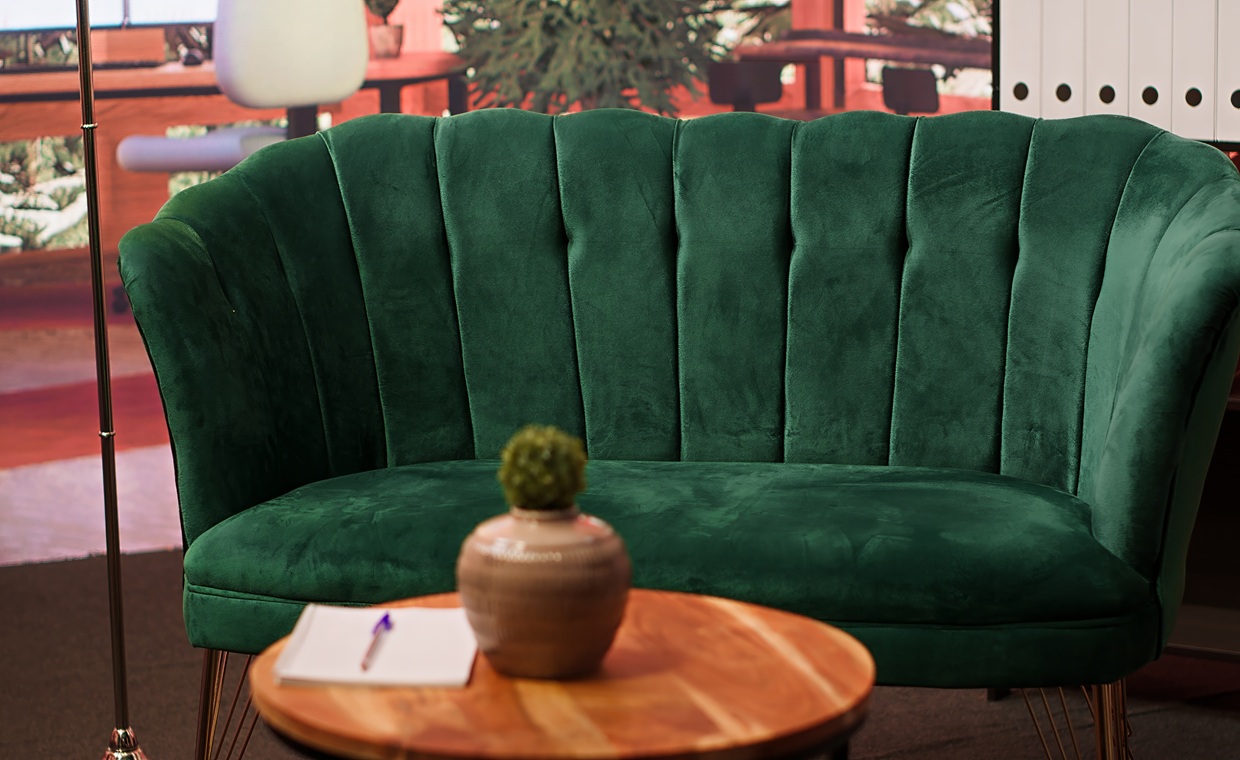
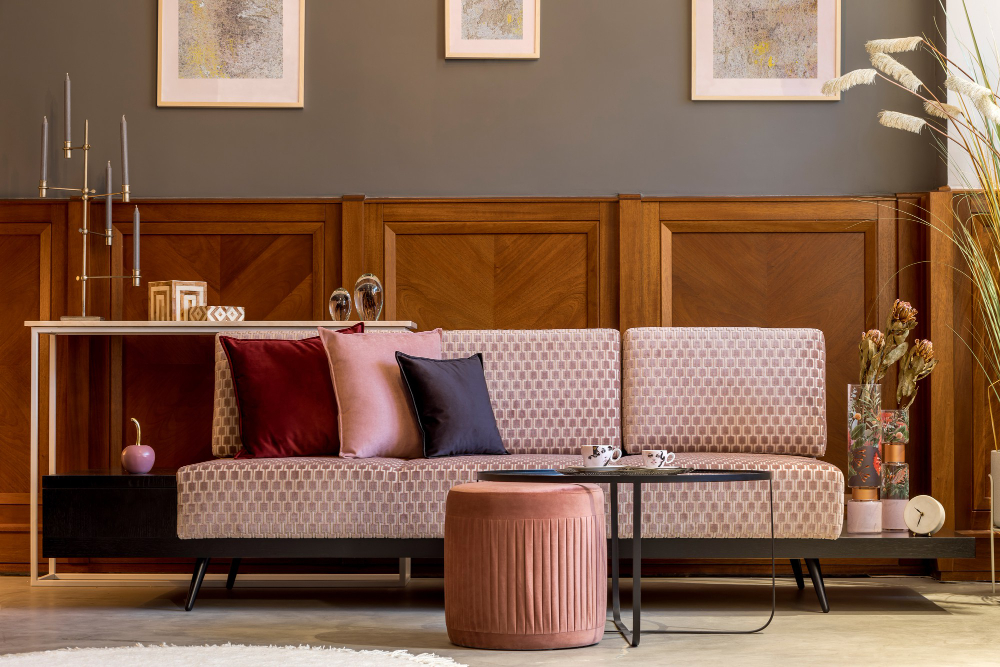
Tapered legs never left the mood boards, and well made mid century modern style couches keep the look fresh with honest wood and better proportions.
Mid-century style works because it stays simple. Low profiles suit modern rooms. Warm wood tones add balance to cool walls. Choose a piece that reads classic rather than costume. A tufted back can add interest without clutter.
Look for True Wood Legs
Courtesy - Magnific
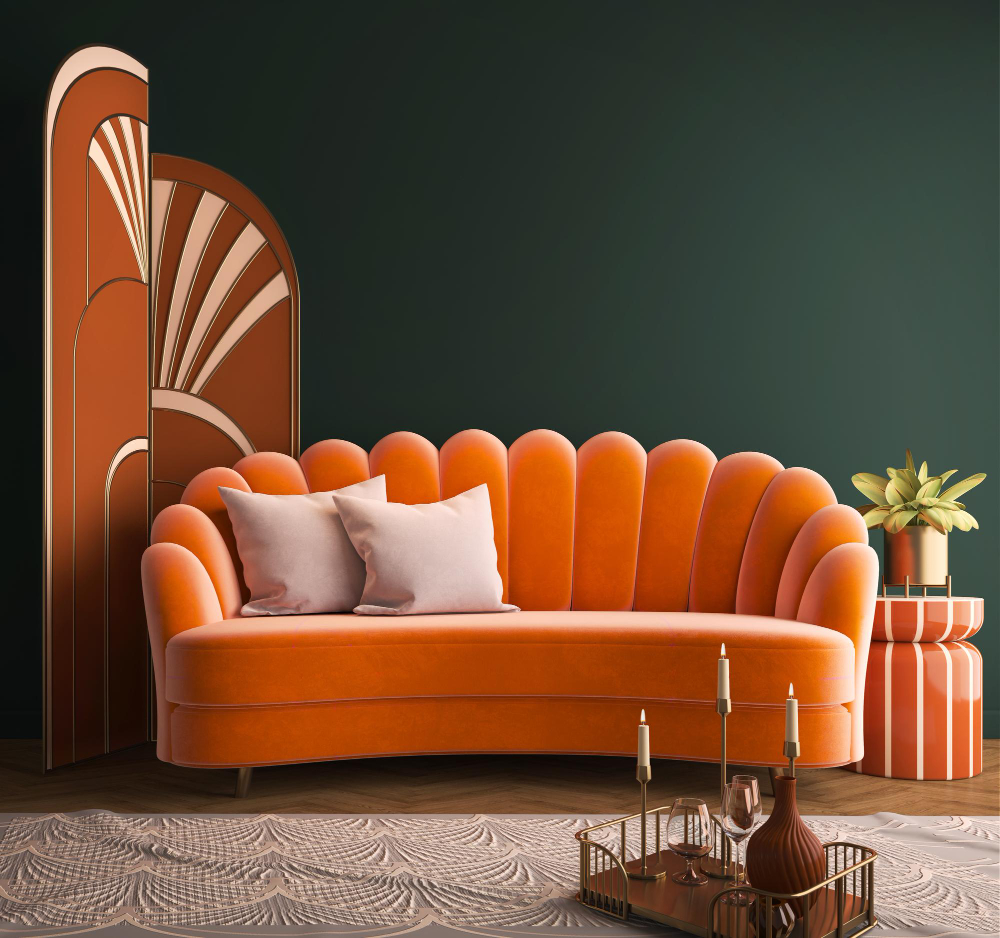
Mid-century lives or dies by the legs.
Real pieces use solid timber, not a printed veneer on plastic, so tap the leg and listen for a dense tone rather than a hollow ring. Look for a slight taper that narrows toward the floor, and avoid chunky blocks that read as a later add on.
A warm walnut tone ages better than a pale pine, while you check the joint where the leg meets the frame for a clean line. Tighten the leg bolts each season to stop a wobble, because a well made leg lifts the whole look without a word. Pick the timber that feels honest in your hand.
Kneel and view the piece from a low angle as a designer would. The leg line should feel calm, not busy or forced, so compare two tones under the lamp at the store before you choose.
Low Profile Sits Right
Low lines suit modern rooms.
A low mid-century sofa suits a modern room with ease.
The seat should sit near sixteen inches from the floor for a relaxed feel, so test the height with your own legs before you praise the look. A low base opens the wall above and lifts the eye, and you should avoid a tall back that blocks the window behind the piece.
Sit and read for twenty minutes to learn the truth, because your knees should bend at a gentle angle, not a sharp one. A shallow seat helps the low style read as current, while you place the piece on a flat rug so the line stays even. Pick the profile that fits your room, not the catalog shot.
Stand at the door and judge the sight line the piece creates. A low sofa leaves the art and the window free to speak, so move a chair nearby to test the balance of heights.
Pick a Balanced Cushion
Courtesy - Magnific
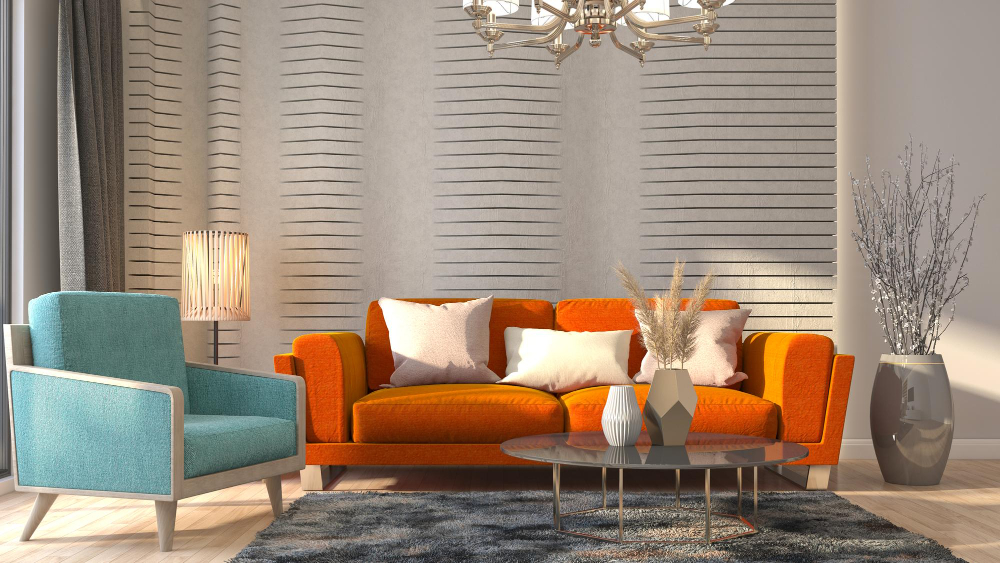
The cushion makes or breaks the mid-century calm.
A medium firm pad holds the line without a sunken look, so choose with care and look for foam with a soft wrap on top for surface ease. Press the center and count the seconds to spring back, because a fast return means the core stays strong under daily use.
Rotate the cushions each week so the wear spreads out, and a tight back keeps the daytime shape neat and tidy. Test the seat with a book on your lap for a real read, since your hips should rest at a healthy height, not a low slump. Pick support that feels calm, not a showroom trick.
Sit on two models and note which one your back forgets after ten minutes. The right cushion disappears under you during a long read, so bring a throw pillow from home to test the match.
Neutral Covers Age Well
Keep this point in mind.
A mid-century sofa reads best in a calm cloth.
Choose a warm grey or a soft tan that fits most walls, and skip the loud print that fights the room. A textured weave hides light dust between weekend cleans, so avoid bright patterns that date the piece within a year.
Removable covers save the day after a bad stain at home, while a light tone opens a small room and keeps it airy. Dark grey grounds a large space without a heavy feel, so check the zipper quality before you trust the wash. Pick the neutral your room can live with for a decade.
Order two swatches and pin them to the wall for a weekend of light. Live with the colors as the sun moves through the day, because a neutral that pleases at noon may tire by evening lamp.
Pair with Simple Tables
Courtesy - Magnific
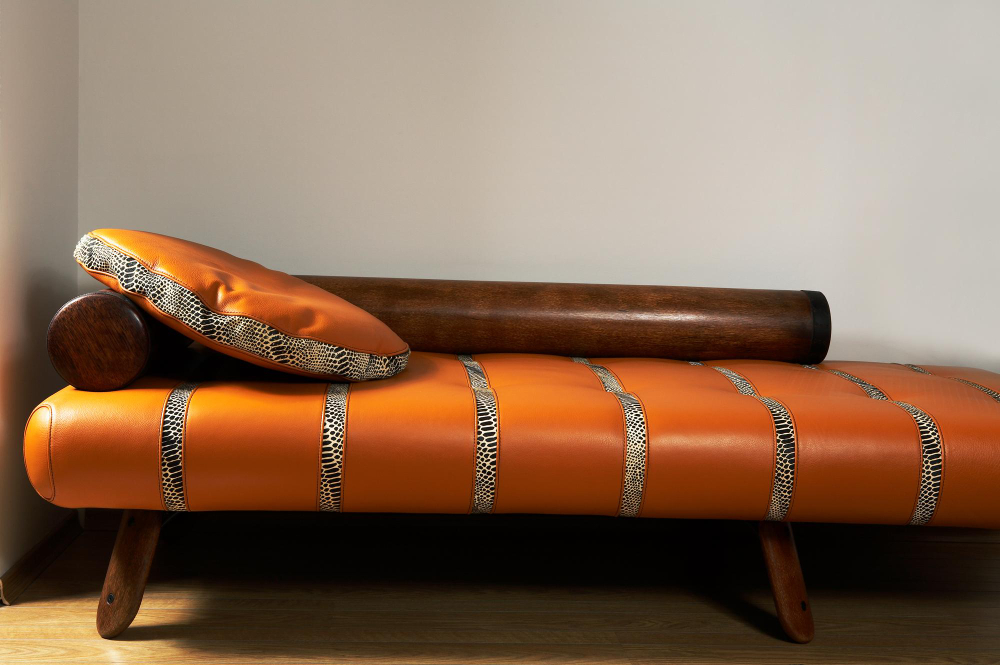
Let the sofa lead the room.
The sofa should lead the room, so keep the tables plain and few.
A slim wood coffee table echoes the leg tone with ease, and you should avoid a heavy block that fights the light mid-century line. Pick a round side table to soften the straight edges, while the coffee table sits about eighteen inches from the seat front. A clear top keeps the low look open and calm.
Match the wood to the legs for a tied together feel, and skip the glass unless the room needs more light. Add a small tray to corral the remotes and the books, then move the table aside when you vacuum the rug. Choose pieces that fade back so the sofa stays the star.
Stand back and view the trio of sofa, table, and lamp as one group. The tables should whisper, never shout across the floor, so a low table keeps the eye moving to the art above.
Mind the Room Scale
Scale can make or break it.
A mid-century piece can shrink a huge room or swell a small one.
Measure the wall where the sofa will sit before you buy, and leave a foot of space on each side for the eye to rest. A long low model suits a wide wall with art above, so avoid a tiny sofa lost in a loft with tall ceilings.
Tape the footprint on your floor for a day to learn the truth, and pair the size with a rug that grounds the seating. Move a chair to balance the empty corner nearby, while you watch the light move across the piece at two hours. Pick the scale your room confirms, not the floor model.
Invite a friend to sit while you stand at the door and judge. The sofa should feel placed, not dropped in the middle, so shift the piece a few inches and watch the mood shift.
Keep the Lines Clean
Restraint is the whole trick.
The beauty of this style is restraint, so fight the urge to clutter.
Keep the top clear except a single book and a low bowl, and avoid stacks of magazines that break the calm line. Choose art with a simple frame above the back, while a plant in the corner adds life without noise. Dust the wood legs with a soft cloth each week.
Keep the floor bare around the piece so the shape reads, and store the remotes in a tray to hide the mess. Skip the throw collection that buries the clean form, then vacuum the crevice to stop grit from cutting the cloth. A clean stage lets the mid-century lines do the talking.
Walk the room with fresh eyes after a busy week and clear what crept in. The sofa rewards a tidy surface more than any other style, so put the extras in a basket behind the chair out of sight.
Mid-century style stays current because it keeps things simple. Choose honest wood, a calm cloth, and a low line. Let the sofa lead and the room follow with ease. A restrained piece rewards you long after the trend fades.
Also Read: No Spare Room This Sofa Turns Into a Bed in Seconds
FAQs – Mid-century Couches
1. What makes a couch mid-century modern?
A mid-century couch usually features a low profile, clean lines, tapered wooden legs and simple upholstery. Its design avoids excessive ornamentation while keeping the proportions visually balanced.
2. Are mid-century couches still popular?
Yes. Their simple proportions and restrained detailing work well with contemporary interiors. Choosing neutral upholstery and natural wood can make the style feel current rather than dated.
3. What colour is best for a mid-century couch?
Warm grey, beige, tan and other understated neutral shades are versatile choices. They work with different wall colours, flooring and decorative styles while allowing the sofa’s shape to remain the focus.
4. How high should a mid-century couch be?
Many mid-century designs have a relatively low seat and overall profile. However, comfort should take priority, so test the seating height and depth before buying rather than choosing solely for appearance.
5. What furniture goes well with a mid-century couch?
Simple wooden coffee tables, round side tables, understated lamps and minimal artwork complement the style. Matching or coordinating the wood tone with the sofa legs can create a more cohesive room.
Courtesy - Featured Image(Magnific)
Author & Expert Review
Written By:  Gaurav Mishra | Civil Engineer & Content Writer

| Credentials: B.E. (Mahavir Swami College, Surat), Registered with Bhagwan Mahavir University (BMU). Experience: Civil Engineer with 5+ years of content writing experience, currently writing impactful articles for Gharpedia, part of SDCPL. Expertise: Specializes in writing well-researched content on residential construction, construction materials, design planning, on-site practices, and safety, blending technical accuracy with everyday clarity. Find him on: LinkedIn |
Verified By Expert:  Shekhar J. Parikh – Co Founder – Gharpedia | Director – SDCPL

This article has been reviewed for technical and execution accuracy by Shekhar J. Parikh, Director and Consulting Engineer at Sthapati Designers & Consultants Pvt. Ltd. With over 40 years of experience in civil engineering, project execution, and construction management across Gujarat and Maharashtra, he ensures the content reflects practical site knowledge, quality control standards, and industry best practices, while also supporting informed decision-making for property buy, sell, and rent considerations.
Find him on : LinkedIn