





Table of Contents
Quick Summary
- If your home lacks a guest room, this guide shows how one piece of furniture can solve the problem.
- Explains how a sofa that converts into a bed works and why it suits compact homes.
- Shares layout and measuring tips to ensure the bed opens comfortably.
- Covers seating and mattress features that improve daily comfort and guest sleep quality.
- Recommends storage and styling ideas to keep small living rooms organised.
- Compares the value of a convertible sofa with an air mattress.
- Highlights who benefits most from this furniture and when it may not be the right choice.
Courtesy - Magnific
I live in a one bedroom with no guest room, and my friends visit more than my square footage allows. For years the solution was an air mattress that took twenty minutes to inflate and a floor that took a week to forgive. You probably know the routine if your place is small.
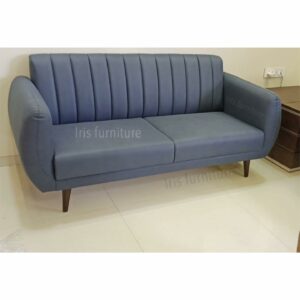
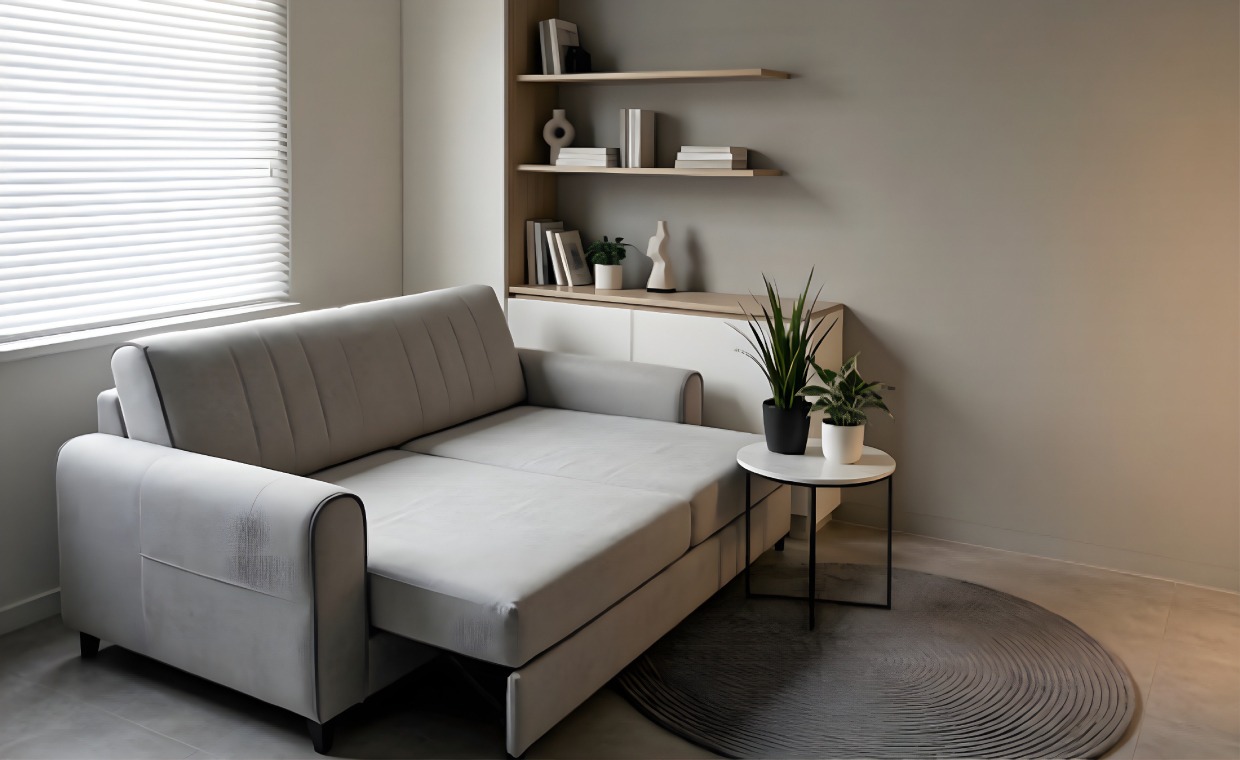
The fix that actually worked was a sofa that turns into a bed parked right in the living room. By day it is where I read and eat pasta, and by night it becomes a real bed for whoever stayed late. Small space stops being the excuse.
Here is how the convert works, why it fits a tight layout better than a spare room ever could, and the small space tricks that keep the room livable. I will also share the measuring habit that saved me from a bed I could not fully open.
The No Spare Room Reality
Most city apartments give you a living room, a bedroom, and a choice. Either the living room stays a living room, or it becomes the guest room three weekends a year and a mess the rest.
A converting sofa removes the choice. You keep the living room as a living room every day, and you gain a bed only on the nights you need one. The room does not have to pick a side.
How it Turns into a Bed
The power version opens in one motion. You press a button, the seat glides forward, and a flat sleep surface appears where the cushions were. No lifting the seat, no pulling a hidden frame, no moving the coffee table first.
One button beats a two step convert every time in a small room.
The bed lies flat rather than on a ridge, which is the difference between a guest sleeping and a guest enduring. Two friends who are picky about their backs both made it through the night without a word of complaint.
When morning comes you press the button and the room is a living room again before the coffee finishes. That speed is what makes the piece feel normal instead of like camping gear you forgot to put away.
Small Space Layout That Works
A converting sofa wants clear floor in front, not behind. The bed slides out into the room, so the walking lane matters more than the wall space behind the back.
| Room size | Sofa to pick | Open clearance needed | Tip |
| Under 150 sq ft | Loveseat sleeper | About 6 ft | Keep one side open |
| 150 to 250 sq ft | 3 seat sleeper | About 7 ft | Float it off the wall |
| 250 sq ft plus | Oversized sleeper | About 7.5 ft | Add a rug zone |
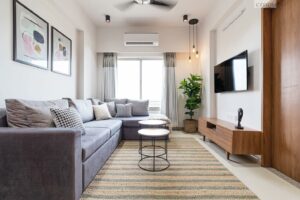
In my place I floated the sofa about a foot off the wall. That gave the bed room to open and made the corner feel planned instead of crammed.
Comfort by Day, Comfort by Night
You will use the sofa side far more than the bed side, so do not buy on the bed alone. A seat depth near 22 inches with a firm cushion keeps daily sitting comfortable.
The bed side should still feel like a bed. A 5 inch foam mattress beats the old bar and pad by a mile, and a flat deck means no metal line down the middle of a guest’s back.
Pick a fabric that survives both. My cream weave hides crumbs by day and wipes clean after a guest spills tea by night. Matte finishes read as cozy under warm light.
The trick nobody tells you is where the bedding goes. In a no spare room you have no linen closet by the bed, so I keep a rolled duvet and two pillowcases inside a storage ottoman that also serves as a side table. Tape the full open length on your rug for a day before you buy, because a bed that blocks the closet door is a bed you will stop using. Measure the path from the door to the spot too, since the frame is wider than it looks.
Who this Solves for
It solves the problem for renters, studio dwellers, and anyone whose guest room is also the office. If you host a few times a month, the convert pays off fast.
If you already have a spare room, a plain sofa and a real bed will serve you better and cost less. Be clear about which camp you are in before you pay for the mechanism.
Small Habits That Keep It Easy
- Make the bed and close it the same morning. A left open sleeper reads as a mess, not a room.
- Keep a throw on the seat so daily wear stays off the sleep surface.
- Run the power cable under a flat rug so the cord is not a trip line across the floor.
The Nightly Routine That Keeps Peace
When a guest stays, I make the bed right after dinner, not at midnight. The duvet lives in the ottoman, the pillows come from the closet, and the whole change takes two minutes while the kettle boils.
In the morning I close it before I leave for work. A sofa left open reads as a crashed camp, while a closed one reads as a room you meant to have. That two minute habit is the difference between tidy and chaotic.
Styling a Small Room Around It
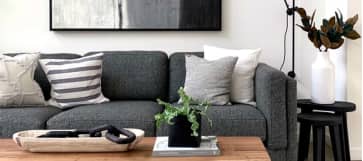
Because the piece does double duty, I keep the rest of the room calm. One plant, one lamp, and a rug under the sofa make the convert feel like a choice, not a compromise.
Skip the second accent chair. In a small place the sofa is the seat, the guest bed, and the reading spot, so everything else should whisper and leave the floor clear for the open bed.
A small room reads bigger when the convert is the only big thing in it.
Cost Versus the Air Mattress
An air mattress is cheap and sad. It leaks, it chills, and it eats twenty minutes you could spend relaxing. The converting sofa costs more up front but pays back in sleep quality and in not owning two separate pieces.
Over a year of monthly guests the math flips fast. One good night for a friend is worth more than the price gap, and you get a better sofa every other day of the year.
Lighting That Hides the Double Duty
Warm light makes the convert read as a living room even when the bed is made. I use one floor lamp and a small sconce, both on warm bulbs, so the room feels like home and not a hotel.
Skip the overhead spotlight. A bright white ceiling light at night announces the bed the moment you walk in, while soft pools of light let the eye relax and read the room as a lounge.
A rolled throw at the arm and a single book on the table finish the look. The trick is to make the sofa look lived in, not staged, so guests feel at home and you stop seeing the mechanism.
When the Convert Is the Wrong Call
If you host less than twice a year, a quality air mattress and a great plain sofa cost less and feel better daily. The convert only pays off when the bed earns its keep, so be honest about your calendar.
If your place has no spare room, the oversized power sleeper I kept is the one to see. Check the open length and the fabric options before you measure your space.
Also Read: Office Sofa Furniture: What to Know Before You Buy
FAQs – Sofa That Turns into A Bed
Q1. Is a sofa that turns into a bed comfortable for everyday use?
Modern sofa beds with quality foam mattresses and sturdy support systems can provide comfortable seating every day and a good sleeping surface for guests.
Q2. How much space is needed to open a sofa bed?
The required space depends on the model, but most need around 6 to 7.5 feet of clear floor space in front of the sofa.
Q3. Is a convertible sofa better than an air mattress?
If you host guests regularly, a convertible sofa is usually more practical, comfortable and space efficient than an air mattress.
Q4. What should I measure before buying a sofa bed?
Measure the room, the fully opened bed length, doorways, hallways and walking space to ensure the sofa fits and opens properly.
Q5. Who should buy a sofa that turns into a bed?
It is ideal for apartment owners, renters, studio dwellers and anyone who needs occasional guest accommodation without a dedicated spare room.
Author & Expert Review
Written By:  Gaurav Mishra | Civil Engineer & Content Writer

| Credentials: B.E. (Mahavir Swami College, Surat), Registered with Bhagwan Mahavir University (BMU). Experience: Civil Engineer with 5+ years of content writing experience, currently writing impactful articles for Gharpedia, part of SDCPL. Expertise: Specializes in writing well-researched content on residential construction, construction materials, design planning, on-site practices, and safety, blending technical accuracy with everyday clarity. Find him on: LinkedIn |
Verified By Expert: Farhan Shaikh – Senior Manager – Architect, SDCPL | Associate Member – IIA

This article has been reviewed for architectural and interior design accuracy by Farhan Shaikh, Senior Manager – Architect at Sthapati Designers & Consultants Pvt. Ltd. As the lead for all architectural and interior projects at SDCPL and an Associate Member of the Indian Institute of Architects (IIA), he brings hands-on experience in architectural planning, interior design, project coordination, and sustainable strategies. His review ensures the content reflects practical design considerations, industry best practices, and real-world applicability across both architecture and interior spaces.
Find him on : LinkedIn