





Table of Contents
Quick Summary
- Learn how luxury furniture can improve both comfort and everyday functionality.
- Explore practical kitchen upgrades, including pot fillers, sinks and modern faucets.
- Find bathroom fixtures that maximise storage while creating a spa-like feel.
- Understand what to look for when choosing durable living room and dining furniture.
- Discover smart storage solutions for bedrooms and home offices.
- See how outdoor furniture extends your living space with lasting comfort.
- Learn how mirrors, clocks and decorative accents complete a contemporary home.
- Get practical buying tips that help you balance style, durability and daily use.
Courtesy - Magnific
I’ve spent years walking through remodels with homeowners, and the same question comes up almost every time: “Can this look great and actually work for my day-to-day life?”Years ago, homeowners had to pick a side. Now they expect both, and honestly, the market has caught up.
A chair should look good and support your back after an hour of sitting. A sink should shine under the lights and still drain fast when you’re rinsing a pot at 7 a.m. That mix of form and function has become the real standard, not just a marketing line.
Below, I’ll walk through each part of the home, room by room, based on what actually holds up over time and what tends to disappoint. Some of this comes from watching products age in real homes, not just reading spec sheets.
Kitchen Upgrades That Blend Function with Luxury
Courtesy - Magnific
The kitchen takes more daily wear than almost any other room. Cabinets get bumped. Faucets get used dozens of times a day. Whatever you install here needs to earn its keep.
A kitchen pot filler is a small addition with an outsized payoff. It mounts above the range, so you can fill a stockpot without hauling it, full of water, across the kitchen. I’ve seen this feature win over skeptical homeowners the first time they cook pasta for a crowd. One caution worth mentioning: a pot filler needs its own water line run to the stove wall, so it’s easier to plan during a remodel than to add later.
Faucet choice at the sink matters just as much. Pull out kitchen faucets have a spray head that detaches on a hose, so you can reach every corner of a deep basin or rinse produce without repositioning the pot. Look for a flow rate around 1.5 to 1.8 gallons per minute; that range meets most US low-flow standards while still rinsing well.
If your current faucet feels short or stiff to maneuver, pull out faucets in general are worth comparing side by side. Finish options like matte black, brushed gold, and polished chrome each wear differently. Matte black shows water spots less; polished chrome shows them more but cleans up fast with a microfiber cloth.
Sinks carry their own weight in a remodel. A farmhouse double sink brings an apron-front look that reads as classic, not trendy, so it tends to age well. The split basin lets you soak dishes on one side while rinsing on the other, which is a small habit change that saves real time once you get used to it.
A few practical notes from kitchen projects I’ve followed:
- Choose a faucet with a swivel spout so it can clear a double basin easily
- Fireclay and stainless steel sinks both resist scratching better than enamel-coated cast iron
- Match faucet finish to cabinet pulls; mismatched metals are the most common regret I hear about
- Leave at least 24 inches of counter space beside the sink for prep work
None of these changes require a full gut renovation. They still make the room feel meaningfully newer.
Bathroom Fixtures That Feel Like a Spa
Courtesy - Magnific
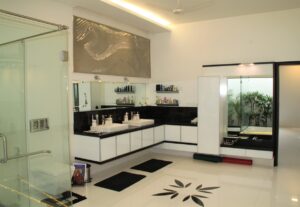
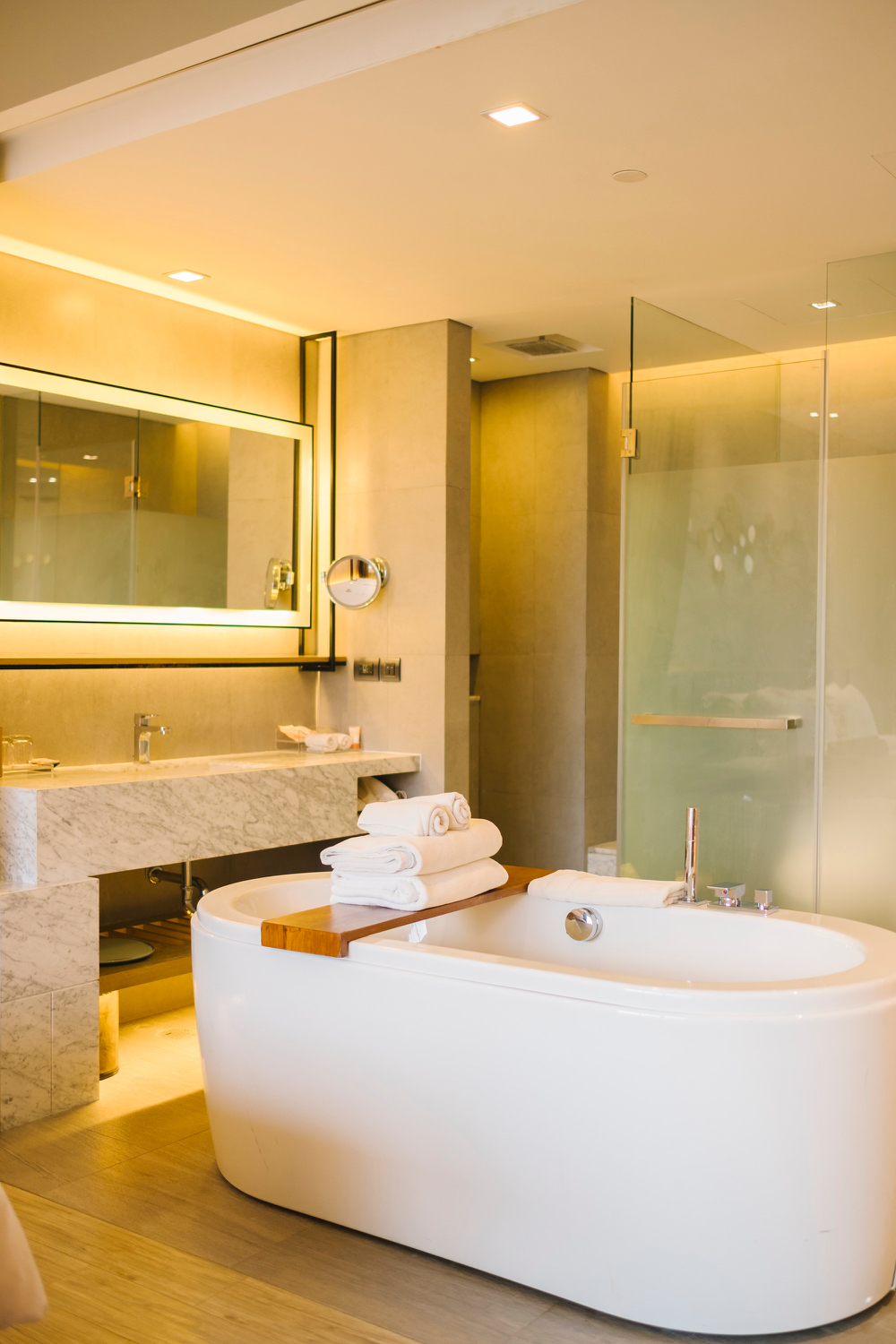
Bathrooms have moved up the priority list for a lot of homeowners in the last few years. It’s often the one room where people want quiet and calm, not just function.
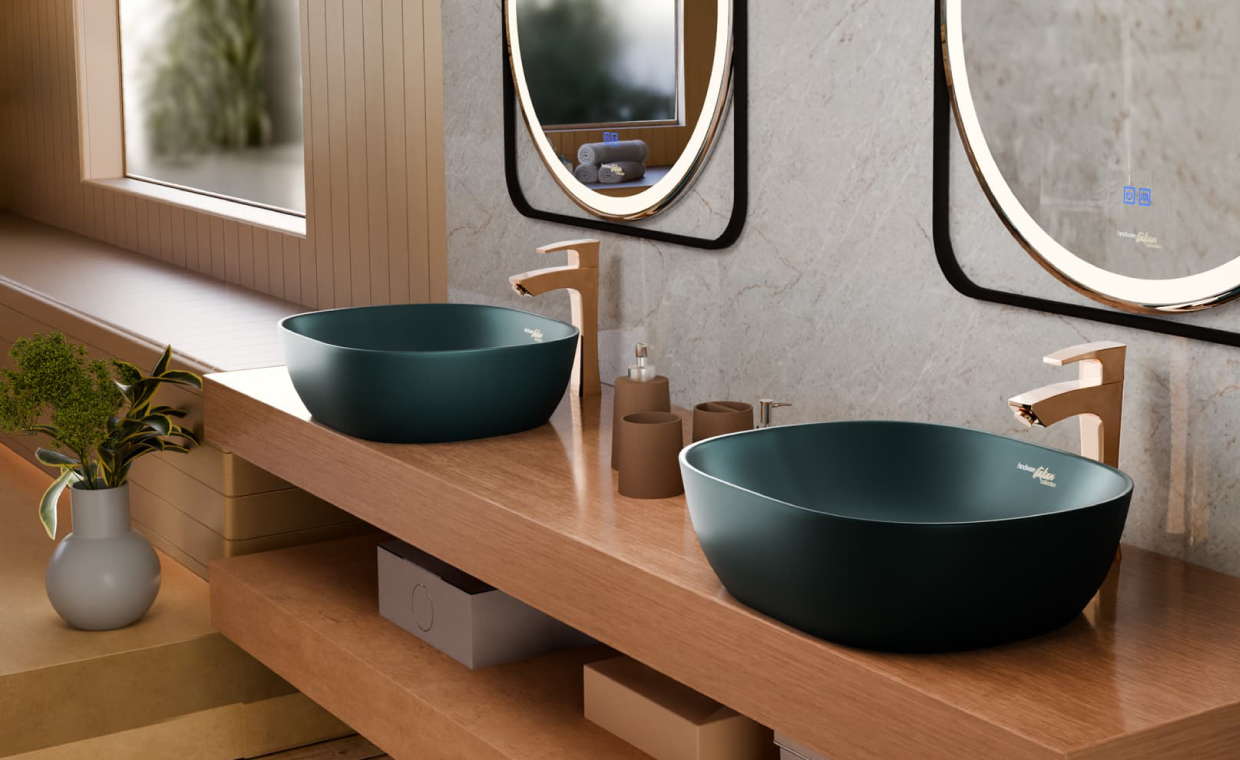
A wall mount sink works well in small or modern bathrooms because it skips the bulky cabinet base. That open floor space makes a tight powder room or guest bath feel noticeably larger, even though the square footage hasn’t changed. The trade-off is storage, so pair it with a separate cabinet or shelf nearby if you need somewhere for extra toiletries.
Storage still matters, even in a compact bath. A wall medicine cabinet keeps daily items close but out of view. Many come with a mirrored front, so you get storage and a mirror in one fixture instead of buying both separately. That’s a real space and cost saver in smaller bathrooms.
For a softer, warmer look, a wooden medicine cabinet adds grain and texture next to cool tile and glass. Oak, walnut, and maple finishes all pair well with brass or matte black hardware, and wood tends to hide small scuffs better than painted MDF over time.
A short checklist before you buy bath storage:
- Measure your wall space and check for plumbing or studs before mounting
- Choose a mirrored front if you want storage and reflection in one piece
- Match the cabinet finish to your vanity, not just the faucet
- Leave clear space for towel bars or hooks nearby
Small, well-chosen fixtures like these can turn an average bathroom into something that actually feels restful.
Furniture That Earns Its Place in the Living and Dining Room
Courtesy - Magnific
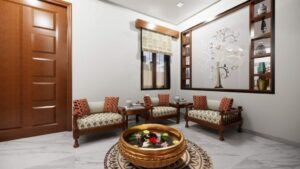
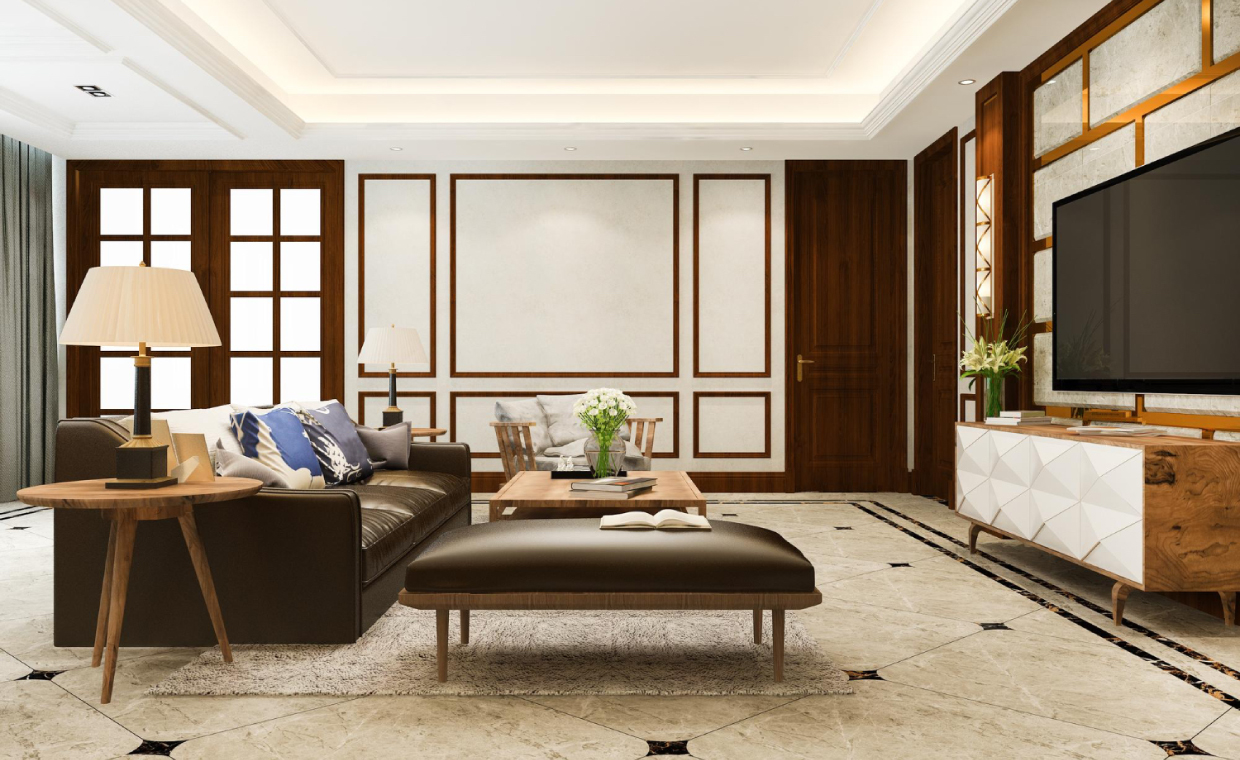
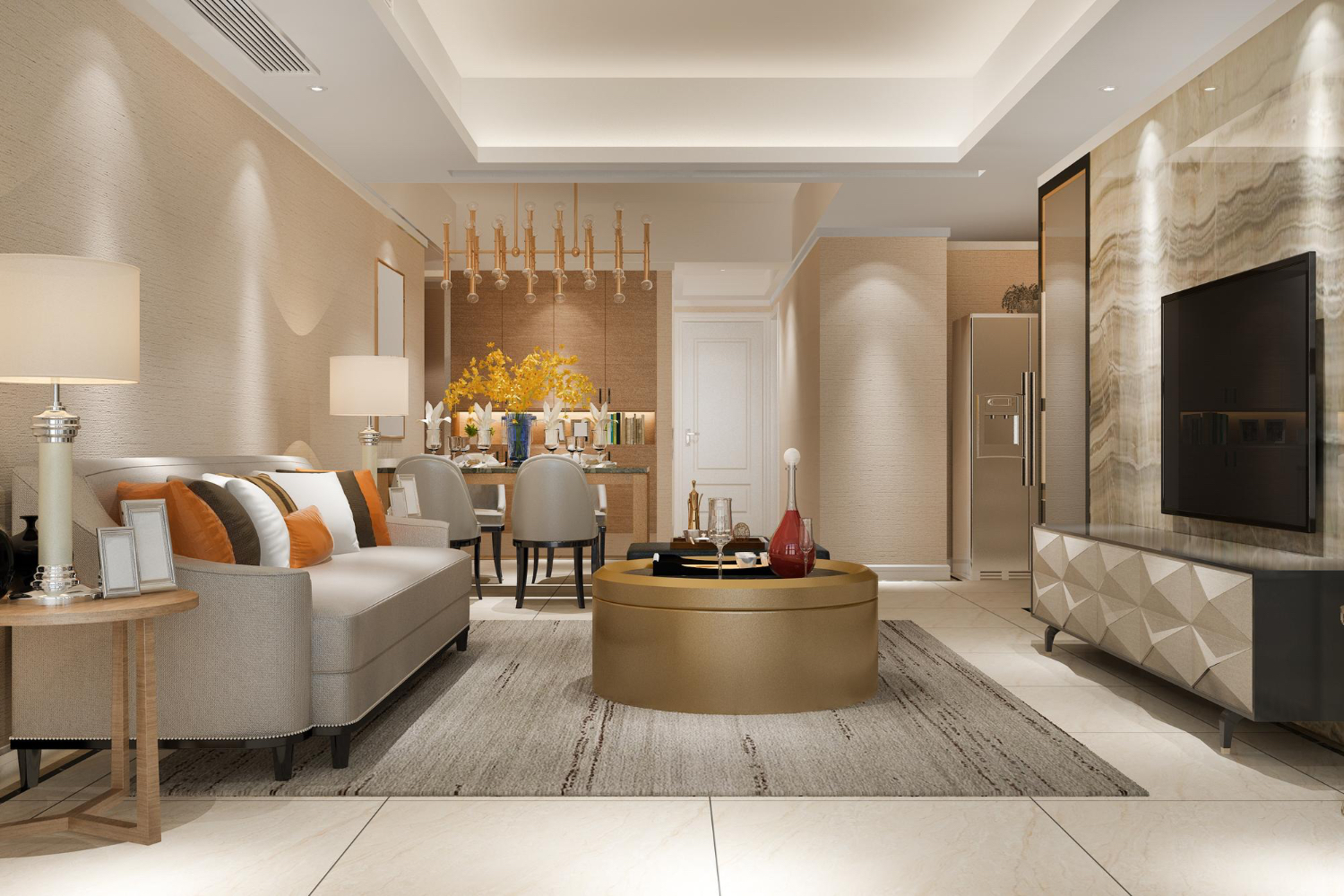
These two rooms take the most daily traffic in most households. Weeknight dinners, weekend guests, holiday gatherings; it all happens here. Furniture in this space needs to hold up under real use, not just look good on day one.
I’ve seen a lot of sectionals fail early, and it’s almost always the frame. Luxury sectionals built on kiln-dried hardwood frames resist sagging and warping far better than particleboard, even though both can look identical in a showroom. Cushion fill matters too. High-density foam holds its shape after years of use, while cheaper fill flattens within a season or two.
A few things worth checking before you buy a sectional:
- Ask about the frame material; kiln-dried hardwood outlasts particleboard
- Check cushion density, not just softness, since dense foam holds shape longer
- Measure doorways and hallways first; delivery problems are more common than people expect
- Look for double-stitched seams along stress points like armrests
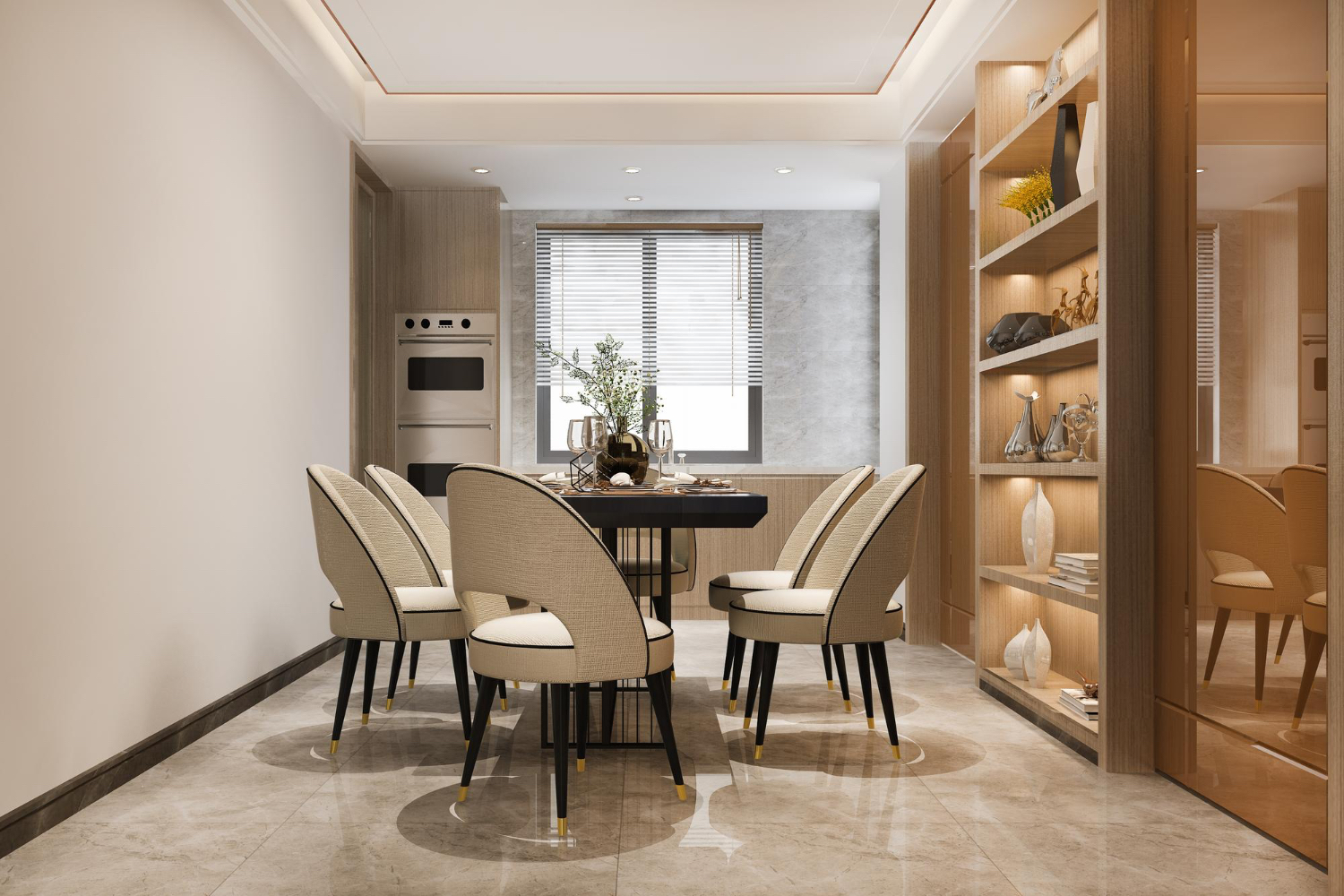
Dining chairs deserve the same level of scrutiny as the table itself. Dining chairs deserve the same level of scrutiny as the table itself. Look for luxury dining chairs built with padded seats and frames made from solid wood or metal. These hold up through a long, slow dinner instead of losing comfort after twenty minutes. A slight curve in the backrest supports your spine better than a flat panel, which is easy to miss when shopping online. A slight curve in the backrest supports your spine better than a flat panel, which is easy to miss when shopping online instead of sitting in the chair yourself.
What I’d check before buying dining chairs:
- Sit in the chair for a few minutes, not just a quick test
- Look for a curved backrest over a flat one for better lower-back support
- Check frame joints; screwed and glued joints outlast stapled ones
- Confirm seat height matches your table for comfortable knee clearance
Storage is often the missing piece in living room planning. Furniture with storage, like a coffee table with drawers or an ottoman that opens, solves clutter without adding extra pieces to a room that may already feel full. I recommend this to clients working with smaller square footage almost every time, since it does two jobs at once.
A short list for storage furniture:
- Pick a finish that blends with the wood tones already in your room
- Look for drawers built with soft-close hinges so they never bang shut
- Pick pieces sized to fit your walking path, not just the empty corner
Furniture in these rooms earns its cost back every day, not just on holidays.
Home Office & Bedroom Essentials
Courtesy - Magnific
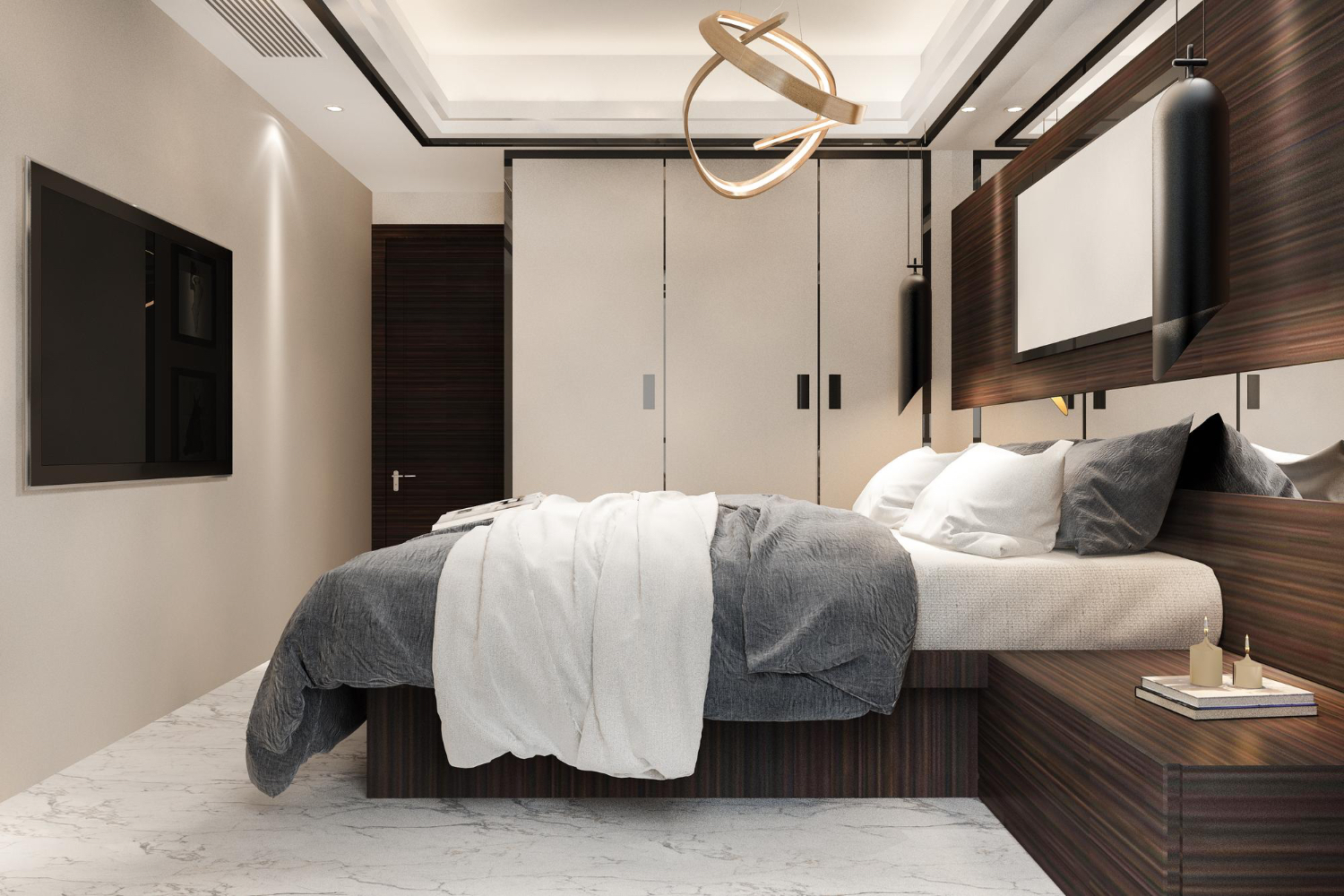
Work and rest both depend on the right setup. A cramped desk or a poorly designed nightstand wears on you faster than most people expect.
A rattan desk brings texture and warmth to a home office that might otherwise feel plain or corporate. The woven material adds visual interest without loud color or pattern, so it fits into most existing decor. It works especially well in smaller offices or a reading nook where a heavy wood desk would feel out of scale.
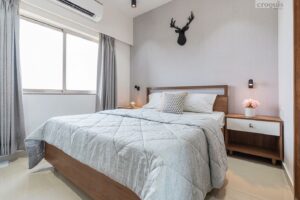
Bedroom furniture benefits from the same kind of thoughtful sizing. A thuma nightstand offers clean lines and a calm, uncluttered profile that suits a room meant for rest. It gives you enough surface for a lamp, a book, and a charger, without crowding a smaller bedroom.
Storage matters just as much upstairs as it does in the living room. Dressers, benches, and nightstands with drawers all count as furniture with storage that pulls double duty, holding daily items while shaping the room visually.
A few tips for balancing these two spaces:
- Choose a desk size based on your room’s dimensions, not just your budget
- Add task lighting near your desk and reading lighting near your bed
- Match furniture finishes across the office and bedroom for visual flow
- Keep desk cords organized with a simple cable tray or clip system
These rooms shape how well you work and how well you sleep. Both deserve careful furniture choices, not an afterthought.
Outdoor Living Upgrades
Outdoor space has become a genuine extension of the home for a lot of families, not just a patch of grass with a grill.
A luxury outdoor sofa anchors a patio or deck the same way a sectional anchors a living room. Frames made from teak, powder-coated aluminum, or all-weather wicker hold up against sun and rain far better than untreated wood. Pair the frame with cushions rated for outdoor use; look for fabric labeled solution-dyed acrylic, which resists fading better than standard cotton blends.
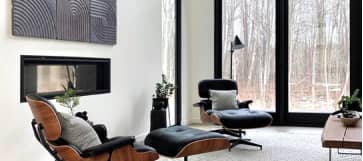
For smaller patios or balconies, an outdoor armchair and ottoman set gives full seating comfort without eating up too much space. This combination works well for morning coffee or reading, and it’s easier to rearrange than a large sectional when space is limited.
A few outdoor furniture notes worth keeping in mind:
- Choose frame materials rated for your climate, especially in coastal or high-humidity areas
- Store cushions indoors or in a deck box during heavy rain or winter
- Add a side table near seating for drinks, books, or a phone
- Check fabric warranties; most outdoor-grade textiles list a specific fade-resistance period
A well-furnished patio genuinely adds living space to a home, even without adding square footage to the floor plan.
Mirrors & Decor Accents That Complete a Room
Courtesy - Magnific
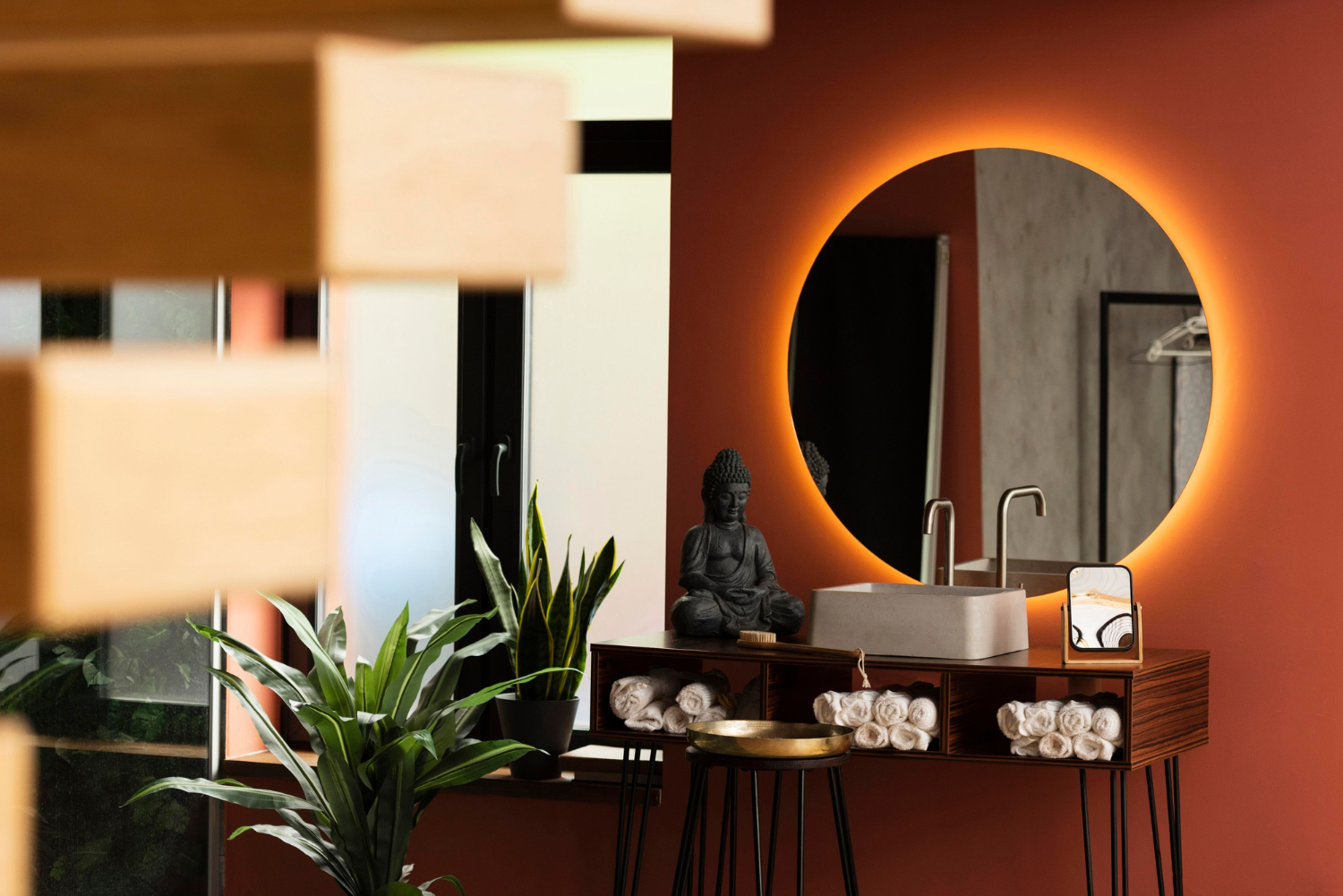
Furniture sets the frame for a room. Decor is what finishes it. Mirrors and small accents often make the biggest visual difference for the least amount of effort and cost.
A floor mirror in living room design adds height and reflects natural light, which makes the space feel brighter and larger without any structural change. Lean it against a wall for a relaxed look, or secure it to the wall for a more formal, permanent finish.
For a bolder statement, a haum luxury mirror with a carved or metal frame functions almost like a piece of art. Placed above a console table or fireplace mantel, it draws the eye and gives a plain wall real presence.
A modern floor mirror with clean edges and a simple frame suits homes with a minimal aesthetic. It skips ornate detailing in favor of shape and proportion, which pairs naturally with neutral walls and simple furniture lines.
If you want more personality, a decorative floor mirror in an arched or asymmetric shape creates a stronger focal point than a plain rectangle, especially in an entryway or bedroom corner.
Clocks round out a room in a similar way. A luxury clock on a mantel or wall gives a space a finished, intentional feel. Match the case finish to your existing metal hardware, whether that’s brass, black, or brushed nickel, so it reads as planned rather than added on.
A quick guide for choosing decor accents:
- Match mirror frame finish to nearby lighting fixtures for visual consistency
- Lean large floor mirrors for a casual look, mount them for a formal one
- Hang clocks at eye level for the best visual balance
- Stick to one bold decor piece per room instead of several competing pieces
These final touches are often what makes a house feel truly finished, not just furnished.
Conclusion
Contemporary living comes down to balance. Homeowners want beauty, but they also want a home that functions well under daily use. The strongest rooms deliver both, without giving up one for the other.
From a kitchen pot filler that saves your arms, to a wall mount sink that opens up a small bathroom, small upgrades add up quickly. Add strong seating like luxury sectionals and luxury dining chairs, thoughtful storage pieces, and outdoor furniture built for real weather, and a home starts to feel genuinely complete.
Finish with the right decor. A luxury mirror, a decorative floor mirror, or a simple luxury clock can turn an ordinary room into one that feels deliberately designed.
Good design doesn’t need to be complicated. It needs pieces that work as hard as they look good. Start with one room, make informed choices, and let the rest of the home follow.
Also Read: How to determine ideal sill level of your home
FAQs – Luxury Furniture and Functional Design
1. What is functional design in modern homes?
Functional design focuses on creating spaces that are visually appealing while making everyday activities easier, more comfortable and efficient.
2. Is luxury furniture worth the investment?
Yes. High-quality luxury furniture is typically made from durable materials and offers better comfort, longevity and timeless style.
3. How can I make a small home look more luxurious?
Use multifunctional furniture, add large mirrors, choose quality finishes and keep the décor simple and coordinated.
4. What materials last longest for outdoor furniture?
Teak, powder-coated aluminium, all-weather wicker and solution-dyed acrylic fabrics are among the most durable choices for outdoor use.
5. How do I balance style and practicality when furnishing my home?
Choose furniture that suits your lifestyle, offers useful storage, uses durable materials and complements the overall design of your home.
Courtesy - Featured Image(Magnific)
Author & Expert Review
Written By:  Gaurav Mishra | Civil Engineer & Content Writer

| Credentials: B.E. (Mahavir Swami College, Surat), Registered with Bhagwan Mahavir University (BMU). Experience: Civil Engineer with 5+ years of content writing experience, currently writing impactful articles for Gharpedia, part of SDCPL. Expertise: Specializes in writing well-researched content on residential construction, construction materials, design planning, on-site practices, and safety, blending technical accuracy with everyday clarity. Find him on: LinkedIn |
Verified By Expert: Ravin Desai – Co Founder – Gharpedia | Co Founder – 1 MNT | Director – SDCPL

This article has been reviewed for technical accuracy by Ravin Desai, Co-Founder of Gharpedia and Director at Sthapati Designers & Consultants Pvt. Ltd. With a B.Tech. in Civil Engineering from VNIT Nagpur and an M.S. in Civil Engineering from Clemson University, USA, and over a decade of international and Indian experience in the construction and design consultancy sector, he ensures all technical content aligns with industry standards and best practices.
Find him on: LinkedIn