






Table of Contents
Quick Summary
- Proper surface preparation is essential, as applying paint over dirt, moisture, or damaged material causes early peeling and blistering.
- Match paint products to the specific surface and environmental conditions, especially for exterior walls, metal, and roofing.
- Monitor weather conditions, temperature, and humidity closely, as rain or excessive heat can disrupt paint drying and curing.
- Apply the correct primer for bare timber, plaster, or metal to support proper adhesion and prevent uneven absorption.
- Avoid common application mistakes like over-brushing, applying coats too thick, or ignoring recommended recoat intervals.
- Test paint colours in natural and artificial lighting across the space before committing to a full property application.
- Prioritize comprehensive quotes that detail preparation, materials, and safety measures rather than choosing a contractor based on price alone.
Courtesy - Magnific
A fresh coat of paint can improve the appearance of your property, protect exposed surfaces and help maintain its value. However, even a well-planned painting project can produce disappointing results when preparation, product selection or application methods are overlooked.
Peeling paint, uneven finishes, visible brush marks and premature fading are often linked to mistakes made before or during painting. These problems can affect residential homes, commercial buildings and strata properties, leading to additional maintenance work and unnecessary expenses.
Whether you are updating your home’s exterior, repainting interior walls or arranging maintenance for a larger property, understanding common painting mistakes can help you achieve a finish that lasts.
This guide explains the errors property owners should avoid, how to recognise warning signs and when professional painting services may be the better option.
1. Skipping Proper Surface Preparation
One of the most common painting mistakes is applying fresh paint without preparing the surface underneath. Paint needs a clean, dry and stable surface to adhere properly. If dirt, grease, loose paint or moisture remains, the new coating may begin peeling or blistering much sooner than expected.
Preparation requirements vary depending on the material being painted. Interior plasterboard, exterior timber, metal surfaces and concrete all require different cleaning and repair methods.
Why Surface Preparation Matters
Painting directly over damaged or contaminated surfaces can hide problems temporarily without resolving them. For example, covering water stains without fixing the moisture source may allow staining and coating damage to return.
Before painting, property owners should check for:
- Peeling, flaking or loose existing paint
- Cracks, holes and damaged plaster
- Mould, mildew or visible moisture stains
- Rust on metal fixtures and surfaces
- Dust, grease and other surface contaminants
- Deteriorating sealant around joints and openings
These conditions should be addressed before applying a new coating.
How to Avoid This Mistake
Courtesy - Magnific
Begin by identifying the surface material and its condition. Remove loose coatings using appropriate methods, clean the area and allow sufficient drying time. Repair damaged sections and use a compatible primer where required.
Roof surfaces need particular attention because they are exposed to intense sunlight, rain and changing weather conditions. Property owners planning roof painting Sydney projects should ensure that roofing materials, existing coatings and any damaged sections are inspected before painting begins.
Professional preparation can help identify defects that should be repaired rather than concealed beneath a new coating.
2. Choosing the Wrong Paint for the Surface
Courtesy - Magnific
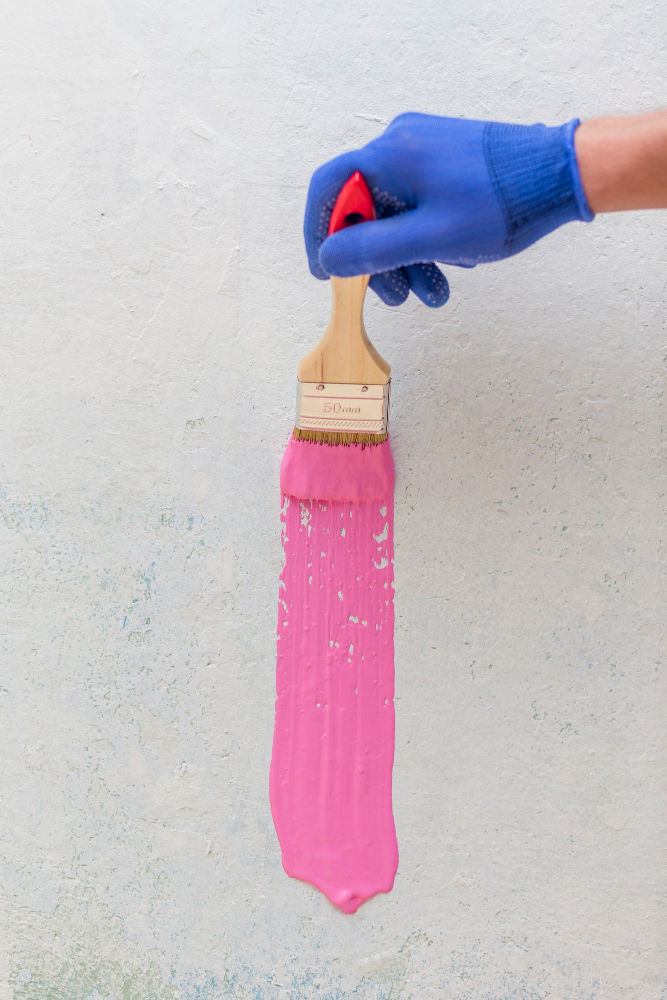
Not all paints perform equally across different materials and environments. A product suitable for an interior bedroom wall may not withstand the conditions experienced by an exterior facade, metal railing or roof.
Using the wrong coating can result in poor adhesion, premature fading, surface deterioration and additional maintenance requirements. The problem is particularly relevant for properties exposed to strong sunlight, coastal conditions or frequent moisture.
Understanding Different Paint Requirements
Property owners should match paint products to both the surface material and its intended use.
For example:
- Interior walls: Usually require coatings suited to regular cleaning and the expected level of wear.
- Exterior walls: Need products designed to withstand weather exposure and ultraviolet radiation.
- Timber surfaces: May require suitable primers, flexible coatings and protection against moisture.
- Metal surfaces: Often need corrosion treatment and compatible protective coatings.
- Roofing materials: Require coating systems approved for the specific roof substrate and its condition.
- High-traffic common areas: Benefit from durable, washable coatings appropriate for frequent use.
The existing coating also matters. Applying an incompatible product over an older finish may create adhesion problems even when the surface appears clean.
Why Product Selection Matters for Strata Properties
Apartment complexes and shared residential buildings often contain several surface types, including rendered walls, concrete stairwells, metal balustrades and timber fixtures.
When arranging strata painting Sydney, owners corporations and property managers should ensure that coating systems match the building’s materials, exposure conditions and maintenance requirements.
A professional painting specification can help establish appropriate products, preparation methods and application requirements across different areas of the property.
3. Ignoring Weather Conditions Before Painting
Weather plays a major role in how paint applies, dries and cures. Painting during unsuitable conditions can affect adhesion, appearance and coating durability.
Sydney’s weather can change throughout the day, particularly during periods of high humidity, strong winds or sudden rainfall. Exterior painting should be scheduled around suitable conditions rather than convenience alone.
Common Weather-Related Painting Problems
High temperatures and direct sunlight can cause some coatings to dry too quickly, potentially leaving uneven marks or affecting application. Cold or humid conditions may extend drying times and delay subsequent coats.
Rain can also damage freshly applied coatings, while wind may carry dust and debris onto wet surfaces.
Before starting exterior work, check:
- The forecast for rain and changing conditions
- Surface temperature and direct sun exposure
- Humidity levels
- Wind strength
- Manufacturer-recommended application conditions
- Required drying and curing periods
A dry surface does not automatically mean conditions are suitable for painting. Substrate temperature and moisture content can affect performance even when the weather appears favourable.
How to Plan Around Sydney’s Climate
Schedule exterior painting when the expected conditions fall within the paint manufacturer’s recommended limits. Avoid painting surfaces that are excessively hot, damp or exposed to approaching rain.
If conditions change during the project, stopping work may prevent more serious coating problems.
Professional painters can also plan work sequences around shaded areas, drying periods and weather-sensitive surfaces to reduce the risk of defects.
4. Applying Paint Without the Correct Primer
Courtesy - Magnific
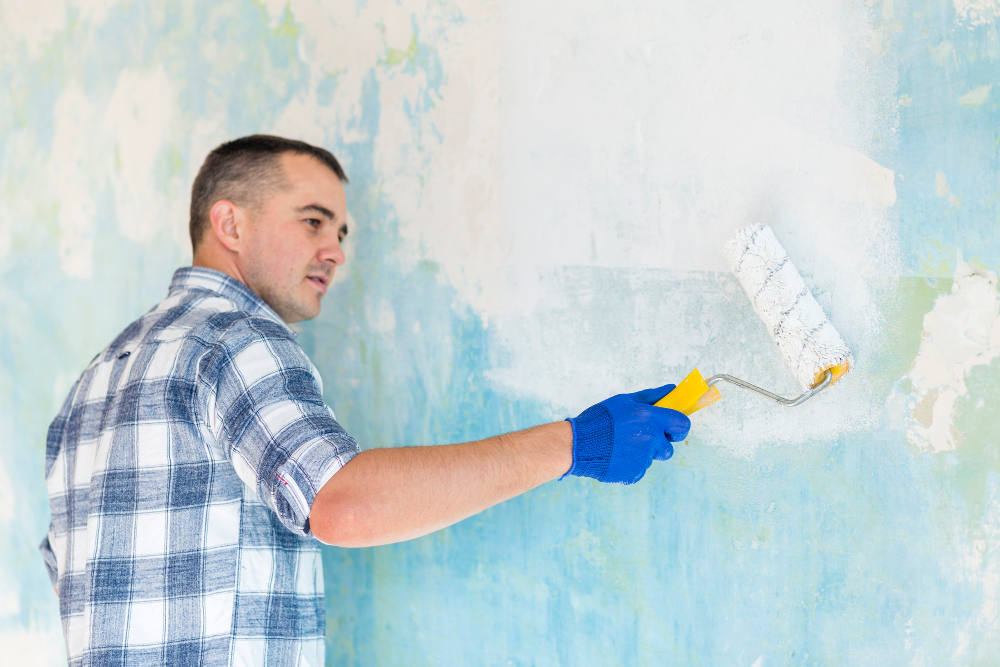
Primer helps prepare certain surfaces for their finishing coats. It can improve adhesion, promote more even coverage and support the performance of the complete coating system.
Skipping primer when the substrate requires it can lead to uneven absorption, poor adhesion or visible differences in the final finish. However, not every repainting project requires a separate primer, particularly when an existing coating is sound and compatible.
When Is Primer Necessary?
Primer may be required when painting:
- New plasterboard or bare plaster
- Uncoated timber
- Bare or treated metal
- Porous masonry surfaces
- Areas with repaired or patched sections
- Surfaces that require stain-blocking treatment
The correct primer depends on the substrate and the finishing paint.
For example, a metal primer intended to help prevent corrosion serves a different purpose from a sealer used on porous plasterboard.
How to Avoid Primer Problems
Check the coating manufacturer’s instructions before choosing a primer. Some systems require specific preparation products to achieve suitable adhesion and durability.
Allow the primer to dry according to the product instructions before applying the finishing coats.
Using an unsuitable primer can be almost as problematic as skipping one, so compatibility should guide product selection.
5. Using Poor Painting Techniques
Courtesy - Magnific
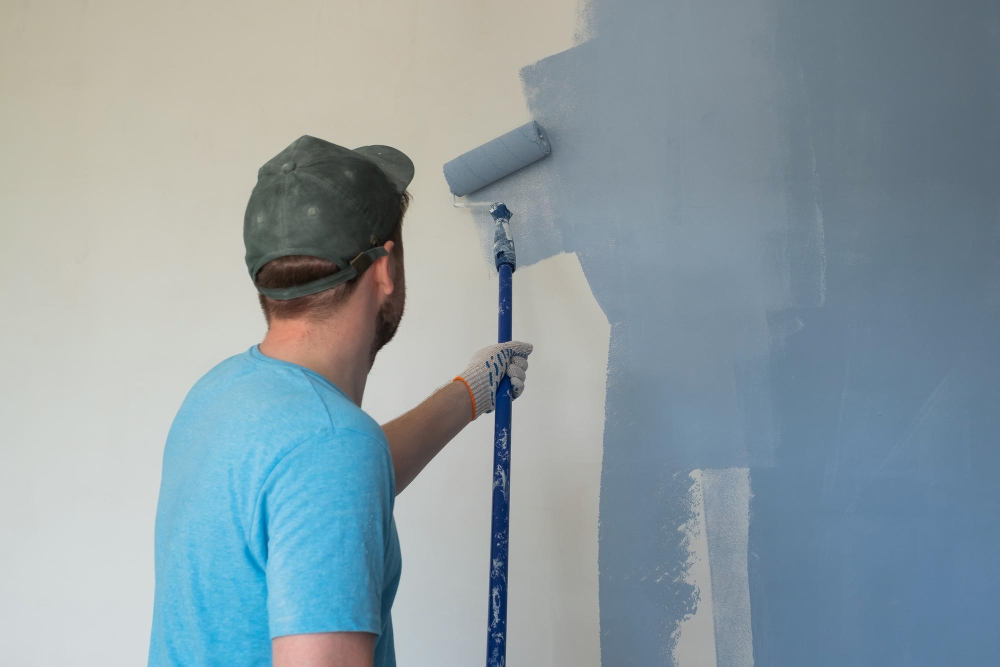
Even good-quality paint can produce an uneven finish when it is applied incorrectly. Painting technique affects coverage, texture, drying and the overall appearance of the surface.
Common errors include overloading brushes, applying excessive pressure with rollers and repeatedly working over paint that has already started drying.
Application Mistakes That Affect the Finish
Applying paint too thickly may cause sagging, runs or uneven curing. Applying coats too thinly can leave areas with inadequate coverage or protection.
Another problem is failing to maintain a wet edge. When adjoining painted sections dry before they are blended together, visible lap marks may appear.
Poor application can also create:
- Visible roller lines
- Uneven colour coverage
- Drips and runs
- Excessive brush marks
- Inconsistent surface texture
- Patchy gloss or sheen
These defects become more noticeable on large walls and under strong natural or artificial lighting.
Better Painting Practices
Use brushes and rollers suitable for the coating and surface texture. Apply paint evenly and follow the manufacturer’s guidance for spreading rates and application methods.
Work systematically across manageable sections, maintaining a consistent application technique.
Avoid repeatedly rolling over areas once the coating begins to set. This can disturb the finish and create additional marks.
For larger or highly visible surfaces, professional application may provide a more consistent result.
6. Applying a Second Coat Too Soon
Courtesy - Magnific
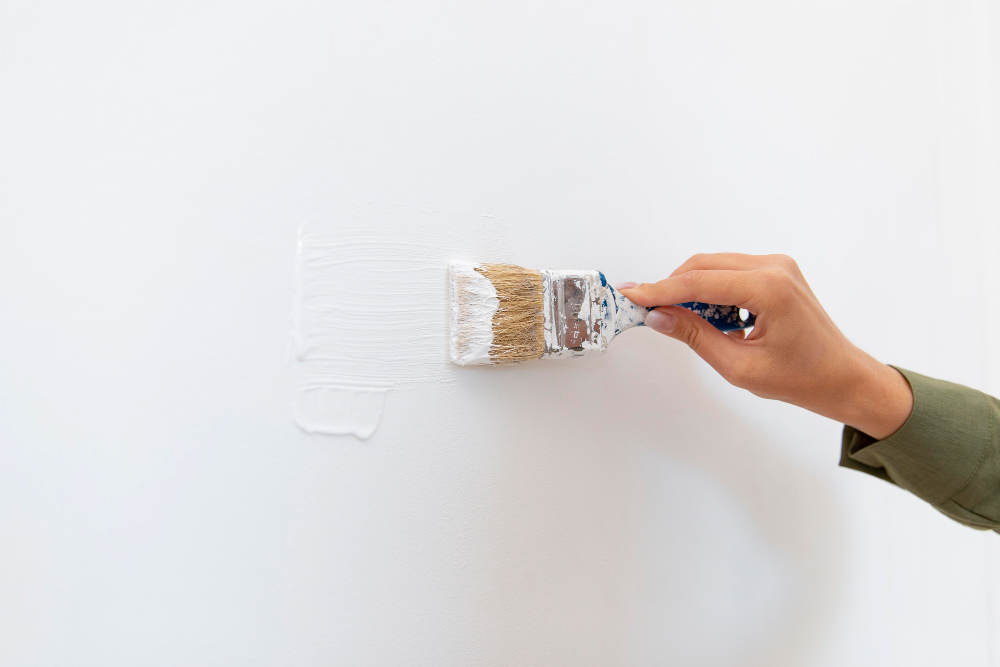
Rushing between coats is another mistake that can compromise a painting project. Although a surface may feel dry to the touch, it may not be ready for another application.
Paint drying and curing are different processes. Drying generally refers to the initial loss of moisture or solvents, while curing involves the coating developing its intended performance characteristics.
What Happens When Recoating Is Rushed?
Applying another coat before the recommended recoat period may cause lifting, wrinkling, adhesion issues or uneven results.
Drying times vary according to the paint formulation, film thickness, temperature, humidity and airflow.
Some products allow relatively short recoat intervals under suitable conditions, while others require longer periods.
How to Manage Drying Times
Read the product’s technical instructions and follow its stated minimum recoat time.
Avoid assuming that all water-based or oil-based products have identical requirements. Different formulations can behave differently.
Where ventilation is needed, provide suitable airflow without allowing excessive dust to settle on wet surfaces.
Allowing adequate drying time can help achieve a more consistent and durable finish.
7. Choosing Paint Colours Without Testing Them
Selecting a colour from a small swatch does not always reveal how it will appear across an entire wall or building exterior.
Lighting, surrounding materials, surface texture and paint sheen all influence colour perception. A shade that looks suitable under showroom lighting may appear warmer, cooler, darker or brighter once applied to the property.
Why Colours Look Different on Buildings
Natural daylight changes throughout the day. North-facing and south-facing areas can receive different levels of direct sunlight, affecting how colours appear.
Artificial lighting can also alter the appearance of interior paint.
Other factors include neighbouring colours, flooring materials, landscaping and existing architectural features.
How to Test Paint Colours Properly

Courtesy - Magnific
Apply sample coatings to representative areas or use movable sample boards prepared with the intended paint system.
Check the colour under different lighting conditions before approving the final selection.
For exterior properties, review how the colour works with roofing materials, window frames, brickwork and surrounding buildings.
Owners corporations should also confirm any required approvals before changing the appearance of shared building surfaces.
8. Overlooking Safety Requirements
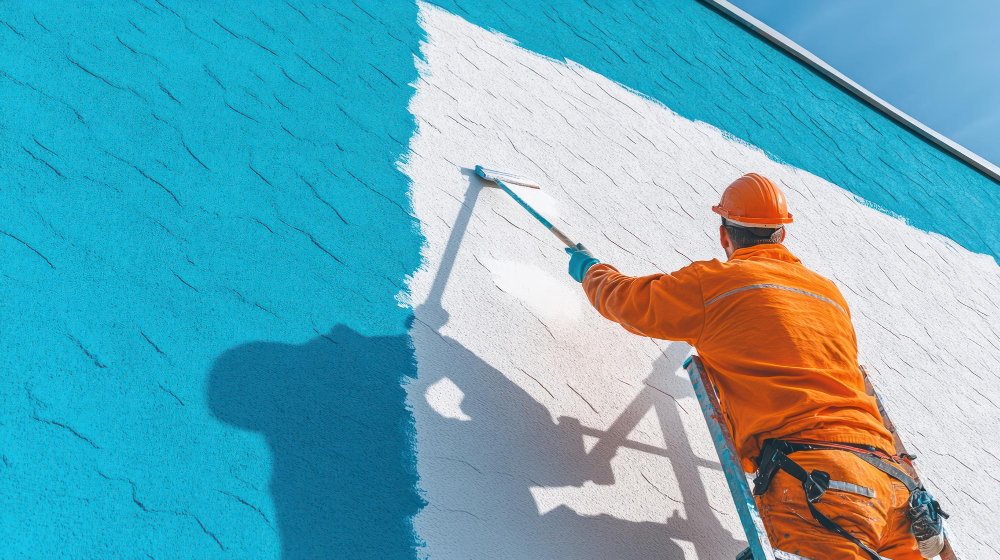
Painting can involve working at heights, handling chemicals, operating equipment and accessing difficult areas. Without suitable precautions, these tasks can create risks for workers, occupants and neighbouring properties.
Safety becomes particularly relevant when painting roofs, upper-storey facades, stairwells and areas near electrical installations.
Common Painting Safety Risks
Potential hazards include:
- Falls from ladders, roofs or elevated work platforms
- Contact with overhead electrical cables
- Exposure to dust, fumes or hazardous substances
- Slips caused by wet surfaces or equipment
- Falling tools or materials
- Unsafe handling of older coatings that may contain lead
Older buildings may require additional investigation before disturbing existing paint.
Sanding or removing potentially hazardous coatings without suitable controls can expose workers and occupants to harmful dust.
When Professional Painters Are the Safer Choice
Courtesy - Magnific
Property owners should avoid attempting painting work that requires access to unsafe heights or involves unfamiliar hazardous materials.
Professional contractors should use suitable access equipment, safe work methods and appropriate protective measures.
For higher-risk work, check the contractor’s relevant competencies, insurance and safety procedures.
Strata and commercial properties may also require planning around pedestrian access, resident movement and shared facilities.
9. Underestimating the Total Cost of Painting
Some property owners focus mainly on the price of paint when preparing a project budget. However, materials are only one part of the overall cost.
Preparation, repairs, access equipment, labour, waste management and specialist coating systems can all affect the final amount.
A low initial quote may not provide good value if essential preparation or finishing work has been excluded.
What Should a Painting Quote Include?
A detailed quote should explain the proposed scope of work and identify what is included.
Useful details include:
- Areas and surfaces to be painted
- Cleaning and preparation requirements
- Repairs included or excluded
- Primer and finishing coat specifications
- Proposed number of coats
- Access equipment requirements
- Protection of surrounding fixtures and surfaces
- Expected project schedule
- Site clean-up and waste disposal
- Warranty terms and exclusions
Comparing these details helps property owners identify differences between quotations rather than relying on price alone.
How to Avoid Unexpected Costs
Request a written scope before approving work and ask contractors to identify any areas that need further investigation.
For example, water damage, deteriorated render or corroded metal may require repairs before painting can proceed.
Discuss how variations will be authorised and priced if additional defects are discovered.
Clear expectations reduce confusion and support better project planning.
10. Neglecting Roof Painting Sydney Maintenance Requirements
Roof painting requires a different approach from painting ordinary walls because roofing materials are exposed to constant environmental stress.
A roof coating may improve appearance and provide additional surface protection when applied as part of a suitable system. However, painting cannot resolve structural defects, active leaks or severely deteriorated roofing materials.
Property owners should understand the condition of the roof before deciding whether painting is appropriate.
Warning Signs Your Roof Needs Attention
Common warning signs include faded coatings, flaking paint, visible corrosion and areas where the existing finish has deteriorated.
Other issues, such as cracked tiles, damaged flashing or water entry, may indicate that repair work is required.
Watch for:
- Uneven fading or discolouration
- Peeling or blistering roof coatings
- Rust on metal roof surfaces
- Cracked or displaced roof tiles
- Moss or biological growth
- Water stains that may indicate leaks
These signs do not always mean the roof needs repainting. They indicate that its condition should be investigated.
Why Roof Material Matters
Concrete tiles, metal roofing and terracotta tiles have different characteristics and coating requirements.
Not every roofing material is suitable for painting, and some existing finishes may restrict which products can be applied.
Before approving work, confirm that the proposed coating system is suitable for the particular roof substrate.
A professional roof inspection can also help distinguish cosmetic deterioration from defects that require repair.
11. Failing to Plan Painting Work Around Occupants
Courtesy - Magnific
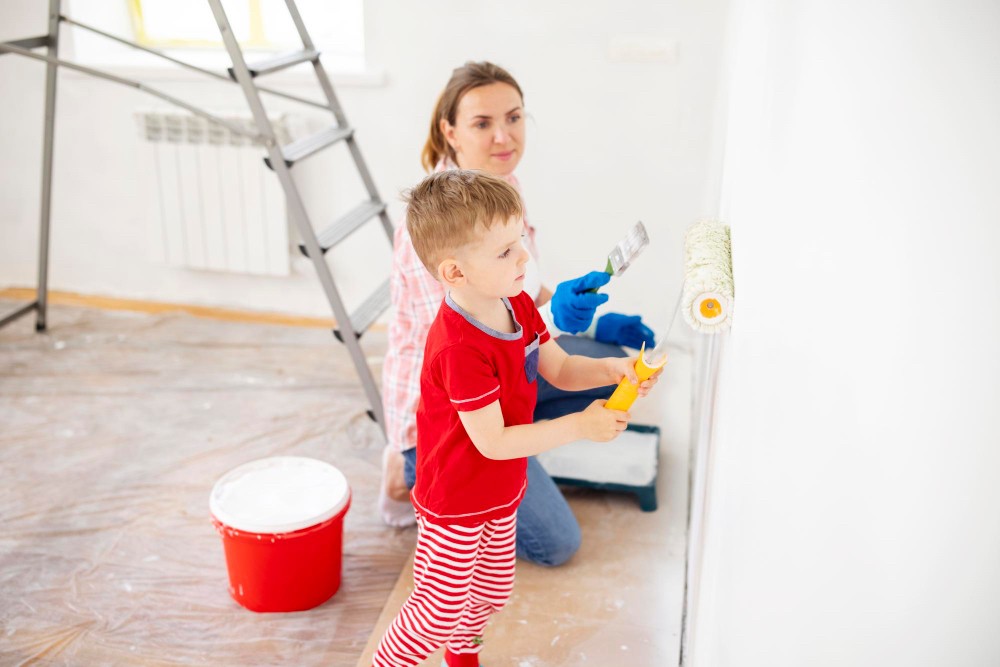
Painting an occupied property requires more than choosing colours and scheduling contractors. Access, ventilation, noise, safety and everyday activities can affect how smoothly the work proceeds.
Poor planning may interrupt business operations, restrict resident access or create unnecessary inconvenience.
This is especially relevant for apartment buildings, commercial premises and properties with shared entrances.
Planning Painting Projects for Occupied Buildings
Property managers and owners corporations should communicate the proposed schedule before work begins.
Residents and occupants may need advance notice about restricted areas, temporary access changes and surface drying periods.
For larger properties, dividing the work into stages can help maintain access to essential facilities.
Reducing Disruption During Painting
Discuss site arrangements with the contractor, including working hours, material storage, ventilation and protection of common areas.
Where appropriate, schedule work in lower-traffic periods and provide clear notices before access restrictions begin.
Special attention may be necessary around stairwells, entrances, car parks and other frequently used spaces.
Clear communication helps reduce complaints and supports safer project delivery.
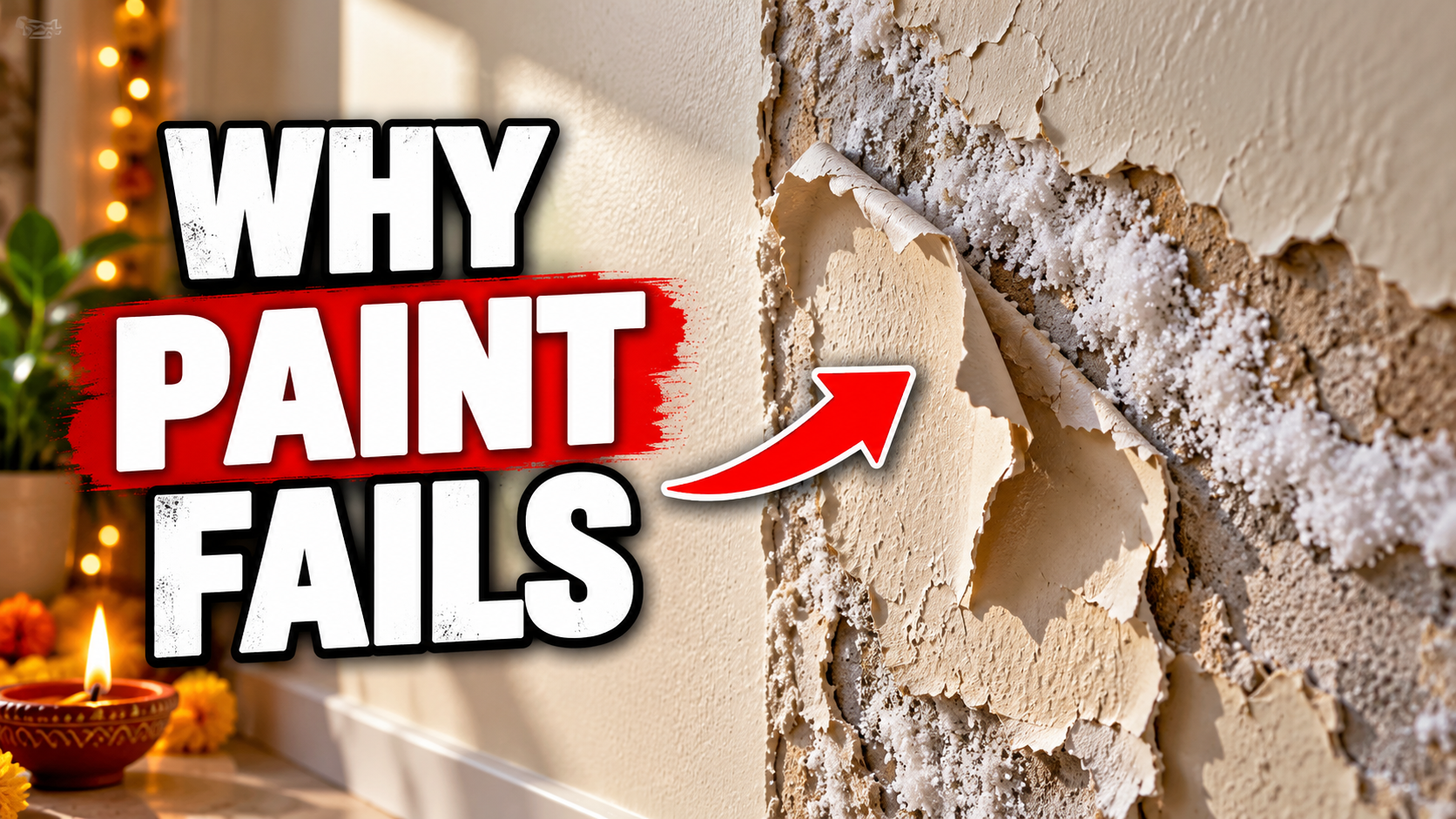
12. Ignoring Early Signs of Paint Failure
Courtesy - Magnific
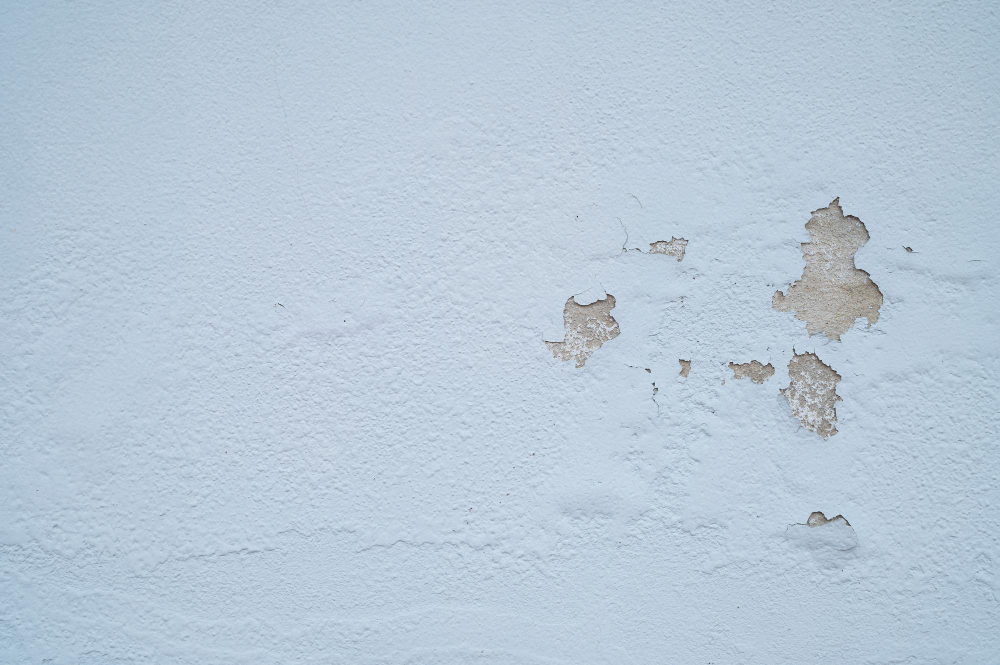
Paint deterioration often begins with minor changes that are easy to overlook. Small cracks, fading or isolated peeling may appear cosmetic, but they can sometimes indicate a problem beneath the surface.
Leaving these defects untreated may allow moisture exposure or substrate deterioration to continue.
Signs That Should Not Be Ignored
Different coating problems can point to different underlying conditions.
For example, blistering may be linked to trapped moisture or application problems. Peeling can occur when paint loses adhesion, while cracking may develop from substrate movement, coating ageing or unsuitable application.
Chalking, where a powdery residue forms on the surface, can occur as some exterior coatings weather.
The appearance of a defect alone may not establish its exact cause, so inspection is often necessary.
How to Prevent Further Deterioration
Inspect painted surfaces periodically, particularly after severe weather or when maintenance issues become visible.
Clean surfaces using methods compatible with the coating and repair minor defects before they spread.
Where water stains, recurring blistering or substantial peeling appear, investigate the underlying cause before repainting.
Repairing the source of a problem generally provides a better outcome than repeatedly covering the affected area.
13. Hiring Painters Based on Price Alone
Selecting the cheapest painting contractor may seem like a practical way to control costs. However, the quality of preparation, materials, workmanship and project management can influence how long the finish performs.
A quote that excludes essential tasks may ultimately result in additional expenses.
Property owners should compare contractors using clear criteria rather than relying only on the final price.
What to Check Before Hiring a Painting Contractor
Ask prospective contractors about their experience with similar surfaces and building types.
Check whether they can provide a written scope, suitable insurance details and information about the proposed coating system.
Other useful questions include:
- What preparation will be completed?
- Which paint products and coating systems will be used?
- How will damaged surfaces be handled?
- What access equipment will be required?
- Who will supervise and inspect the work?
- How will unexpected repairs or variations be managed?
- What workmanship warranties are offered?
- How will the property be protected during painting?
Where applicable, confirm that the contractor holds any licences required for the work in NSW.
Why Clear Communication Matters
A reliable contractor should explain the project requirements in language that property owners can understand.
Discuss the expected finish, colour selection, preparation standards and completion process before work begins.
For larger projects, arranging inspection points during preparation and before final handover can help identify issues while they are easier to correct.
14. Forgetting About Long-Term Paint Maintenance
A completed painting project still requires ongoing care. Environmental exposure, moisture, cleaning practices and everyday wear can affect coating performance over time.
Maintenance requirements differ between interior rooms, exterior walls, roofs and shared building areas.
Planning for routine inspections can help property owners identify problems before they require extensive repairs.
Simple Ways to Maintain Painted Surfaces
Use cleaning methods recommended for the paint type and avoid abrasive products that could damage the finish.
Keep gutters and drainage systems functioning to reduce water exposure around painted surfaces. Address leaking pipes, failed sealants and other moisture problems when they appear.
For exterior surfaces, inspect areas exposed to strong sunlight, wind-driven rain and coastal conditions.
When Should You Repaint?
There is no single repainting schedule that suits every property.
The condition of the existing coating, surface material, environmental exposure and previous workmanship all influence when repainting becomes necessary.
Instead of relying only on a fixed number of years, look for deterioration that affects appearance or protection.
A professional inspection can help determine whether the surface needs cleaning, localised repairs or a full repaint.
Protect Your Property by Avoiding Common Painting Mistakes
Successful painting projects start well before the first coat is applied. Suitable preparation, compatible products, safe access, correct application methods and ongoing maintenance all contribute to a durable finish.
For Sydney property owners, these details matter whether the work involves a single room, an exterior facade, a roof or an entire strata building.
Avoiding common mistakes can reduce premature coating failure, unnecessary maintenance and unexpected project expenses.
If your property has peeling paint, faded roof coatings or surfaces that need professional attention, contact 7CPM Painting to discuss the condition of your property and the painting work required. A clear assessment and properly defined scope can help you plan the project with confidence.
Also Read: Know All About Painting New Calcareous – Lime-Based Surfaces
Frequently Asked Questions – Common Painting Mistakes
1. How do I know if my property needs professional roof painting in Sydney?
Signs that your roof may need attention include faded coatings, peeling paint, visible rust and uneven discolouration. However, these symptoms do not always mean repainting is the correct solution. Cracked tiles, leaking areas and deteriorated flashing may require repairs before any coating work begins. A professional roof inspection can help determine whether your roofing material is suitable for painting, whether the existing coating needs removal and what preparation is required to achieve a durable result.
2. What is included in professional roof painting Sydney services?
Professional roof painting Sydney services generally involve inspecting the roof, identifying preparation requirements, cleaning suitable surfaces and applying compatible coating products. Depending on the roof’s condition, the project may also require treatment of surface deterioration, appropriate primers and multiple finishing coats. Structural repairs, tile replacement and flashing work may be outside the painting scope. Before accepting a quotation, request a written breakdown explaining the proposed products, preparation methods, coating applications, safety arrangements and any work that is excluded.
3. Can roof painting in Sydney help extend the life of my roof?
A suitable roof coating may help protect the surface from weather exposure and slow certain forms of coating deterioration. However, the outcome depends on the roofing material, its existing condition and the quality of preparation and application. Painting does not repair structural damage, eliminate active leaks or restore roofing materials that have reached the end of their service life. Property owners should arrange an inspection before proceeding, particularly when the roof has corrosion, cracked tiles or recurring water problems.
4. How much does professional roof painting cost in Sydney?
The cost of professional roof painting in Sydney depends on roof size, material, pitch, accessibility, existing condition and preparation requirements. Additional factors include the coating system, access equipment and whether repairs are needed before painting. A heavily deteriorated roof may require more preparation than one with an otherwise sound existing finish. Because project requirements differ, a site-specific quotation is more useful than a general estimate. Compare written quotes carefully to confirm that contractors have included similar preparation, materials and application work.
5. When is the best time to schedule roof painting in Sydney?
Roof painting is best scheduled when weather conditions fall within the coating manufacturer’s recommended application range. Dry weather, suitable surface temperatures and adequate time between coats help support proper application. Rain, excessive heat, high humidity and strong winds can interfere with the process. Sydney’s changing conditions mean contractors should review forecasts and actual roof surface conditions rather than relying only on the season. A professional painter can help select a suitable work period and adjust the schedule if conditions become unfavourable.
Courtesy - Featured Image(Magnific)
Author & Expert Review
Written & Verified By :  Ravin Desai – Co Founder – Gharpedia | Co Founder – 1 MNT | Director – SDCPL

| Credentials: B.Tech. in Civil Engineering from VNIT Nagpur and M.S. in Civil Engineering from Clemson University, USA. Co-Founder of Gharpedia and Director at Sthapati Designers & Consultants Pvt. Ltd.. Experience: Civil engineering professional with over a decade of international and Indian experience in the construction and design consultancy sector, with expertise in technical review and industry practices. Expertise: Specializes in reviewing technical content related to civil engineering, construction, design consultancy, materials, and industry practices. He ensures content is technically accurate, aligned with industry standards, and reflects practical construction and design best practices. Find him on: LinkedIn |