





Table of Contents
Quick Summary
- A well-maintained lawn needs protection from pests to stay green and healthy
- Explains what lawn pest control means and why it matters
- Covers common lawn pests like grubs, chinch bugs, and armyworms
- Discusses signs of infestation such as brown patches and loose grass
- Outlines treatment methods including chemical and natural solutions
- Highlights benefits of professional pest control services
- Explains difference between lawn pest control and general pest control
- Shares practical tips to prevent pest problems naturally
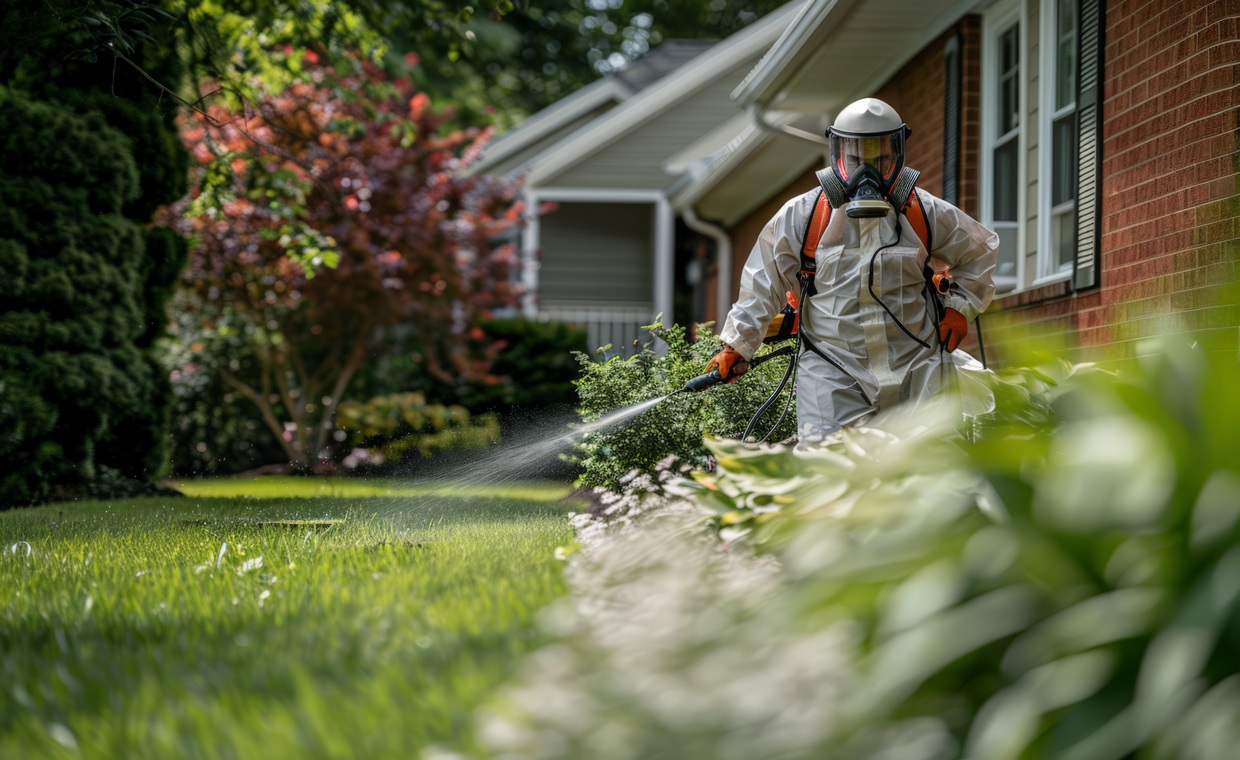
Maintaining a healthy, green lawn is not just about regular watering and mowing—it also requires protecting your grass and soil from harmful insects and pests. This is where lawn pest control becomes essential. If you’ve ever wondered what is lawn pest control, it refers to the process of identifying, managing, and eliminating pests that damage lawns, turf, and soil ecosystems while maintaining a safe and balanced outdoor environment.
Lawn pest control combines preventive care, targeted treatments, and eco-friendly pest management techniques to ensure your yard stays healthy year-round. It is widely used by homeowners, landscaping professionals, and even large property managers to protect outdoor spaces from infestation and long-term damage.
Understanding What Is Lawn Pest Control
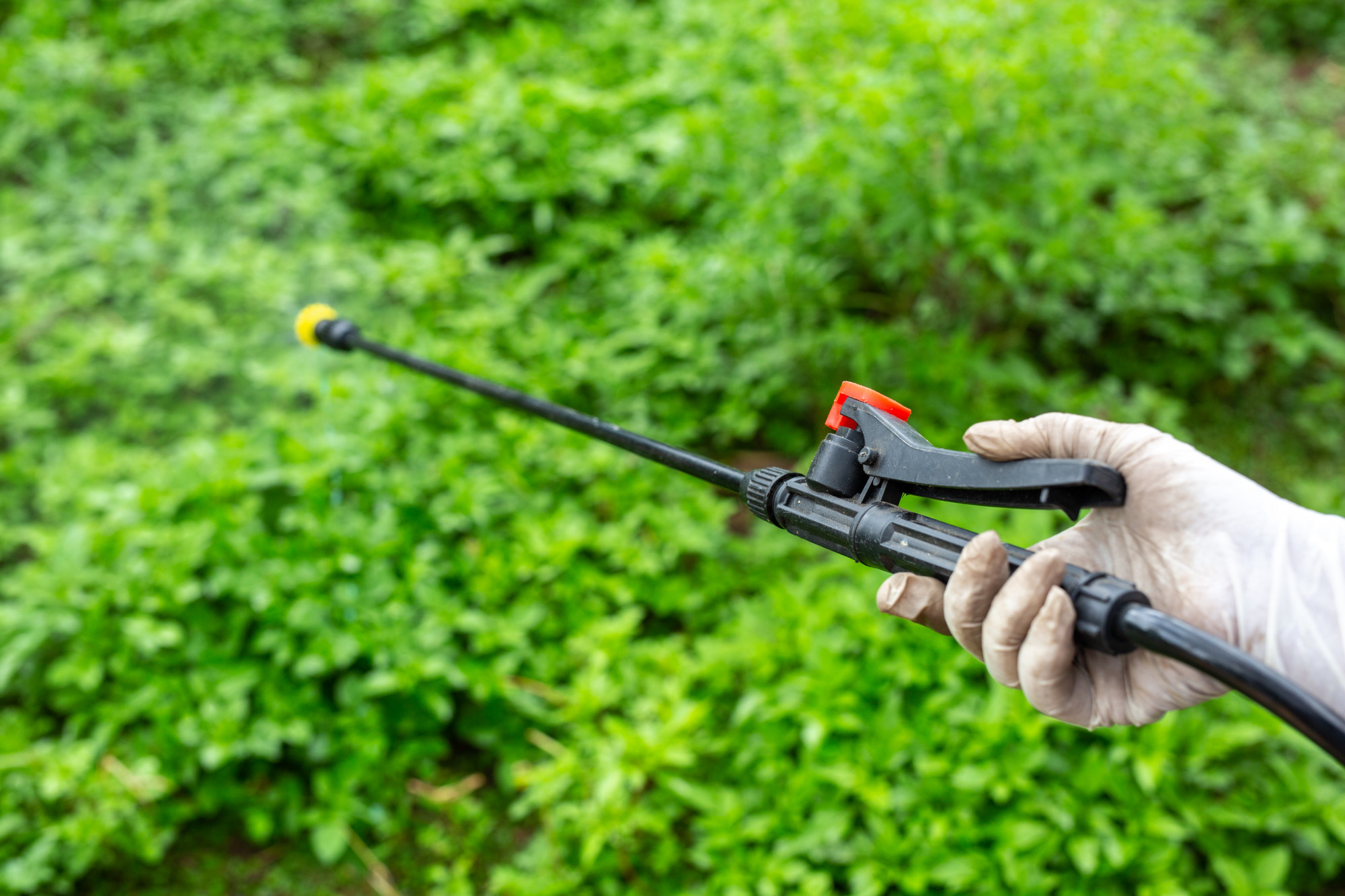
At its core, what is lawn pest control can be defined as the strategic approach to controlling insects, larvae, and other harmful organisms that damage grass and soil health. These pests may include grubs, ants, chinch bugs, beetles, fleas, and armyworms, all of which can destroy the root system of your lawn if left untreated.
Lawn pest control is not just about killing insects—it is about creating a balanced lawn ecosystem. This includes improving soil health, reducing pest attractants, and applying safe treatments that protect beneficial organisms like earthworms and pollinators.
Many professional pest control companies offer specialized lawn treatments that combine chemical and natural solutions depending on the severity of infestation and environmental conditions.
Why Lawn Pest Control Is Important
A healthy lawn can quickly become damaged if pests are left unmanaged. These insects feed on grass roots, leaves, and organic matter, causing visible and hidden damage.
Here are some key reasons why lawn pest control is important:
- Prevents grass from turning brown or dying due to root damage
- Protects soil health and improves nutrient absorption
- Reduces the spread of invasive insects across your property
- Maintains curb appeal and property value
- Minimizes the need for costly lawn restoration
Without proper pest control, even a well-maintained lawn can suffer long-term deterioration.
Common Lawn Pests That Require Control
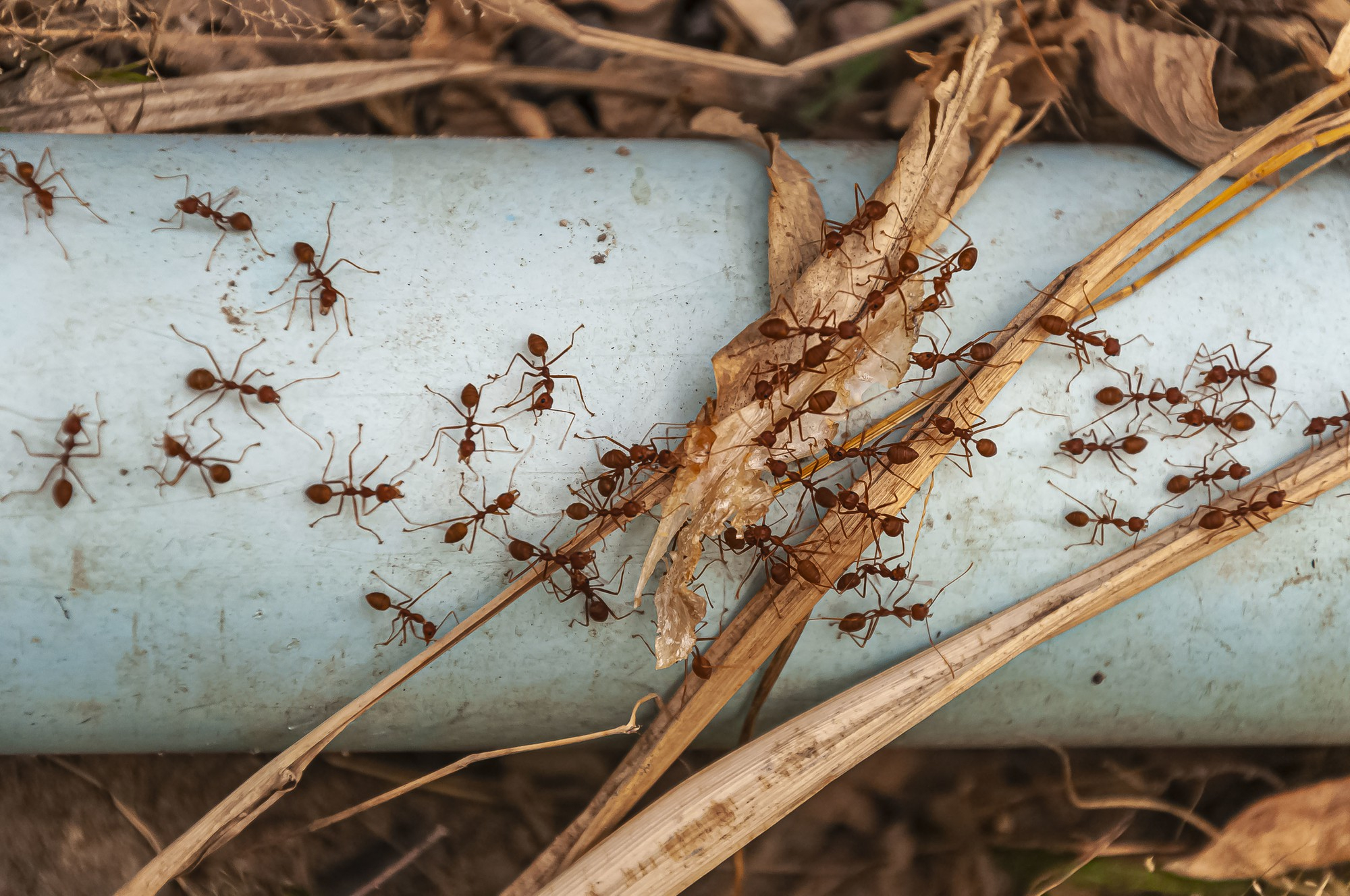
To fully understand what is lawn pest control, it’s important to know the common pests that affect lawns:
1. Grubs
Grubs are beetle larvae that feed on grassroots, causing patches of dead grass that easily lift from the soil.
2. Armyworms
These caterpillars feed aggressively on grass blades, often destroying large areas in a short time.
3. Chinch Bugs
Chinch bugs suck sap from grass, leaving behind yellow or brown patches.
4. Ants
While not always harmful to grass, ants can disrupt soil structure and create uneven lawns.
5. Fleas and Ticks
These pests are not only harmful to lawns but also pose risks to pets and humans.
Understanding these pests helps in choosing the right treatment strategy for effective control.
Methods Used in Lawn Pest Control
Lawn pest control uses a combination of preventive and active methods. Depending on the situation, professionals may use chemical, biological, or natural approaches.
Preventive Lawn Care
Preventing pests is always more effective than treating an infestation. This includes:
- Proper mowing and irrigation practices
- Removing thatch buildup
- Maintaining soil health through fertilization
Chemical Treatments
In severe cases, targeted pesticides may be used to eliminate pests quickly. These are applied carefully to avoid harming beneficial insects.
Natural and Eco-Friendly Solutions
Many modern approaches focus on environmentally safe methods such as:
- Neem oil sprays
- Beneficial nematodes
- Organic soil conditioners
These methods are increasingly popular because they reduce chemical exposure while still controlling pests effectively.
Signs You Need Lawn Pest Control
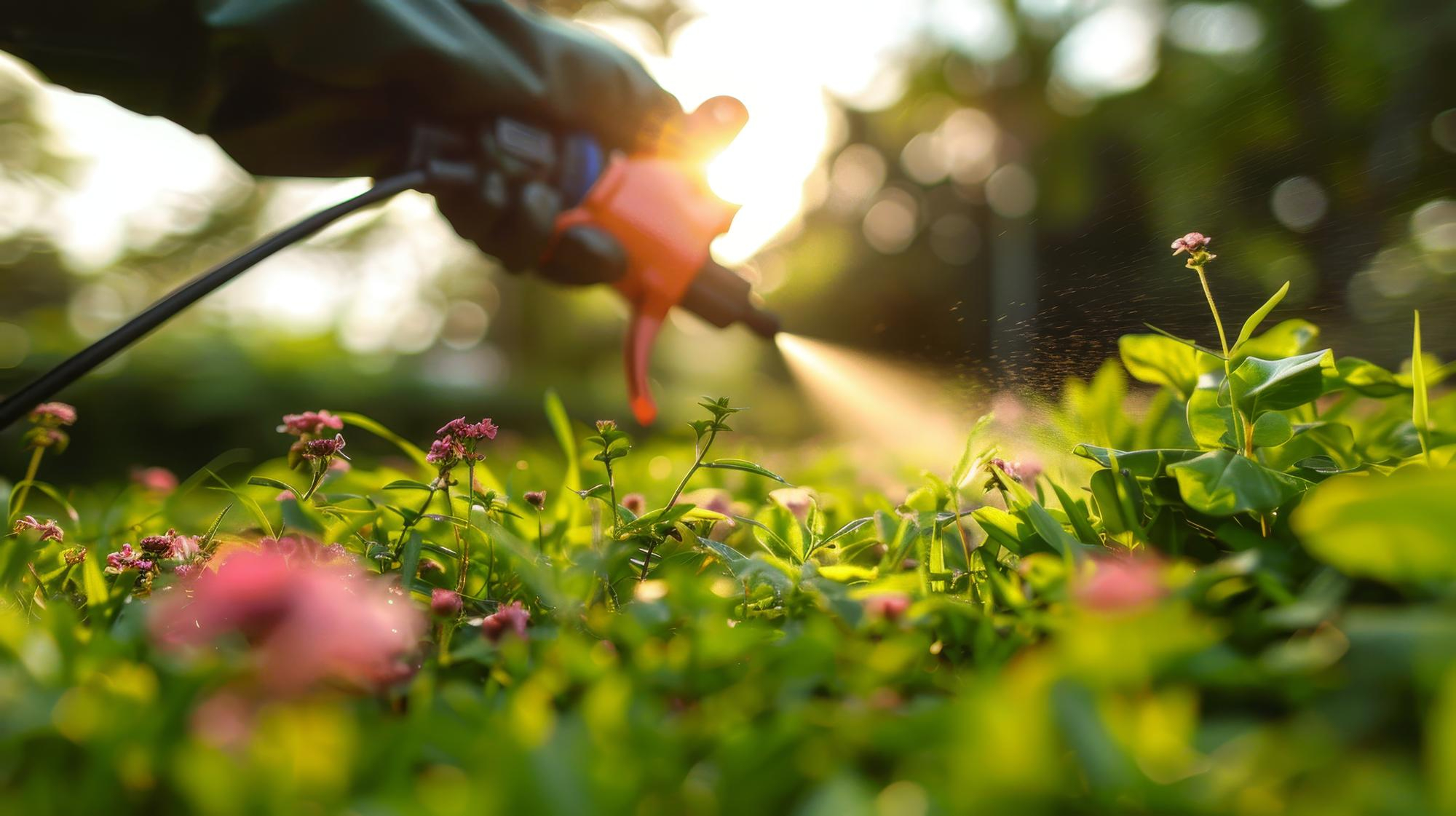
Recognizing early warning signs can save your lawn from severe damage. You may need pest control if you notice:
- Irregular brown or yellow patches in grass
- Grass that lifts easily like carpet (root damage)
- Increased insect activity on soil surface
- Holes or tunnels in the lawn
- Birds frequently pecking at grass (feeding on insects underneath)
Early intervention is key to preventing widespread damage.
Benefits of Professional Lawn Pest Control
While DIY solutions exist, professional pest control services often deliver more effective and long-lasting results. Experts understand pest behavior, seasonal patterns, and treatment timing.
Key benefits include:
- Accurate pest identification
- Customized treatment plans
- Safe application of pest control products
- Long-term prevention strategies
- Reduced risk of lawn damage
Many homeowners rely on professional services provided by experienced pest control companies to ensure their lawns remain healthy and pest-free throughout the year.
Lawn Pest Control vs General Pest Control
It is important to understand that lawn pest control is different from general indoor pest management. While indoor pest control focuses on eliminating insects inside homes, lawn pest control targets outdoor ecosystems such as soil, turf, and garden spaces.
In some cases, broader services like Commercial Pest Control may also include outdoor pest management for businesses, parks, and large properties. However, lawn pest control is more specialized and focused on maintaining grass health and soil balance.
Preventive Tips for a Pest-Free Lawn
If you want to reduce pest problems naturally, here are a few simple practices:
- Water your lawn early in the morning to prevent excess moisture buildup
- Avoid over-fertilizing, which can attract pests
- Keep grass trimmed to an optimal height
- Remove debris and dead leaves regularly
- Encourage natural predators like birds and beneficial insects
These steps help maintain a strong lawn ecosystem that naturally resists pests.
Conclusion
So, what is lawn pest control? It is a comprehensive approach to protecting your lawn from destructive insects and maintaining a healthy outdoor environment through prevention, monitoring, and targeted treatments. Whether using natural methods or professional services, lawn pest control plays a vital role in preserving the beauty and health of your yard.
By understanding pest behavior, adopting preventive care practices, and seeking help from experienced professionals when needed, homeowners can ensure their lawns remain green, strong, and pest-free all year long.
Also Read: Lawn Mowing Secrets Every Homeowner Should Know
Frequently Asked Questions – Lawn Pest Control
1. What is lawn pest control?
Lawn pest control is the process of managing and eliminating insects that damage grass, soil, and overall lawn health.
2. How do I know if my lawn has pests?
Signs include brown patches, grass lifting easily, visible insects, and increased bird activity on your lawn.
3. Are natural pest control methods effective?
Yes, natural solutions like neem oil and beneficial nematodes can effectively control pests while being eco-friendly.
4. How often should lawn pest control be done?
It depends on the season and infestation level, but regular monitoring and seasonal treatments are recommended.
5. Should I hire professionals for lawn pest control?
Professional services are helpful for accurate pest identification, safe treatments, and long-term prevention.
Courtesy - Image 1(AI-generated concept visual)
Author & Expert Review
Written By:  Gaurav Mishra | Civil Engineer & Content Writer

| Credentials: B.E. (Mahavir Swami College, Surat), Registered with Bhagwan Mahavir University (BMU). Experience: Civil Engineer with 5+ years of content writing experience, currently writing impactful articles for Gharpedia, part of SDCPL. Expertise: Specializes in writing well-researched content on residential construction, construction materials, design planning, on-site practices, and safety, blending technical accuracy with everyday clarity. Find him on: LinkedIn |
Verified By Expert: Ravin Desai – Co Founder – Gharpedia | Co Founder – 1 MNT | Director – SDCPL

This article has been reviewed for technical accuracy by Ravin Desai, Co-Founder of Gharpedia and Director at Sthapati Designers & Consultants Pvt. Ltd. With a B.Tech. in Civil Engineering from VNIT Nagpur and an M.S. in Civil Engineering from Clemson University, USA, and over a decade of international and Indian experience in the construction and design consultancy sector, he ensures all technical content aligns with industry standards and best practices.
Find him on: LinkedIn