





Table of Contents
Quick Summary
- Keeping your lawn in top shape starts with proper mowing habits and consistency.
- Cutting grass too short weakens roots and increases weed growth.
- Following the one third rule prevents stress and promotes steady growth.
- Sharp mower blades ensure clean cuts and healthier grass.
- Mowing at the right time avoids damage during heat or wet conditions.
- Changing mowing direction improves lawn appearance and prevents soil compaction.
- Leaving grass clippings adds nutrients back into the soil.
- Seasonal adjustments and proper watering help maintain long term lawn health
A lush, green lawn does not happen by chance. It comes from consistent care and a few smart habits that many homeowners overlook. The truth is, mowing is more than just a routine chore. Done right, it becomes one of the most powerful ways to keep your lawn healthy and attractive.
Homeowners who want reliable results often turn to experts like RedStone Property Maintenance & Landscaping for guidance and ongoing care. Still, understanding a few key mowing principles can help you maintain a strong lawn whether you do it yourself or hire a professional.
Let’s break it down.
Why Mowing Technique Matters More Than You Think
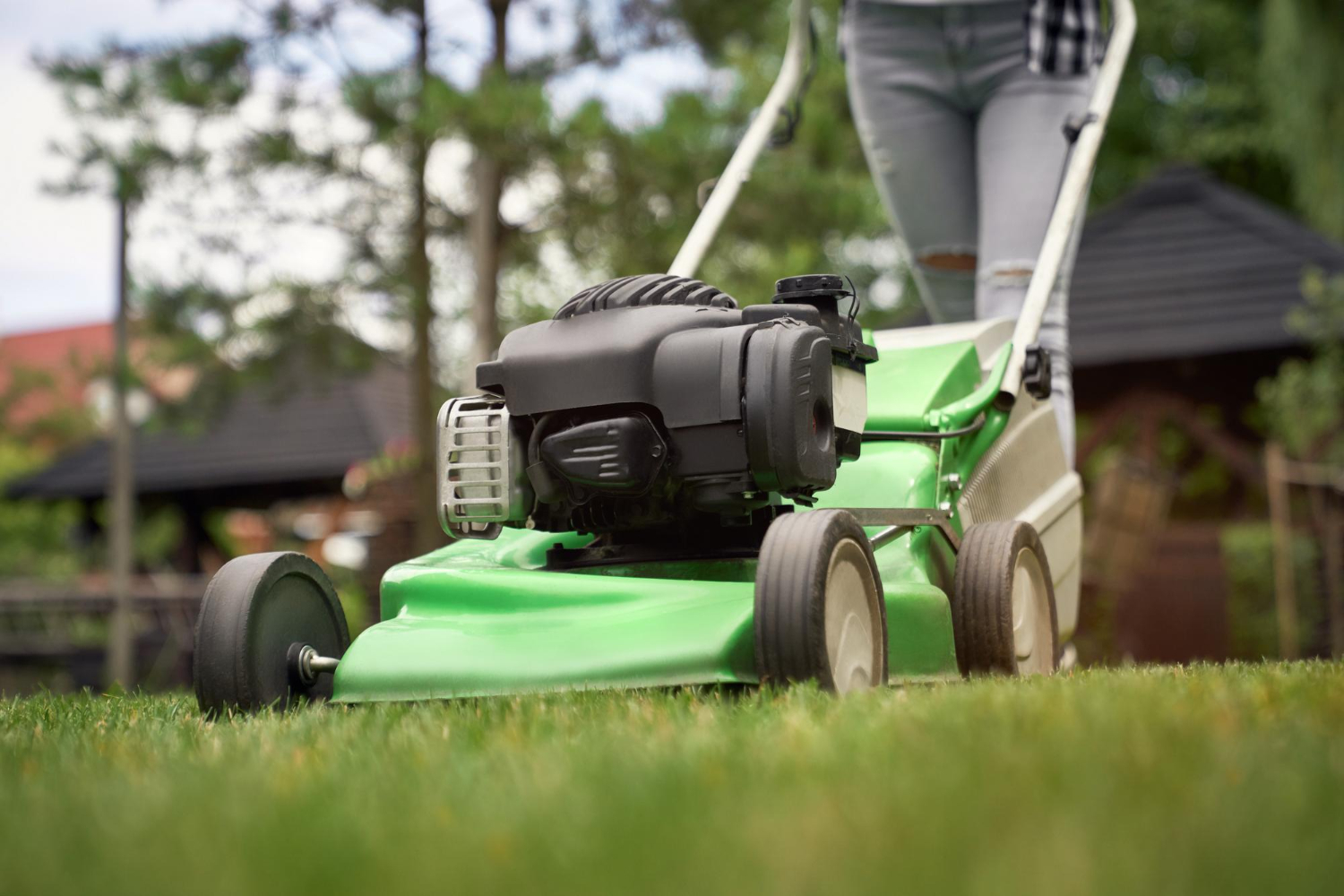
Mowing affects how grass grows from the root up. Every cut influences moisture retention, nutrient absorption, and resistance to weeds.
Here is why it matters:
- Proper mowing strengthens root systems
- It helps grass outcompete weeds
- It reduces stress during hot or dry conditions
A lawn that is cut correctly tends to recover faster and stay greener longer.
Secret #1: Never Cut Too Short
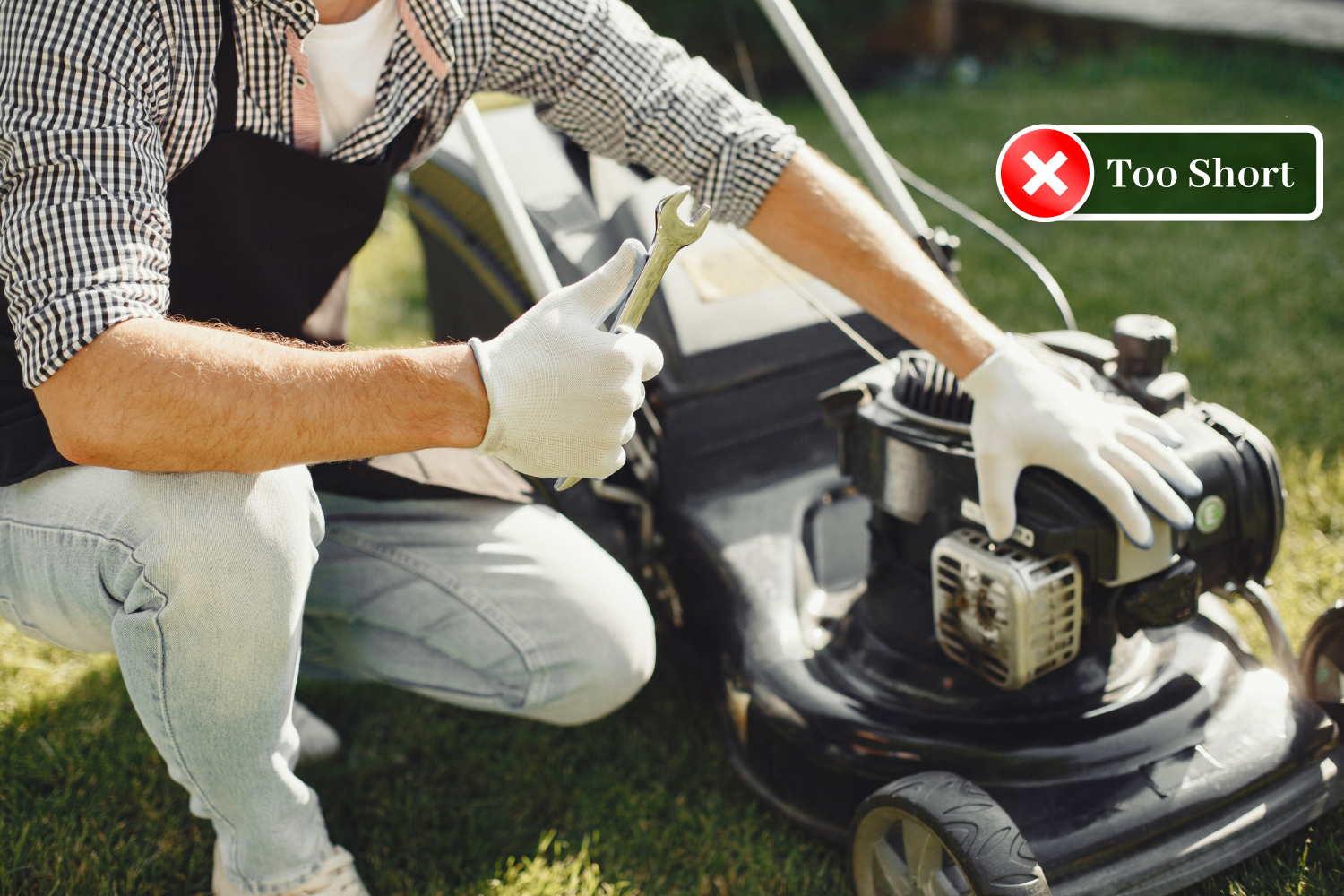
Cutting grass too low might seem like a way to mow less often, but it actually does more harm than good.
Short grass:
- Exposes soil to direct sunlight
- Dries out faster
- Encourages weed growth
Most lawns perform best when kept between 2.5 and 4 inches tall. Taller blades provide shade for the soil and help retain moisture.
Secret #2: Follow the One-Third Rule
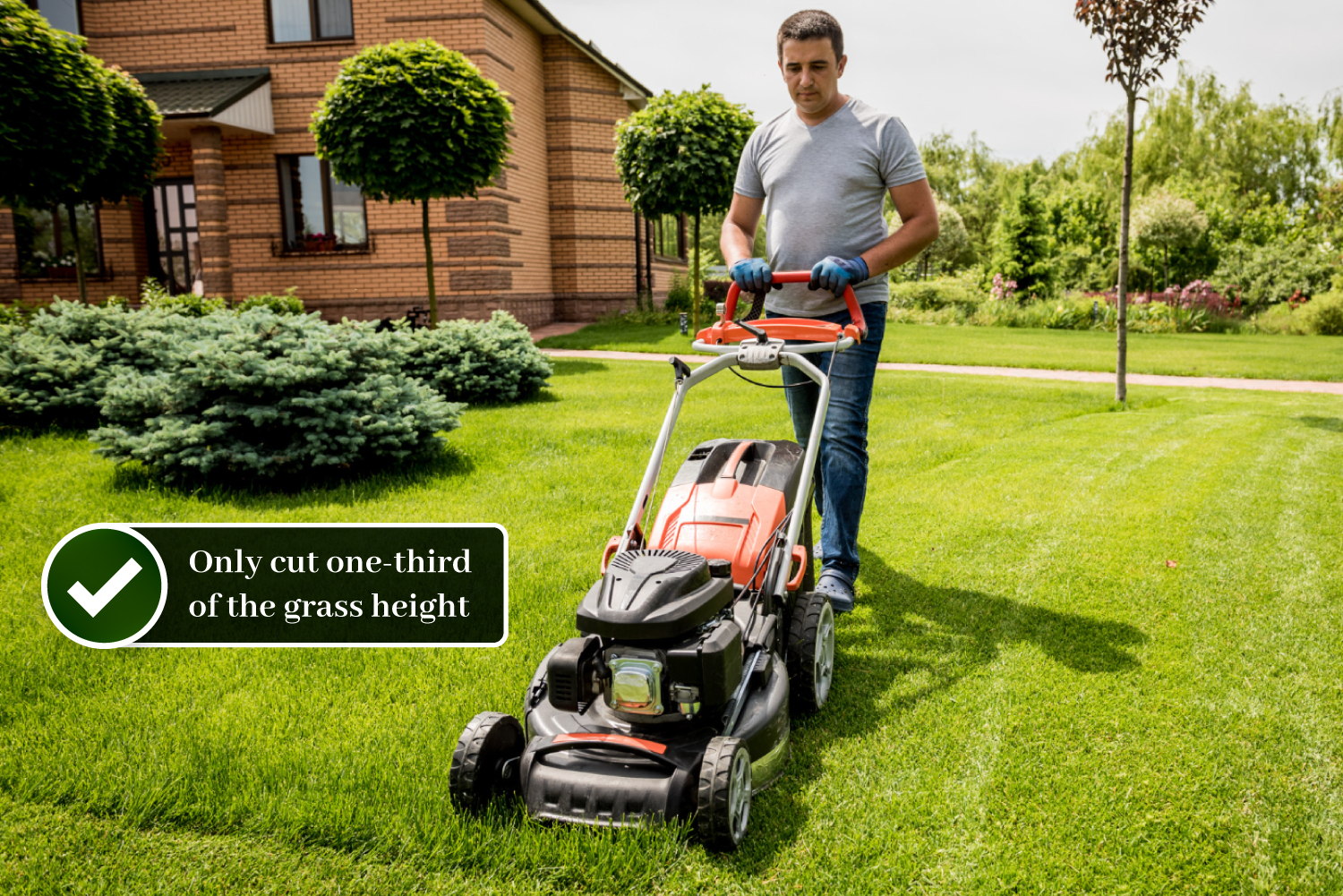
One of the simplest ways to improve your lawn is to avoid removing too much at once. Stick to the one-third rule. Only cut one-third of the grass height during each mow.
Here is why this works:
- It prevents shock to the plant
- It maintains steady growth
- It keeps your lawn looking even
If your grass has grown too long, reduce the height gradually over a few sessions.
Secret #3: Keep Mower Blades Sharp
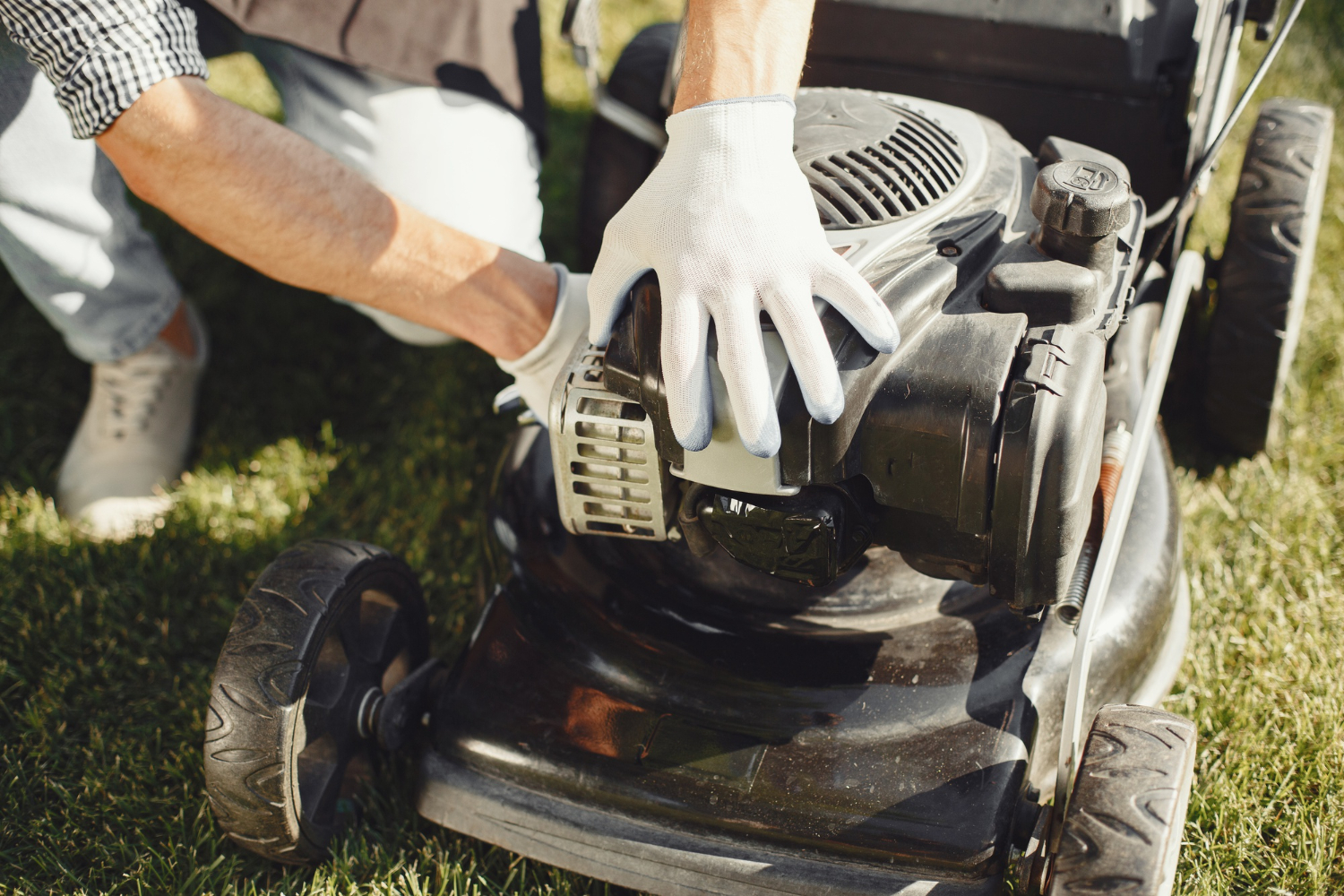
A sharp blade makes clean cuts. A dull blade tears grass, leaving rough edges that turn brown and weaken the plant.
Watch for these signs:
- Grass tips look frayed
- The lawn appears dull after mowing
- Uneven cutting patterns
Sharpen your mower blade regularly to maintain a clean, healthy cut.
Secret #4: Mow at the Right Time
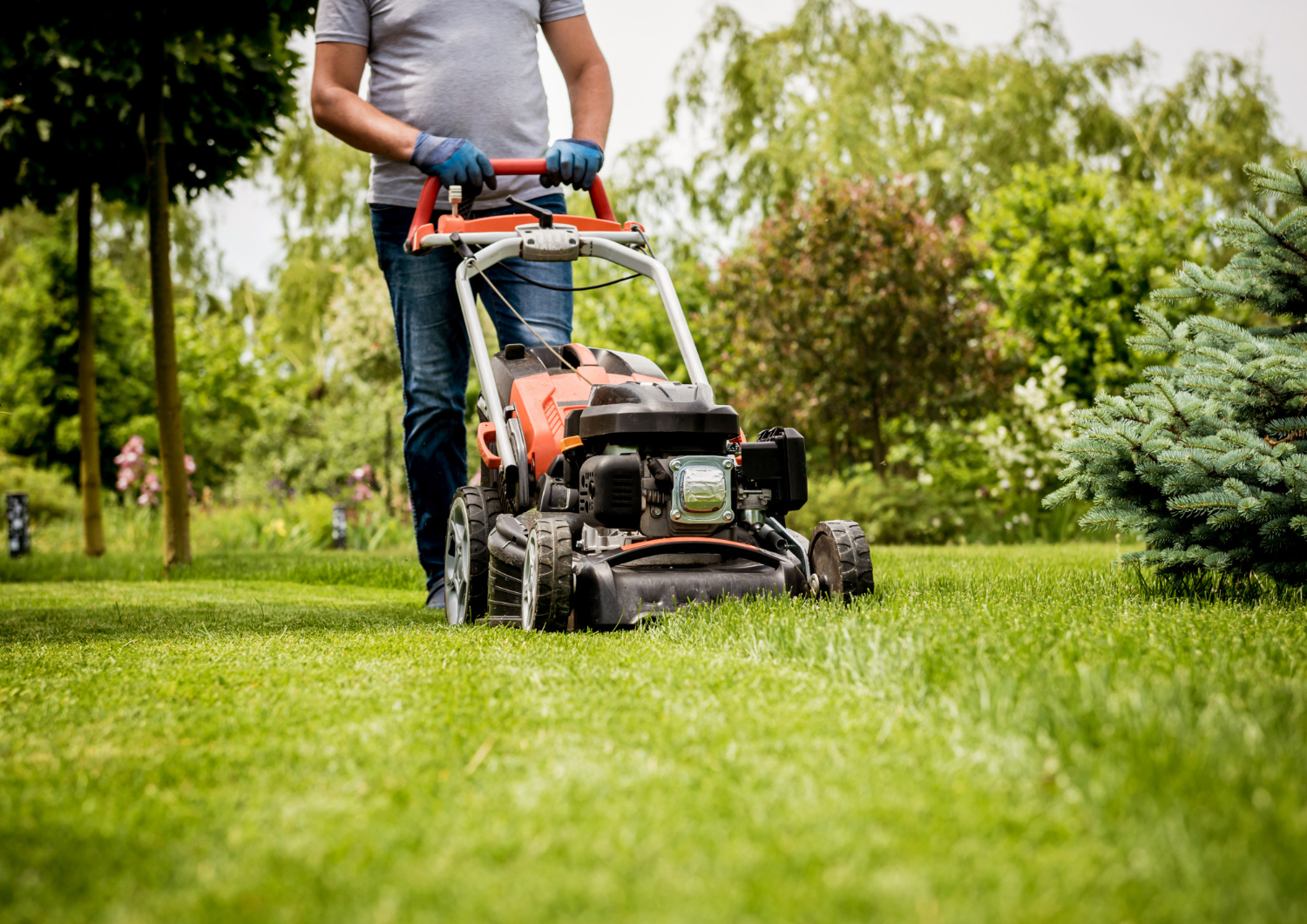
Timing can make a big difference in how your lawn responds to mowing.
Best practices include:
- Mow during cooler parts of the day
- Avoid mowing in extreme heat
- Do not mow wet grass
Cooler temperatures reduce stress on the grass. Dry conditions help ensure a clean, even cut.
Secret #5: Change Your Mowing Pattern
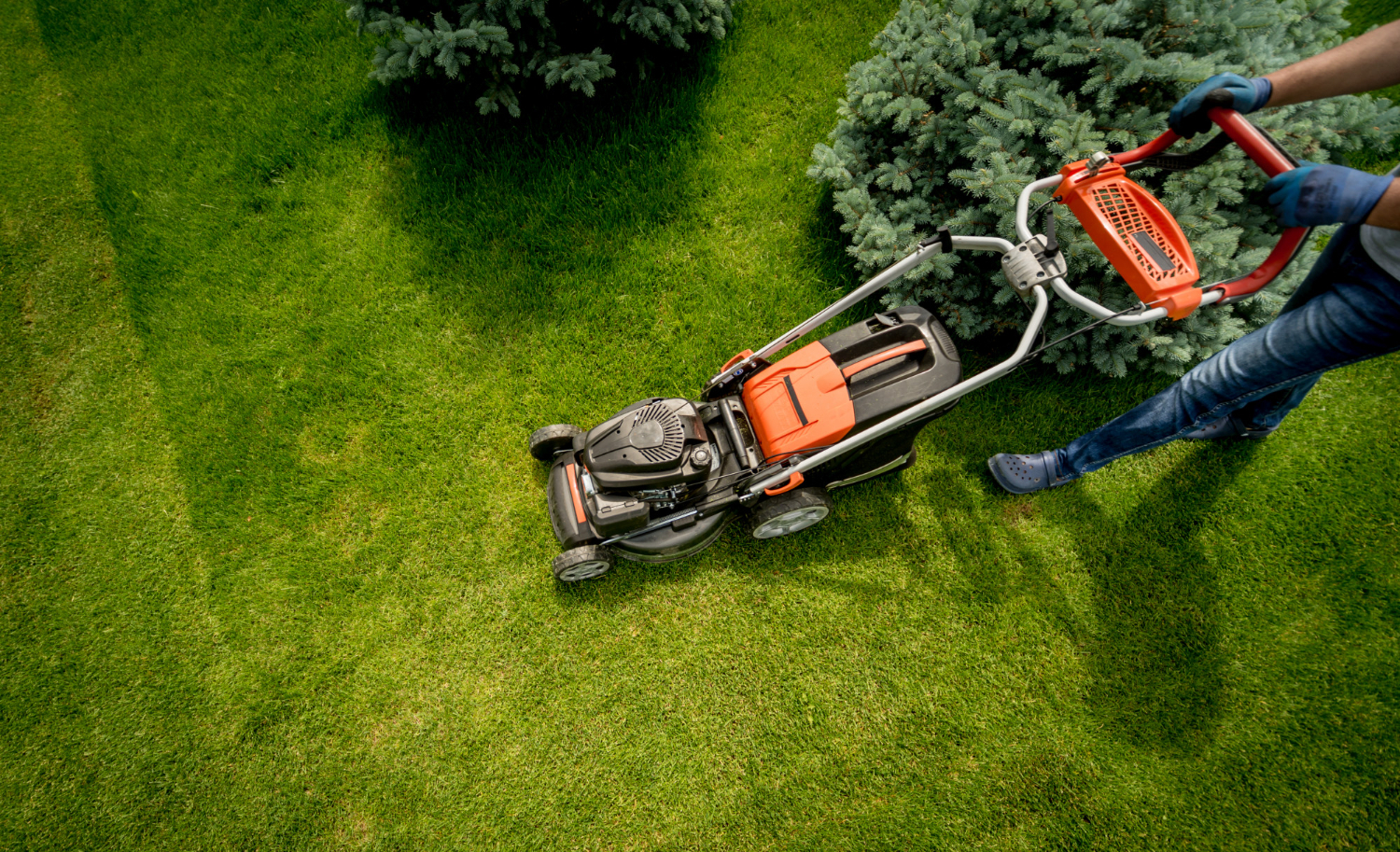
Many homeowners mow in the same direction every time. This can lead to compacted soil and uneven growth.
Switch directions regularly to:
- Prevent ruts in the lawn
- Encourage upright growth
- Improve overall appearance
A simple change in pattern can make your lawn look fuller and healthier.
Secret #6: Leave Grass Clippings Behind
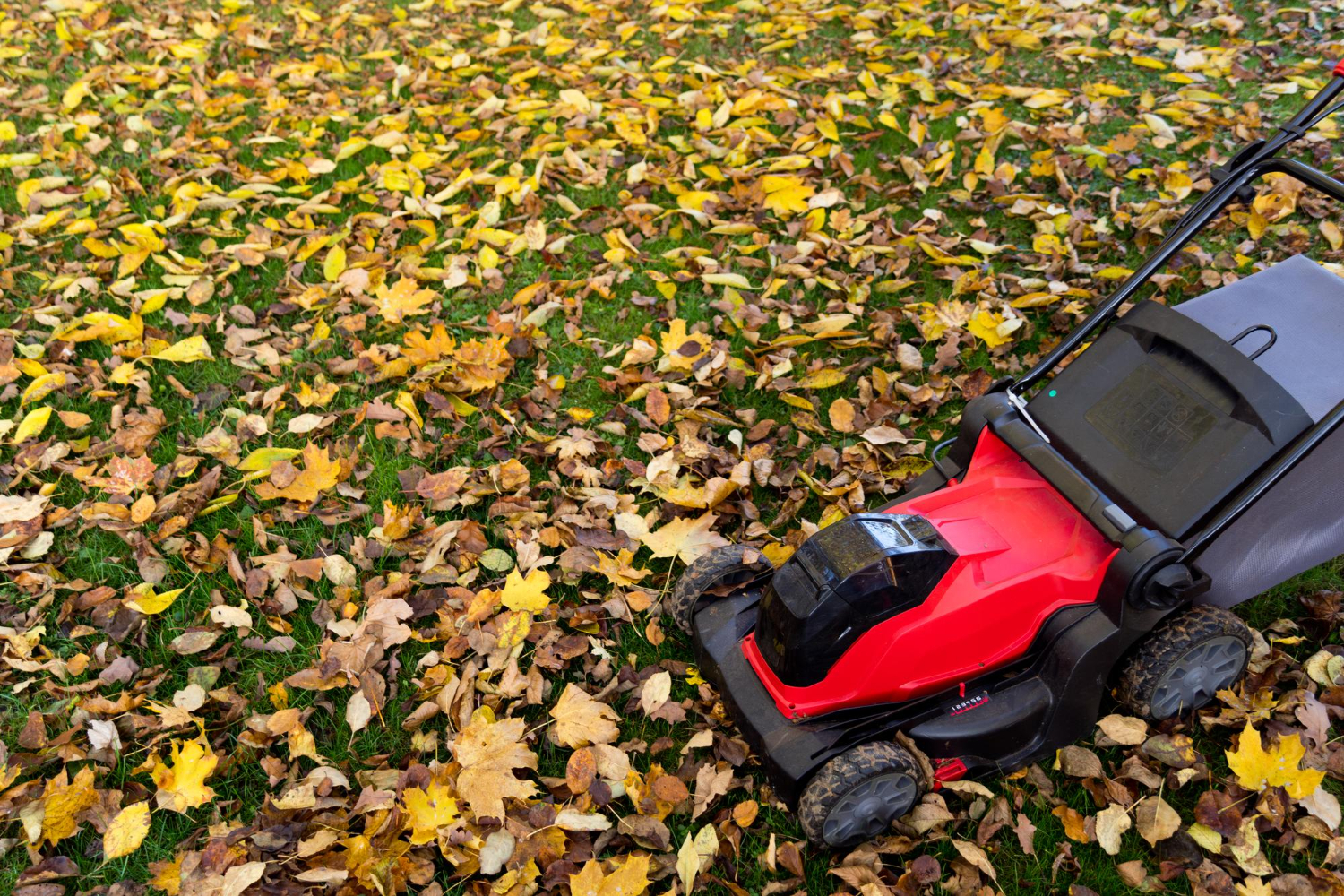
It may feel natural to bag clippings, but leaving them on the lawn can actually improve its health.
Benefits of grass cycling:
- Returns nutrients to the soil
- Reduces the need for fertilizer
- Saves time during cleanup
According to the U.S. Environmental Protection Agency, leaving clippings on your lawn can significantly reduce yard waste while supporting soil health.
Secret #7: Adjust for Seasonal Changes
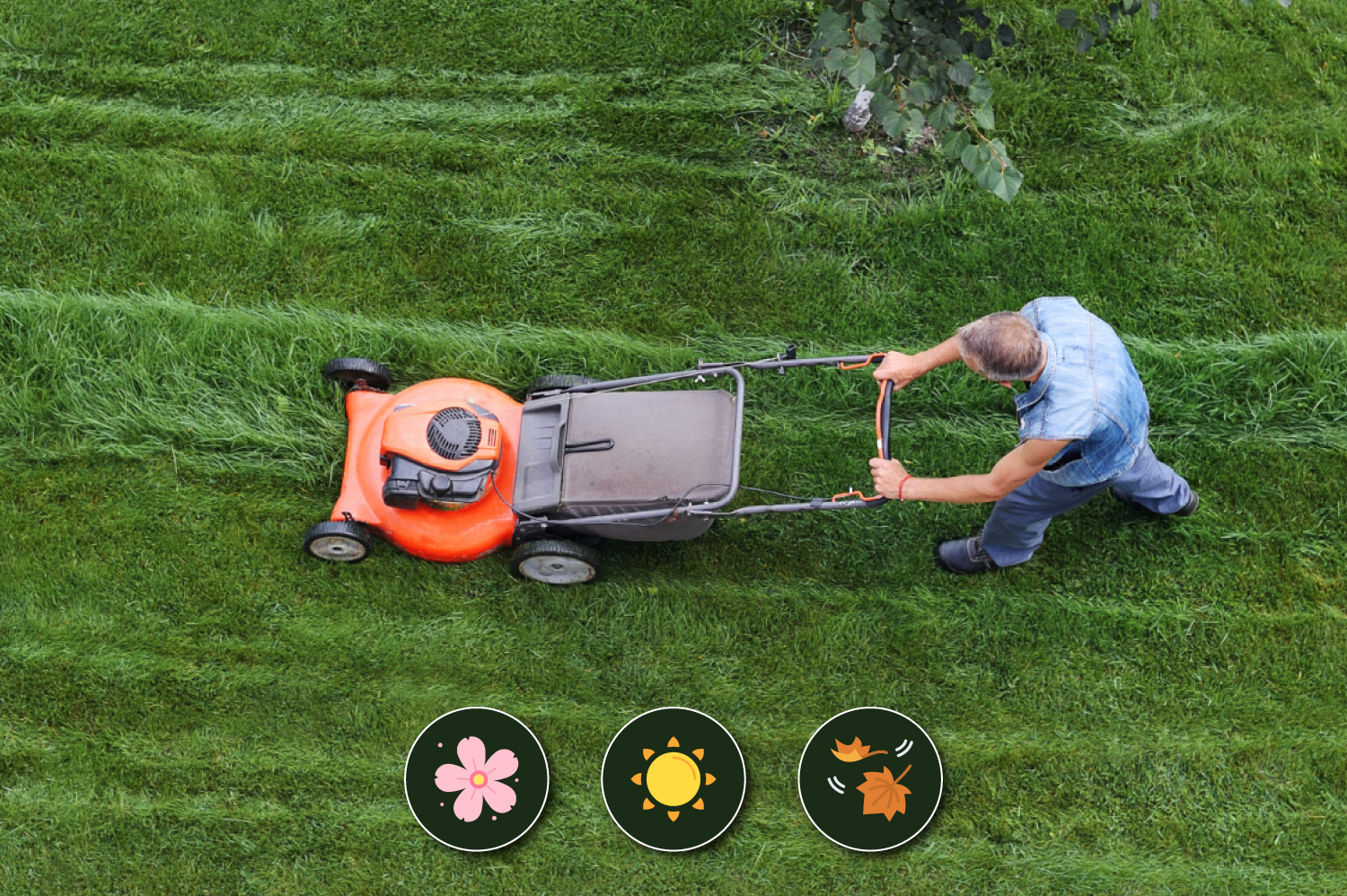
Grass does not grow the same way year-round. Your mowing habits should reflect those changes.
Spring
Growth is fast and steady. Mow regularly to keep up, but avoid cutting too short.
Summer
Heat can stress your lawn. Raise your mowing height slightly to protect roots and retain moisture.
Fall
Growth often increases again. Gradually lower the height for the final cuts before dormancy.
Adapting your routine helps your lawn stay healthy through changing conditions.
Secret #8: Pair Mowing with Proper Watering
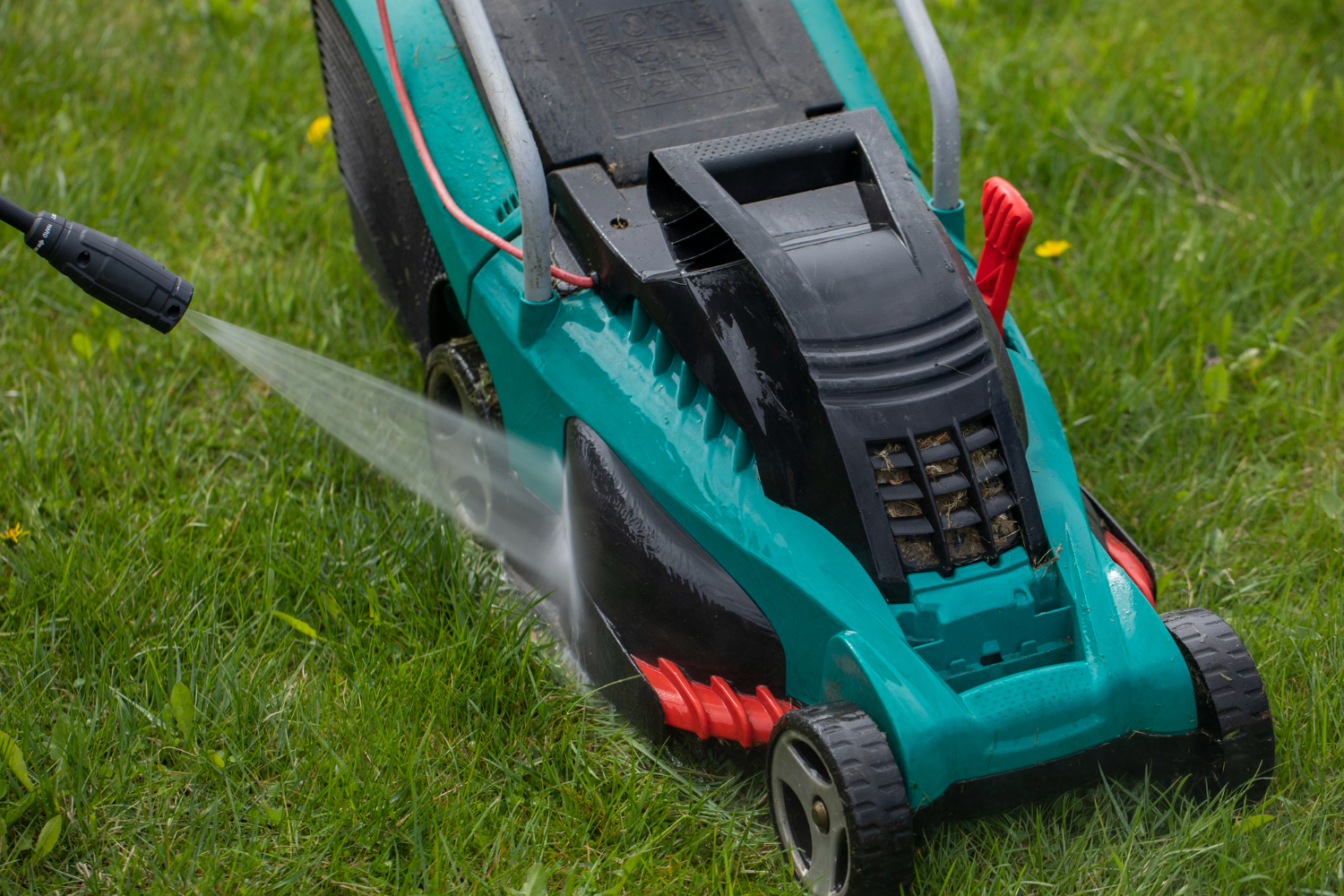
Mowing alone cannot maintain a healthy lawn. Watering habits play a big role.
A simple approach:
- Water deeply once or twice per week
- Water early in the morning
- Adjust based on weather conditions
The University of California Agriculture and Natural Resources notes that deep, infrequent watering encourages stronger root systems and improves drought resistance.
When It Makes Sense to Call a Pro
Even with the right knowledge, maintaining a lawn takes time and effort. Busy schedules or challenging yard conditions can make it difficult to stay consistent.
Professional services offer:
- Reliable mowing schedules
- Proper equipment and maintenance
- Early detection of lawn issues
Working with a trusted provider like RedStone Property Maintenance & Landscaping can take the guesswork out of lawn care while delivering consistent results.
Quick Lawn Mowing Checklist
Before you start your next mow, review this checklist:
- Set the correct mowing height
- Ensure the blade is sharp
- Mow when grass is dry
- Follow the one-third rule
- Change mowing direction
These small steps can lead to long-term improvements in lawn health.
Next Steps for a Healthier Lawn
Great lawns come from simple, consistent habits. Focus on mowing height, timing, and equipment care. Pay attention to seasonal changes and avoid cutting corners that stress your grass.
If you want dependable results without the extra effort, RedStone Property Maintenance & Landscaping offers expert care tailored to your lawn’s needs. With the right support and a few smart mowing secrets, you can enjoy a greener, healthier yard year-round.
Also Read: The Ultimate Guide to Lawn Ornaments Lighthouses, Wishing Wells, and Windmills
FAQs – Lawn Mowing Secrets
1. How often should I mow my lawn?
You should mow once a week during the growing season, adjusting based on how quickly your grass grows.
2. What is the ideal grass height?
Most lawns perform best when kept between 2.5 and 4 inches in height.
3. Is it better to leave grass clippings on the lawn?
Yes, leaving clippings helps return nutrients to the soil and reduces the need for fertiliser.
4. Can I mow wet grass?
It is not recommended as wet grass leads to uneven cuts and can damage your lawn.
5. Why is my lawn turning brown after mowing?
This usually happens due to dull mower blades tearing the grass instead of cutting it cleanly.
Author & Expert Review
Written By:  Gaurav Mishra | Civil Engineer & Content Writer

| Credentials: B.E. (Mahavir Swami College, Surat), Registered with Bhagwan Mahavir University (BMU). Experience: Civil Engineer with 5+ years of content writing experience, currently writing impactful articles for Gharpedia, part of SDCPL. Expertise: Specializes in writing well-researched content on residential construction, construction materials, design planning, on-site practices, and safety, blending technical accuracy with everyday clarity. Find him on: LinkedIn |
Verified By Expert: Ravin Desai – Co Founder – Gharpedia | Co Founder – 1 MNT | Director – SDCPL

This article has been reviewed for technical accuracy by Ravin Desai, Co-Founder of Gharpedia and Director at Sthapati Designers & Consultants Pvt. Ltd. With a B.Tech. in Civil Engineering from VNIT Nagpur and an M.S. in Civil Engineering from Clemson University, USA, and over a decade of international and Indian experience in the construction and design consultancy sector, he ensures all technical content aligns with industry standards and best practices.
Find him on: LinkedIn