







Table of Contents
Quick Summary
- Woodworking is a fulfilling hobby and profession, but it comes with safety risks, especially when using power tools.
- Sharp blades and drill bits reduce kickback, splintering, and jamming.
- Essential safety gear includes goggles, gloves, ear protection, and respirators to protect against debris, cuts, noise, and dust.
- Proper attire—long sleeves, long pants, leather aprons, and steel-toe boots—prevents clothing snags and foot injuries.
- Remove jewellery to avoid entanglement in rotating tools.
- Never operate tools while intoxicated or under drowsiness-inducing medication.
- Always unplug tools before maintenance or blade changes.
- Inspect reclaimed wood for nails to prevent blade damage and injuries.
- Work against the cutter to minimise kickback.
- Ask for help when handling large or heavy materials.
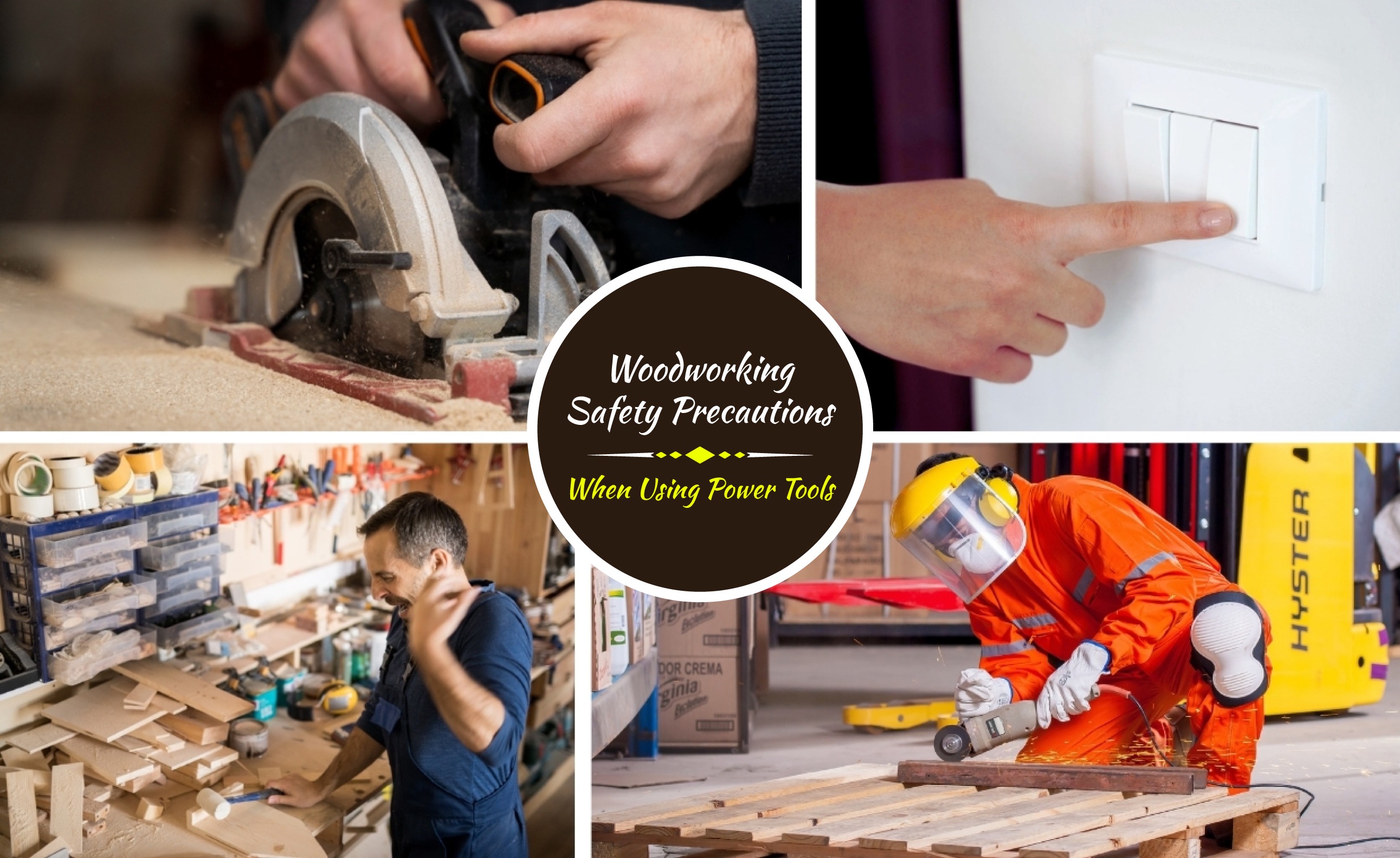
Nothing beats the satisfaction of creating something with your hands, and woodworking has a way of pulling people in. But when the power tools are pulled out of the bag, you know that woodworking comes with its share of risks as well.
A lapse in judgement and your enjoyable project turns into a painful accident within a fraction of a second. It is a truth that most workshop injuries occur not due to a faulty tool, but because of ignoring basic woodworking safety tips.
However, the positive news is that these woodworking mishaps are preventable if you adopt discipline, use proper protective gear and understand how power tools work. Whether you are a DIY enthusiast or an expert woodworker, these woodworking safety tips will help you work more confidently and safely.
Let’s begin.
Woodworking Safety Tips when Using Power Tools
Power tools are powerful for a reason, and knowing how to use them safely is as important as knowing how to use them effectively. Let’s begin with the basic power tool safety rules.
01. Use Sharp Blades
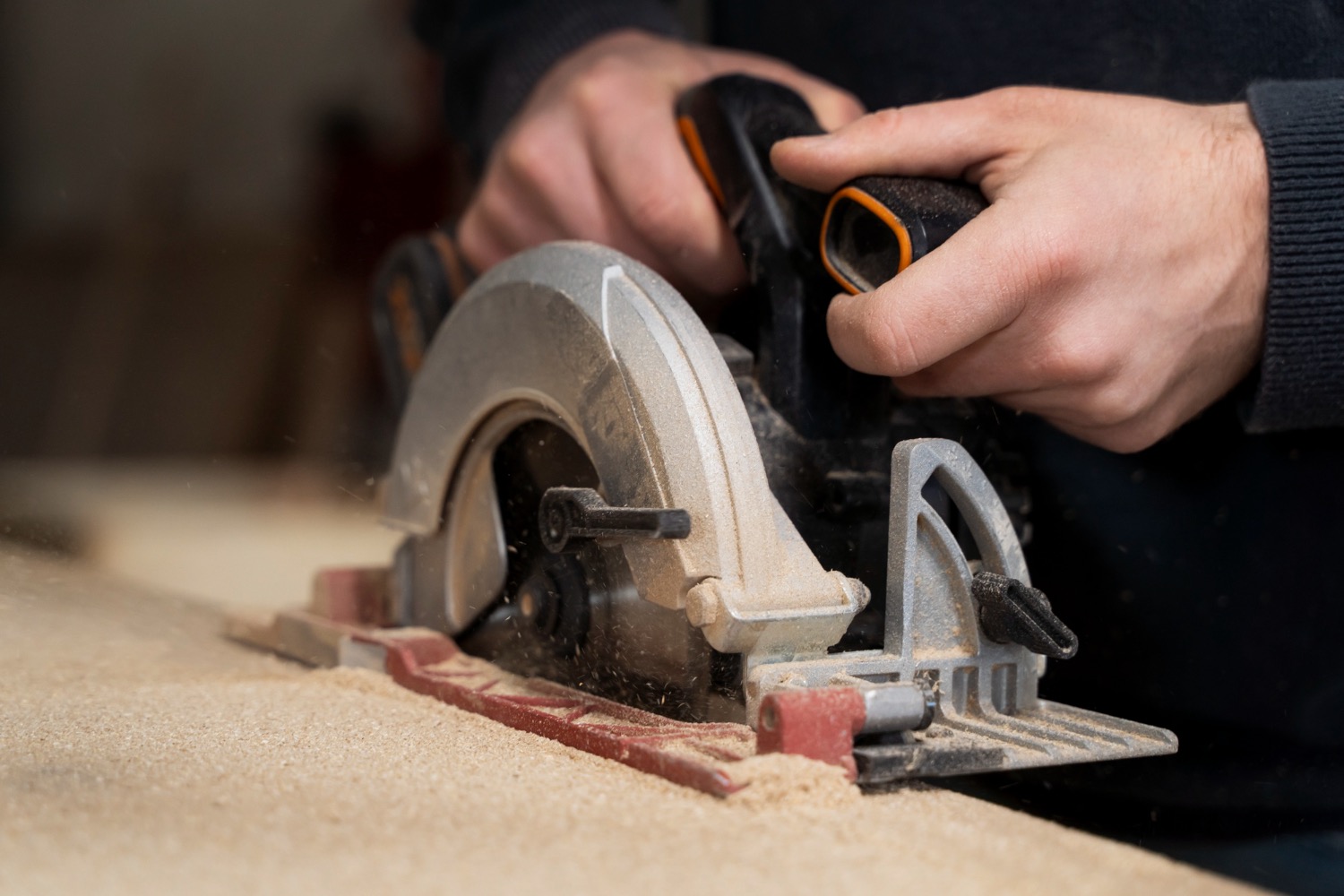
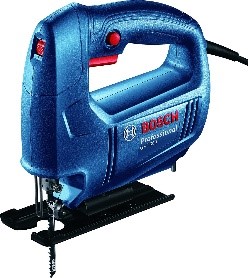
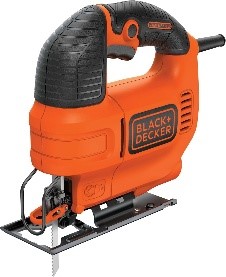
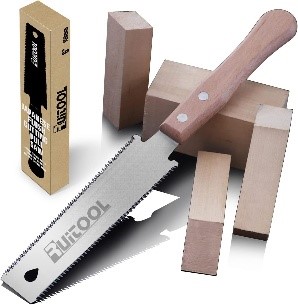
This woodworking safety tip might sound surprising, but sharp tools are safer than blunt ones. Sharp blades cut clean, reducing the chances of splintering, binding or kickback.
Kickback is one of the most dangerous parts of woodworking, which happens when the spinning saw blade catches the wood you’re cutting and forcefully throws it back towards the operator. The same is true with drill bits. Unlike dull bits, sharp bits don’t jam. Keeping blades and drill bits sharp minimises this risk and ensures smoother operation.
Inspect and sharpen your tools regularly, and replace worn-out components when necessary.
If you are living in the UK, Data powertools may interest you.
02. Wear Safety Gear
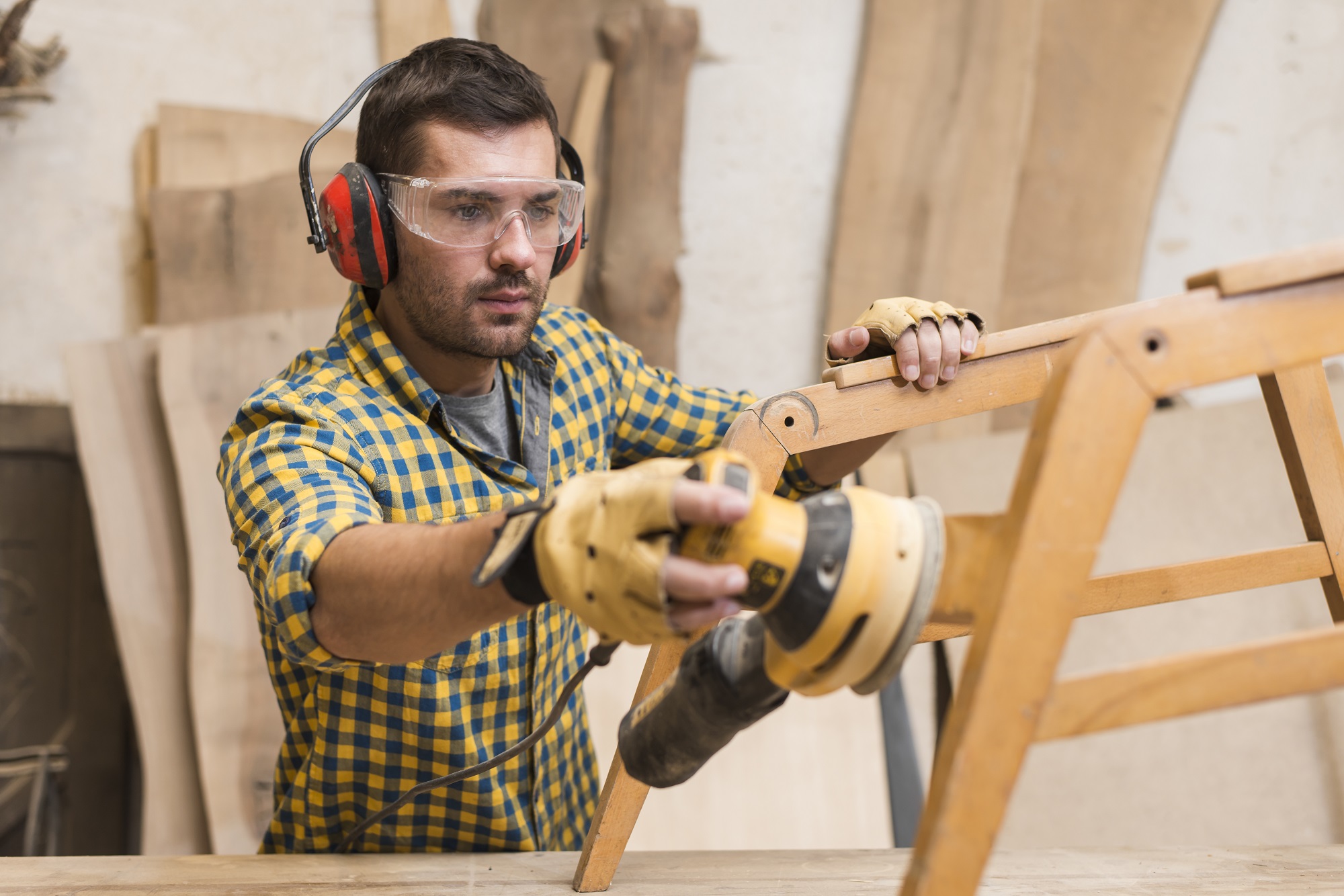
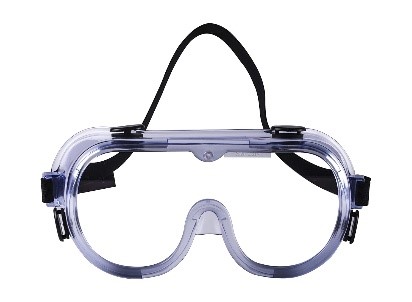
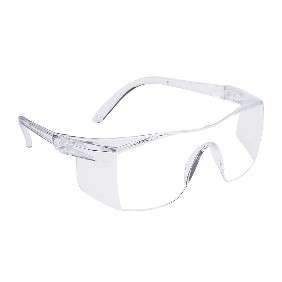

Woodworking exposes you to multiple risks like flying wood chips, excessive noise and fine dust particles. That is why wearing the right protective gear is essential while working with power tools.
Safety goggles or face shields protect your eyes from dust and wood chips. Gloves prevent cuts and splinters, ear protection gear, like earplugs or earmuffs, reduces noise exposure and respirators or dust masks prevent inhalation of harmful particles.
03. Dress For Safety, not Style




What you wear in your woodworking workshop matters more than you might think. Avoid loose, ill-fitted attire, dangling sleeves or open footwear as these can easily get caught in moving parts.
Instead, choose fitted long-sleeve shirts and long pants. A durable apron, preferably made of leather, can offer you added protection. Steel-toe safety boots are particularly useful for protecting your feet from falling objects, timber pieces and sharp objects.
04. Remove Jewellery and Accessories

Your rings, chains and watches may be harmless otherwise, but in your workshop, they expose you to accidents. Avoid wearing any jewellery or accessories while woodworking because they can pose a threat around rotating tools. Your chain can get caught in a spinning blade or drill, leading to severe injuries. Always remove jewellery and accessories to eliminate this risk.
05. Avoid Intoxicants

Handling power tools requires full focus and quick reflexes. Alcohol, drugs or even certain medications can impact your sense of judgment and slow your reaction time. If you feel drowsy, distracted or unwell, postpone your work.
06. Disconnect Power Before Maintenance

Do you know that many injuries occur in workshops when tools start accidentally? Yes, it is true, and to avoid this, ensure the tool is completely powered off before changing blades, bits or performing any maintenance.
Unplug corded tools, remove batteries from cordless tools and switch off the main power supply if required. This simple woodworking safety tip prevents accidental startups.
07. Inspect the Wood for Nails

Reclaimed or used wood often contains nails, screws, or other metal pieces. Cutting into this can damage your tools, ruin your equipment and trigger dangerous kickbacks.
To avoid this, first inspect the wood meticulously. For added safety, use a metal detector to identify hidden objects before cutting.
08. Work Against the Cutter
All seasoned woodworkers know the importance of this woodworking safety tip: working against the cutter or feeding material in the correct direction, which is against the rotation of the cutter or blade. You must feed your workpiece against a stationary blade instead of bringing it onto the work surface. This ensures better control and reduces the risk of kickback.
Power tools are designed to operate in a specific direction. Working with that design, rather than against it, improves both safety and efficiency. Go through the manufacturer’s instructions if you are unsure about the correct feed direction.
09. Seek Help When Needed

Handling large or heavy pieces of wood alone can be risky, as it leaves you vulnerable to losing control, making inaccurate cuts or even straining your body. If a task feels difficult to manage alone, seek assistance. A second pair of hands can prevent injuries and mistakes.
Additional Safety Tips
Apart from tips on handling power tools, a few good workshop habits can make a huge difference.
- Keep your workspace clean, organised and clutter-free
- Maintain tools regularly; check for wear and tear, tighten loose components, lubricate moving parts and replace faulty equipment
- Be prepared for emergencies. Keep a first-aid kit ready, know your nearest medical facility, install a fire extinguisher in your workshop and keep the emergency number handy.
Conclusion
In woodworking, safety is paramount, especially if you are working with power tools. You need to know how to handle power tools and what to wear to protect yourself. As long as you keep these woodworking safety tips in your mind, you’ll build projects without risk.
If you want to read more about woodworking articles, then you must refer to the following links:
4 Tips on Choosing the Best Used Woodworking Tools
10+ Basic Carpentry Tools List for DIY
FAQs on How to Stay Safe When Using Power Tools for Woodworking
01. What Are The Most Important Woodworking Safety Tips For Beginners?
Beginners should focus on using sharp blades, wearing proper safety gear, avoiding loose clothing, unplugging tools before maintenance, and working against the cutter to reduce kickback risks.
02. Why Are Sharp Blades Safer Than Dull Ones In Woodworking?
Sharp blades create clean cuts with fewer splinters, reduce jamming, and greatly lower the risk of kickback compared to dull blades, which force the tool to work harder.
03. What Safety Gear Is Essential When Using Power Tools?
Must-have gear includes safety goggles, gloves, ear protection, and respirators to shield you from debris, cuts, loud noise, and dust.
04. What Clothing Should I Avoid Wearing In A Woodworking Shop?
Avoid loose clothing, jewellery, and open footwear. Instead, wear fitted long sleeves, long pants, a leather apron, and steel-toe boots.
05. How Can I Prevent Kickback When Using Saws And Routers?
Always work against the cutter, keep blades sharp, maintain a firm grip, and ensure the wood is free of nails or defects before cutting.
Author & Expert Review
Written By:  Nidhi Patel | Civil Engineer & Content Writer

| Credentials: B.E. (Mahatma Gandhi Institute of Technical Education and Research Centre), Registered with Gujarat Technological University (GTU). Experience: Civil Engineer with 3+ years of content writing experience, currently writing blogs for Gharpedia, part of SDCPL. Expertise: Specializing in SEO-optimized blogs and long-form articles focused on home improvement, construction, interiors and architect topics. I create well-researched, reader-focused content that balances technical accuracy with clarity, making complex subjects easy to understand. Find her on: LinkedIn |
Verified By Expert:  Ravin Desai – Co Founder – Gharpedia | Co Founder – 1 MNT | Director – SDCPL

This article has been reviewed for technical accuracy by Ravin Desai, Co-Founder of Gharpedia and Director at Sthapati Designers & Consultants Pvt. Ltd. With a B.Tech. in Civil Engineering from VNIT Nagpur and an M.S. in Civil Engineering from Clemson University, USA, and over a decade of international and Indian experience in the construction and design consultancy sector, he ensures all technical content aligns with industry standards and best practices.
Find him on: LinkedIn