





Table of Contents
Quick Summary
- A cluttered garage can be transformed into a practical and organized space without undertaking a major renovation.
- Begin by removing unused items and grouping belongings into categories before investing in storage solutions.
- Maximize available space by using walls, ceilings, pegboards, and overhead racks for efficient storage.
- Improve safety by installing a fire extinguisher, sealing gaps to keep pests out, and setting up a spill-control station for hazardous liquids.
- Enhance the garage’s functionality with a durable floor coating and maintain organization by keeping a dedicated donation or disposal bin to prevent clutter from returning. These practical tips help homeowners create a cleaner, safer, and more usable garage for parking, storage, hobbies, or a home workshop.
Courtesy - Magnific
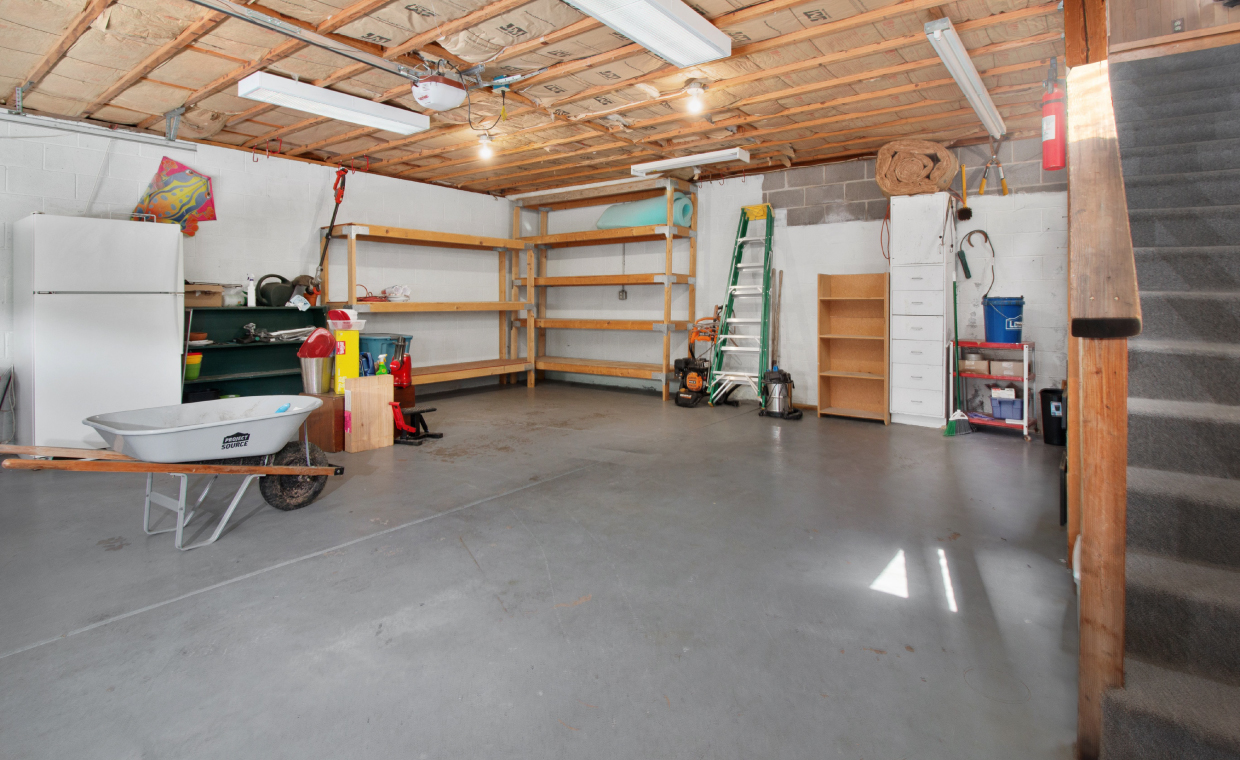
We won’t sugarcoat it: turning a cluttered garage into genuinely usable space takes quite a bit of work. And time. But let’s also be honest about the fact that most clutter – garage clutter included – doesn’t accumulate overnight. So, it’s only natural that it cannot disappear overnight, either.
Now for some good news: you don’t need a full-blown renovation. In many garages, a handful of practical upgrades can reclaim hundreds of square feet and make the space useful again. And this is true whether you want room for your car, a workshop, or a home gym.
1. Remove the Obvious Space Hog
Courtesy - Magnific
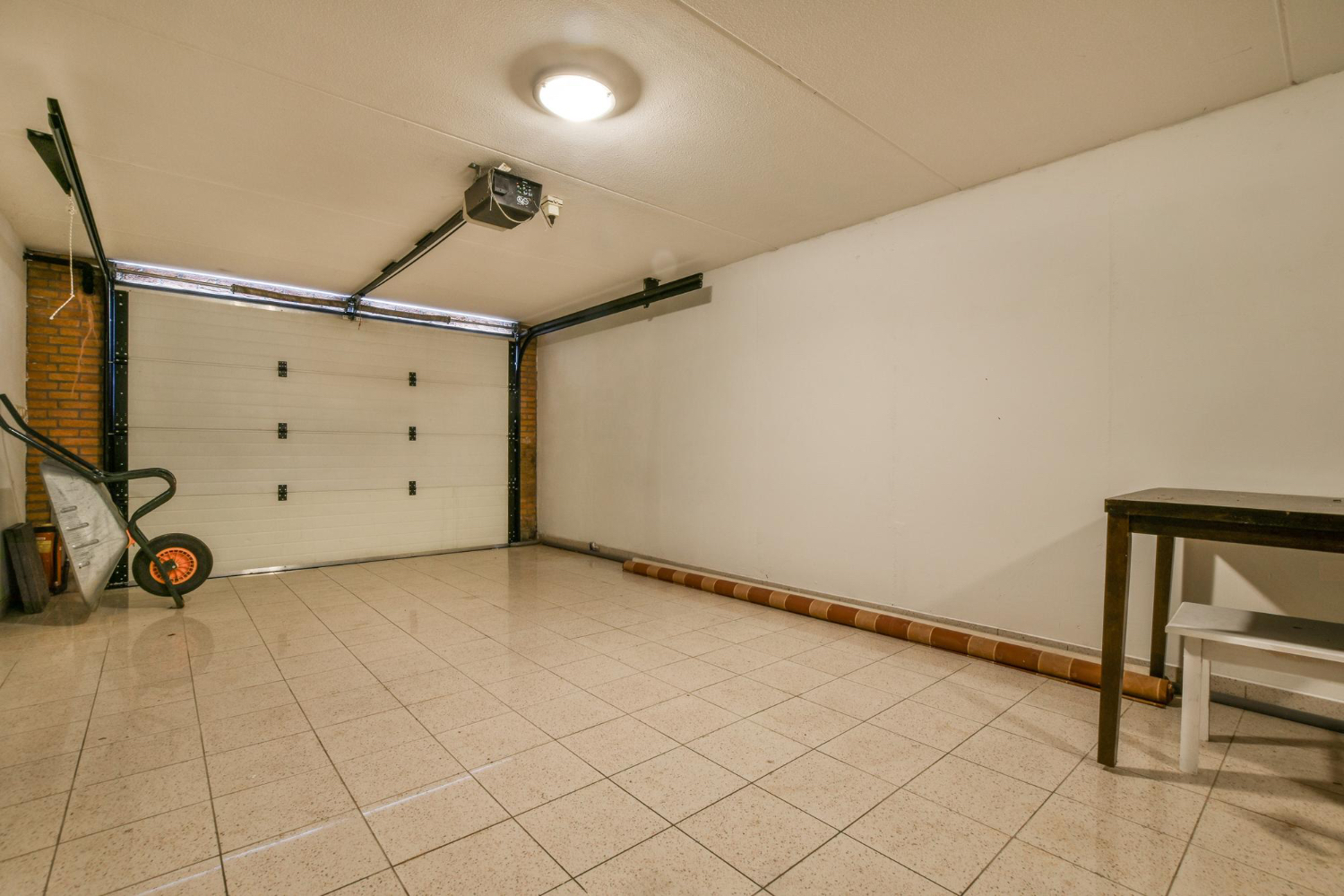
Let’s start with the elephant in the room: the old, inoperable vehicle.
If you have an unused car collecting dust, that’s the absolute first thing that needs to go. A single vehicle takes up 150 square feet or more, which is enough room for a workshop, storage system, or home gym.
If a car is beyond repair, get rid of it and earn money in the process instead of letting it rot. You don’t even have to tow it yourself, depending on where you live. For example, there are now services like Cash for Cars that can arrange Houston pickup and clear that space much faster than you might expect.
2. Create Zones Before You Buy Storage
Many homeowners buy containers first and organize second. You want to reverse that process.
First, separate items into broad categories like tools, sports equipment, seasonal decorations, gardening gear, and household overflow. Then, buy storage tailored to those specific items.
3. Put the Walls to Work
Courtesy - Magnific
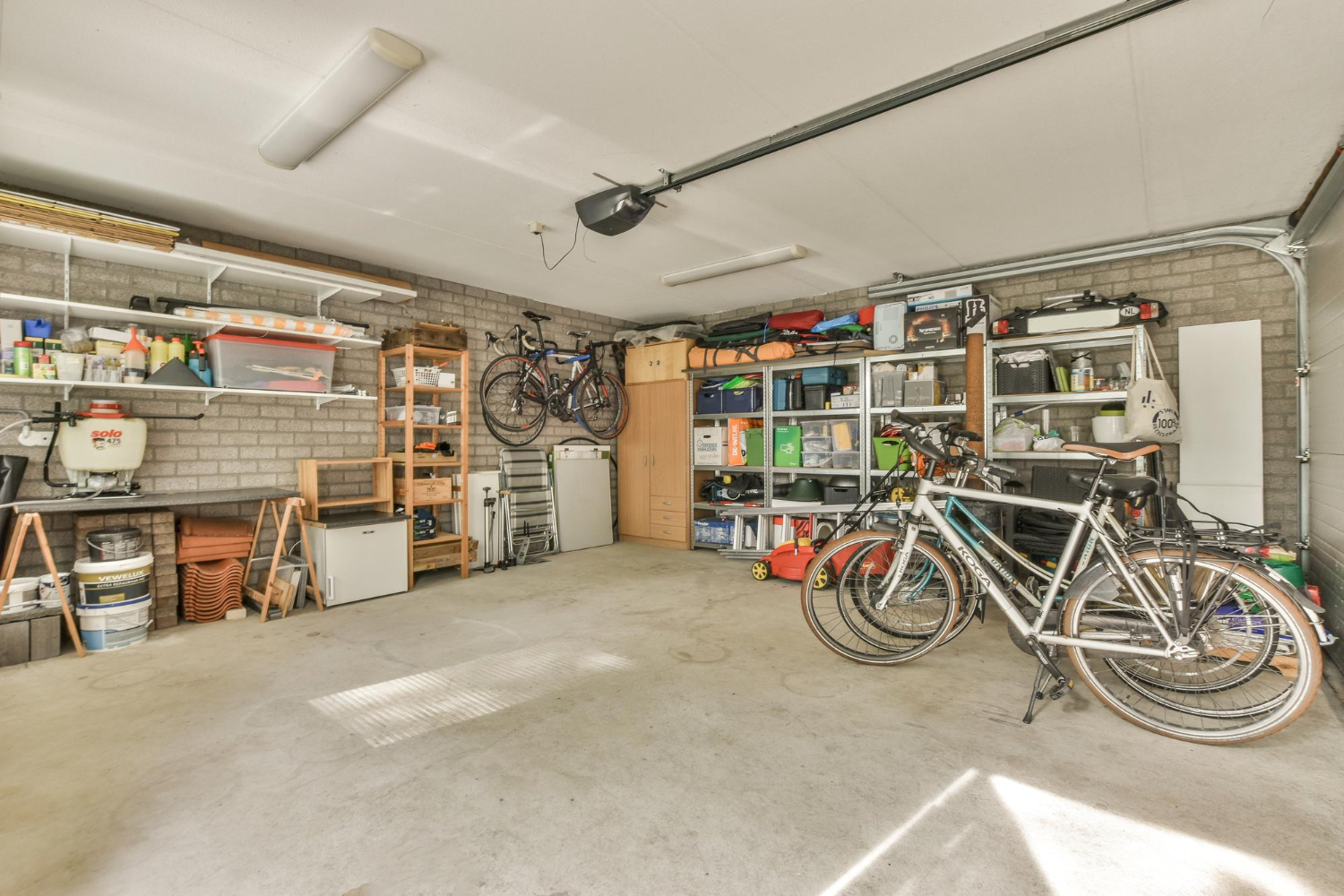
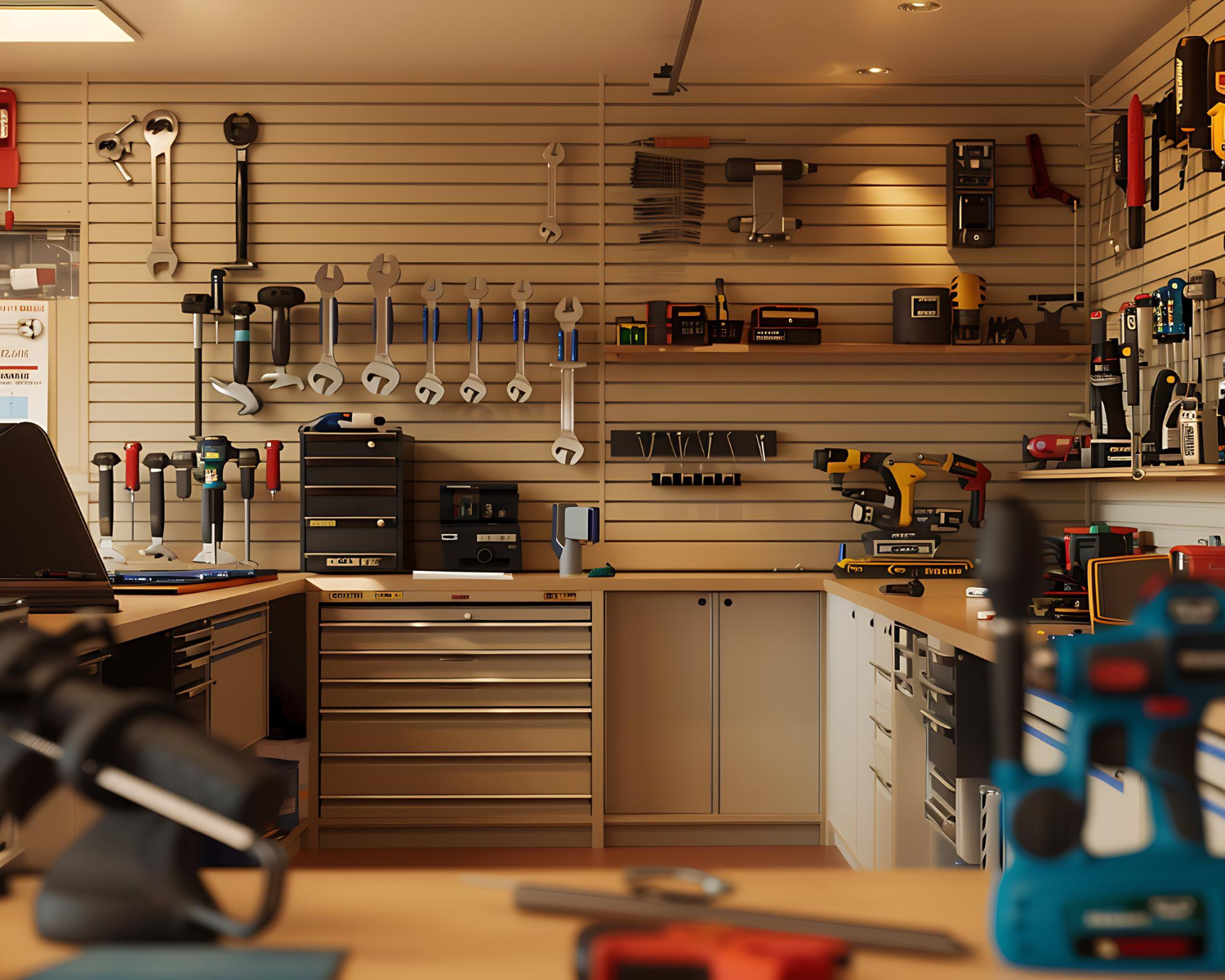
Most garages have plenty of vertical space and very little floor space. Why not use those walls to maximize your storage space?
Ladders, rakes, bicycles, hoses, extension cords, folding chairs—many of these items can hang on walls instead of sprawling across the concrete. Good vertical storage often doubles usable floor area without adding a single square foot.
4. Claim the Ceiling
Not enough wall space? Look up. That empty space above your head can store things you only touch a few times each year.
Overhead racks work especially well for holiday decorations, camping equipment, and bulky bins. Just keep the heavy stuff within reason. Gravity remains undefeated.
5. Build a Tool Wall That Makes Sense
Courtesy - Magnific
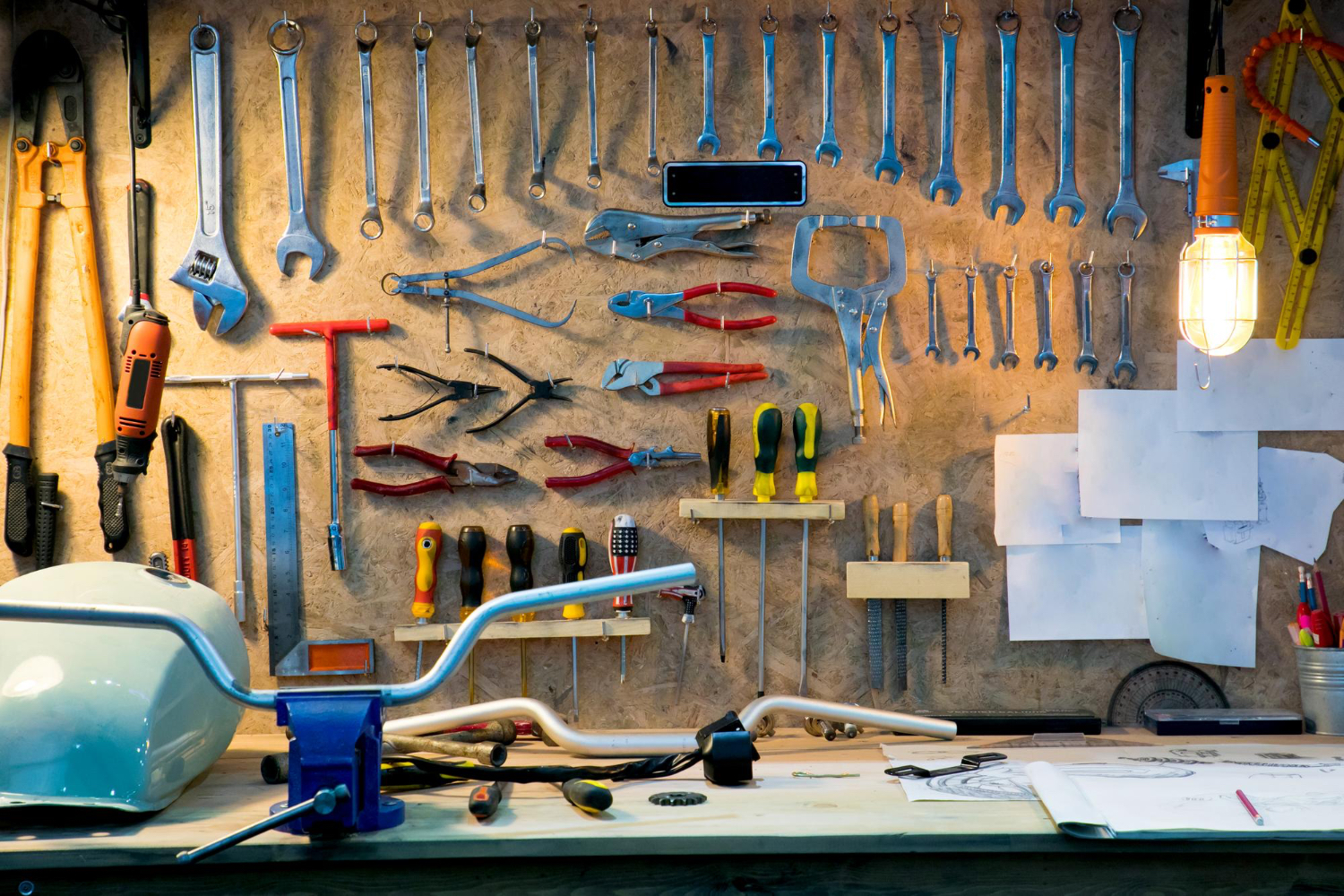
A pegboard may not be revolutionary. But a properly planned one can be.
Group tools by task instead of tool type or size. For example, you can put electrical tools together, keep measuring tools together, and group automotive tools together. That small change cuts down on time spent hunting for equipment.
6. Add Basic Fire Protection
Courtesy - Magnific
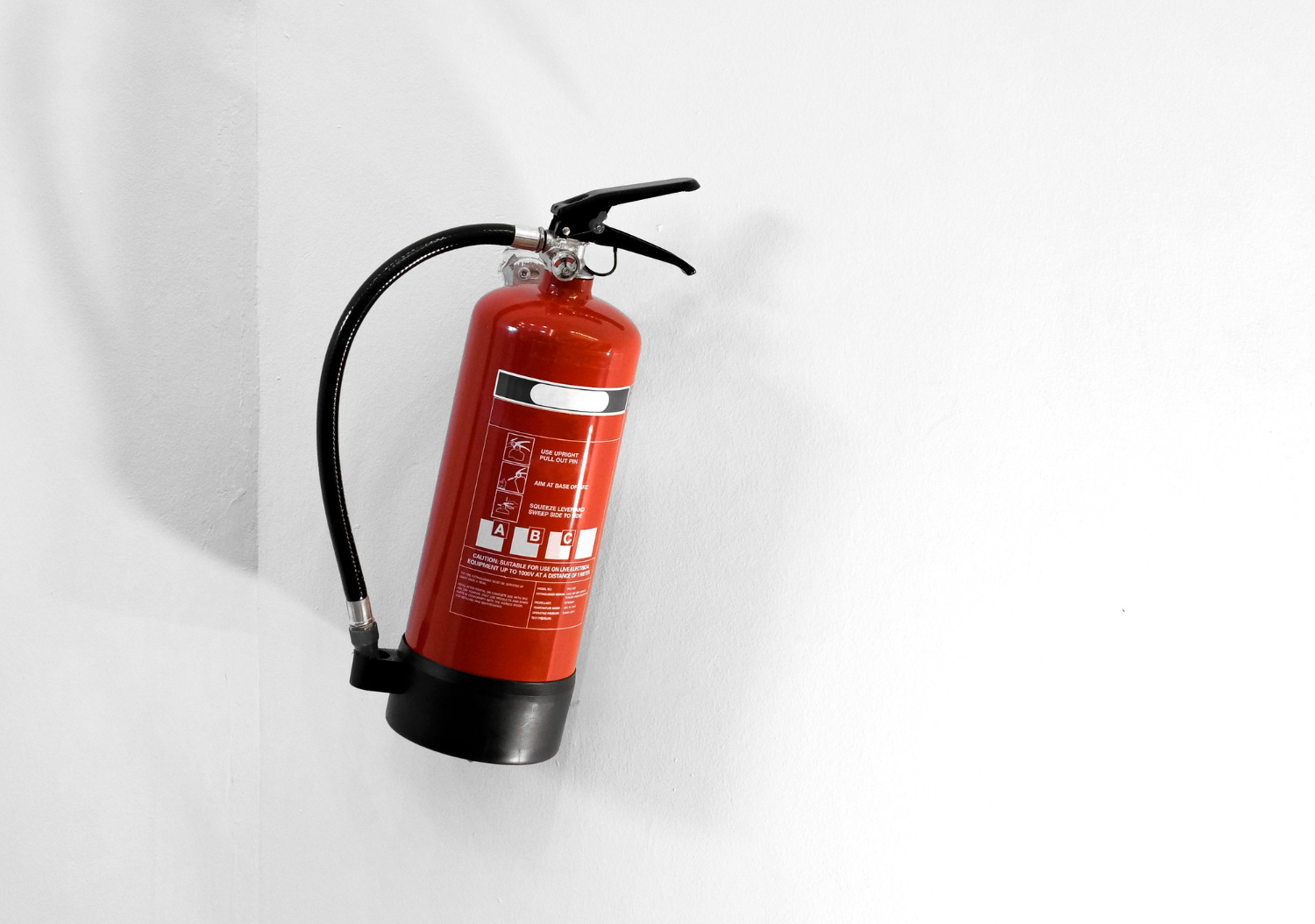
People rarely think of fire safety as part of organization, but it should be. Garages often contain several common fire hazards, including gasoline, batteries, power tools, and flammable liquids.
So, keep a fire extinguisher near the exit, where you can actually reach it during an emergency. Safety experts frequently recommend placing extinguishers in garages because they often contain multiple ignition sources.
7. Make Life Hard for Pests
Mice don’t care how much you paid for your storage system. They care about shelter.
Small gaps around doors, walls, and utility penetrations are often enough to invite unwanted guests. Seal openings and store animal feed, bird seed, and similar materials in tightly closed containers.
8. Create a Spill-Control Station
Courtesy - Magnific
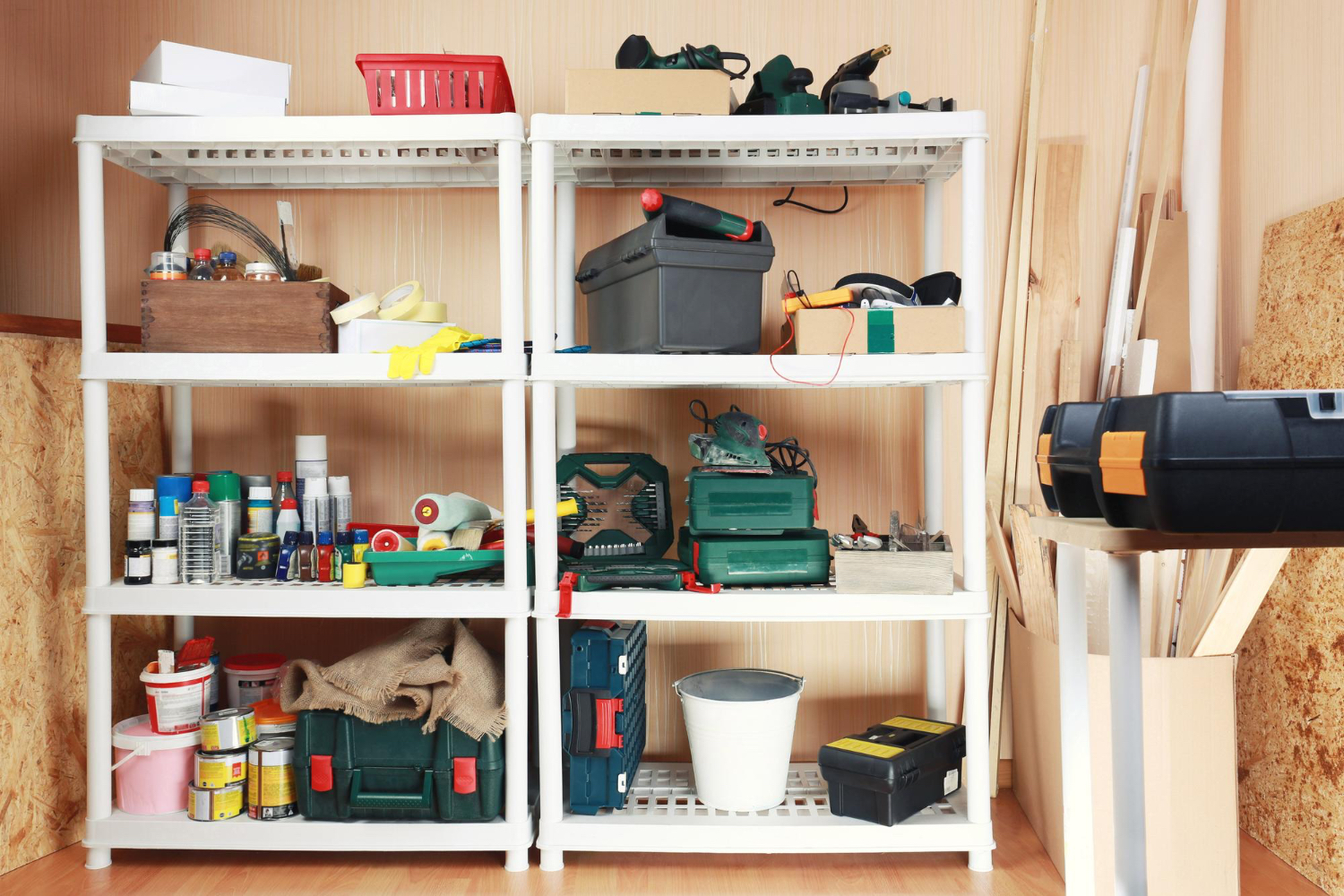
Most garages store liquids that eventually leak, such as motor oil, coolant, fertilizer, or leftover paint. These things also have a way of spreading.
Keep absorbent materials (like cat litter or dedicated spill compound), heavy-duty gloves, and cleanup rags grouped together in one clearly marked spot. You want to have immediate spill control to prevent permanent concrete stains and reduce slip hazards.
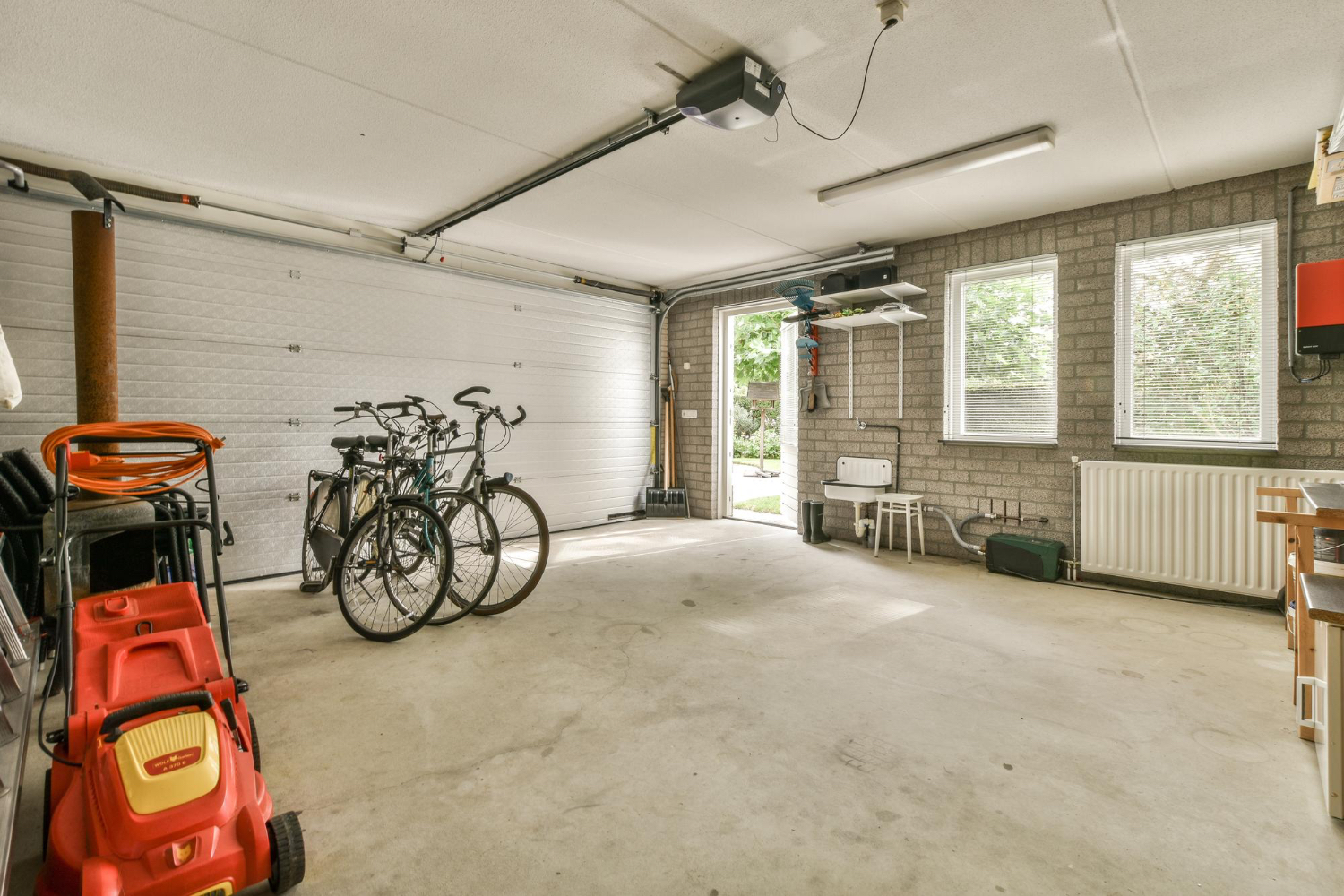
9. Upgrade the Floor
Courtesy - Magnific
Speaking of concrete… Cracked concrete isn’t just ugly. It also traps dirt and allows oil stains and moisture to spread.
A concrete sealer or garage floor coating is the easy fix. It makes cleanup easier and gives the space a more finished feel without requiring major construction.
10. Have an “Outbox” for Items in Limbo
Finally, keep in mind that decluttering is an ongoing process. After you’ve cleared your space, it’s likely that clutter will start to accumulate again unless you have a system in place.
To help with this, designate a box or bin near the door for items you plan to donate, sell, or throw away. Whenever you come across something you no longer need, toss it in the bin immediately. Once full, haul it away to keep excess items from creeping back into your clean space.
Also Read: 5 Easy and Creative DIY Garage Storage Ideas
FAQs on Garage Organization Ideas
1. What is the best way to organize a cluttered garage?
Start by removing unwanted items, categorizing belongings into zones, and installing storage systems that suit each category.
2. How can I maximize storage space in a small garage?
Use vertical wall storage, overhead ceiling racks, pegboards, and wall-mounted hooks to free up valuable floor space.
3. Why should garages be divided into storage zones?
Storage zones make it easier to find items, reduce clutter, and ensure every belonging has a designated place.
4. What safety features should every garage have?
A garage should include a fire extinguisher, sealed storage for hazardous materials, proper ventilation, and a spill-cleanup station.
5. How do I keep my garage organized long-term?
Regularly declutter, return items to their designated storage areas, and maintain a donation or disposal bin to prevent clutter from building up again.
Courtesy - Pexels(featured image)
Author & Expert Review
Written By:  Nidhi Patel | Civil Engineer & Content Writer

| Credentials: B.E. (Mahatma Gandhi Institute of Technical Education and Research Centre), Registered with Gujarat Technological University (GTU). Experience: Civil Engineer with 3+ years of content writing experience, currently writing blogs for Gharpedia, part of SDCPL. Expertise: Specializing in SEO-optimized blogs and long-form articles focused on home improvement, construction, interiors and architect topics. I create well-researched, reader-focused content that balances technical accuracy with clarity, making complex subjects easy to understand. Find her on: LinkedIn |
Verified By Expert: Farhan Shaikh – Senior Manager – Architect, SDCPL | Associate Member – IIA

This article has been reviewed for architectural and interior design accuracy by Farhan Shaikh, Senior Manager – Architect at Sthapati Designers & Consultants Pvt. Ltd. As the lead for all architectural and interior projects at SDCPL and an Associate Member of the Indian Institute of Architects (IIA), he brings hands-on experience in architectural planning, interior design, project coordination, and sustainable strategies. His review ensures the content reflects practical design considerations, industry best practices, and real-world applicability across both architecture and interior spaces.
Find him on : Linkedin