





Table of Contents
Quick Summary
- Family memories deserve to be showcased instead of staying hidden in storage or digital devices.
- Start by choosing a theme to create a cohesive display that suits your home’s décor.
- Use a mix of gallery walls, photo books, floating shelves, shadow boxes, digital frames, and rotating artwork displays to present different types of memories.
- Match each display style to the room’s purpose while maintaining proper spacing, balance, and organization.
- Thoughtfully arranged photos and keepsakes add warmth, personality, and storytelling to your living spaces without creating visual clutter.
Courtesy - Magnific
Family memories should not stay buried in phone galleries, old hard drives, or storage boxes. Photos, keepsakes, travel souvenirs, children’s artwork, letters, and milestone items can make a home feel warmer and more personal when they are displayed with care.
The key is to avoid clutter. A good memory display should feel intentional, easy to update, and connected to the room around it.
With the right layout, materials, and placement, family memories can become part of the home’s design instead of looking like random items placed wherever space was available.
Start With a Memory Theme
Courtesy - Magnific
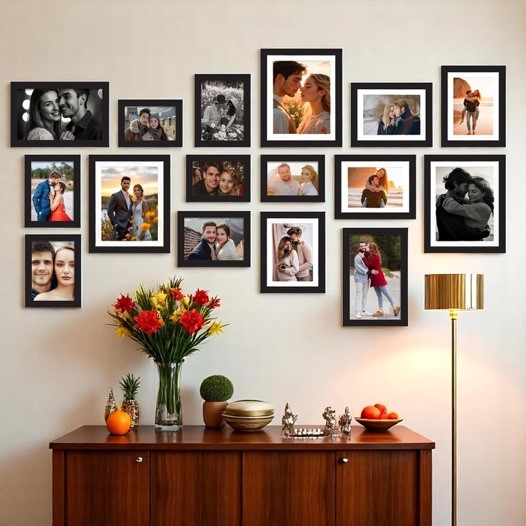
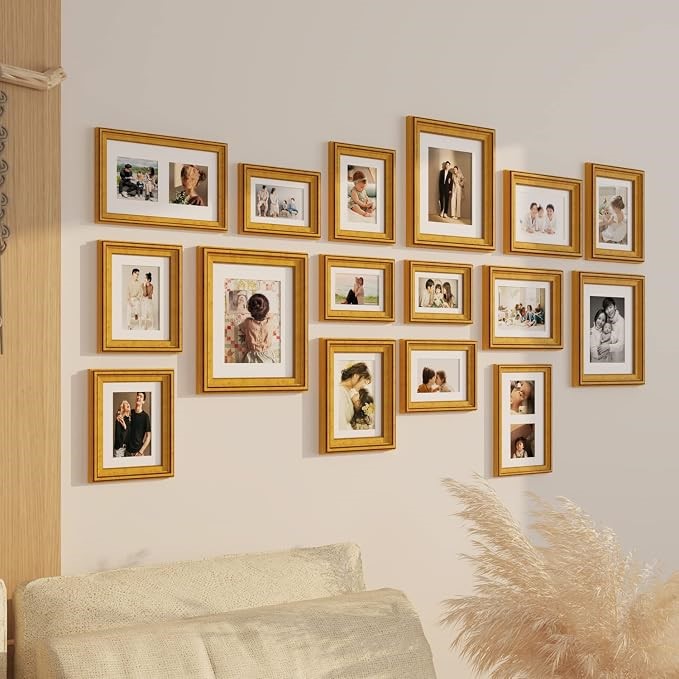
Before hanging frames or arranging shelves, choose a theme. This helps the display feel organized.
A theme may focus on family travel, wedding memories, children’s milestones, grandparents, seasonal photos, school years, holidays, or everyday family moments.
The theme does not need to be formal.
It simply gives the display a clear direction.
For example, a hallway may show family growth over the years. A living room shelf may focus on travel memories. A child’s room may display school artwork and activity photos.
When the theme is clear, it becomes easier to choose what belongs and what should be stored elsewhere.
Create a Photo Book Display
Courtesy - Magnific
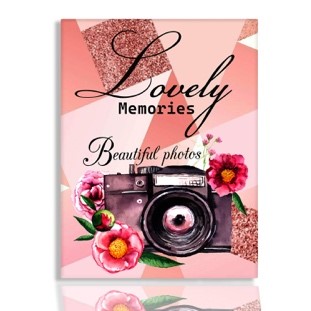
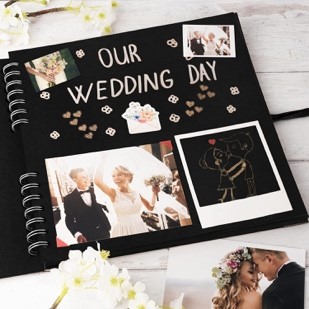
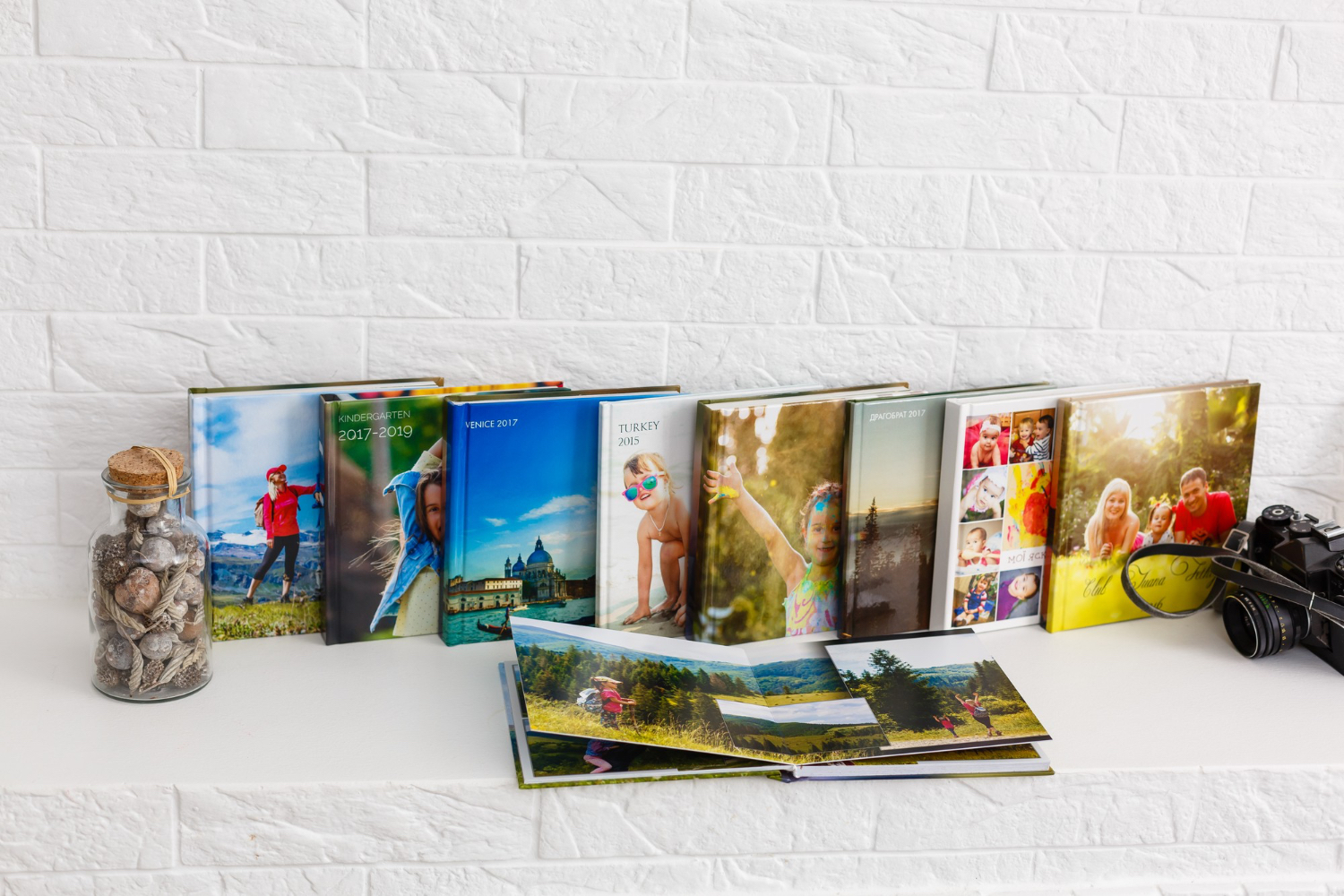
Not every memory needs to be framed. Some stories need more than one image, especially weddings, vacations, birthdays, graduations, home renovations, and family reunions.
Using personalized photo books is a practical way to organize these memories into a format that can sit on a coffee table, bookshelf, console, or reading corner.
This works well when you have many photos from one event.
Instead of covering every wall with frames, you can keep the full story in one place.
A photo book also invites people to sit down and look through the memories slowly.
It feels more personal than scrolling through a phone.
Build a Gallery Wall With Structure
Courtesy - Magnific
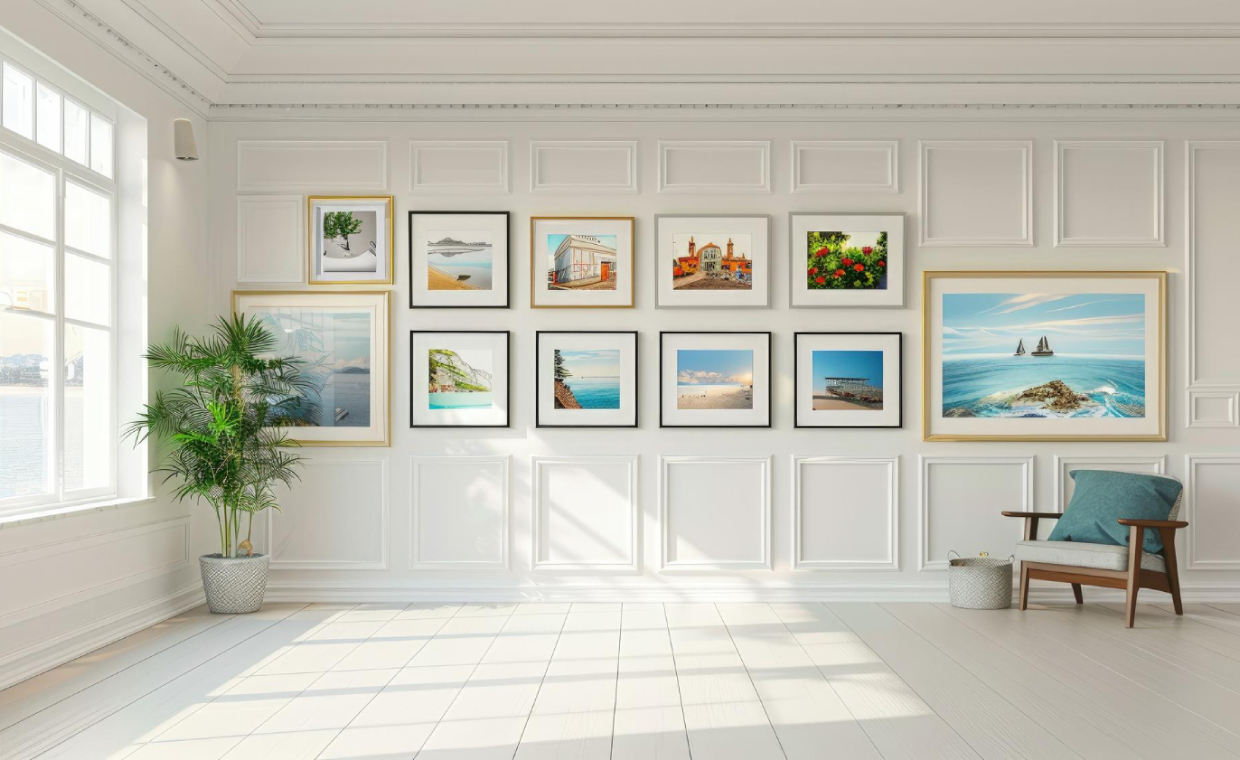
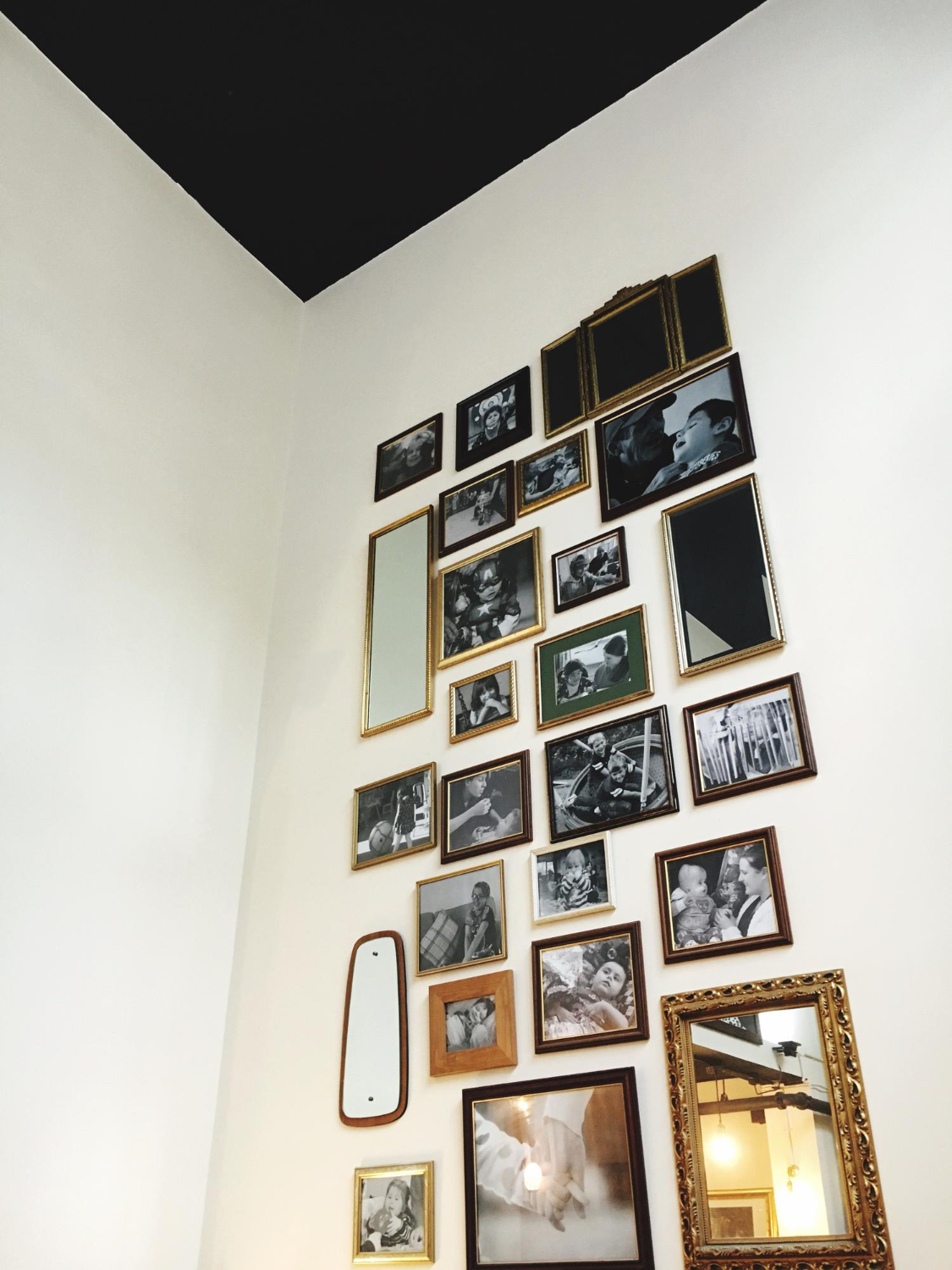
Gallery walls are popular, but they can look messy when they are not planned. The best ones have a clear layout, consistent spacing, and a connection between the frames.
Start by choosing the wall.
Hallways, staircases, dining rooms, and living room feature walls often work well.
Lay the frames on the floor before hanging anything.
Keep spacing consistent between frames.
Use one frame color for a cleaner look, or mix finishes carefully if the room already has a layered design.
Gallery Wall Planning Tips
Before installing, review:
- Wall size
- Frame sizes
- Photo orientation
- Spacing between frames
- Color balance
- Eye-level placement
- Lighting direction
- Room style
- Future expansion space
A gallery wall should have breathing room.
If every inch is filled, the display can feel heavy.
Use Floating Shelves for Flexible Displays
Courtesy - Magnific
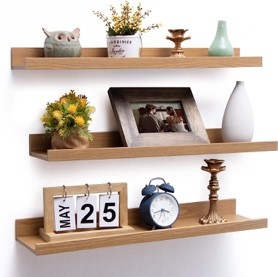
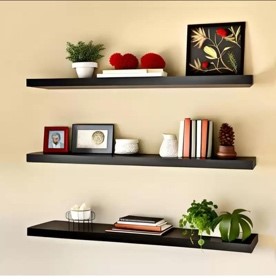
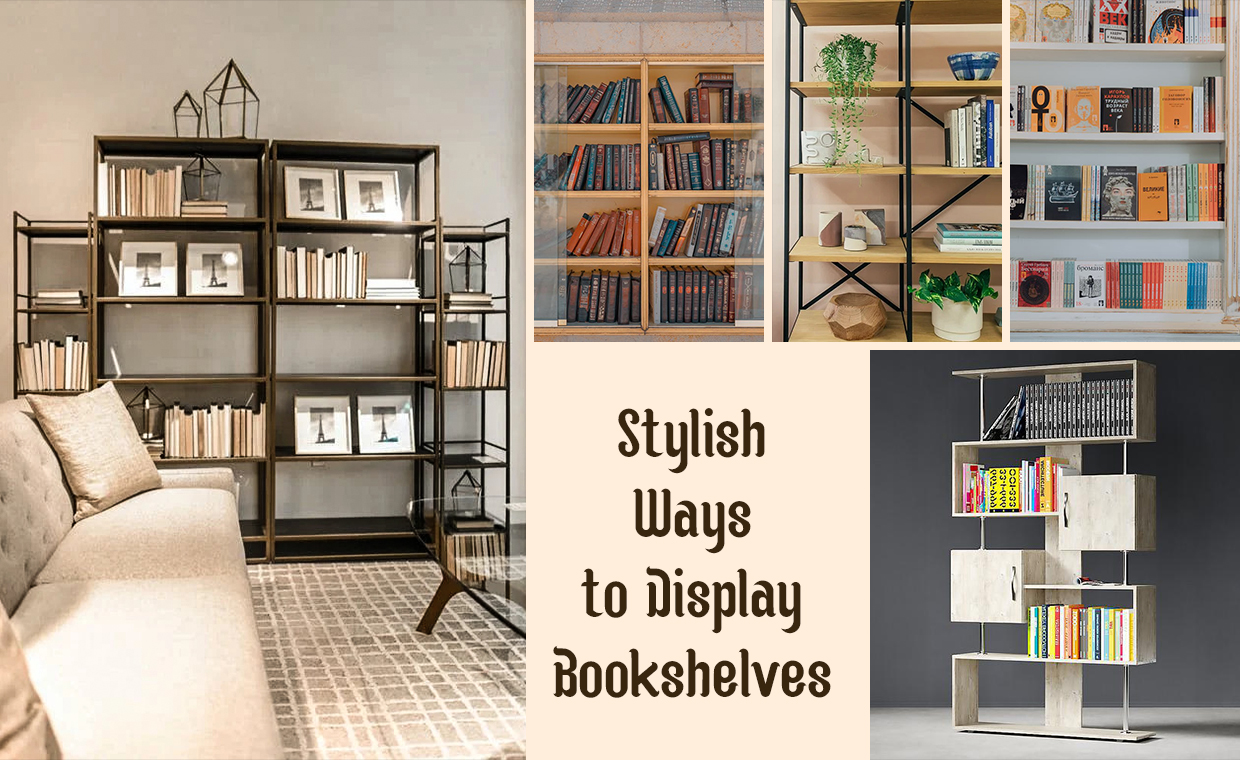
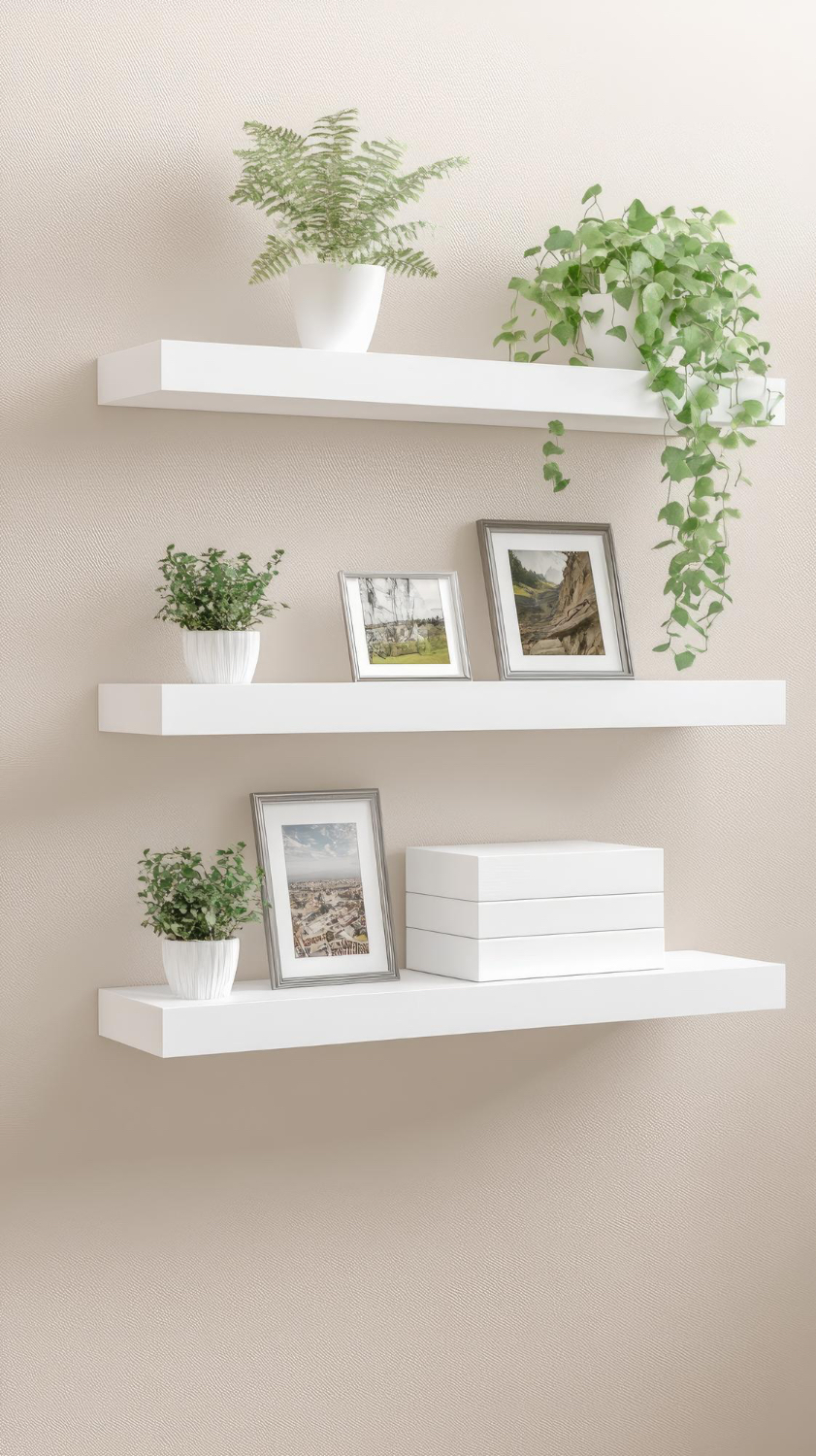
Floating shelves are useful because they are easy to update. You can mix framed photos, small plants, candles, souvenirs, small sculptures, and keepsakes without putting too many holes in the wall.
This works especially well for families who like changing displays through the year.
A shelf can show vacation memories in summer, festive photos during the holidays, and school milestones during graduation season.
Keep heavier pieces toward the back.
Layer smaller frames in front.
Use different heights to create depth, but avoid crowding the shelf.
Negative space helps each memory stand out.
Turn Children’s Artwork Into Rotating Decor
Courtesy - Magnific
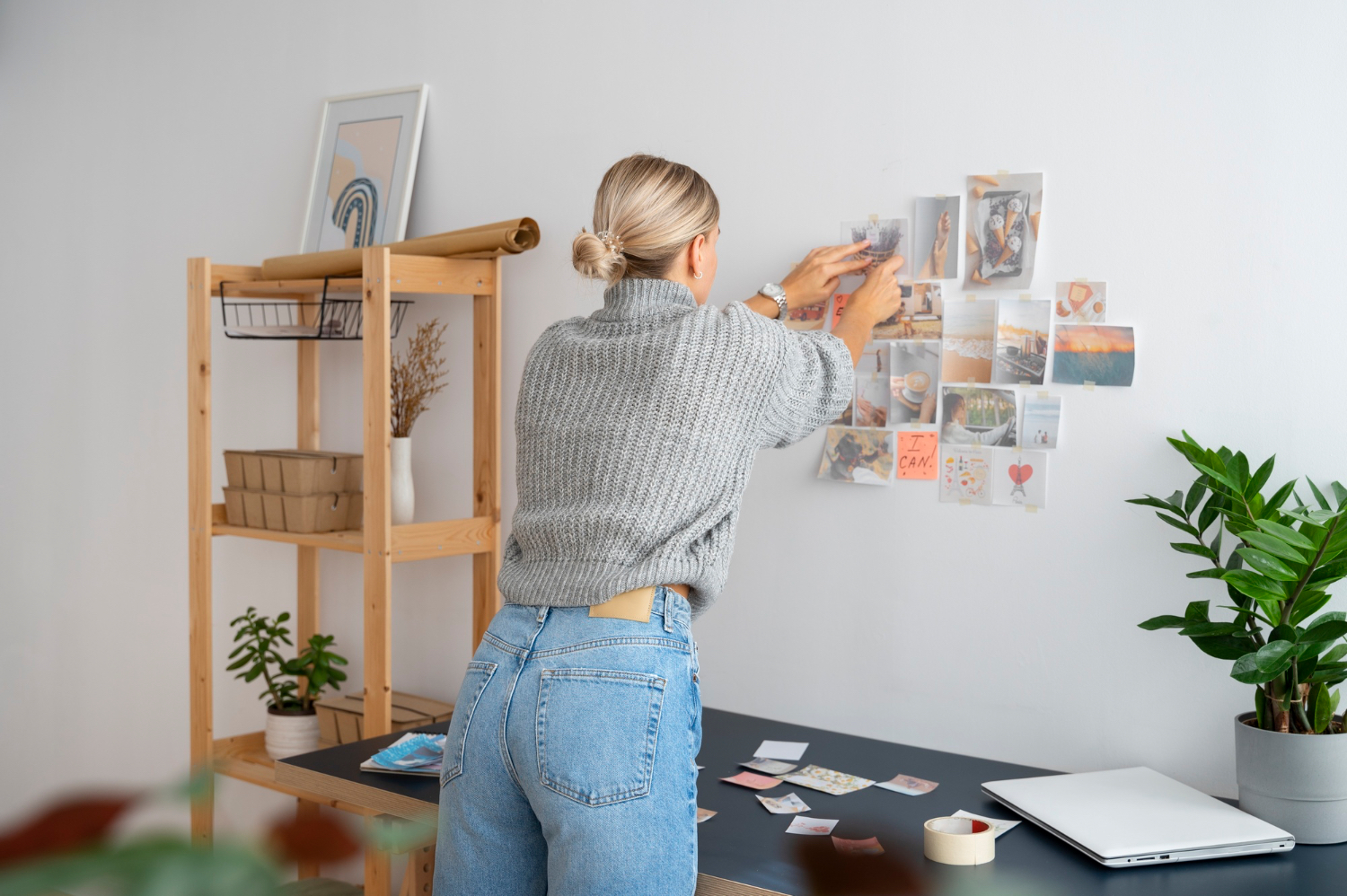
Children’s artwork can quickly take over the refrigerator, drawers, and storage boxes. Instead of keeping everything on display at once, create a rotating system.
Use clipboards, magnetic strips, wire grids, or simple frames with easy-open backs.
This makes it simple to change artwork without damaging walls.
A rotating display works well in kitchens, playrooms, study corners, and family rooms.
Artwork Display Ideas
Useful options include:
- Clip frames
- Cork boards
- Magnetic rails
- Wire grids
- Picture ledges
- Digital frames
- Scrapbook storage
- Seasonal art boards
- Framed favorites
Keep only the strongest pieces on display.
Store or photograph the rest.
This keeps the home tidy while still celebrating creativity.
Design a Memory Corner
Courtesy - Magnific
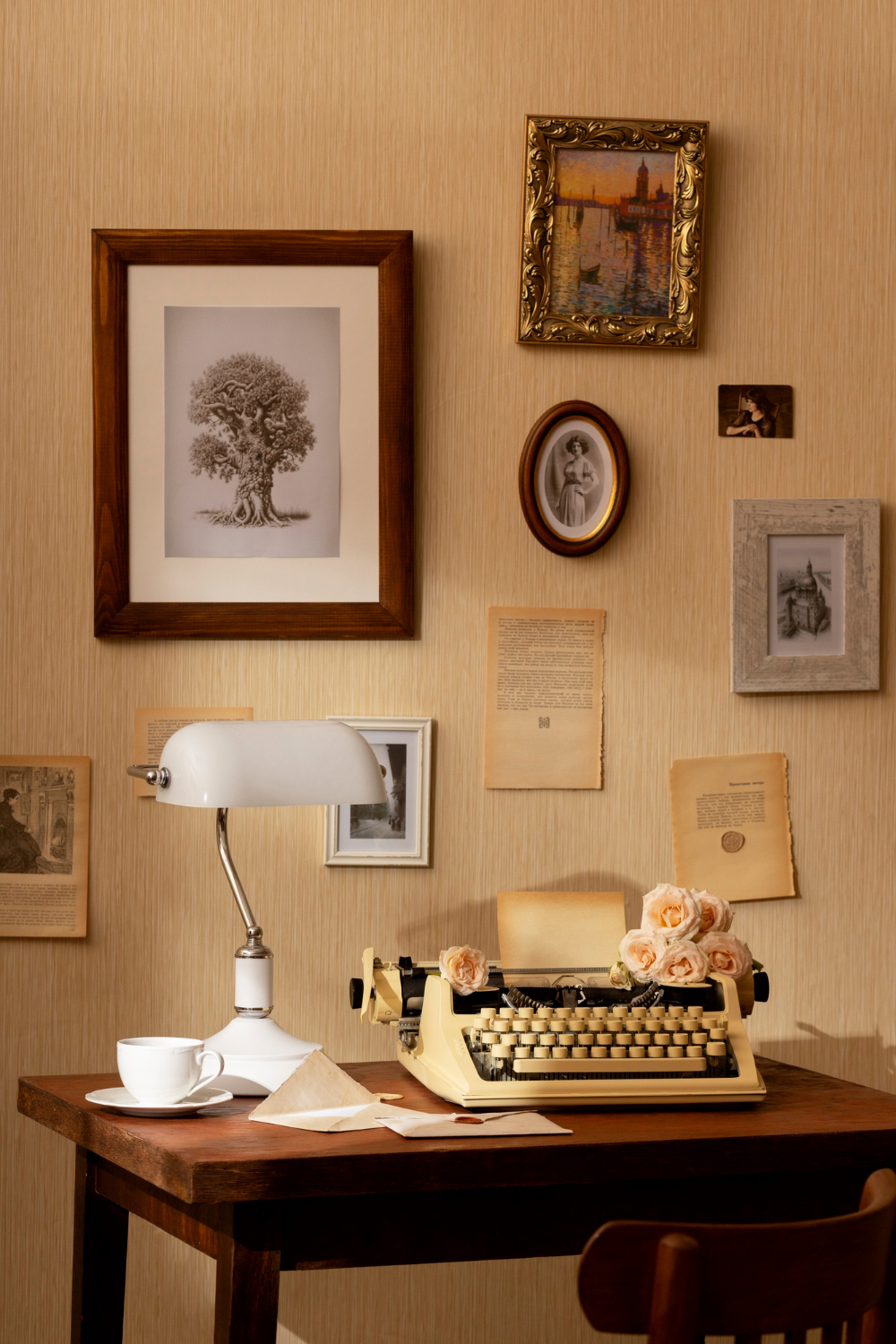
A memory corner can work better than spreading keepsakes across the whole home. Choose one area, such as a console table, reading nook, landing, or cabinet top.
Use this space for framed photos, a candle, a small heirloom, a travel object, or a meaningful book.
The display should feel calm and balanced.
Use a tray to group small items.
This prevents the arrangement from looking scattered.
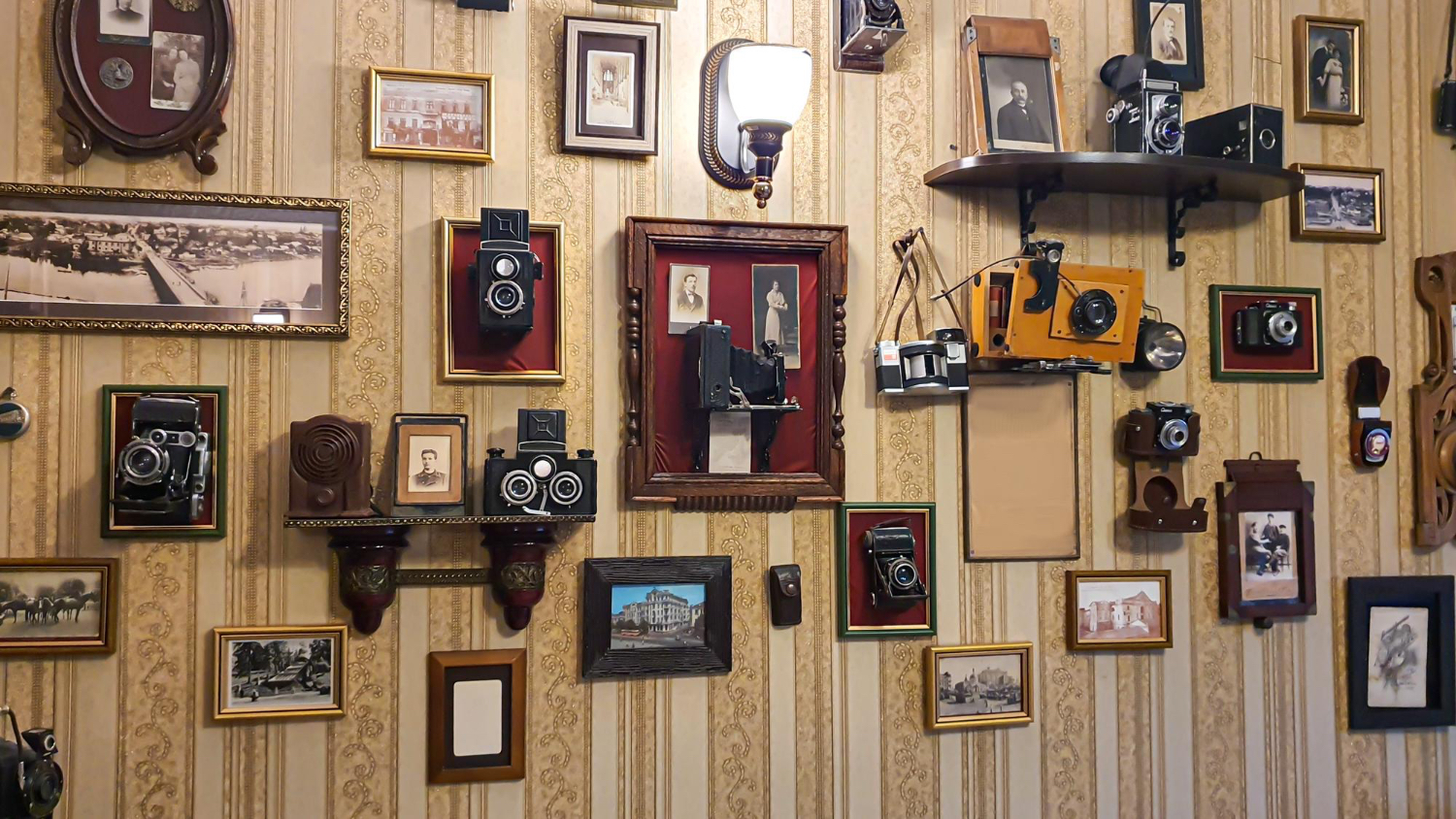
A memory corner can also be used to honor family history. Old photos, handwritten recipes, medals, letters, and inherited objects can become part of the home without feeling hidden away.
Use Shadow Boxes for Keepsakes
Courtesy - Magnific
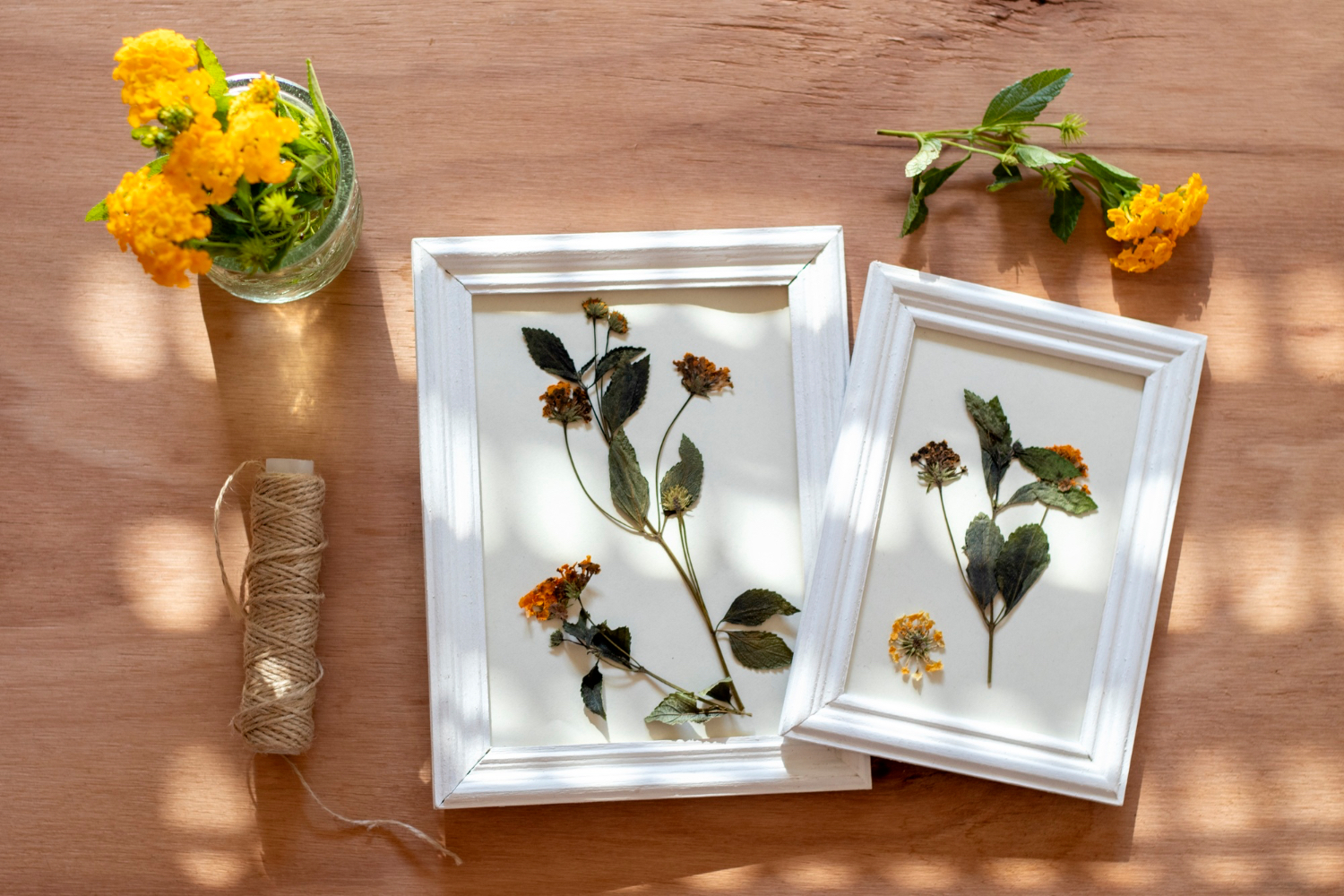
Some memories are not flat. Baby shoes, medals, dried flowers, travel tickets, handwritten notes, keys from a first home, and small souvenirs can be displayed in shadow boxes.
Shadow boxes protect delicate items while giving them visual structure.
They work well in bedrooms, studies, hallways, and family rooms.
Choose a background color that helps the objects stand out.
Do not overload the box.
A few meaningful items usually look stronger than a crowded collection.
Labeling can also help.
A small date or short note gives context without distracting from the display.
Add Digital Frames Carefully
Courtesy - Magnific
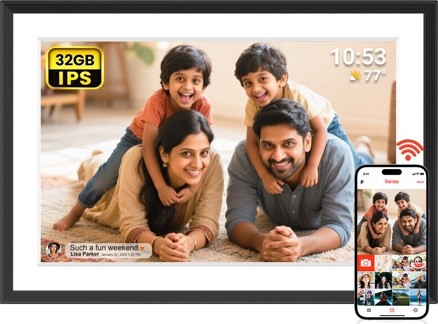
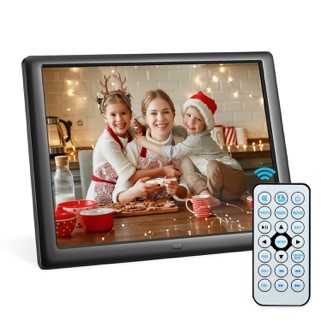
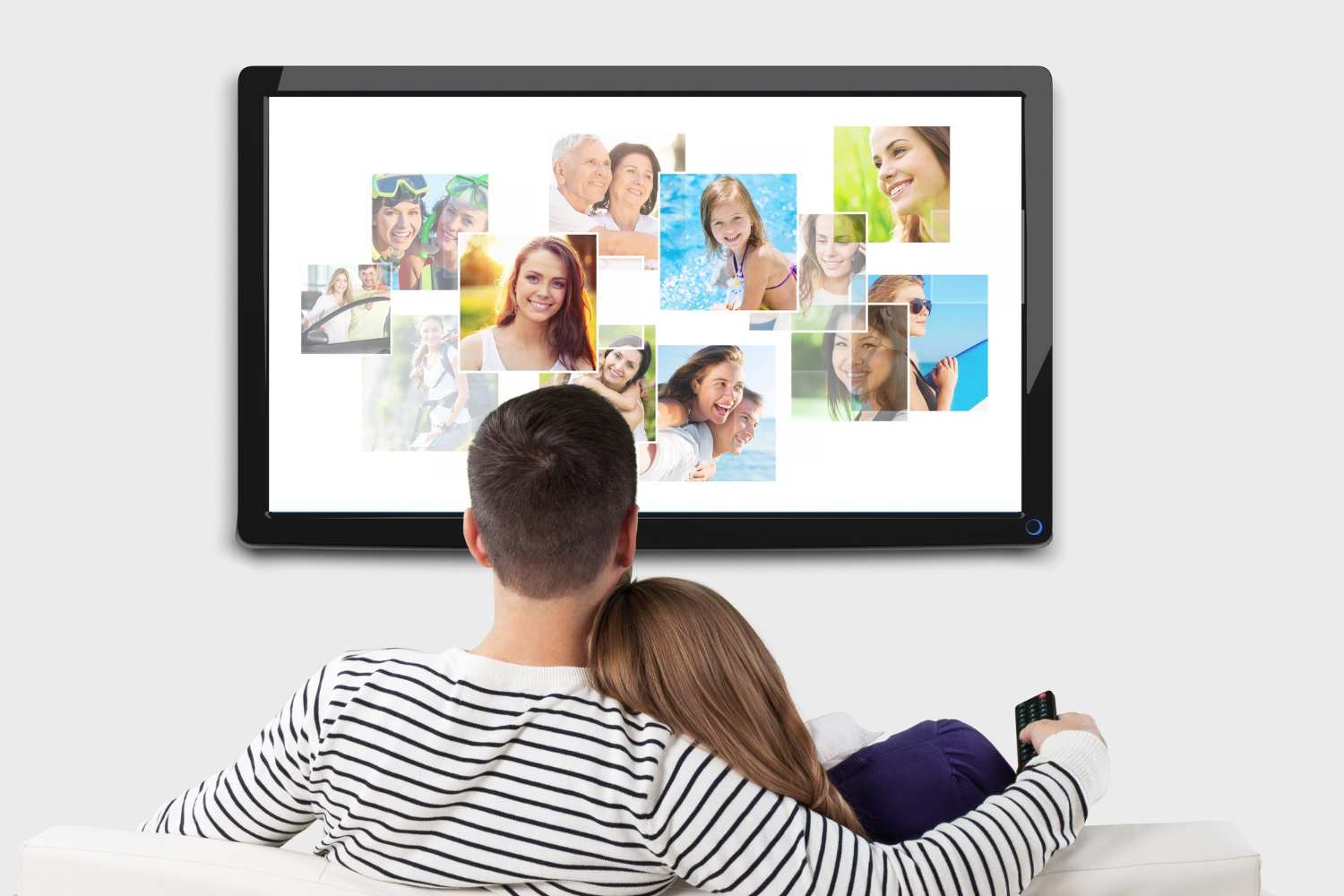
Digital frames are useful for families with large photo collections. They allow many images to rotate in one place without adding more frames to the wall.
Use them carefully.
Place digital frames where movement will not feel distracting, such as a sideboard, office shelf, or kitchen counter.
Curate the photo set.
Do not upload thousands of random images.
Choose clear, bright photos that look good at the frame size.
Digital displays work best when they are edited like a real collection.
Match Displays to the Room
A memory display should fit the function of the room. A formal living room may need a cleaner arrangement. A family room can feel more relaxed. A hallway can hold a timeline. A bedroom may suit quieter, more personal photos.
Consider scale, color, and lighting.
Large walls need larger pieces or grouped frames.
Small rooms need fewer items.
Photos with strong colors may need simple frames.
Black-and-white images can create a calmer look.
The goal is to make memories feel connected to the home’s design.
Final Thoughts
Family memories can make a home feel more lived-in, personal, and meaningful when they are displayed with care.
Start with a theme, then choose the right format for each type of memory. Use photo books, gallery walls, shelves, artwork displays, memory corners, shadow boxes, and digital frames where they make sense.
The best displays are not the busiest ones.
They are the ones that tell a clear story, fit the room, and make the people who live there feel connected to the moments that matter.
Also Read: How Photo Frames Show Their Magic from Blank Walls to Beautiful Memories
Display Family Memories at Home FAQs
1. What are the best ways to display family memories at home?
You can create gallery walls, display personalized photo books, use floating shelves, shadow boxes, digital photo frames, and dedicated memory corners.
2. How can I create a family gallery wall without making it look cluttered?
Plan the layout first, keep frame spacing consistent, use a common theme, and leave enough empty space for a balanced appearance.
3. What should I do with children’s artwork?
Display selected pieces using clip frames, cork boards, magnetic rails, or picture ledges, and rotate the artwork regularly to keep the display fresh.
4. Are digital photo frames a good option for family memories?
Yes. Digital frames let you showcase many photos in one place. Curate the collection carefully and place the frame where it won’t become distracting.
5. How do I make memory displays blend with my home’s interior design?
Choose display styles that suit each room, consider scale, lighting, and frame colors, and arrange keepsakes to complement your existing décor.
Author & Expert Review
Written By:  Nidhi Patel | Civil Engineer & Content Writer
| Credentials: B.E. (Mahatma Gandhi Institute of Technical Education and Research Centre), Registered with Gujarat Technological University (GTU). Experience: Civil Engineer with 3+ years of content writing experience, currently writing blogs for Gharpedia, part of SDCPL. Expertise: Specializing in SEO-optimized blogs and long-form articles focused on home improvement, construction, interiors and architect topics. I create well-researched, reader-focused content that balances technical accuracy with clarity, making complex subjects easy to understand. Find her on: LinkedIn |
Verified By Expert: Farhan Shaikh – Senior Manager – Architect, SDCPL | Associate Member – IIA

This article has been reviewed for architectural and interior design accuracy by Farhan Shaikh, Senior Manager – Architect at Sthapati Designers & Consultants Pvt. Ltd. As the lead for all architectural and interior projects at SDCPL and an Associate Member of the Indian Institute of Architects (IIA), he brings hands-on experience in architectural planning, interior design, project coordination, and sustainable strategies. His review ensures the content reflects practical design considerations, industry best practices, and real-world applicability across both architecture and interior spaces.
Find him on : Linkedin