









Table of Contents
Quick Summary
- How to prepare your roof for severe weather: Inspect shingles, flashing, gutters, and other vulnerable areas before strong winds and heavy rain arrive.
- Look for cracked, curled, or missing shingles, worn granules, and loose or damaged flashing.
- Clear gutters and downspouts to ensure stormwater flows away from the roof and foundation.
- Trim dead, damaged, or overhanging tree branches that could damage the roof during a storm.
- Know when widespread deterioration, repeated leaks, or soft decking may require roof replacement rather than minor repairs.
- Consider a professional roof inspection for difficult-to-access areas and after unusually severe weather.
Courtesy - Magnific
Severe weather often exposes roof problems homeowners never knew existed. A loose shingle, blocked gutter, or weakened flashing can quickly lead to leaks and costly interior damage when strong winds and heavy rain arrive.
Preparing early gives you time to identify vulnerable areas and arrange necessary repairs safely. A few practical checks can help determine whether your roof is ready for the next major storm.
Inspect Shingles and Flashing
Courtesy - Magnific
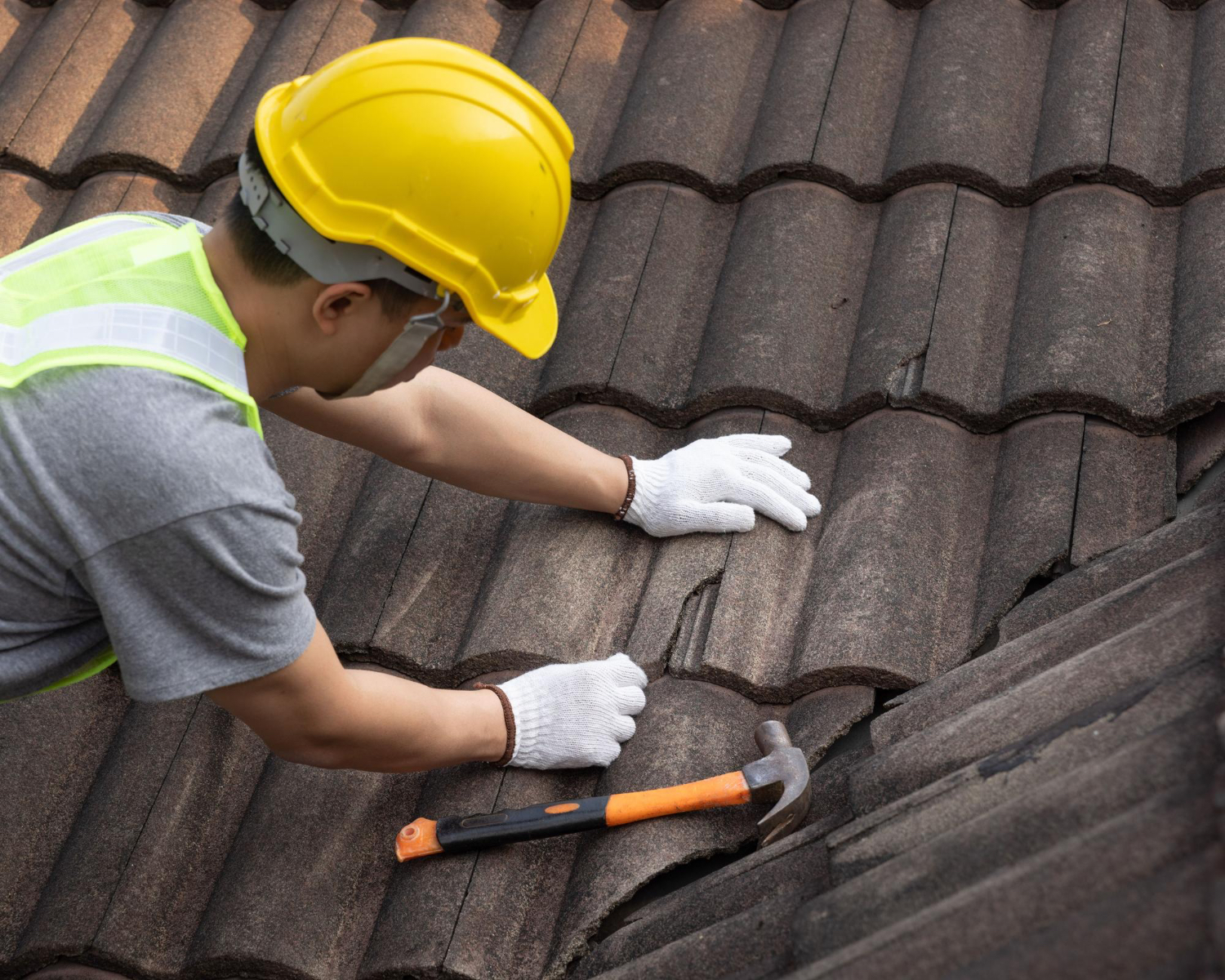
Shingles and flashing often form a roof’s main defense against wind-driven rain. Inspecting these areas can uncover minor damage before the next storm makes it worse.
You could examine the roof from the ground with binoculars or a camera with a zoom lens. Or you could climb onto the roof, as long as it’s safe to do so, to get a closer look.
But avoid climbing onto a steep, wet, or damaged roof. A qualified roofer can safely inspect those areas that are difficult to evaluate from the ground.
Several warning signs deserve prompt attention:
- Shingles that are cracked, curled, or missing
- Bald areas where protective granules have worn away
- Flashing that appears loose, bent, or separated
Pay close attention to the materials around chimneys, skylights, vents, and roof edges. Gaps in these areas can allow water beneath the roofing system, even when nearby shingles still look secure.
Clear Gutters and Manage Nearby Trees

Courtesy - Magnific
Gutters and downspouts need an open path to move stormwater away from the roof and foundation. Leaves, twigs, and roofing granules can create blockages that force water beneath shingles or over the gutter edge.
Secure loose gutter sections and confirm that downspouts direct water away from the house. Also, trim trees that could attract lightning or fall on a home during a thunderstorm.
Branches scraping against shingles can remove granules and weaken the roof before a major storm arrives. Dead, damaged, or overhanging limbs should be handled by an experienced tree professional.
Know When Repairs Are No Longer Enough
Courtesy - Magnific
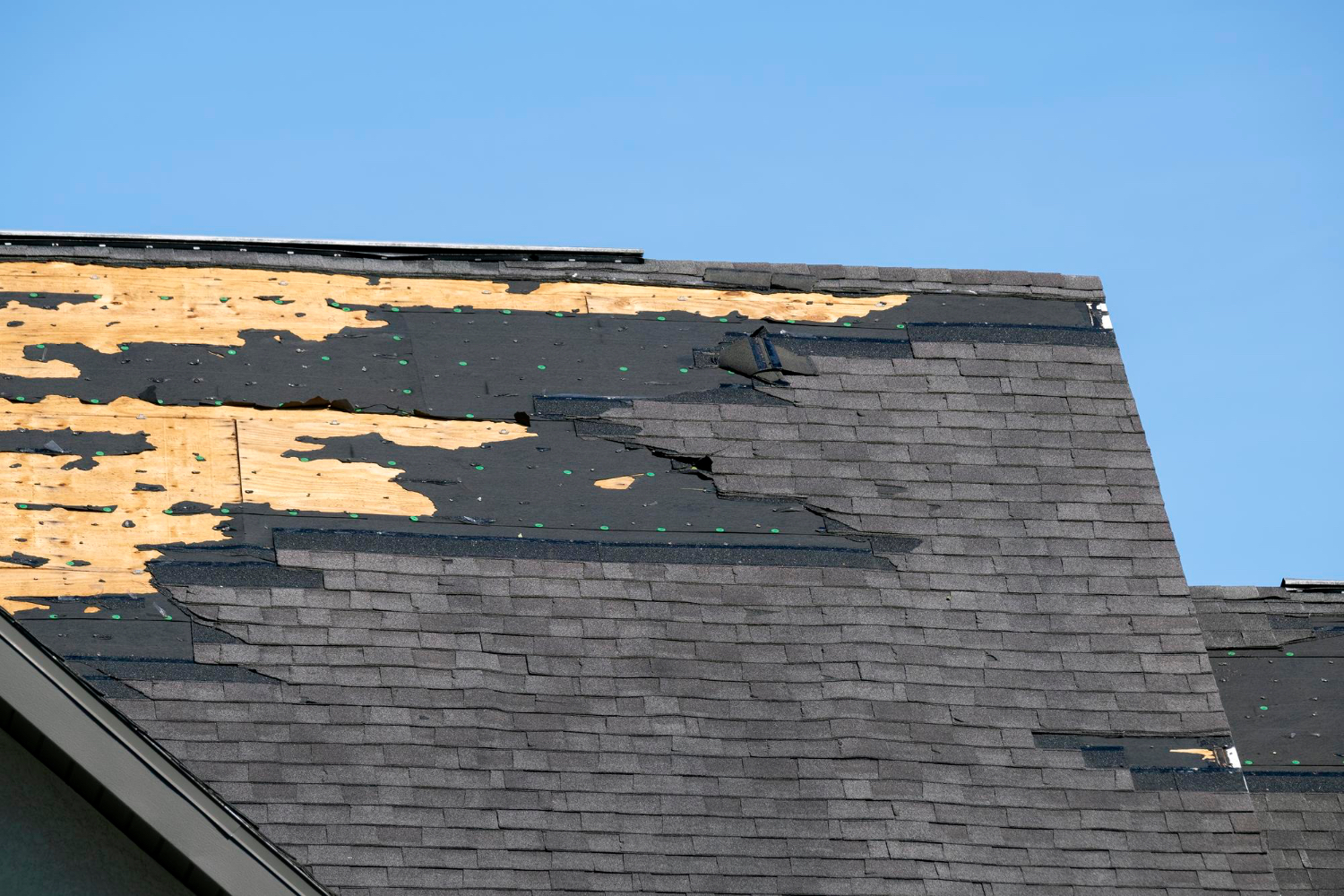
Small problems, such as a few missing shingles or a loose vent, may only require targeted repairs. Widespread deterioration, repeated leaks, soft decking, or extensive storm damage can signal that the roofing system is reaching the end of its useful life.
Local knowledge matters because roofing materials and installation methods must suit regional conditions, such as wind and temperature.
So, look for an experienced company in your local area. For instance, if you’re based in Kansas in the U.S., Century Roofing delivers roof replacement services in Olathe, KS.
A professional inspection should examine more than the visible shingles. Roofers may also assess decking, underlayment, ventilation, flashing, fasteners, gutters, and signs of moisture inside the attic.
Understand the Cost of Waiting
Roof failure can lead to water intrusion and costly interior damage. For homeowners, quick action after a storm may help prevent damaged insulation, mold growth, stained ceilings, and rotting decking.
Schedule an inspection after unusually strong winds and rain, or when fallen debris strikes the roof. And document visible damage from a safe location and keep records of maintenance, repairs, and professional findings.
Giving Your Home a Stronger First Line of Defense
Taking time to prepare your roof for severe weather can reduce stress when the next warning appears. Acting before the next storm comes can help protect your family, belongings, and long-term investment.
Was this article helpful? If so, explore some of our other related content!
Also Read: Emergency Roof Tarping Service to Protect Your Home from Damage
Prepare Your Roof for Severe Weather FAQs
1. How can I prepare my roof for severe weather?
You can prepare your roof for severe weather by inspecting shingles and flashing, clearing gutters and downspouts, trimming nearby trees, and addressing visible damage before a storm.
2. What roof problems should homeowners check before a storm?
Check for cracked, curled, or missing shingles, worn protective granules, loose flashing, gaps around roof penetrations, and signs of deterioration.
3. Why should gutters be cleaned before severe weather?
Blocked gutters and downspouts can prevent stormwater from draining properly, causing water to overflow or move beneath roofing materials.
4. When should a roof be professionally inspected?
A professional inspection is recommended when areas of the roof are difficult or unsafe to access, or when you notice widespread deterioration, repeated leaks, or storm damage.
5. What should I do after severe weather damages my roof?
Document visible damage from a safe location, keep records of maintenance and repairs, and arrange a professional inspection when necessary.
Courtesy - Featured Image(Pexels)
Author & Expert Review
Written By:  Nidhi Patel | Civil Engineer & Content Writer

| Credentials: B.E. (Mahatma Gandhi Institute of Technical Education and Research Centre), Registered with Gujarat Technological University (GTU). Experience: Civil Engineer with 3+ years of content writing experience, currently writing blogs for Gharpedia, part of SDCPL. Expertise: Specializing in SEO-optimized blogs and long-form articles focused on home improvement, construction, interiors and architect topics. I create well-researched, reader-focused content that balances technical accuracy with clarity, making complex subjects easy to understand. Find her on: LinkedIn |
Verified By Expert: Ravin Desai – Co Founder – Gharpedia | Co Founder – 1 MNT | Director – SDCPL

This article has been reviewed for technical accuracy by Ravin Desai, Co-Founder of Gharpedia and Director at Sthapati Designers & Consultants Pvt. Ltd. With a B.Tech. in Civil Engineering from VNIT Nagpur and an M.S. in Civil Engineering from Clemson University, USA, and over a decade of international and Indian experience in the construction and design consultancy sector, he ensures all technical content aligns with industry standards and best practices.
Find him on: LinkedIn