







Table of Contents
Quick Summary
- The rise of DIY learning has encouraged homeowners to handle basic repairs independently.
- Pandemic lockdowns reduced dependence on external labour and boosted online DIY learning.
- A basic home toolkit with essential tools helps tackle everyday household tasks easily.
- Simple DIY hacks can clean rusty tools using vinegar, sandpaper, steel wool, or cola.
- Easy techniques help fix nails, loose screws, squeaky hinges, sticky doors, and drawer slides.
- Smart tricks like tape, soap, chalk, or correction fluid solve common home problems quickly.
- Proper storage keeps screws, nails, nuts, and bolts organised during repairs.
- Safety practices, correct tool usage, and creativity make DIY tasks efficient and enjoyable.
Ever had a door that won’t stop creaking, a screw that refuses to stay in place, or a wall full of tiny marks that just won’t go away? For the longest time, we have all called for professional help. But things have changed.
In recent years, especially after the pandemic, more and more people are turning to DIY home hacks to fix things around their house on their own. From repairing a sticky door to cleaning rusty tools, what once felt complicated is now just a quick online search away.
Here are some simple and effective DIY home hacks that can make everyday household tasks quicker, easier, and far less frustrating.
DIY Tools for Home
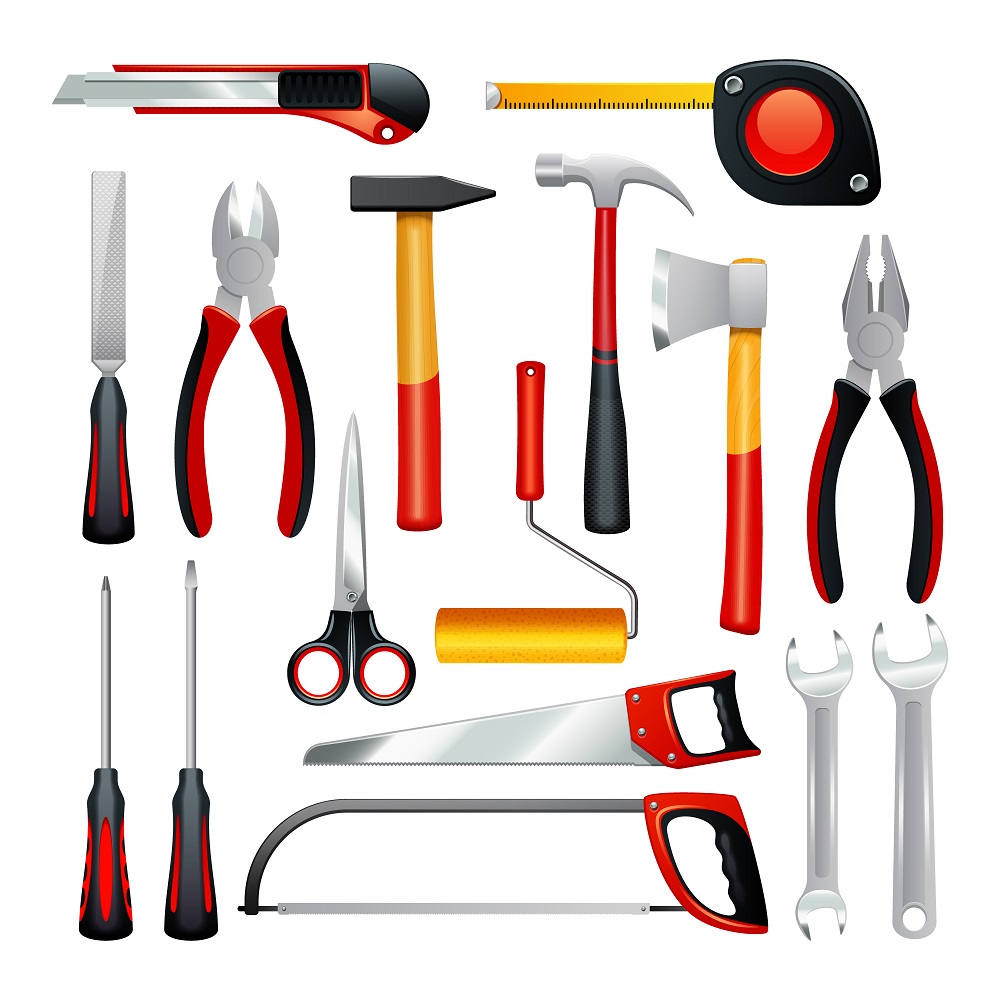
If you are (or want to be) a do-it-yourself(er), here are ten categories of must-have tools you should have to help you with most projects –
Following is the basic tool kit list:
- Claw hammer
- Level
- Pliers
- Screwdrivers
- Adjustable wrenches
- Utility knife (average-sized and heavy-duty)
- Retractable, metal tape measure
- Small all-purpose saw
- Small drill
- Safety goggles
- Nails
- Screws
- Nuts and Bolts
- Masking Tape
- Duct Tape
- Electrical Tape
- Sandpaper
- Glue
As you get more and more into do-it-yourself projects, you will get a better idea of which tools you use most and which need upgrading. You will also understand which are the essential tools for home. At some point, you may want to treat yourself to a power saw or a sander or whatever will make your workshop more complete. If you want to know more about the must-haves for your toolkit, you can go through our blog Must-haves for Your Toolkit.
The main thing is to know what you’re doing before you do it. Be careful…and yes, have fun!
DIY Home Hacks for Cleaning Rusty Tools
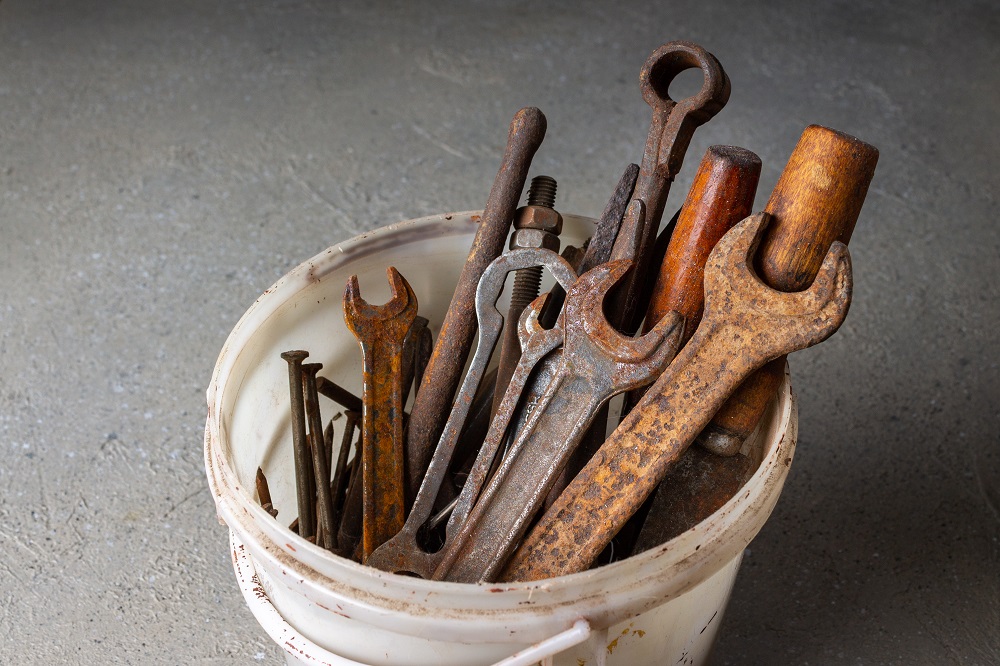
Author Robert Hughes once remarked, “A determined soul will do more with a rusty monkey wrench than a loafer will accomplish with all the tools in a machine shop.”
As far as we’re concerned, you can either get the rust off that monkey wrench or prevent rust on tools by just following a few DIY home hacks.
Following is the list of DIY home hacks for cleaning rusty tools:
- If you have a tool that is so rusty, that you’re ready to throw it away, give it a final chance to un-rust. Get a container – most tools will be able to stand in a wide-mouth jar – and fill it with apple cider vinegar. Put the rusty tool in, and let it marinate overnight. The next day, clean the tool with a cloth. It should be rust-free and usable again.
- You can also use sandpaper to take rust off a tool. Start with a fine grade and if it doesn’t work then use coarse sandpaper.
- Try getting rid of the rust with a moistened steel wool pad.
- If you want to remove a nut, bolt or screw but it won’t budge, do the unexpected and try turning it to the right, tightening it a bit. If it gets tighter, the chances are you can then undo it by turning it to the left. Pour a little cola on the culprit, wait for one to two minutes for the soda to eat into the rust and then have a go at it.
- Distilled white vinegar, iodine or 3 per cent hydrogen peroxide may help loosen a rusty nut, bolt or screw. Dab it on with a cotton ball and let it soak for about five minutes before turning it …yes, to the left!
If none of these hacks works in cleaning rusty tools, you may have to replace the tool with something new. Replacing tools might be pocket-friendly but replacing things like rusted tiles or rusted railing is not economical. You can repair the rusted railing of your home by applying rust-removing chemicals or primer.
How to Fix a Nail in the Wall?

Following are the steps on how to fix a nail in the wall:
- Close up a large screw hole and start over.
- Get a little carpenter’s glue or wood putty (available at hardware stores), a wooden golf tee, a hammer and a saw.
- Dip the tee in the glue or putty, hammer the tee into the screw hole and let it dry overnight.
- Then saw off the part of the tee that’s jutting out of the wall, sand it flush, and you’re ready to create a new hole for a screw or a nail.
How to Fix Loose Screws
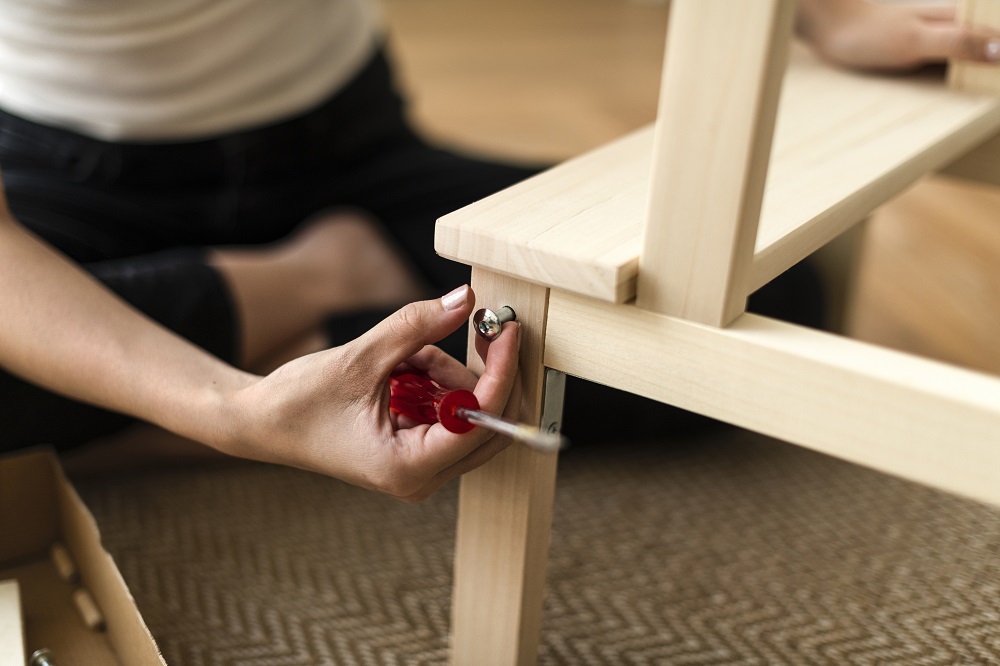
Following are the DIY home hacks to fix loose screws:
- If the screw is just a little loose, dip it into a bottle of clear nail polish (or coat the screw’s hole with a just-dipped nail polish brush). Let it sit for a minute and then screw in the screw. This remedy is especially helpful if the screw is attached to a knob, like on a dresser drawer.
- Take a twist tie from a loaf of bread; fold it over; then cut the unfolded, open ends so that the tie is the length of the screw’s hole. Place the V-shaped end of the twist-tie into the hole and then put in the screw. If there’s not enough room for the screw, cut the twist-tie in half, reinsert only one side of the twist-tie in the hole, and then reinsert the screw.
- If the hole has got too large for the screw, soak a piece of cotton ball in white glue and stuff it into the hole. Let it stay that way until it dries – at least for 24 hours – then screw in the screw.
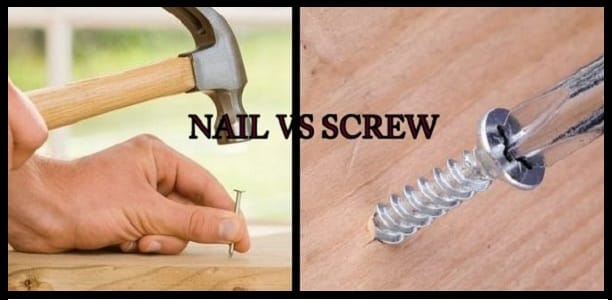
Nails and screws both have a unique purpose to solve. When it comes to choosing between the two for fixing furniture, one might get confused. To get a clear picture of what to use, you must go through our blog.
Keeping Screws, Nails, Nuts and Bolts Together
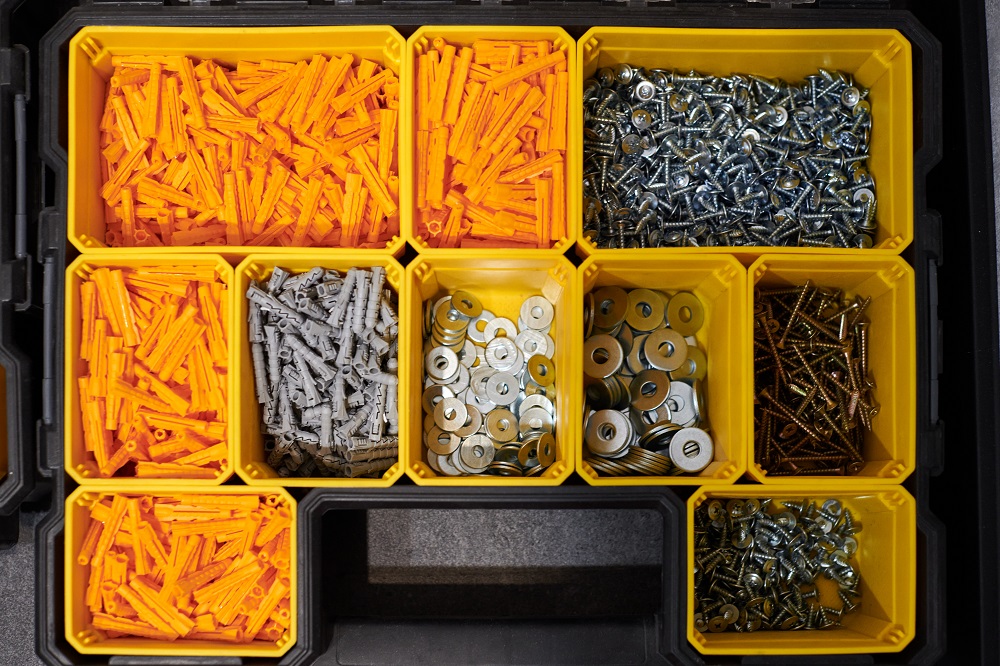
When you take something apart, don’t risk losing any hardware. As you remove items, stick all the nails, nuts, bolts and screws onto a thick piece of tape. Arrange them in the same order you remove them and, if needed, note the sequence for reference.
How To Drill into Drywall?
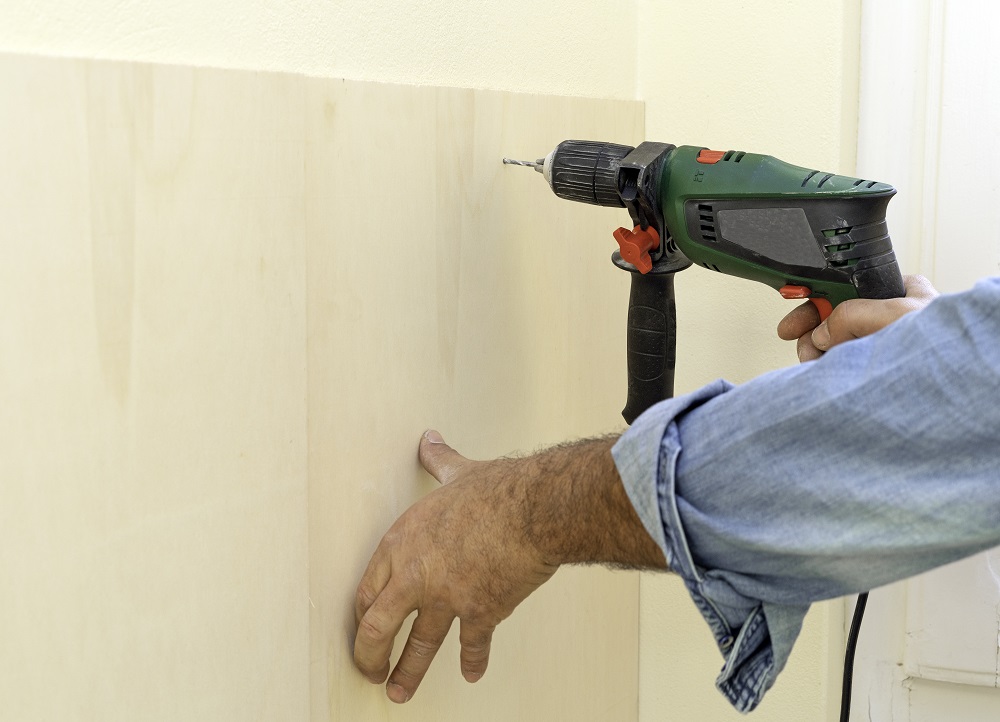
Following are steps on how to drill into drywall:
- If you’re putting up a shelf or a mirror or a towel bar, you’ll want the solid backing of studs (the vertical 2’X4’ boards behind finished walls) to hang them securely. If you do not have a battery-powered stud finder (available at hardware stores) you can use an electric razor.
- Plug it in and move it on the wall as though you were giving it a shave. When the razor passes over a stud, the sound will change from a hollow bass to an up-front buzz. Once you have found a stud, there should be another stud 16’ or 24’ away.
- When you know the exact spot on the drywall where you plan to hammer in a nail, place a piece of masking or transparent tape there. It should help prevent the plaster from chipping off as the nail goes in.
- Once the nail is in the drywall, gently and slowly peel off the tape so that the paint and plaster remain intact.
Hammer Safety Tips
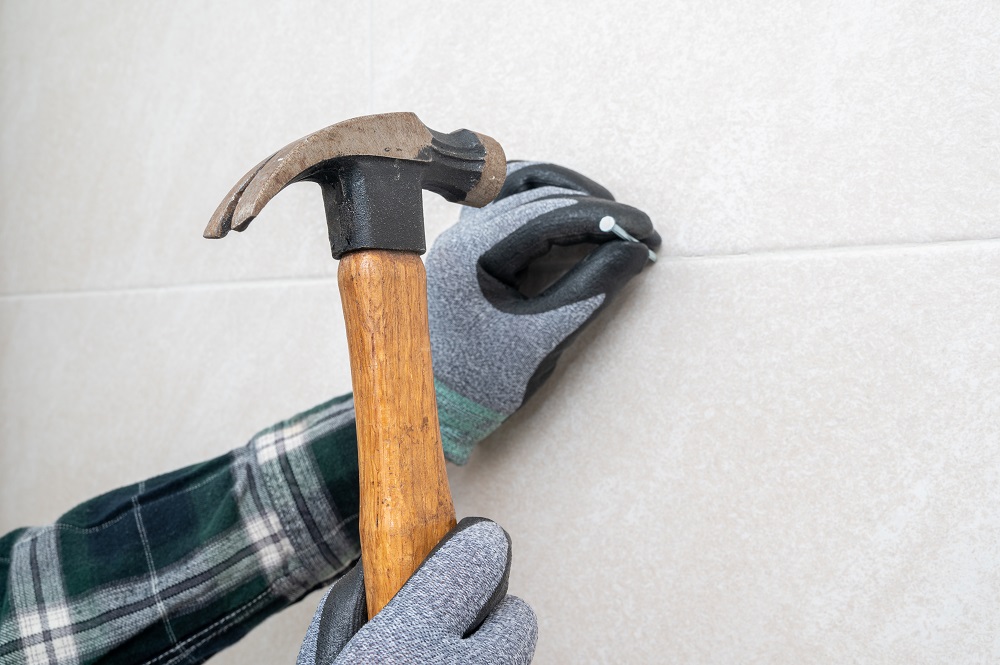
If a nail is in an awkward spot and difficult to hold:
- Use a strip of clay to hold the nail in place.
- Once done, remove the clay.
This simple DIY home hack can save your fingers from injury.
DIY Home Hacks While Using a Screwdriver
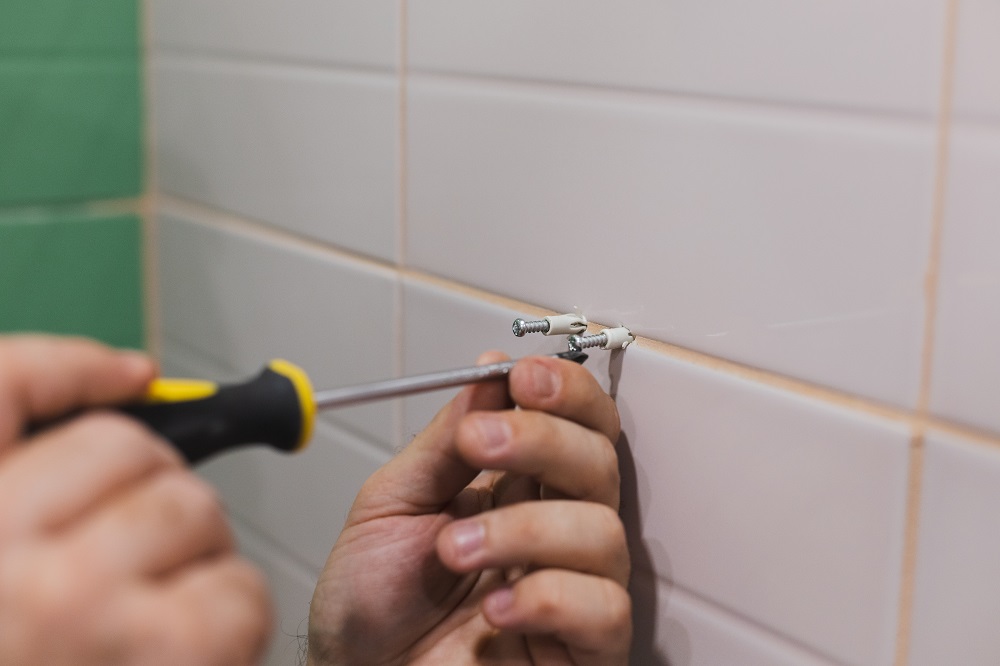
- Rub chalk on screwdriver tip to prevent slipping.
- Before inserting a screw, rub it on a bar of soap to move in easily.
How To Fix Squeaky Hinges?
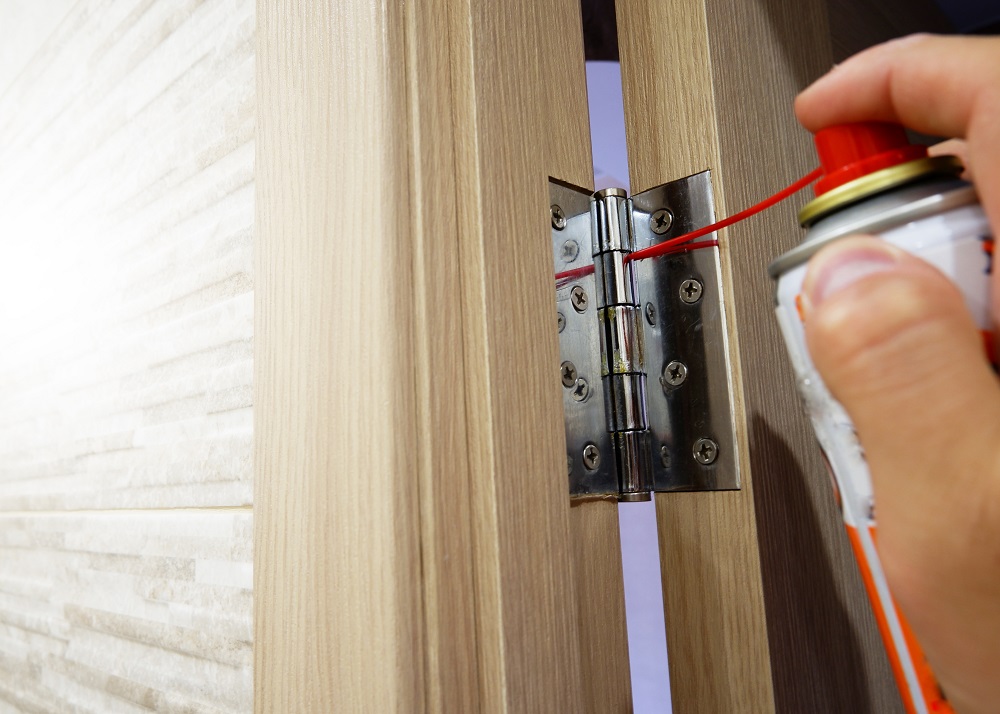
The following are DIY home hacks on how to fix squeaky hinges:
- Apply petroleum jelly or shaving foam to squeaky hinges.
- You can also spray non-stick vegetable spray on the hinges.
- Open and close the door repeatedly until the lubricant spreads evenly.
Troubleshooting Drawer Slides
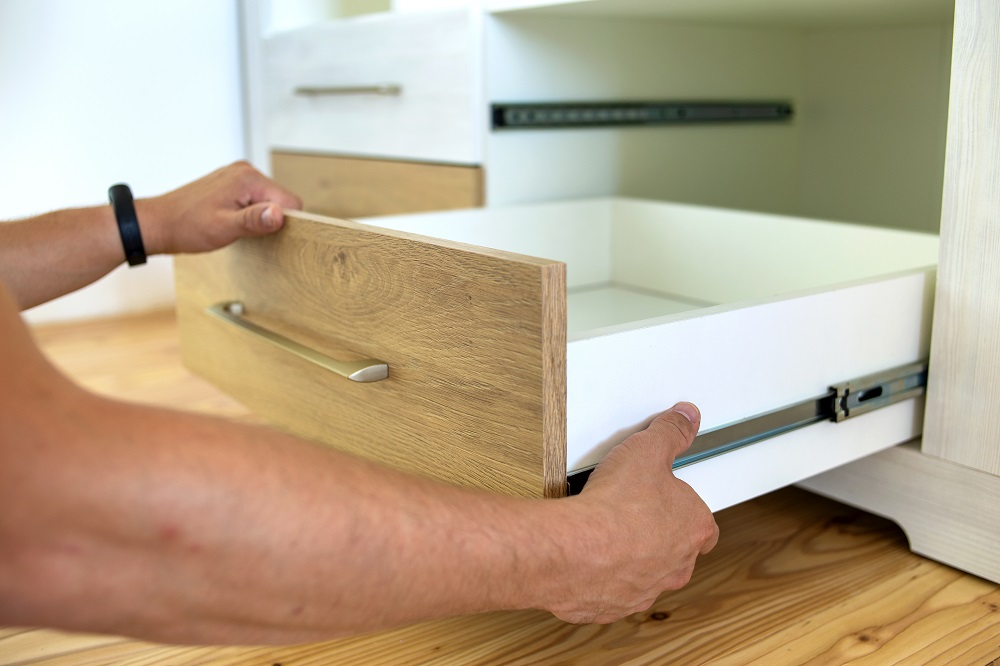
Rub a bar of soap or candle wax on the tracks or runners of a drawer, and voila… they’ll open and close by themselves.
How To Fix a Sticky Door?
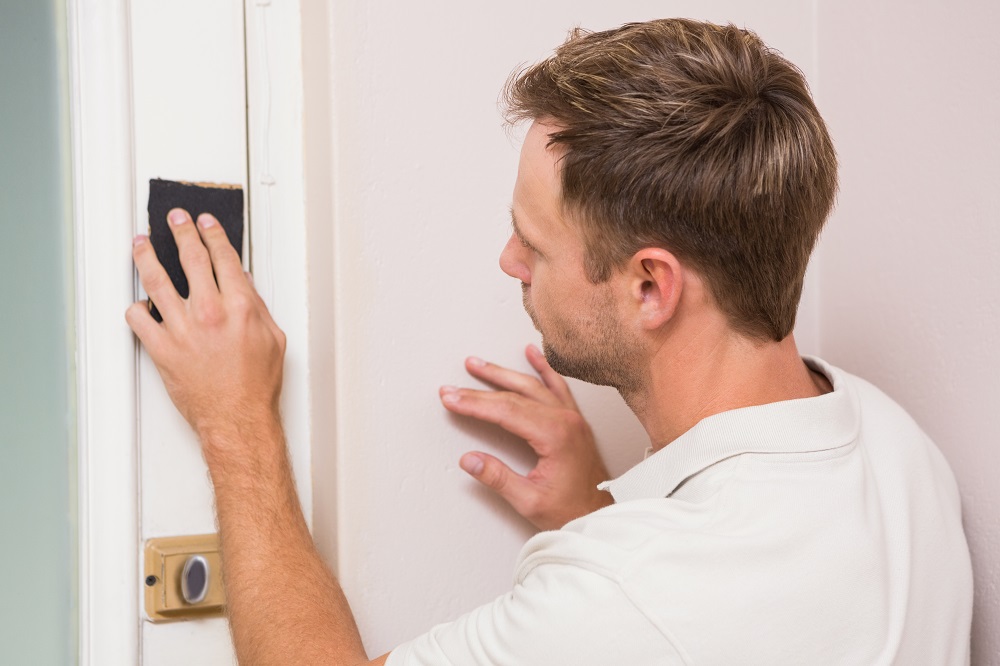
Fix a sticky door like a pro with these hacks:
- Identify the exact spot causing the issue and sand it slowly.
- If the bottom rubs against the floor, insert coarse sandpaper between the door and floor and move the door repeatedly.
How To Cover Marks on Walls?
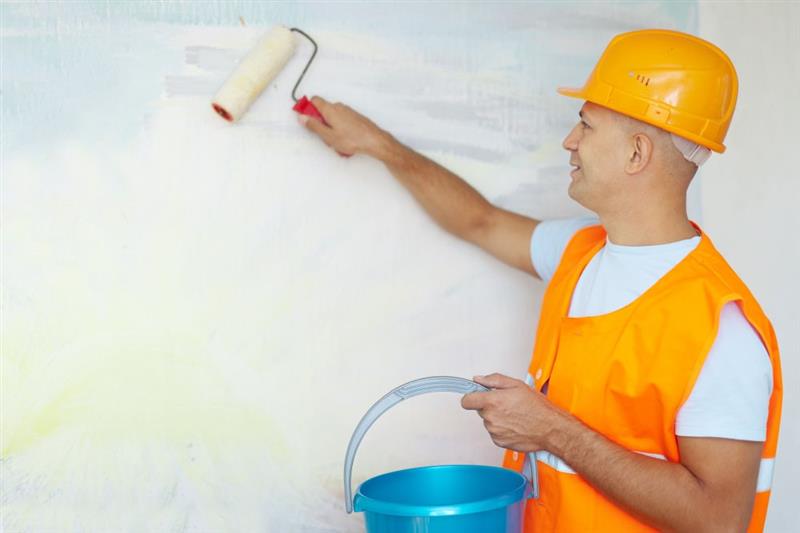
- Use correction fluid to cover small marks.
- If the surface is shiny, apply colourless nail polish over it for a better finish.
After knowing these tips, you will never wonder how to hide bad walls.
DIY Home Hacks: Some Important Pointers
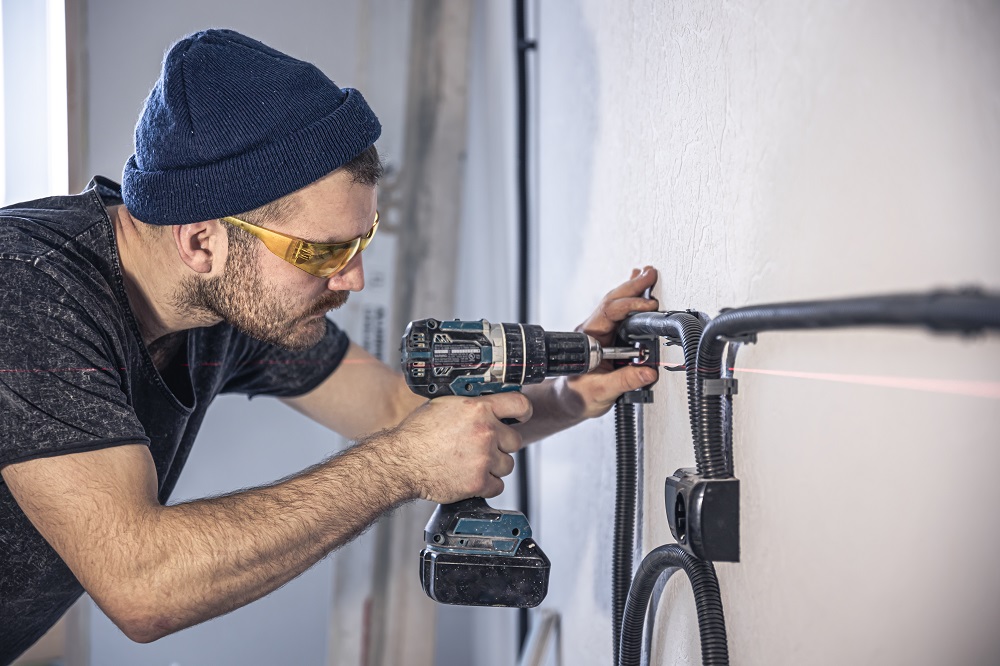
- Executing your DIY home hacks become safer with safety gears like googles, gloves etc.
- Keep chalk or a few charcoal briquettes in your toolbox to absorb moisture and prevent rust.
- Clean tools with steel wool and apply a thin layer of petroleum jelly.
- Remember: ‘Righty tightly, lefty loosely!’ That is, you turn right to tighten a screw, left to loosen it.
- Sand the hammer head occasionally for a better grip.
- Tape a flashlight to your drill for better visibility in dark areas.
- Use an emery board for small sanding jobs.
- Attach cardboard under sandpaper when sanding doors to protect floors.
- Correction fluid comes in multiple colours. Choose one that matches your wall.
Are you ready to take a plunge into the DIY?
With these simple and practical DIY home hacks, handling everyday home repairs becomes much easier and even enjoyable.
Next time, do not fret over and wonder how to fix squeaky hinges, how to hide bad walls or how to fix a nail in the wall. Pick your toolkit and fix it yourself.
Is your shower drain clogging frequently? Then you must read: How To Unclog A Shower Drain – Tips And Tricks
FAQs on DIY Home Hacks
01. What Are The Most Essential DIY Tools For Home Use?
Basic tools include a hammer, screwdriver set, pliers, tape measure, drill, saw, and safety goggles.
02. How Can I Remove Rust From Old Tools At Home?
Use apple cider vinegar, sandpaper, steel wool, or white vinegar to remove rust from old tools at home.
03. How Do I Fix Loose Screws Without Replacing Them?
Use clear nail polish, glue-soaked cotton, or a twist tie to tighten loose screws.
04. What Is The Easiest DIY Fix For Squeaky Door Hinges?
Applying petroleum jelly, shaving cream, or vegetable oil spray usually stops the noise.
05. Are DIY Home Hacks Safe For Beginners?
Yes, provided basic safety precautions are followed, and tools are used correctly.
06. Are DIY Home Hacks Safe For Beginners?
Yes, provided basic safety precautions are followed, and tools are used correctly.
Author & Expert Review
Written By: Huta Raval | Guest Author
| An English Literature and Journalism Topper, Huta Raval has graduated from the L D Arts College, Ahmedabad. Post serving for 23 years in the NBFC and Public Library Sectors her desire for ‘writing the unwritten’ brought her to the creative field of content writing. Her clientele comprises of NGOs, Blogging Platforms, Newspapers, Academic Institutions, et al. |
Verified By Expert:  Ravin Desai – Co Founder – Gharpedia | Co Founder – 1 MNT | Director – SDCPL

This article has been reviewed for technical accuracy by Ravin Desai, Co-Founder of Gharpedia and Director at Sthapati Designers & Consultants Pvt. Ltd. With a B.Tech. in Civil Engineering from VNIT Nagpur and an M.S. in Civil Engineering from Clemson University, USA, and over a decade of international and Indian experience in the construction and design consultancy sector, he ensures all technical content aligns with industry standards and best practices.
Find him on: LinkedIn