







Table of Contents
Quick Summary
- This guide explains how to select the right concrete grinder based on project size, surface condition, and desired finish.
- Covers the differences between handheld, walk behind, and planetary concrete grinders.
- Explains how concrete grinding helps prepare surfaces, remove coatings, and improve floor appearance.
- Discusses the importance of choosing suitable grinding attachments and diamond tooling.
- Highlights dust control measures and essential safety equipment.
- Outlines the benefits of hiring a concrete grinder instead of purchasing one.
- Identifies common mistakes to avoid during concrete grinding projects.
- Provides practical preparation tips for achieving efficient and professional results.
Concrete is one of the most durable and widely used materials in homes, commercial buildings, and construction projects. However, over time, concrete surfaces can become damaged, uneven, stained, or unsuitable for new finishes. Whether you are preparing a floor for epoxy coating, removing old surface imperfections, or creating a smooth polished finish, concrete grinding is an effective solution.
Choosing the right concrete grinder is an important step in achieving the best results. The wrong equipment can lead to unnecessary delays, poor surface preparation, and additional costs. With many different grinder types available, understanding which machine suits your project will help you work more efficiently and achieve a professional finish.
Hiring a concrete grinder is often a practical choice for homeowners, builders, and contractors. It provides access to professional equipment without the cost of purchasing, storing, and maintaining machinery that may only be required for a single project.
Understanding Concrete Grinding
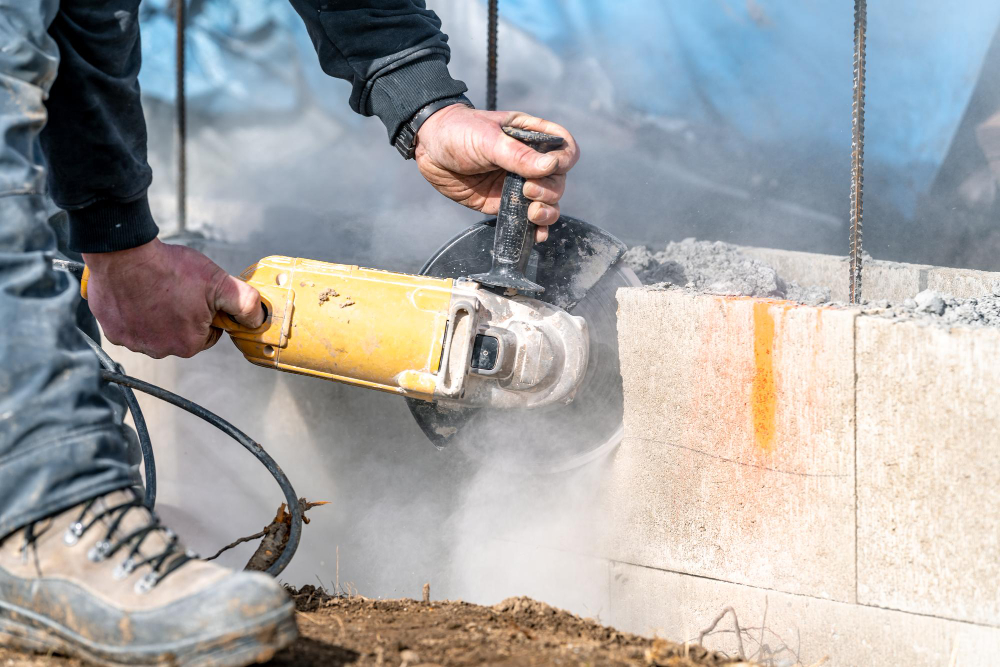
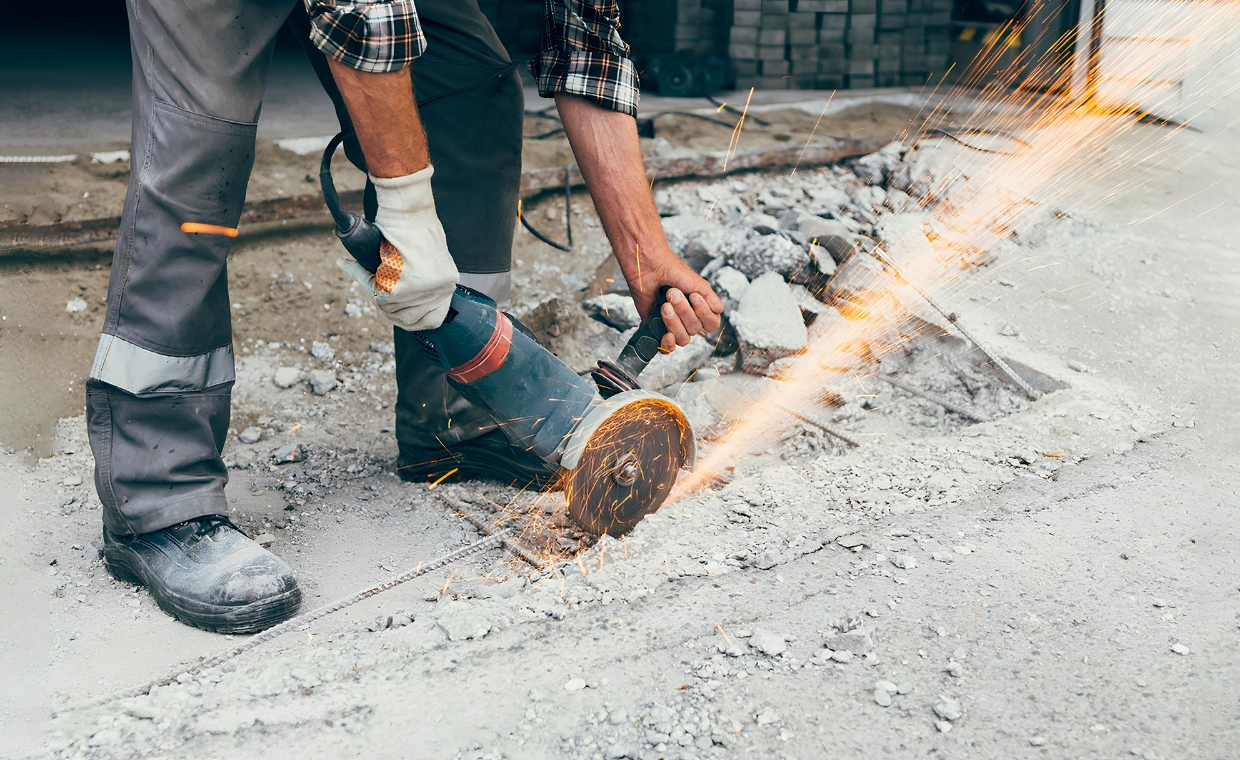
Concrete grinding is the process of using specialised machinery with abrasive discs or diamond attachments to remove the top layer of concrete. This process can smooth uneven surfaces, remove coatings, prepare floors for new finishes, and improve the overall appearance of concrete areas.
Concrete grinding is commonly used for:
- Removing old paint or coatings
- Preparing surfaces for epoxy or other floor finishes
- Smoothing uneven concrete floors
- Removing surface imperfections
- Improving safety by reducing trip hazards
- Restoring older concrete surfaces
The type of grinder required depends on the size of the project, the condition of the concrete, and the desired finish.
Handheld Concrete Grinders
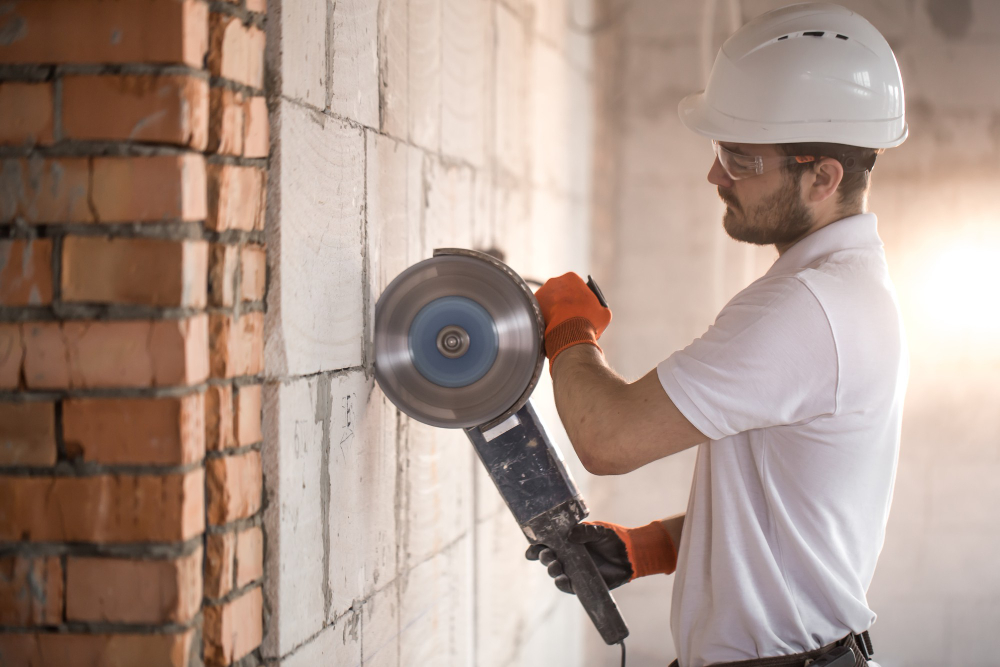
Handheld concrete grinders are compact machines designed for smaller projects and detailed work. They are commonly used for edge grinding, tight spaces, and small repairs where larger machines cannot reach.
These grinders are suitable for:
- Removing small areas of damaged concrete
- Smoothing edges and corners
- Preparing surfaces around walls and fixtures
- Grinding small outdoor areas
A handheld grinder provides excellent control, making it useful for precision work. However, it may not be the best choice for large floors because completing a bigger area can take considerable time.
For small renovation tasks, repairs, or finishing work, a handheld concrete grinder can be a convenient and effective option.
Walk Behind Concrete Grinders
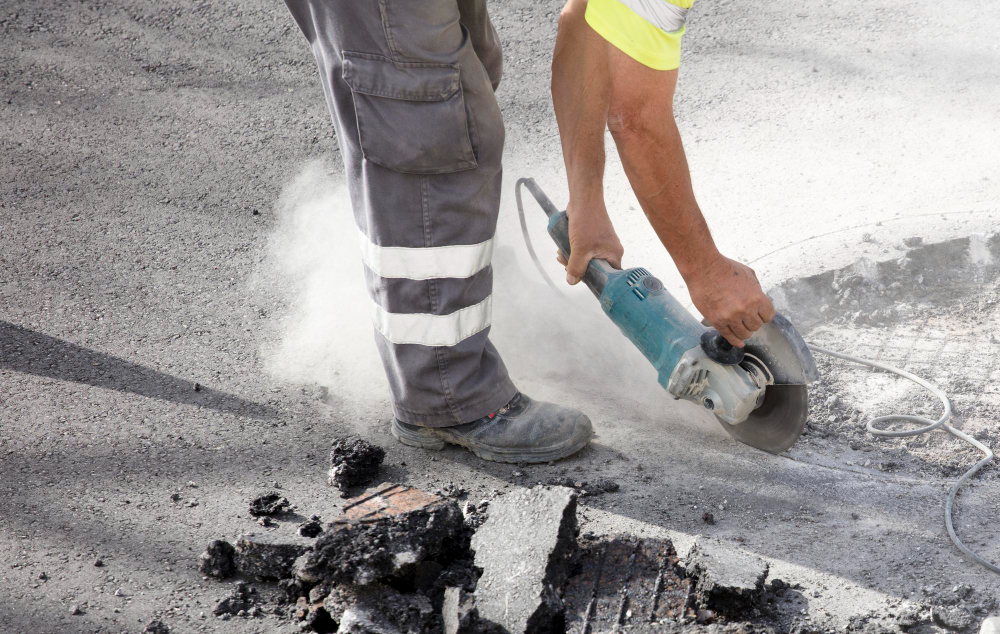
Walk behind concrete grinders are one of the most popular choices for medium sized projects. These machines allow the operator to cover larger areas more efficiently while maintaining good control.
They are ideal for:
- Garage floors
- Driveways
- Workshops
- Outdoor concrete areas
- Commercial spaces
Walk behind grinders are designed to remove surface material evenly across larger sections of concrete. They are much faster than handheld models and provide a more consistent finish.
For homeowners preparing a garage floor or contractors working on renovation projects, a walk behind grinder is often the most practical choice.
Planetary Concrete Grinders
Planetary concrete grinders are designed for larger commercial and industrial projects where a high quality finish is required. These machines use multiple grinding heads that rotate to provide a smooth and consistent result.
They are commonly used for:
- Large commercial floors
- Warehouses
- Retail spaces
- Concrete polishing projects
- Professional floor preparation
Planetary grinders are highly effective because they distribute grinding pressure evenly across the surface. This helps create a uniform finish while reducing the risk of uneven areas.
For major projects where appearance and quality are important, planetary grinders offer excellent performance.
Choosing the Right Size Grinder
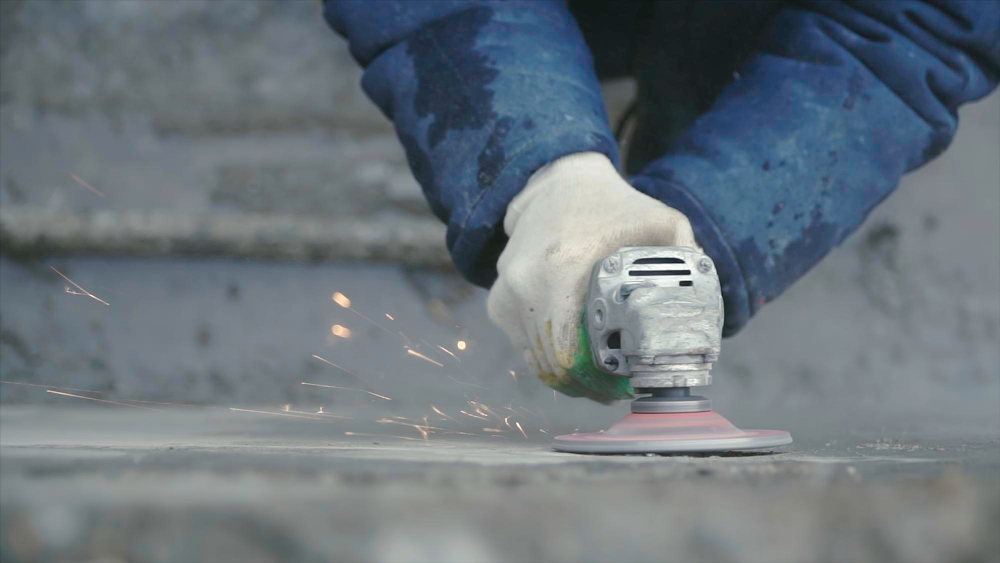
The size of your project should influence the type of concrete grinder you hire. Selecting the correct machine can save time and improve the overall quality of your work.
For small areas such as patios, small repairs, or narrow spaces, a handheld grinder may be enough.
For medium projects such as garages, workshops, or residential floors, a walk behind grinder is usually a better option.
For large commercial areas, warehouses, or extensive polishing work, a planetary grinder may be the most suitable choice.
It is always better to choose equipment that matches the scale of the project rather than trying to complete a large job with a machine designed for smaller tasks.
Consider the Concrete Surface Condition
Before hiring a concrete grinder, inspect the condition of the surface. Different concrete problems require different approaches.
If the concrete has a thin coating or minor imperfections, a lighter grinding process may be sufficient. For thick coatings, rough surfaces, or damaged concrete, a more powerful grinder with suitable diamond tooling may be required.
The hardness of the concrete also affects performance. Older or harder concrete may require different grinding attachments compared to softer surfaces.
Understanding the condition of your concrete helps ensure you choose equipment that can handle the job properly.
Selecting the Correct Grinding Attachments
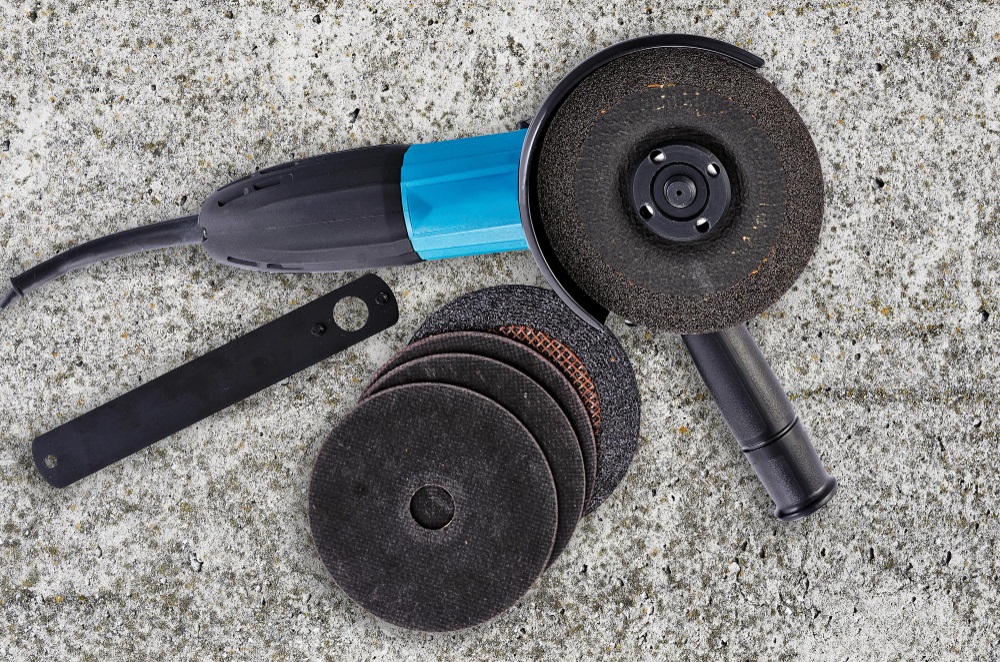
The grinder itself is only part of the process. The attachments and diamond tooling play a major role in achieving the desired result.
Different grinding attachments are designed for different purposes, including:
- Heavy material removal
- Surface preparation
- Smoothing
- Polishing
- Coating removal
Using the correct attachment improves efficiency and helps prevent unnecessary wear on the equipment.
If you are unsure which attachment is suitable, speak with an equipment hire provider who can recommend the right option based on your project requirements.
Dust Control and Safety Considerations
Concrete grinding creates fine dust particles that can affect air quality and create a messy work environment. Proper dust control is essential for a safer and cleaner project.
Many professional grinders can be connected to dust extraction systems that collect particles during operation. This helps protect the operator, improves visibility, and makes cleanup easier.
Safety equipment should always be used when operating a concrete grinder. Recommended protective equipment includes:
- Safety glasses
- Hearing protection
- Dust protection equipment
- Protective footwear
- Suitable work clothing
Always follow the equipment instructions and ensure you understand how to operate the machine before starting work.
Benefits of Hiring a Concrete Grinder
For many projects, hiring a concrete grinder makes more sense than purchasing one. Concrete grinders are specialised machines that require storage space, maintenance, and proper care.
Equipment hire provides several benefits:
- Access to professional grade machinery
- Lower project costs
- No long term storage requirements
- Ability to choose the right machine for each job
- Professional guidance on how to operate the concrete grinder
For occasional renovation projects, hiring is often the most convenient and economical solution.
Common Concrete Grinding Mistakes to Avoid
Many DIY projects encounter problems due to incorrect equipment selection or poor preparation. Avoiding common mistakes can improve your results.
One common mistake is choosing a grinder that is too small for the project. This can increase labour time and make it difficult to achieve an even finish.
Another mistake is failing to prepare the area properly. Remove loose materials, clear the workspace, and identify any potential hazards before starting.
Using the wrong grinding attachment can also affect performance. Always select tooling that matches your concrete type and project goals.
Preparing for Your Concrete Grinding Project
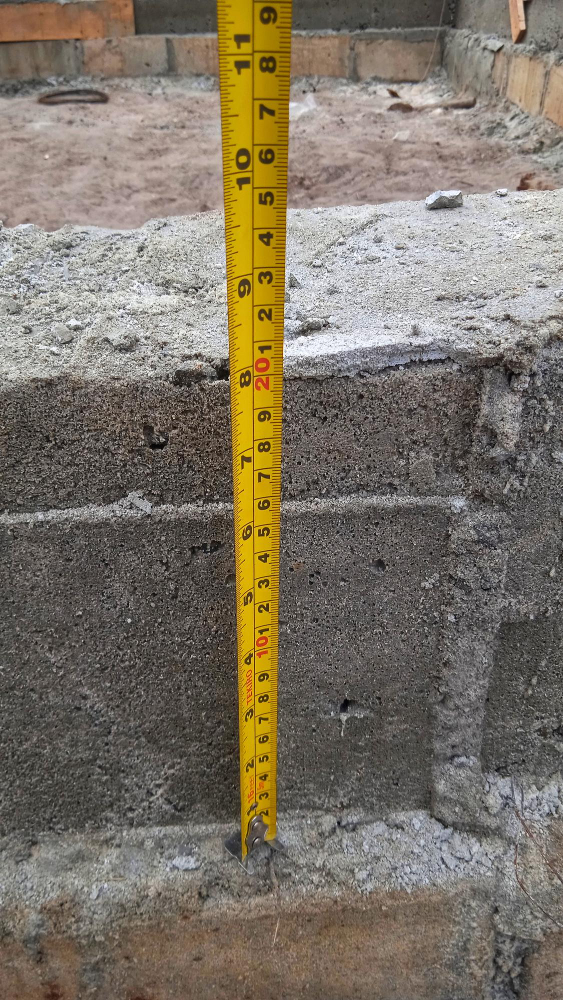
Before beginning your project, plan the process carefully. Consider the size of the area, the finish you want to achieve, and the time available to complete the work.
Measure the space so you can hire suitable equipment and estimate how long the project may take. Ensure the area is accessible for machinery and that you have the necessary safety equipment.
Good preparation will help your concrete grinding project run smoothly and deliver better results.
Final Thoughts
Choosing the right concrete grinder is essential for achieving a smooth, durable, and professional finish. Whether you are repairing a small area, preparing a garage floor, or completing a large commercial project, selecting equipment that matches your needs will make the process easier and more efficient.
From handheld grinders for detailed work to walk behind and planetary machines for larger projects, there is equipment available for almost every application. By understanding your project requirements, selecting the correct attachments, and following safe operating practices, you can achieve excellent results.
Concrete grinding can transform tired and uneven surfaces into clean, functional, and attractive areas. With the right equipment hire solution, your next concrete project can be completed with confidence and efficiency.
Also Read: Fire Risks of Popular Interior Decor Materials Used in Homes
FAQs – Concrete Grinder
1. What is a concrete grinder used for?
A concrete grinder is used to smooth uneven surfaces, remove coatings, prepare floors for new finishes, and polish concrete surfaces.
2. Which concrete grinder is best for small projects?
A handheld concrete grinder is ideal for small repairs, edge work, corners, and tight spaces where larger machines cannot reach.
3. When should I use a planetary concrete grinder?
Planetary concrete grinders are best suited for large commercial projects, warehouses, retail spaces, and concrete polishing applications.
4. Why is dust control important during concrete grinding?
Dust control improves air quality, enhances visibility, reduces cleanup time, and helps protect workers from inhaling fine concrete particles.
5. Is it better to hire or buy a concrete grinder?
For occasional projects, hiring a concrete grinder is often more cost effective because it eliminates storage, maintenance, and equipment ownership costs.
Author & Expert Review
Written By:  Gaurav Mishra | Civil Engineer & Content Writer

| Credentials: B.E. (Mahavir Swami College, Surat), Registered with Bhagwan Mahavir University (BMU). Experience: Civil Engineer with 5+ years of content writing experience, currently writing impactful articles for Gharpedia, part of SDCPL. Expertise: Specializes in writing well-researched content on residential construction, construction materials, design planning, on-site practices, and safety, blending technical accuracy with everyday clarity. Find him on: LinkedIn |
Verified By Expert: Ravin Desai – Co Founder – Gharpedia | Co Founder – 1 MNT | Director – SDCPL

This article has been reviewed for technical accuracy by Ravin Desai, Co-Founder of Gharpedia and Director at Sthapati Designers & Consultants Pvt. Ltd. With a B.Tech. in Civil Engineering from VNIT Nagpur and an M.S. in Civil Engineering from Clemson University, USA, and over a decade of international and Indian experience in the construction and design consultancy sector, he ensures all technical content aligns with industry standards and best practices.
Find him on: LinkedIn