








Table of Contents
Quick Summary
- Keeping a clear ice maker clean improves ice clarity, taste, and overall performance.
- Learn why regular maintenance prevents mould, bacteria, and mineral deposits.
- Follow a simple step by step cleaning and sanitising routine for reliable operation.
- Discover how automated cleaning cycles help reduce manual maintenance.
- Find out why filtered water produces clearer ice and reduces scale buildup.
- Understand how routine descaling protects internal components and improves efficiency.
- Explore practical maintenance habits that help extend the lifespan of your ice maker.
- Finish with easy tips for maintaining crystal clear ice throughout the year.
There’s something undeniably satisfying about dropping a perfectly clear cube of ice into your favorite drink. Beyond aesthetics, clear ice melts slower, dilutes less, and signals that your water source and equipment are clean and functioning properly. For health-conscious households and cocktail enthusiasts alike, a clear ice maker is a worthy investment-but only when it’s properly maintained.
Unfortunately, many homeowners overlook the upkeep their ice maker demands. Over time, neglected machines become breeding grounds for mold, bacteria, and mineral buildup. The result? Cloudy ice with off-putting odors and tastes, reduced production efficiency, and ultimately a shortened appliance lifespan. These problems are entirely preventable with consistent, straightforward maintenance routines. This guide walks you through everything you need to know-from cleaning and sanitizing your clear ice maker to optimizing water quality and cleaning cycles. Whether you’ve just purchased your first unit or have owned one for years, these practical steps will keep your machine running at peak performance and your ice crystal clear.
The Importance of Regular Ice Maker Maintenance
Your clear ice maker operates in a constant cycle of water exposure, freezing, and thawing-conditions that naturally invite trouble when left unchecked. Mineral deposits from tap water accumulate on internal components, gradually reducing freezing efficiency and producing cloudy, unappetizing ice. Meanwhile, the moist, enclosed environment becomes an ideal habitat for mold, slime, and bacteria colonies that compromise both ice quality and your family’s health.
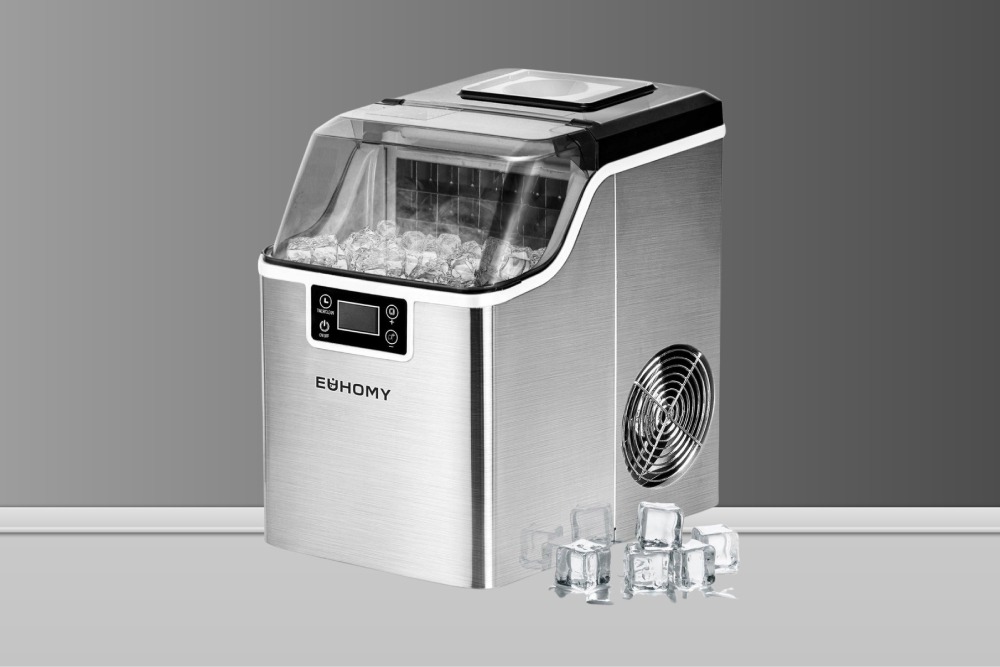
Courtesy - euhomyRegular maintenance directly addresses these threats. A clean evaporator plate freezes water more uniformly, producing the crystal-clear ice your machine was designed to make. Sanitized surfaces eliminate the musty odors and strange tastes that signal microbial contamination. Well-maintained seals and water lines prevent leaks that can damage surrounding cabinetry or flooring. From a financial perspective, the stakes are equally clear. Neglected machines work harder to produce less ice, driving up energy costs.
Scale buildup strains compressors and pumps, leading to mechanical failures that often cost more to repair than years of preventive care would have required. Most manufacturers note that inconsistent maintenance voids warranty coverage, leaving you fully responsible for replacement costs. By dedicating minimal time to routine upkeep, you protect your investment, safeguard your household’s well-being, and ensure every cube meets the standard of clarity and purity you expect.
Step-by-Step Guide to Ice Maker Maintenance
Knowing why maintenance matters is one thing-knowing exactly how to do it is another. The following step-by-step process breaks ice maker maintenance into manageable tasks that anyone can complete in under an hour. By following this routine every two to four weeks, you’ll consistently produce crystal-clear ice while keeping your machine in excellent working condition.
Preparing for Maintenance: Safety and Tools
Before touching any internal components, unplug your clear ice maker from the power source and remove all remaining ice from the bin. Gather your supplies: soft microfiber cloths, a non-abrasive sponge, white vinegar or a manufacturer-recommended descaling solution, food-safe sanitizer, a small brush for tight spaces, and warm water. Consult your user manual for model-specific instructions or warnings about cleaning agents that could damage surfaces. Having everything ready streamlines the process and prevents unnecessary interruptions.
Cleaning the Interior Components
Start with the ice bin-wash it thoroughly with warm water and a mild dish soap, then rinse completely to eliminate soap residue. Next, address the evaporator plate, where mineral scale tends to accumulate most aggressively. Apply a solution of equal parts white vinegar and water, letting it sit for five minutes before gently wiping away deposits with a soft cloth. For the water distribution system, including spray nozzles or water curtains, use your small brush to dislodge any calcium or lime buildup that restricts water flow.
Wipe down all interior walls and the drain channel, ensuring no debris blocks proper drainage. Thorough ice maker maintenance at this stage is what separates consistently clear ice from cloudy, mineral-laden cubes. Rinse every component with clean water before moving to sanitization.
Sanitizing to Prevent Mold Growth
Mix a food-safe sanitizing solution according to package directions-or use one tablespoon of unscented bleach per gallon of water. Wipe all interior surfaces, paying special attention to rubber gaskets, corners, and the underside of the ice bin lid where moisture collects and mold thrives. Let the sanitizer remain in contact with surfaces for at least two minutes to effectively kill bacteria and mold spores. For hard-to-reach crevices, dip your small brush into the solution and scrub gently. Rinse all sanitized areas with fresh water afterward.
Reassembling and Testing the System
Replace all components in their original positions, ensuring gaskets seat properly and the bin clicks securely into place. Plug the unit back in, fill the reservoir with fresh water, and run two full ice-making cycles. Discard the ice from these initial batches to flush any residual cleaning solution, then inspect connections for leaks before resuming normal use.
Optimizing Cleaning Cycles for Your Clear Ice Maker
Many modern clear ice makers, including popular countertop models from brands like Euhomy, include automated cleaning cycles designed to simplify routine maintenance between deep-cleaning sessions. Understanding how to leverage these built-in features-and when to supplement them with manual intervention-can dramatically extend the time between intensive cleanouts while keeping ice quality consistently high.
Most units offer a cleaning cycle activated by holding a designated button or navigating a digital menu. When initiated, the machine circulates water through internal channels, flushing loose deposits and refreshing stagnant water that might harbor bacteria.
For optimal results, run this automated cycle at least once per week if your machine sees daily use, or biweekly for lighter usage patterns. Before starting the cycle, add a manufacturer-approved cleaning solution or a measured amount of white vinegar to the water reservoir-plain water alone won’t dissolve mineral scale effectively. Allow the full cycle to complete without interruption, as cutting it short leaves cleaning solution residue on contact surfaces that can taint your next batch of ice.
Pay attention to cycle duration settings if your model allows customization. Homes with hard water benefit from longer cleaning cycles that give descaling agents more contact time with calcium-coated components. If your machine lacks an automated option, simulate one manually by filling the reservoir with your cleaning solution, running the unit until ice begins forming, then powering off and letting the solution soak for ten minutes before draining completely. Follow with two fresh-water rinse cycles to purge any chemical traces. Tracking your cleaning cycles on a simple calendar reminder eliminates guesswork and ensures you never fall behind on this essential maintenance step, keeping your clear ice maker performing exactly as intended.
Enhancing Ice Quality with Filtered Water
The water you feed your clear ice maker determines the quality of every cube it produces. Tap water contains dissolved minerals like calcium, magnesium, and chlorine that interfere with the slow-freezing process responsible for crystal-clear results. These impurities become trapped within the ice structure, creating the cloudy appearance and off-flavors that defeat the purpose of owning a clear ice maker in the first place. Beyond aesthetics, mineral-heavy water accelerates scale buildup on internal components, forcing more frequent deep cleanings and shortening the lifespan of your evaporator plate and water pump.
Switching to filtered water addresses these problems at the source. A quality carbon or reverse osmosis filter removes chlorine taste, sediment, and a significant portion of dissolved minerals before water ever enters your machine.
If your clear ice maker connects to a water line, install an inline filter rated for sediment and chemical reduction directly on the supply line feeding the unit. For countertop models with manual reservoirs, simply fill them with water from a pitcher filter or refrigerator dispenser that uses activated carbon filtration. Replace your filter cartridge according to the manufacturer’s recommended schedule-typically every two to six months depending on usage volume and local water hardness. You’ll notice the difference immediately in both ice quality and maintenance frequency.
Filtered water produces noticeably clearer, better-tasting ice while dramatically reducing the mineral deposits that clog spray nozzles and coat evaporator surfaces. This single upgrade often cuts the need for descaling in half, saving you time and effort while keeping your machine running efficiently for years longer than it would on unfiltered tap water.
Build a Simple Routine for Crystal-Clear Ice Every Time
Maintaining your clear ice maker doesn’t require specialized skills or significant time-just consistency and attention to a few fundamental practices. Regular cleaning and sanitizing prevent mold and bacteria from compromising your ice quality or your family’s health. Following the step-by-step maintenance routine every two to four weeks keeps internal components free of mineral scale, ensures efficient operation, and produces the crystal-clear ice your machine was built to deliver.
Equally important is the water you use. Switching to filtered water reduces impurities at the source, resulting in clearer, better-tasting ice while cutting your descaling workload substantially. Combined with properly timed cleaning cycles-whether automated or manual-these habits form a complete maintenance strategy that protects your investment and extends your appliance’s lifespan by years. Start today by setting a recurring calendar reminder for your next cleaning session. Inspect your water filter, run a cleaning cycle this week, and commit to the routine. Your reward is simple but satisfying: perfectly clear ice, every time, without worry.
Also Read: Common Refrigerator Problems, How to Fix Them When to Seek Refrigerator Repair in Buford
FAQ – Clear Ice Maker Maintenance
1. How often should I clean my clear ice maker?
For most households, a deep clean every two to four weeks and a weekly cleaning cycle help maintain clear, fresh tasting ice.
2. Can I use vinegar to clean an ice maker?
Yes. White vinegar is commonly used to remove mineral deposits, provided your manufacturer approves its use.
3. Why does my clear ice maker produce cloudy ice?
Cloudy ice is usually caused by mineral rich water, scale buildup, or dirty internal components that affect the freezing process.
4. Does filtered water improve ice quality?
Yes. Filtered water removes many impurities and minerals, producing clearer, better tasting ice while reducing scale buildup.
5. Should I throw away the first batch of ice after cleaning?
Yes. Discard the first one or two batches to remove any remaining cleaning solution before using the ice.
Author & Expert Review
Written By:  Gaurav Mishra | Civil Engineer & Content Writer

| Credentials: B.E. (Mahavir Swami College, Surat), Registered with Bhagwan Mahavir University (BMU). Experience: Civil Engineer with 5+ years of content writing experience, currently writing impactful articles for Gharpedia, part of SDCPL. Expertise: Specializes in writing well-researched content on residential construction, construction materials, design planning, on-site practices, and safety, blending technical accuracy with everyday clarity. Find him on: LinkedIn |
Verified By Expert: Farhan Shaikh – Senior Manager – Architect, SDCPL | Associate Member – IIA

This article has been reviewed for architectural and interior design accuracy by Farhan Shaikh, Senior Manager – Architect at Sthapati Designers & Consultants Pvt. Ltd. As the lead for all architectural and interior projects at SDCPL and an Associate Member of the Indian Institute of Architects (IIA), he brings hands-on experience in architectural planning, interior design, project coordination, and sustainable strategies. His review ensures the content reflects practical design considerations, industry best practices, and real-world applicability across both architecture and interior spaces.
Find him on : LinkedIn