








Table of Contents
Quick Summary
- Daily cooking causes grease, oil splatters, and food residue to build up quickly on a gas stovetop, making regular cleaning essential.
- The easiest way to keep a gas stovetop clean is to wipe it with warm soapy water while the surface is slightly warm after cooking.
- Burner caps and grates need weekly cleaning using hot water, mild soap, and a baking soda paste for stubborn stains.
- Burnt-on grease can be removed by softening it with a hot damp cloth and gently scraping with a plastic scraper.
- Avoid harsh cleaners like bleach or steel wool, as they can damage surfaces and create scratches that trap more grease.
- Consistent daily maintenance improves hygiene, extends appliance life, and enhances kitchen safety.
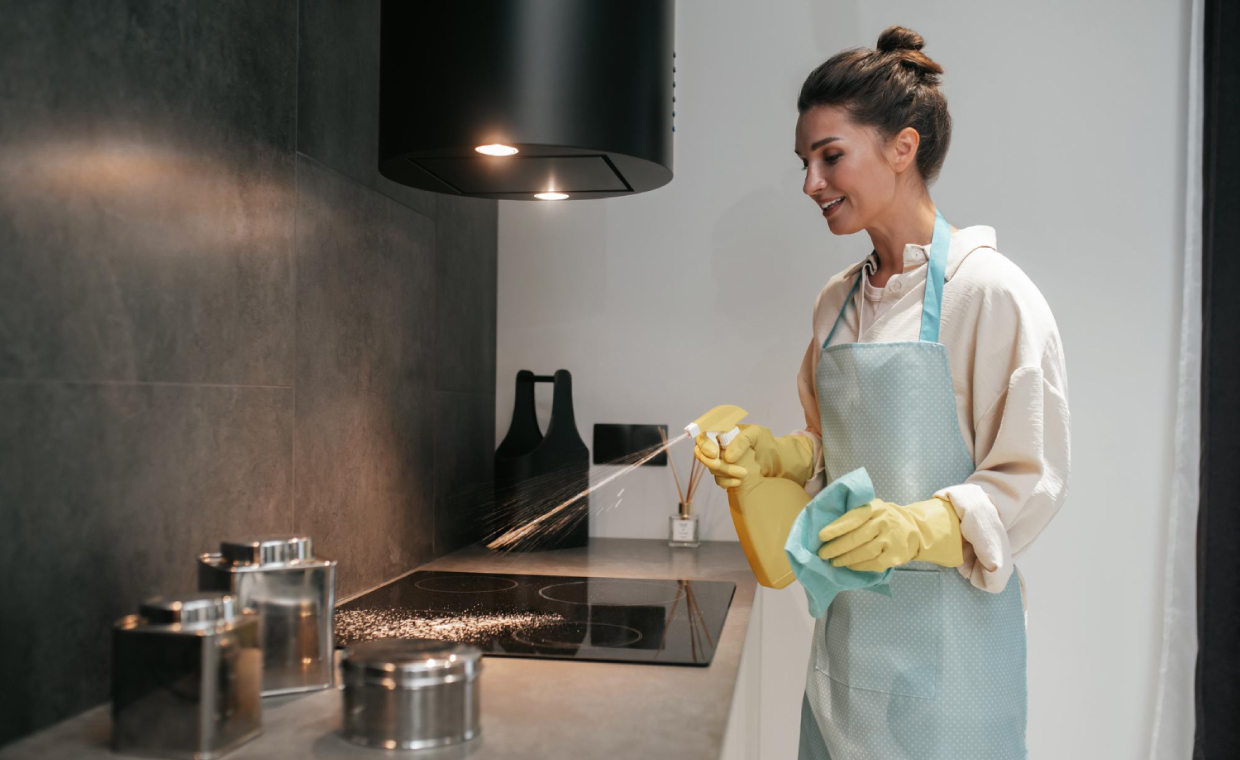
If you cook on a gas range every day, you already know the problem. The stovetop looks fine on Monday and looks neglected by Thursday, no matter how careful you are. The fix is not a stronger cleaner or a longer scrubbing session.
The fix is a small daily habit that stops grease before it bakes on. To keep a gas stovetop clean with everyday cooking, wipe the surface with warm, soapy water while it is still slightly warm after each session, rinse the grates once a week, and treat burner caps with a baking soda paste only when they need it. Prevention beats a weekend deep clean every time.
Here is the routine I give anyone who cooks daily and is tired of the grease catching up with them.
Why Does a Gas Stovetop Get Dirty So Fast?
A gas burner throws heat sideways and upward, so oil droplets and steam from your pan settle across the whole cooktop, not just under the pot. Every time you sear, fry, or boil, a thin film lands on the surface and around the burner caps. That film is invisible for a day or two, then it oxidizes into the sticky brown layer everyone hates.
The reason it feels impossible to stay ahead of is timing. Fresh splatter wipes off in seconds, but once heat cycles over it a few more times, it polymerizes into a varnish that needs soaking to remove. Cooking is also the leading cause of reported home fires; ranges or cooktops are involved in 51% of home cooking fire incidents, and unattended cooking is a factor in about 25% of them, according to the National Fire Protection Association’s 2020-2024 data. A cooktop buried under grease is harder to monitor, so staying clean is partly a safety habit, not just a cosmetic one.
What Should Your Daily Stovetop Routine Look Like?
The whole routine takes about 90 seconds and happens while the surface is still warm, not hot. Warm grease lifts with almost no effort; cold grease fights you. This single timing change is the difference between a quick wipe and a Sunday project.
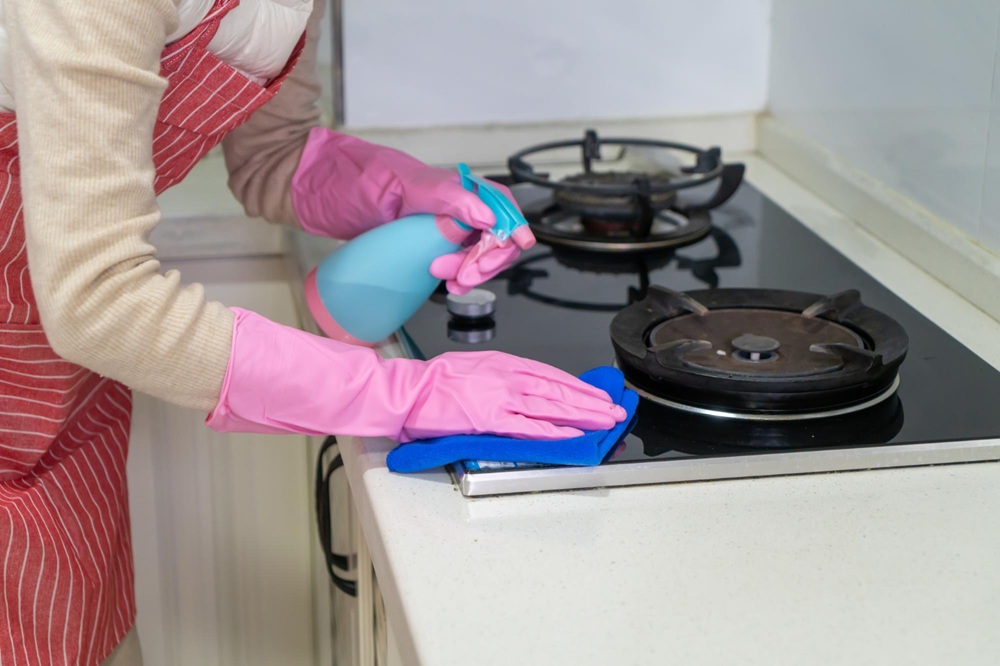
After you finish cooking and the burners are off, give the surface a minute to drop from hot to warm. Wipe it down with a microfiber cloth and a few drops of dish soap in warm water, working from the cleanest area toward the messiest so you are not dragging grease around. Dry it with a second cloth so you do not leave streaks or water spots.
That is it for most days. You are not deep cleaning; you are resetting the surface so nothing has a chance to build. Here is the part that feels backwards: you should clean less at a time, but more often, because frequency is what stops the baked-on layer from forming at all.
How Do You Clean Gas Burner Caps and Grates Without Damage?
Courtesy - magnific
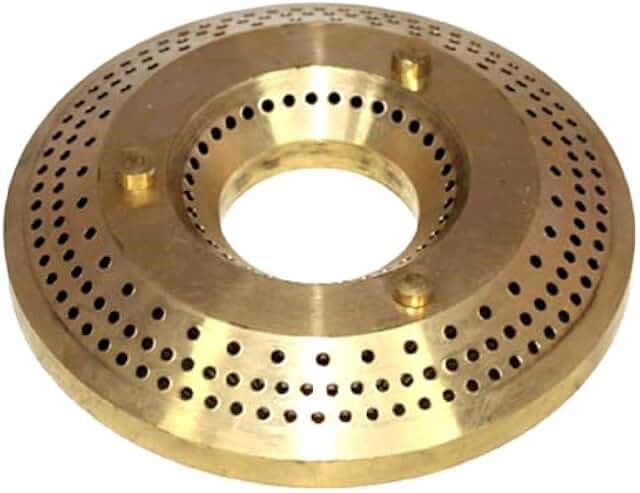
Grates and burner caps need attention weekly, not daily, unless something boils over. Once a week, lift them off and soak them in hot, soapy water for about 20 minutes, which is the window most manufacturers recommend before scrubbing. Whirlpool and GE Appliances both point to a soak first, then a soft brush, rather than leading with an abrasive pad.
For stuck-on spots, mix a paste of roughly three parts baking soda to one part water, spread it on, and let it sit 15 to 20 minutes before scrubbing with a non-metallic brush. Rinse the caps thoroughly and dry them completely before putting them back, because trapped moisture can affect how evenly the burner lights. One honest limitation here: this paste works on enameled grates and caps, but uncoated cast iron grates should not be soaked at all, since water strips their seasoning.
If your burner ports clog, a straightened paperclip or a toothpick clears them. Never use a wooden toothpick that can snap off inside the port.
What Is the Best Thing to Clean a Gas Stovetop?
Courtesy - magnific
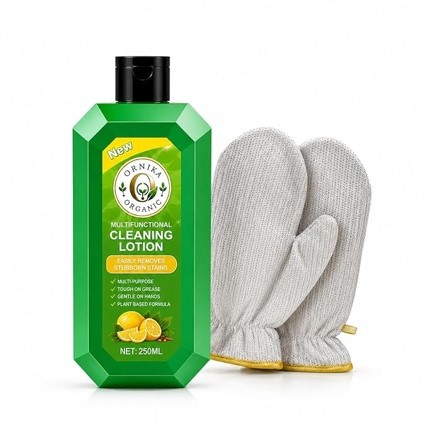
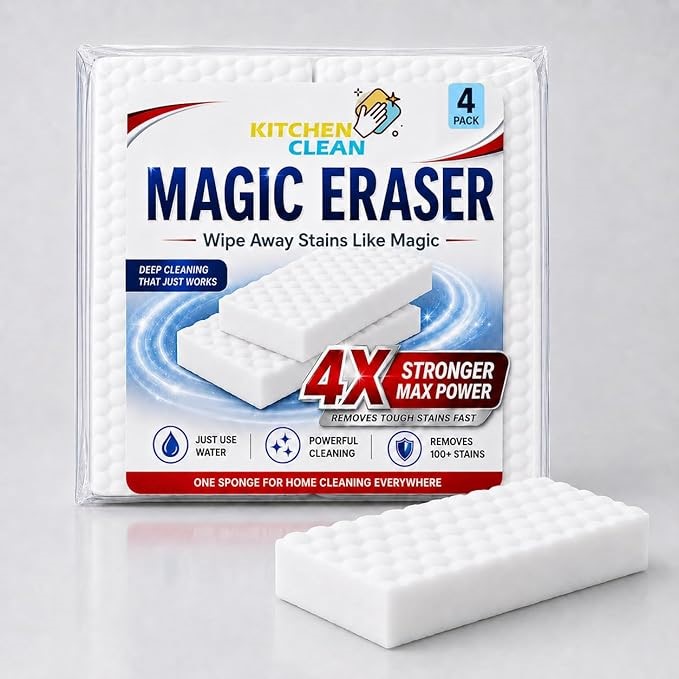
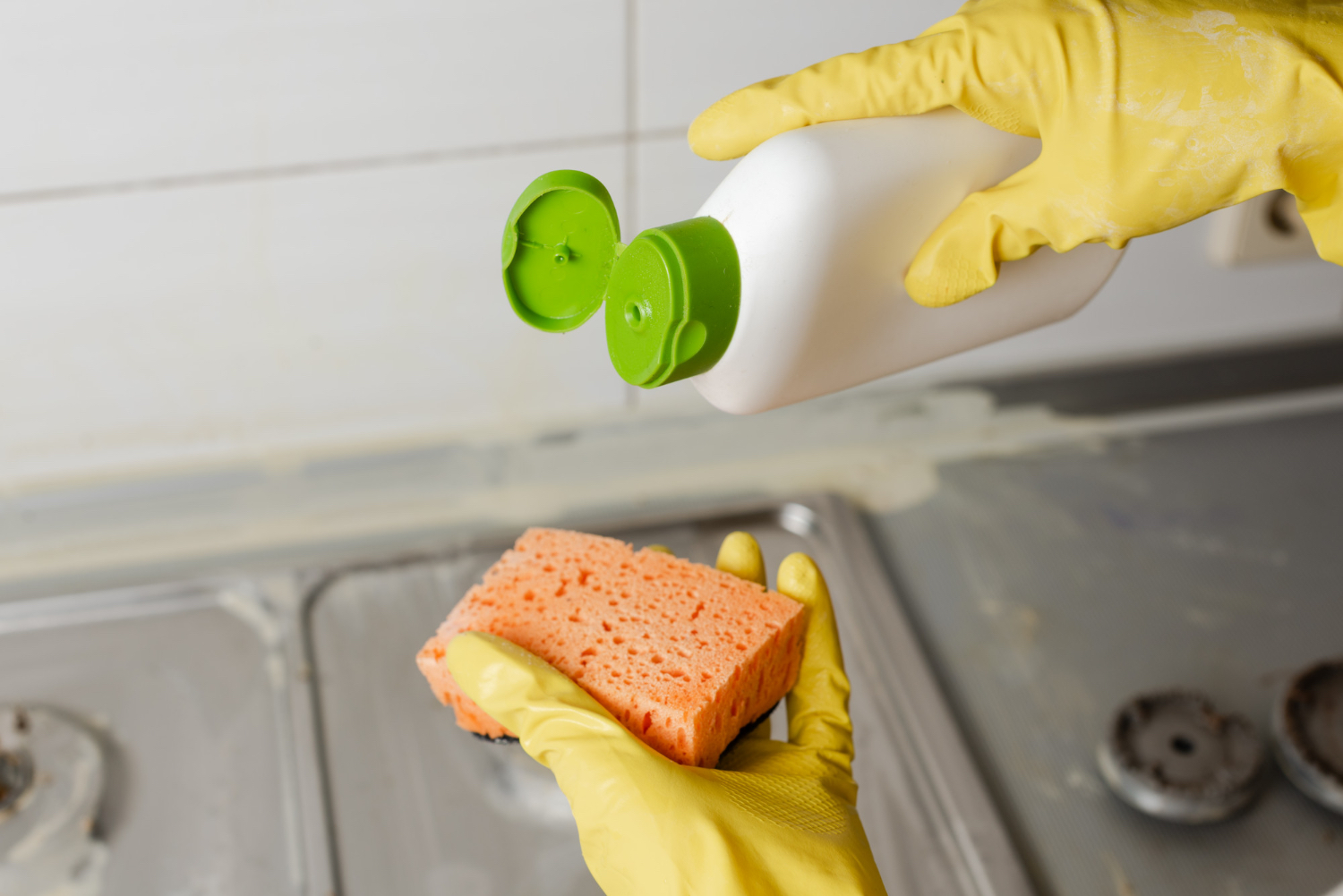
For daily work, plain dish soap such as Dawn and warm water handle about 90% of the job. As of 2026, that is still the advice you will find on most appliance brands’ own support pages, because the cleaner matters far less than the timing. Do not overthink the product.
For weekly buildup, a mild powdered cleanser like Bar Keepers Friend or a baking soda paste cuts grease without scratching, as long as you keep it off any polished trim. Cooktop-specific products such as afresh cooktop cleaner are worth it only if you have a glass or ceramic surface, not a standard gas grate setup.
Skip oven cleaner and any product with bleach on the cooktop itself. They can discolor the finish and leave fumes near where you cook food.
How Do You Remove Burnt-On Grease?
Courtesy - magnific
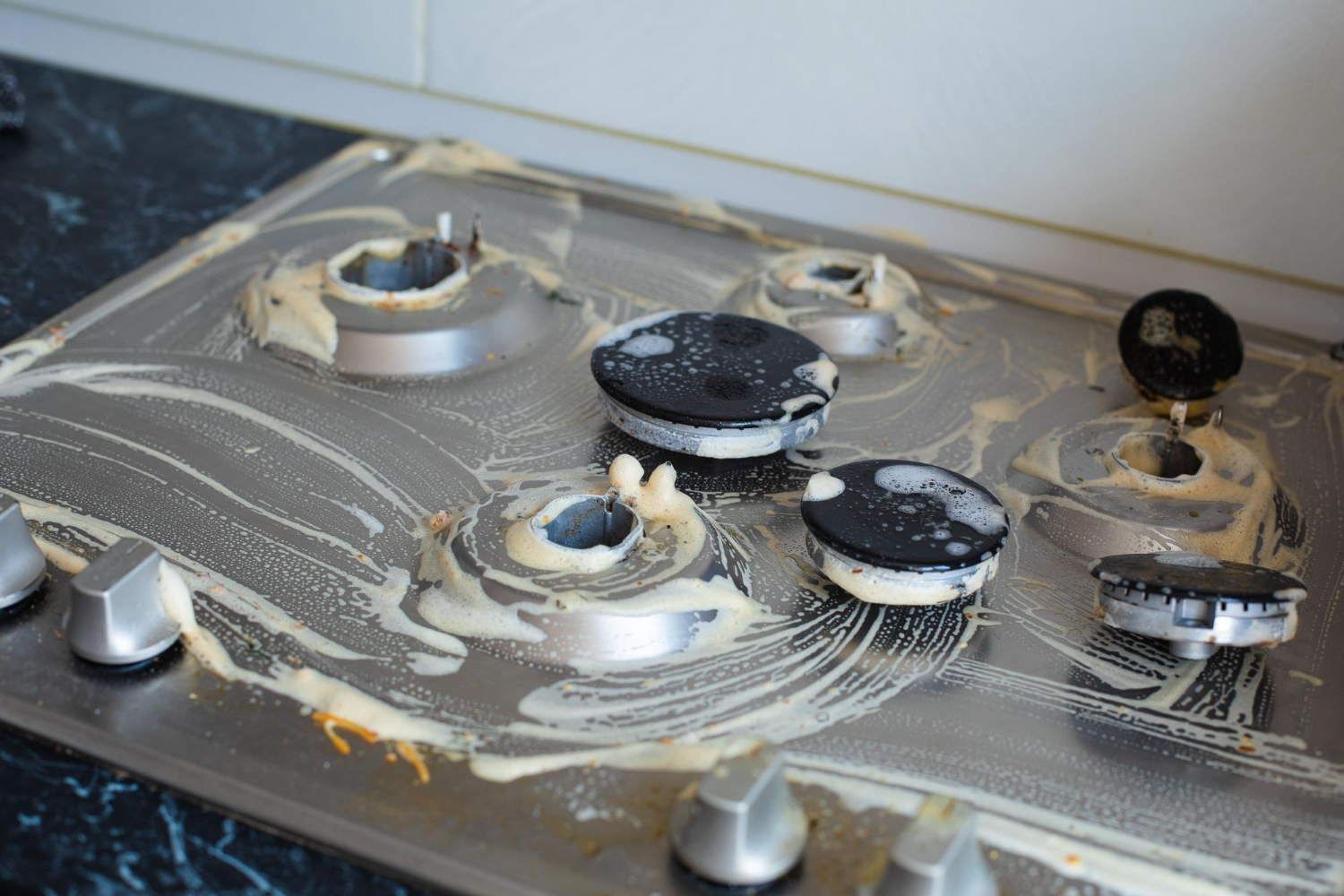
Burnt-on grease is just the daily film that nobody caught in time, so the removal is slower but not complicated. Lay a cloth soaked in hot, soapy water over the spot for 10 minutes to soften it, then scrape gently with a plastic bench scraper or an old credit card at a low angle. Heat and patience do the work, not force.
If it still resists, hit it with the baking soda paste, wait, and repeat. The mistake people make is reaching for a metal scraper or steel wool, which leaves micro-scratches that trap the next round of grease and make the problem worse. A daily wipe will never undo years of accumulation in one pass, so give a badly neglected cooktop two or three gentle rounds across a week instead of one aggressive session.
Can You Cut the Daily Cleaning Down?
Yes, and this is where a lot of daily cooks save themselves the most time. A heat-tolerant liner placed around the burners catches the splatter that would otherwise land on the cooktop, so cleanup becomes lifting and rinsing one sheet instead of scrubbing the whole surface.
The detail that matters most is fit. A loose or oversized sheet lets spills run underneath, which defeats the purpose, so a “custom-fit stovetop protector” sized to your exact range model protects more than a generic mat ever will. If you go this route, you still wipe the liner the same way you would wipe the cooktop, just faster.
A liner is not a substitute for the weekly grate soak, and it should never cover an active burner or block a vent. Used correctly, though, it turns the daily 90-second wipe into more like a 20-second one. You can also pair it with our so the whole room stays ahead of the mess.
Common Daily-Cleaning Mistakes to Avoid
The first mistake is cleaning cold. Once the surface drops to room temperature, the grease hardens and you are back to scrubbing, so the warm window is the entire point.
The second is over-wetting the burner area, which lets water seep into the gas ports and igniters. Use a damp cloth, not a soaking one, and dry as you go. The third is treating every surface the same; a glass cooktop, an enameled gas grate, and uncoated cast iron each want different handling, which our lays out side by side. For the safety side of staying clean, the NFPA’s “cooking safety guidance” is worth a read, and Whirlpool’s “grate and burner cleaning steps” back up the soak-first method.
Also Read: House Cleaning Schedule: To Make your Cleaning Task Easy
How to Keep a Gas Stovetop Clean FAQs
1. What is the best thing to clean a gas stovetop daily?
Warm water with a few drops of dish soap on a microfiber cloth, used while the surface is still slightly warm. It handles everyday film without any harsh chemicals.
2. How do you remove burnt-on grease from a gas stove top?
Soften it with a hot, soapy cloth laid over the spot for about 10 minutes, then scrape gently at a low angle with a plastic scraper. Follow with a baking soda paste if needed, and repeat rather than forcing it.
3. How do you clean a black gas stove top without streaks?
Wash with warm soapy water, rinse the cloth, then dry immediately with a clean microfiber cloth. Streaks on dark finishes are almost always leftover soap or water, not the cleaner itself.
4. Is it safe to clean gas burner caps with water?
Yes, enameled burner caps can be soaked and washed, but dry them completely before reinstalling so trapped moisture does not affect ignition. Uncoated cast iron parts should be wiped, not soaked.
Author & Expert Review
Written By:  Nidhi Patel | Civil Engineer & Content Writer

| Credentials: B.E. (Mahatma Gandhi Institute of Technical Education and Research Centre), Registered with Gujarat Technological University (GTU). Experience: Civil Engineer with 3+ years of content writing experience, currently writing blogs for Gharpedia, part of SDCPL. Expertise: Specializing in SEO-optimized blogs and long-form articles focused on home improvement, construction, interiors and architect topics. I create well-researched, reader-focused content that balances technical accuracy with clarity, making complex subjects easy to understand. Find her on: LinkedIn |
Verified By Expert: Farhan Sheikh – Senior Manager – Architect, SDCPL | Associate Member – IIA

This article has been reviewed for architectural and interior design accuracy by Farhan Shaikh, Senior Manager – Architect at Sthapati Designers & Consultants Pvt. Ltd. As the lead for all architectural and interior projects at SDCPL and an Associate Member of the Indian Institute of Architects (IIA), he brings hands-on experience in architectural planning, interior design, project coordination, and sustainable strategies. His review ensures the content reflects practical design considerations, industry best practices, and real-world applicability across both architecture and interior spaces.
Find him on : Linkedin