






Table of Contents
Quick Summary
- Identify common bathroom plumbing issues before they become costly repairs.
- Fix leaky faucets by replacing worn washers or cartridges.
- Clear clogged drains using a plunger, baking soda, vinegar or a drain snake.
- Stop a running toilet by inspecting the flapper valve and adjusting the chain.
- Maintain proper bathroom ventilation and air conditioning to reduce moisture problems.
- Reduce squeaky pipe noises by securing or insulating plumbing.
- Know when a plumbing problem requires an emergency plumber to prevent serious water damage.
Courtesy - Magnific
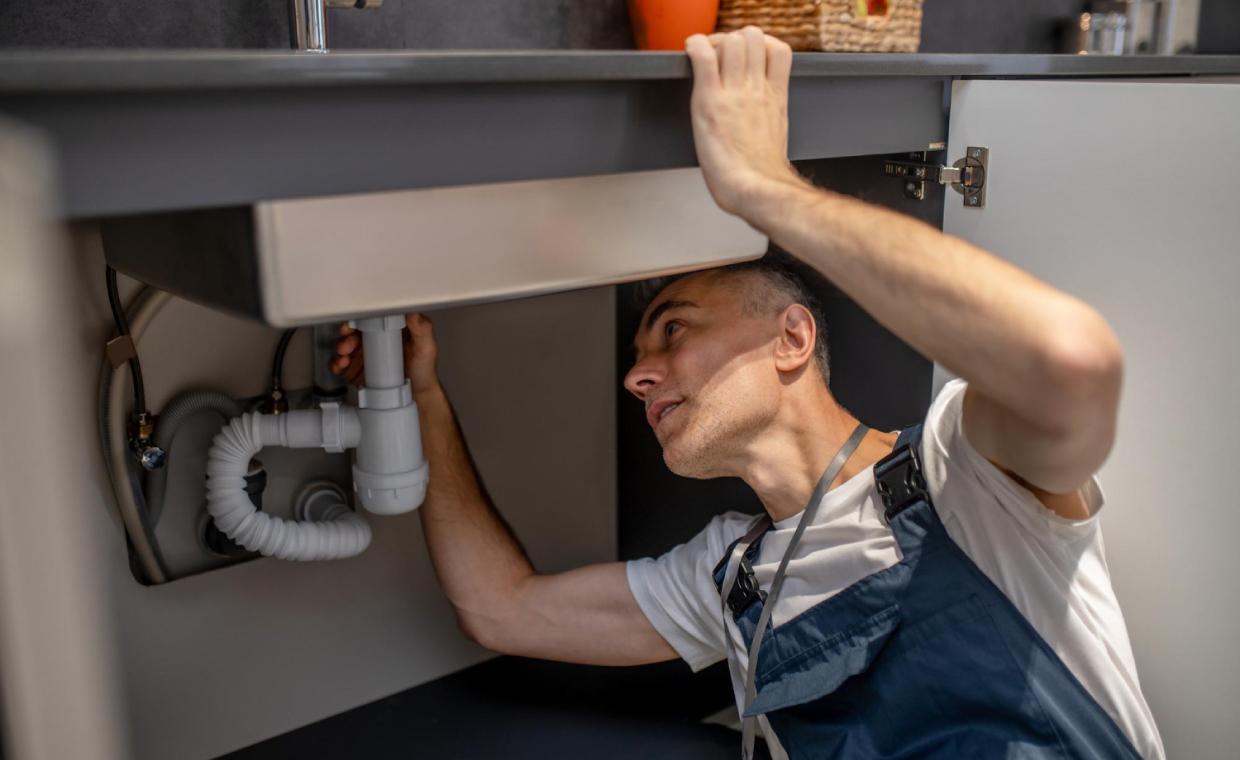
When it comes to our homes, the bathroom can often surprise us with unexpected problems, like a leaky faucet or a toilet that won’t stop running. These plumbing issues can be stressful, but many can be fixed with some basic knowledge. Knowing how to fix these problems saves you money and gives you peace of mind.
Here are some simple tips to help keep your bathroom plumbing working well.
Leaky Faucets
Courtesy - Magnific
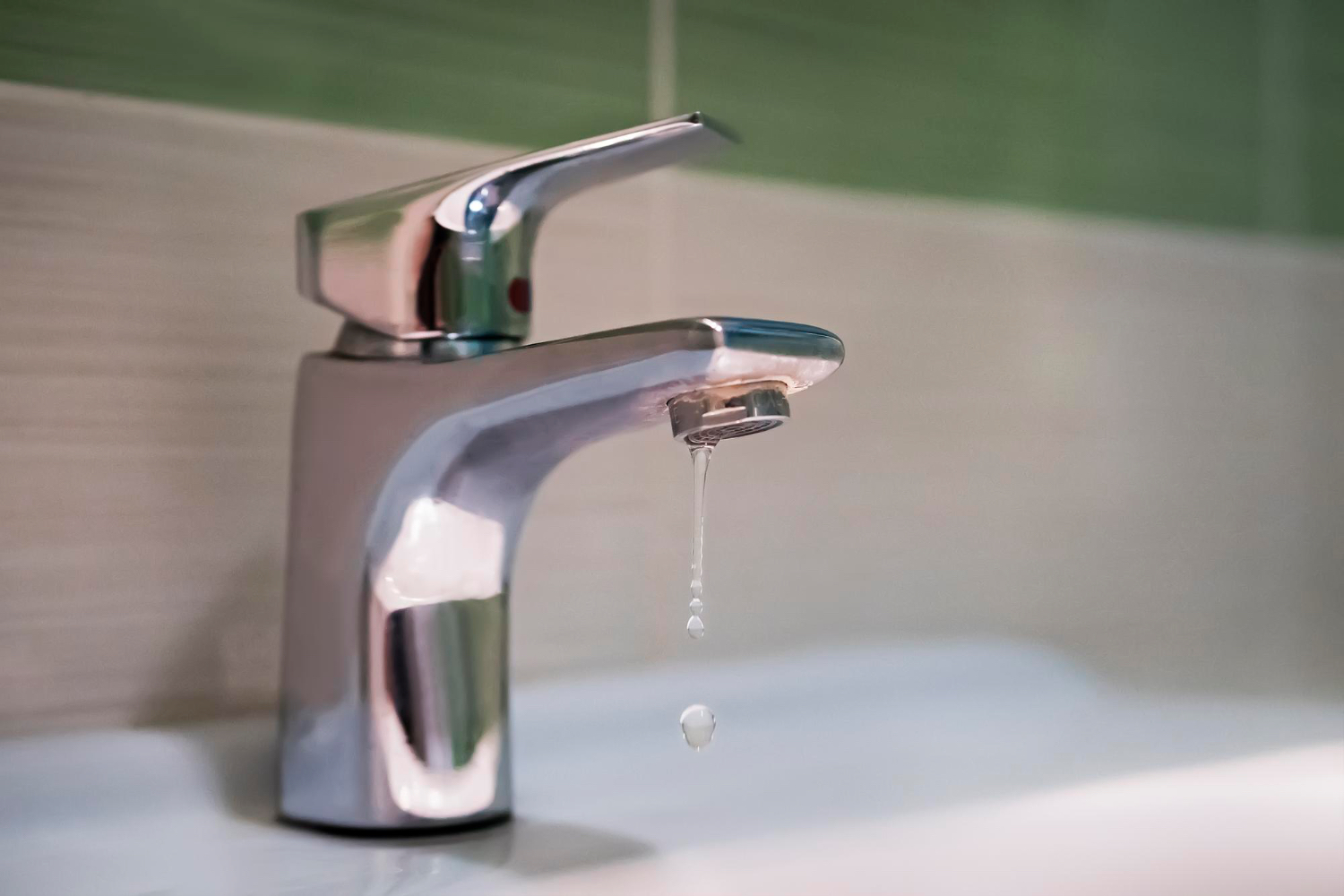
A leaky faucet can be very annoying. The constant dripping wastes water and increases your bills. First, find out what type of faucet you have: compression, cartridge, ball, or ceramic disc. Each type needs a different fix for leaks.
If you have a compression faucet, which is the most common type, turn off the water supply. Take apart the faucet, remove the worn washer, and replace it with a new one. For cartridge or ball faucets, you may need to replace the entire cartridge. This may seem challenging, but it can be an easy DIY job with the right tools.
When you reassemble the faucet, use plumber’s grease on the new parts to help them work smoothly and prevent future leaks. Fixing a leaky faucet is a great way to improve your plumbing skills!
Clogged Drains
Courtesy - Magnific
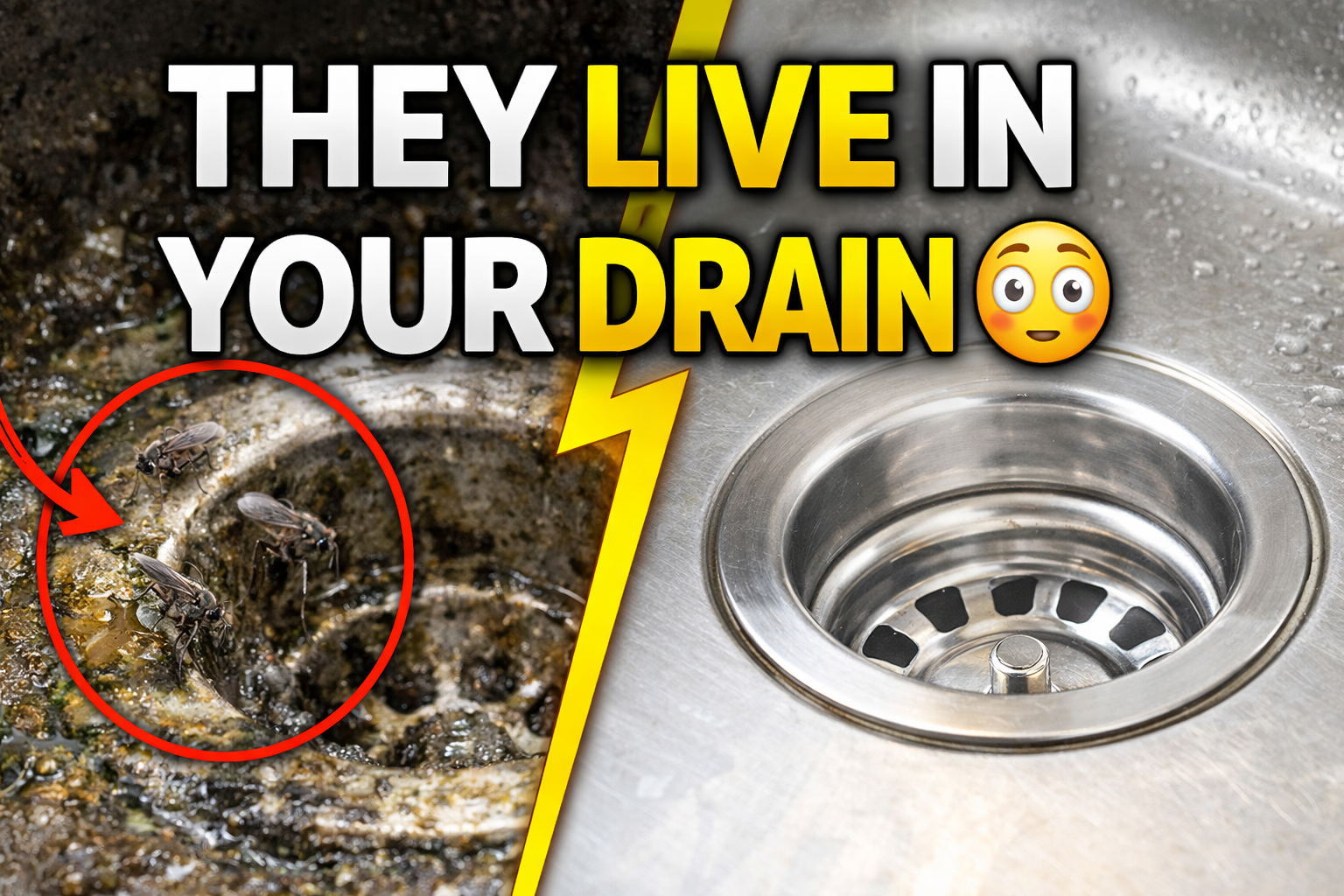
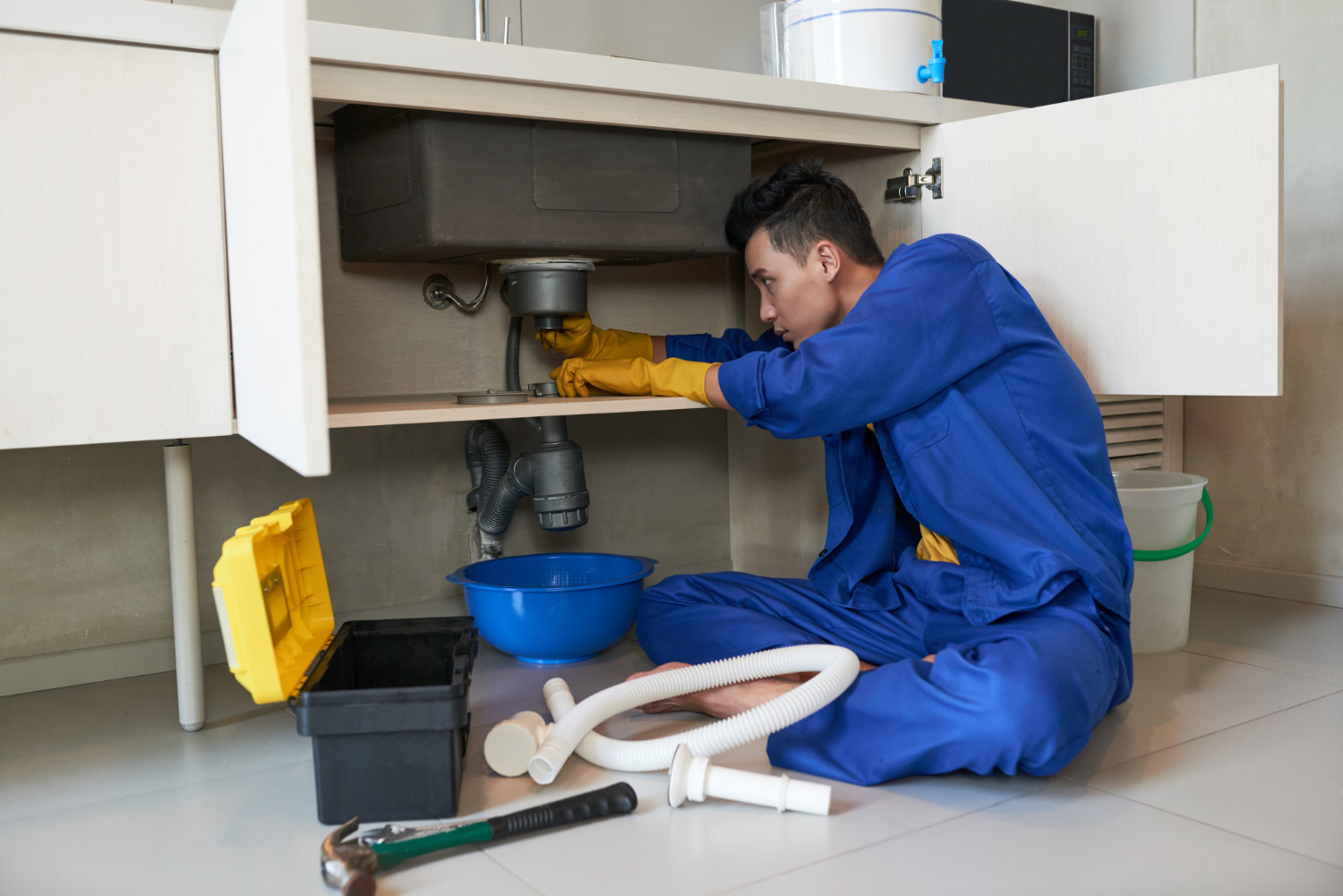
Clogged drains are another common issue. Hair, soap scum, and other debris can build up, causing slow drainage or blockages. Luckily, many clogs can be cleared using basic household items.
Start with a plunger. A good plunging can usually dislodge blockages, especially in sinks and tubs. If that doesn’t work, try mixing baking soda and vinegar. Pour the baking soda down the drain first, then add vinegar. Wait about 15 minutes, then flush it with hot water. This mixture can help dissolve grease and dirt.
For stubborn clogs, a drain snake can help. This simple tool can reach deep into your pipes and clear blockages. If you can’t fix it easily, it might be time to call an emergency plumber.
Running Toilets
Courtesy - Magnific
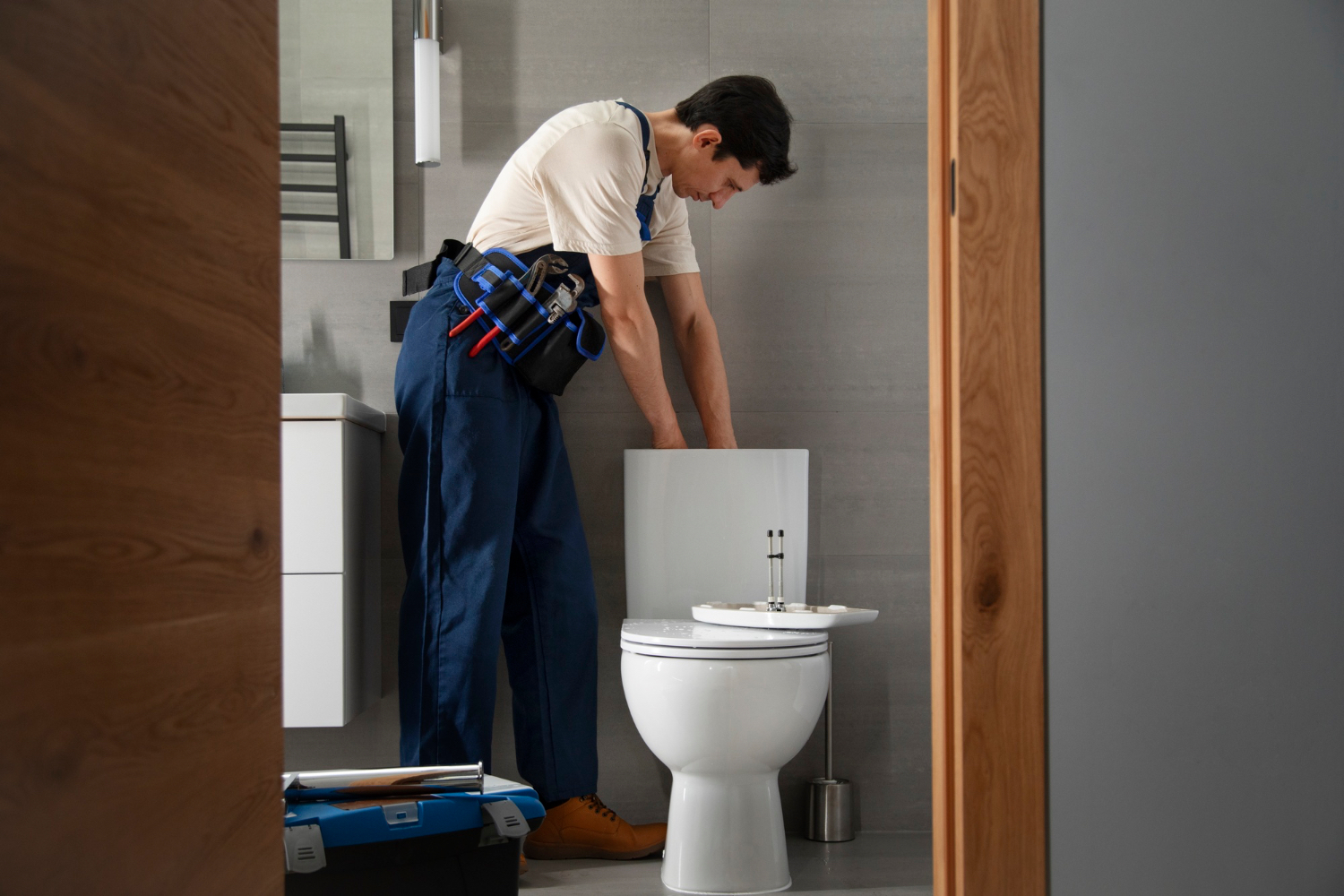
A running toilet is another common problem that’s often easy to fix. Usually, the issue is with the flapper valve, which controls the water flow from the tank to the bowl. If the flapper doesn’t seal properly, the toilet keeps running.
To fix it, remove the tank lid and check the flapper. It may be dirty or worn out. If so, replace it. Turn off the water supply and drain the tank before you start. Replacing the flapper takes just a few minutes.
Also, check the chain that connects the flapper to the handle. It might be too tight or too loose, making it hard for the flapper to close properly. Adjusting the chain can often solve the problem without needing to replace parts. A small fix can save you money on your water bill!
Air Conditioning
Courtesy - Magnific
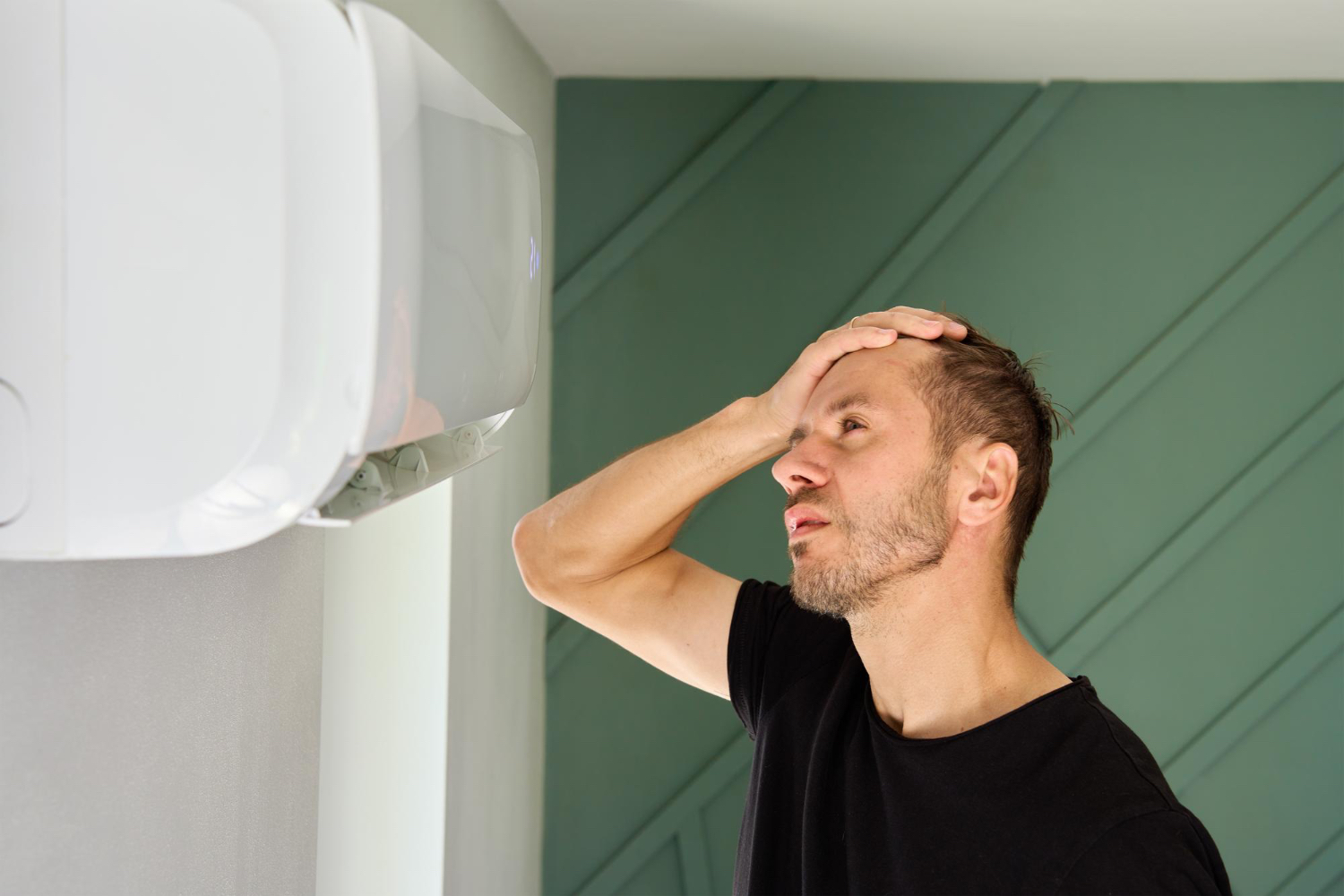
Your bathroom needs good plumbing, but air conditioning is also important for keeping your home comfortable. If your bathroom feels too humid or stuffy, check your air conditioning system. Good ventilation helps lower moisture levels, which can prevent plumbing problems like mould and mildew.
Regular maintenance of your air conditioning can make a big difference. This includes checking and replacing filters, ensuring coolant levels are proper, and cleaning the coils. When your air conditioning works well, your entire home becomes more comfortable and humidity stays under control.
If your air conditioning system has problems, call an air conditioner repair Oakville service. They can quickly diagnose and fix issues before they turn into bigger problems. Everything is connected. Keeping the space cool and comfortable also helps your plumbing.
Squeaky Pipes
Courtesy - Magnific
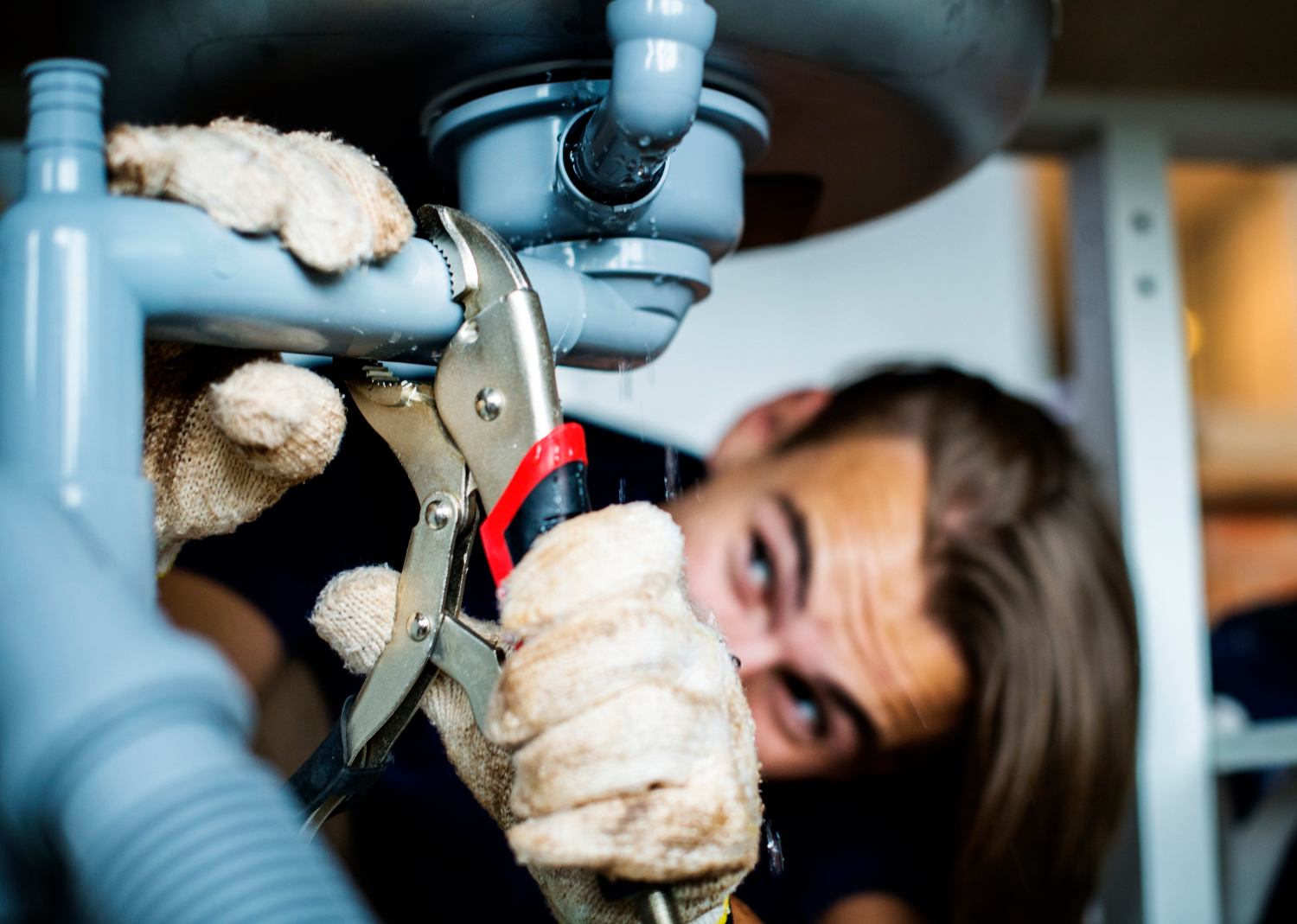
Squeaky pipes may seem like a small issue, but they can signal something more serious. Pipes often make noise when they expand or contract with temperature changes, causing them to rattle against walls or other pipes.
To fix this, you can secure the pipes to the wall more tightly or add foam insulation around them. This will help reduce the noise and stop movement. If the noise continues, check your water pressure. High water pressure can cause problems for your plumbing.
Lowering the pressure can reduce noise and protect your plumbing system in the long run.
Emergency Plumber
Courtesy - Magnific
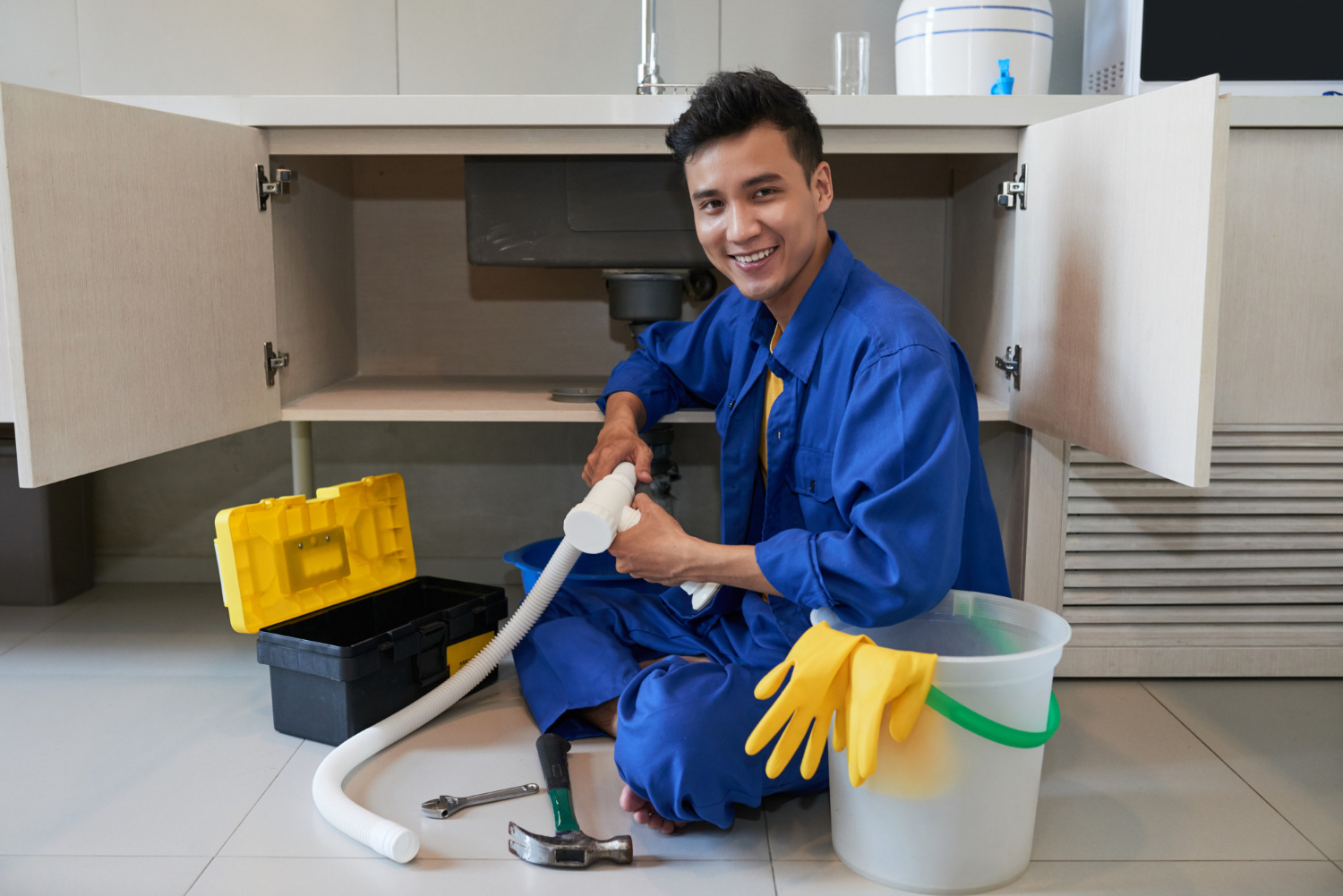
Some plumbing problems need professional help, which is when you need an emergency plumber. If you have a serious leak or backup, don’t wait. Delaying can lead to water damage and bigger issues. Emergency plumbers respond quickly, saving your home from harm.
Know when to call a professional. If you see significant leaks, water pooling, or your toilet is overflowing. Call for help right away. A reliable emergency plumber can turn a stressful situation into a manageable one. Many plumbing issues can be fixed with some knowledge and effort.
Also Read: Why Good Plumbing Starts Long Before the First Pipe Is Installed
FAQs – Bathroom Plumbing Issues
1. What causes bathroom plumbing issues?
Bathroom plumbing issues are commonly caused by worn fittings, clogged drains, ageing pipes, high water pressure and poor maintenance.
2. Can I fix a leaky tap myself?
Yes. Many leaky taps can be repaired by replacing a washer, cartridge or other worn component after turning off the water supply.
3. What is the safest way to clear a clogged drain?
A plunger, followed by baking soda and vinegar or a drain snake, is usually a safe and effective method before using harsh chemicals.
4. Why does my toilet keep running?
A faulty flapper valve, incorrect chain adjustment or a damaged fill valve are the most common reasons for a continuously running toilet.
5. When should I call an emergency plumber?
Call an emergency plumber if you experience severe leaks, overflowing toilets, sewage backups or any plumbing issue that could cause water damage.
Author & Expert Review
Written By:  Gaurav Mishra | Civil Engineer & Content Writer

| Credentials: B.E. (Mahavir Swami College, Surat), Registered with Bhagwan Mahavir University (BMU). Experience: Civil Engineer with 5+ years of content writing experience, currently writing impactful articles for Gharpedia, part of SDCPL. Expertise: Specializes in writing well-researched content on residential construction, construction materials, design planning, on-site practices, and safety, blending technical accuracy with everyday clarity. Find him on: LinkedIn |
Verified By Expert: Ravin Desai – Co Founder – Gharpedia | Co Founder – 1 MNT | Director – SDCPL

This article has been reviewed for technical accuracy by Ravin Desai, Co-Founder of Gharpedia and Director at Sthapati Designers & Consultants Pvt. Ltd. With a B.Tech. in Civil Engineering from VNIT Nagpur and an M.S. in Civil Engineering from Clemson University, USA, and over a decade of international and Indian experience in the construction and design consultancy sector, he ensures all technical content aligns with industry standards and best practices.
Find him on: LinkedIn