







Table of Contents
Quick Summary
• Roofing quotes can differ significantly due to variations in materials, labor, warranties, permits, and project scope.
• Hidden costs like rotted decking, code upgrades, and disposal fees may increase the final bill.
• A detailed roofing quote should clearly mention materials, tear-off work, underlayment, flashing, ventilation, and warranty coverage.
• Compare estimates line by line instead of choosing the lowest price.
• Ask contractors about unexpected repairs, permits, and change orders before signing a contract.
• Verify the contractor’s license, insurance, experience, and customer reviews to avoid costly surprises.
• Prioritizing transparency, quality, and value helps homeowners make a smart, long-lasting roofing investment.
You call three roofers, get three wildly different quotes, and suddenly you’re wondering if one of them is trying to rip you off. The truth is usually less dramatic. Roofing estimates vary because contractors are pricing different things – different materials, different labor assumptions, different levels of risk they’re building into the number. Understanding what’s actually driving that spread is the first step toward picking the right contractor instead of just the cheapest one.
The Real Reasons Estimates Don’t Match
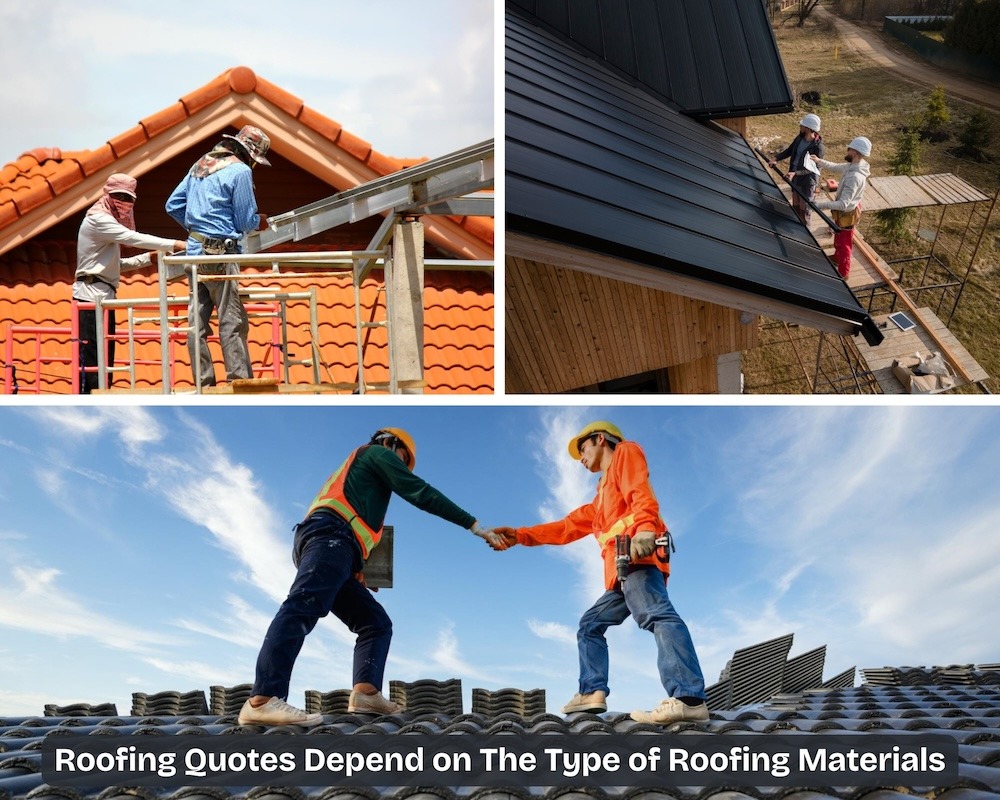
Two roofers can look at the same house and walk away with numbers that differ by thousands of dollars, and neither one is necessarily wrong. One might be pricing architectural shingles while the other assumes a basic three-tab option. One might include a full tear-off and disposal fee, while another plans to layer new shingles over the old ones to save time.
Labor costs also shift depending on crew size, experience, and how busy a contractor is that season. A company booked solid through October might pad their price simply because they don’t need the job. Permit fees, insurance requirements, and even how a contractor calculates waste factor for cutting shingles around vents and valleys all feed into the final number too.
Hidden Costs That Show Up Later
The quote you sign isn’t always the amount you pay. Homeowners get blindsided most often by costs that only surface once the crew starts tearing off the old roof.
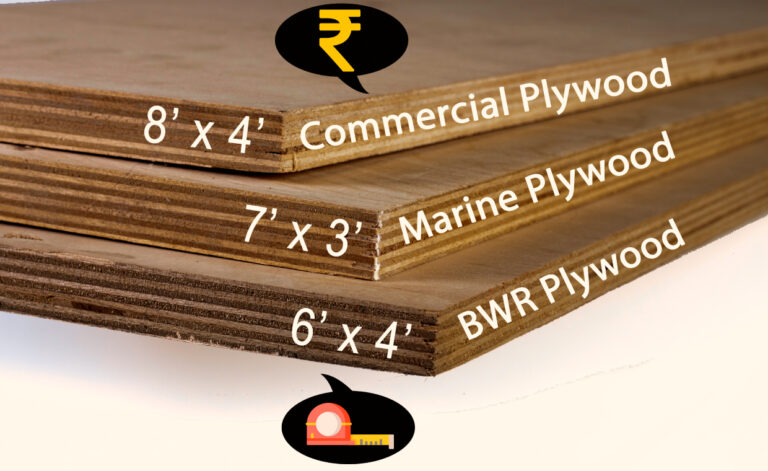
- Rotted decking: Once the shingles come off, contractors sometimes find plywood that’s soft or water-damaged, which means replacing sections at an added cost per sheet.
- Code upgrades: Older homes may need additional ventilation, ice and water shield, or updated flashing to meet current building codes, none of which shows up on a basic quote.
- Disposal surprises: Some estimates quietly exclude dump fees, assuming the homeowner will negotiate that separately or won’t notice until the final invoice.
- Change orders: Anything discovered mid-project, from chimney damage to unexpected structural issues, typically gets billed separately unless the contract states otherwise.
None of these are necessarily dishonest additions. They’re just easier to spot if you know to ask about them before signing anything.
Reading a Quote Like a Contractor Would

A detailed estimate should specify the shingle brand and product line, not just “architectural shingles.” It should spell out whether it includes tear-off, underlayment type, flashing replacement, and ventilation work, along with a written warranty period covering both materials and labor separately. Vague quotes that just list a total dollar figure without breaking down materials and labor tend to leave more room for costs to creep in later.
It also helps to ask each contractor the same specific questions, since that’s the only way to compare quotes on equal footing. Ask what happens if they find rotted decking, whether permits are included, and how they handle unexpected code requirements. A contractor who answers clearly and puts those answers in writing is generally more trustworthy than one who brushes past the question.
Choosing Based on Value, Not Just Price
The lowest bid isn’t automatically the best deal, and the highest one isn’t automatically the safest choice either. What matters more is whether the contractor is licensed, carries proper insurance, and has a track record of finishing jobs without scope creep turning into a financial headache. Checking reviews, asking for local references, and confirming how long the company has operated in your area can tell you more than the number at the bottom of the estimate.
Roofing companies that run on organized, modern systems tend to produce more consistent, transparent quotes in the first place, since their pricing isn’t cobbled together from memory or guesswork. If you’re curious what that kind of operational backbone looks like from the contractor’s side, you can learn more about how roofing businesses manage estimates, scheduling, and job tracking behind the scenes.
Making the Final Call
At the end of the day, a roof replacement is one of the larger investments a homeowner makes in their property, so it’s worth slowing down before signing. Compare quotes side by side, ask pointed questions about what’s included, and pay attention to how a contractor communicates during the estimate process itself. That conversation often tells you more about what to expect during the actual job than the price alone ever could.
Also Read: How Roofing Takeoff Software Is Changing the Way Contractors Estimate Projects
Roofing Quotes FAQs
1. Why do roofing quotes vary so much?
Roofing quotes differ because contractors may use different materials, labor rates, warranties, disposal methods, and assumptions about the project’s scope.
2. What hidden costs should I look for in a roofing estimate?
Watch for costs related to rotted roof decking, permit fees, code compliance upgrades, disposal charges, and unexpected structural repairs.
3. How can I compare roofing quotes accurately?
Compare each estimate based on materials, labor, warranty, included services, and project scope – not just the total price.
4. Should I always choose the lowest roofing quote?
No. The lowest quote may exclude essential work or use lower-quality materials. Consider the contractor’s reputation, experience, and the overall value offered.
5. What should a detailed roofing quote include?
A comprehensive quote should specify roofing materials, tear-off and disposal, underlayment, flashing, ventilation, labor costs, warranties, permits, and any potential additional charges.
Author & Expert Review
Written By:  Nidhi Patel | Civil Engineer & Content Writer

| Credentials: B.E. (Mahatma Gandhi Institute of Technical Education and Research Centre), Registered with Gujarat Technological University (GTU). Experience: Civil Engineer with 3+ years of content writing experience, currently writing blogs for Gharpedia, part of SDCPL. Expertise: Specializing in SEO-optimized blogs and long-form articles focused on home improvement, construction, interiors and architect topics. I create well-researched, reader-focused content that balances technical accuracy with clarity, making complex subjects easy to understand. Find her on: LinkedIn |
Verified By Expert:  Ravin Desai – Co Founder – Gharpedia | Co Founder – 1 MNT | Director – SDCPL

This article has been reviewed for technical accuracy by Ravin Desai, Co-Founder of Gharpedia and Director at Sthapati Designers & Consultants Pvt. Ltd. With a B.Tech. in Civil Engineering from VNIT Nagpur and an M.S. in Civil Engineering from Clemson University, USA, and over a decade of international and Indian experience in the construction and design consultancy sector, he ensures all technical content aligns with industry standards and best practices.
Find him on: LinkedIn