





Table of Contents
Quick Summary
- Construction delays are common but usually avoidable.
- Learn here the common causes, factors, measures, and habits of construction delays.
- Poor planning is one of the biggest reasons projects slow down.
- Changing decisions during construction causes major delays.
- Material shortages or late deliveries can stop work completely.
- Lack of communication leads to confusion and mistakes.
- Scheduling issues between contractors can push timelines.
- Early warning signs include frequent pauses and unclear updates.
- Finalising decisions early helps avoid interruptions.
- Ordering materials in advance saves time.
- Clear communication and sticking to the plan keeps work moving smoothly
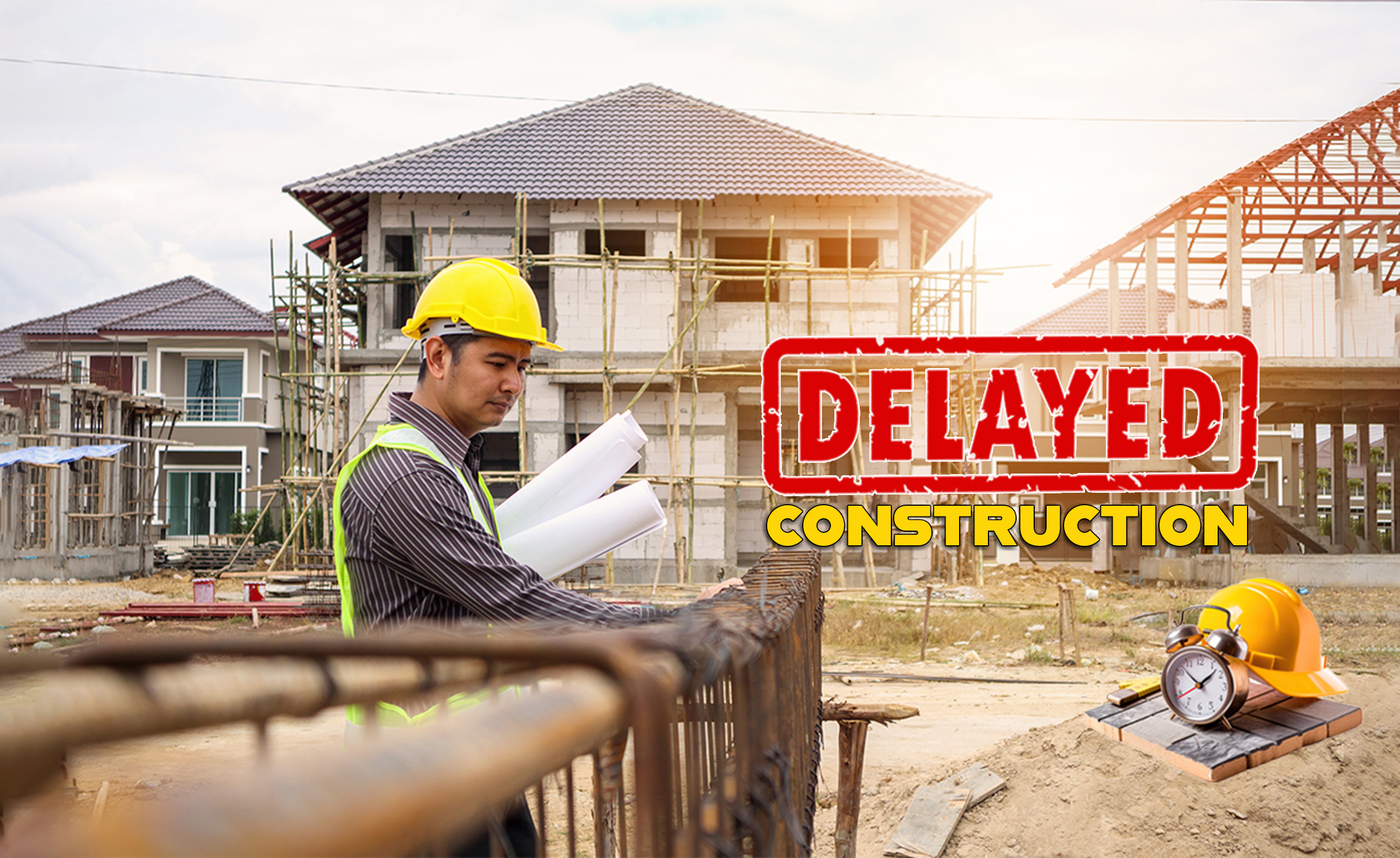
A construction project can feel like it is progressing well one week, then suddenly everything slows down. If you’ve ever wondered what delays construction projects, the answer usually lies in a few common but avoidable issues like poor planning, late decisions, and supply problems.
Delays are frustrating, but they’re rarely random. Most of them come from predictable issues that build up over time. The key is knowing what causes them and how to stay ahead before they affect your timeline.
If you understand where projects typically stall, you can keep yours moving with far less stress.
What Delays Construction Projects: Common Causes
Incomplete Planning from the Start
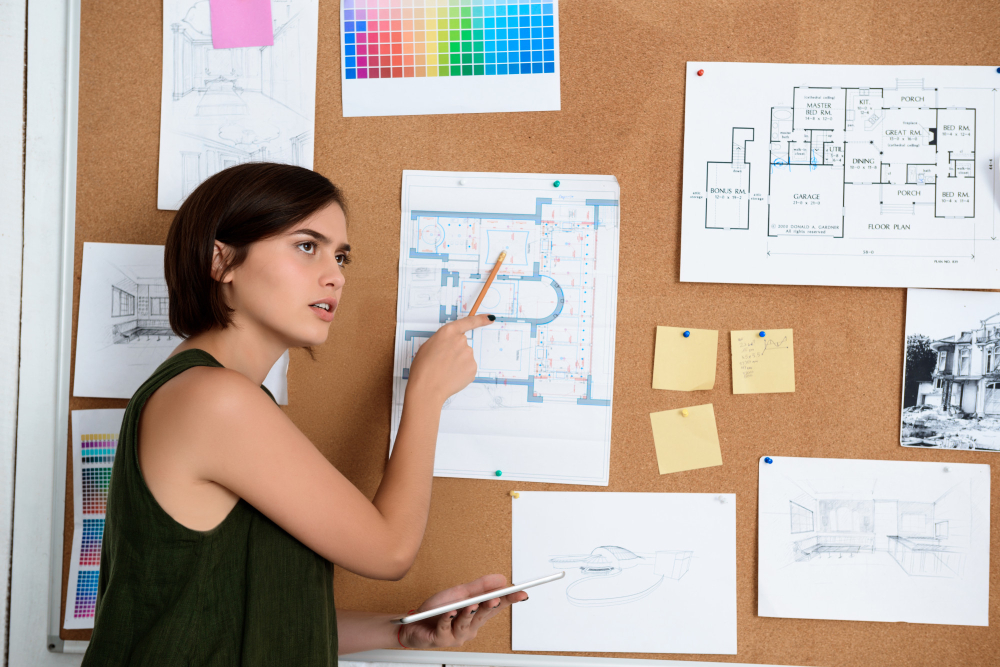
Many delays begin long before construction even starts. When plans aren’t fully developed, decisions end up being made during the build instead of before it.
This creates pauses while teams wait for answers, approvals, or revisions.
Working with experienced teams like SMC Construction early in the process can help ensure your plans are clear, detailed, and ready to execute without constant back-and-forth.
Late or Changing Decisions
Changing your mind mid-project might seem harmless, but even small adjustments can create ripple effects.
For example:
- Switching materials may delay delivery
- Adjusting layouts can require rework
- New ideas may impact multiple stages of the build
Each change introduces uncertainty, and that slows everything down.
Material and Supply Delays
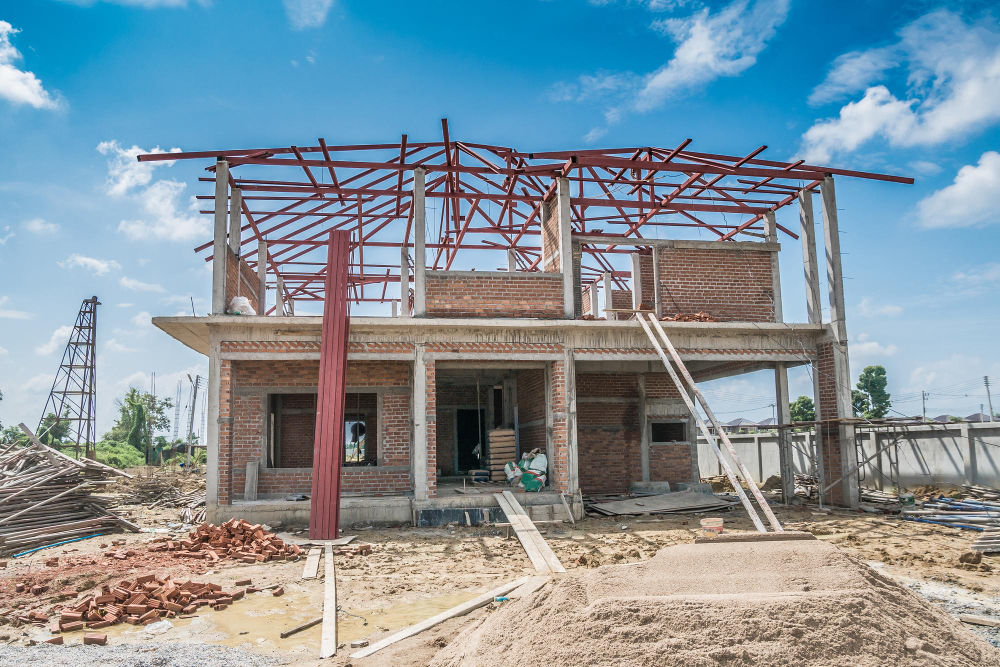
Even well-planned projects can be affected by supply issues. If materials aren’t ordered early or there’s limited availability, progress can stall while waiting for deliveries.
This is especially common with:
- Custom items
- Imported materials
- High-demand finishes
Poor Communication
When communication breaks down, delays follow quickly. Misunderstandings, unclear instructions, or missed updates can all bring work to a halt.
You might notice:
- Confusion about what’s been approved
- Work paused while waiting for clarification
- Mistakes that require fixing before moving forward
Scheduling Conflicts
Construction projects rely on multiple teams working in sequence. If one stage runs late, everything behind it gets pushed back.
This can happen when:
- Contractors are double-booked
- Work isn’t completed on time
- Unexpected issues disrupt the schedule
Early Signs Your Project Might be Slowing Down
Frequent Pauses in Progress
If work keeps stopping and starting, it’s usually a sign that something hasn’t been properly resolved.
This could be due to missing decisions, delayed materials, or unclear instructions.
Vague or Inconsistent Updates
If updates become less specific or timelines keep shifting without clear reasons, it’s worth paying closer attention.
Clear projects have clear communication. When that disappears, delays often follow.
Increased Back-and-Forth on Decisions
If you’re being asked to revisit decisions multiple times, it may indicate that the original plan wasn’t fully locked in.
This can lead to repeated changes and slower progress.
How to Keep Your Project Moving
Finalise Key Decisions Early
The more decisions you make before construction begins, the fewer interruptions you’ll face later.
Focus on locking in:
- Layout and structural details
- Major materials and finishes
- Fixtures and fittings
This reduces the need for last-minute choices that slow everything down.
Order Materials in Advance
If possible, secure key materials early in the process. This helps avoid delays caused by limited stock or long lead times.
Prioritise items that are:
- Custom-made
- High demand
- Essential for early stages of construction
Keep Communication Clear and Consistent
Strong communication keeps everyone aligned and reduces confusion.
A simple approach includes:
- Regular progress updates
- Confirming decisions in writing
- Addressing questions as soon as they arise
When everyone is on the same page, work flows more smoothly.
Stick to The Original Plan
It’s natural to have new ideas as the project progresses, but constant changes can slow everything down.
Before making adjustments, ask:
- Is this change necessary?
- Will it significantly improve the outcome?
- What impact will it have on time and cost?
If the benefits are small, it’s often better to stay the course.
Build in Time Buffers
Even well-managed projects can face unexpected delays. Adding a small buffer to your timeline helps absorb these without causing major disruptions.
This also reduces pressure and allows for more realistic expectations.
What Well-Managed Projects do Differently

Projects that stay on track usually follow a few key principles.
They Prioritise Preparation
Time spent planning is time saved later. Clear plans reduce uncertainty and allow work to progress without constant interruptions.
They Follow a Structured Process
Each stage is completed in the right order, with clear milestones and expectations. This keeps everything organised and predictable.
They Maintain Accountability
Everyone involved understands their role and responsibilities. This reduces confusion and helps keep the project moving forward.
Simple Habits That Prevent Delays
You don’t need to be an expert to keep things running smoothly. A few practical habits can make a big difference.
Keep Everything Documented
Having a record of plans, decisions, and changes helps avoid confusion and keeps everyone aligned.
Stay Engaged Throughout the Project
Regular involvement helps you catch issues early and ensures nothing important is overlooked.
Address Problems Immediately
Small issues are much easier to fix than larger ones. Acting early prevents minor setbacks from becoming major delays.
Keeping Your Timeline Under Control
Construction delays are common, but they’re often preventable. By understanding what delays construction projects, you can take control early – through better planning, clear communication, and timely decisions. Staying proactive instead of reactive is the key to completing your project smoothly, on time, and without unnecessary stress.
By staying organised, making key decisions early, and keeping communication clear, you can avoid the most common setbacks and keep your project moving forward.
Instead of reacting to delays, you’re actively preventing them. And that’s what makes the difference between a drawn-out project and one that runs smoothly from start to finish.
Also Read: Designing Growth: Why Preparation Is the Strongest Building Material
FAQs on What Delays Construction Project
1. What delays construction projects the most?
The most common causes include poor planning, frequent design changes, material shortages, and lack of communication between teams.
2. How can I avoid delays in my construction project?
You can avoid delays by finalising decisions early, ordering materials in advance, maintaining clear communication, and sticking to the original plan.
3. Do small changes really cause big delays?
Yes, even small changes can affect multiple stages of construction, leading to rework, scheduling issues, and increased costs.
4. How important is communication in construction projects?
Very important. Poor communication can lead to misunderstandings, mistakes, and work stoppages.
5. What are early signs of construction delays?
Frequent work stoppages, unclear updates, repeated decision changes, and missed deadlines are early warning signs.
Author & Expert Review
Written By:  Nidhi Patel | Civil Engineer & Content Writer

| Credentials: B.E. (Mahatma Gandhi Institute of Technical Education and Research Centre), Registered with Gujarat Technological University (GTU). Experience: Civil Engineer with 3+ years of content writing experience, currently writing blogs for Gharpedia, part of SDCPL. Expertise: Specializing in SEO-optimized blogs and long-form articles focused on home improvement, construction, interiors and architect topics. I create well-researched, reader-focused content that balances technical accuracy with clarity, making complex subjects easy to understand. Find her on: LinkedIn |
Verified By Expert:  Ravin Desai – Co Founder – Gharpedia | Co Founder – 1 MNT | Director – SDCPL

This article has been reviewed for technical accuracy by Ravin Desai, Co-Founder of Gharpedia and Director at Sthapati Designers & Consultants Pvt. Ltd. With a B.Tech. in Civil Engineering from VNIT Nagpur and an M.S. in Civil Engineering from Clemson University, USA, and over a decade of international and Indian experience in the construction and design consultancy sector, he ensures all technical content aligns with industry standards and best practices.
Find him on: LinkedIn