




Table of Contents
Quick Summary
- Explains the major reasons behind rising construction material prices.
- Covers how global supply chain disruptions affect material availability.
- Discusses the impact of energy costs, inflation and currency fluctuations.
- Highlights the effect of labour shortages on project budgets.
- Explains how environmental regulations influence manufacturing costs.
- Shows why accurate construction cost estimating has become more important.
- Shares practical ways contractors and homeowners can reduce the impact of rising material costs.
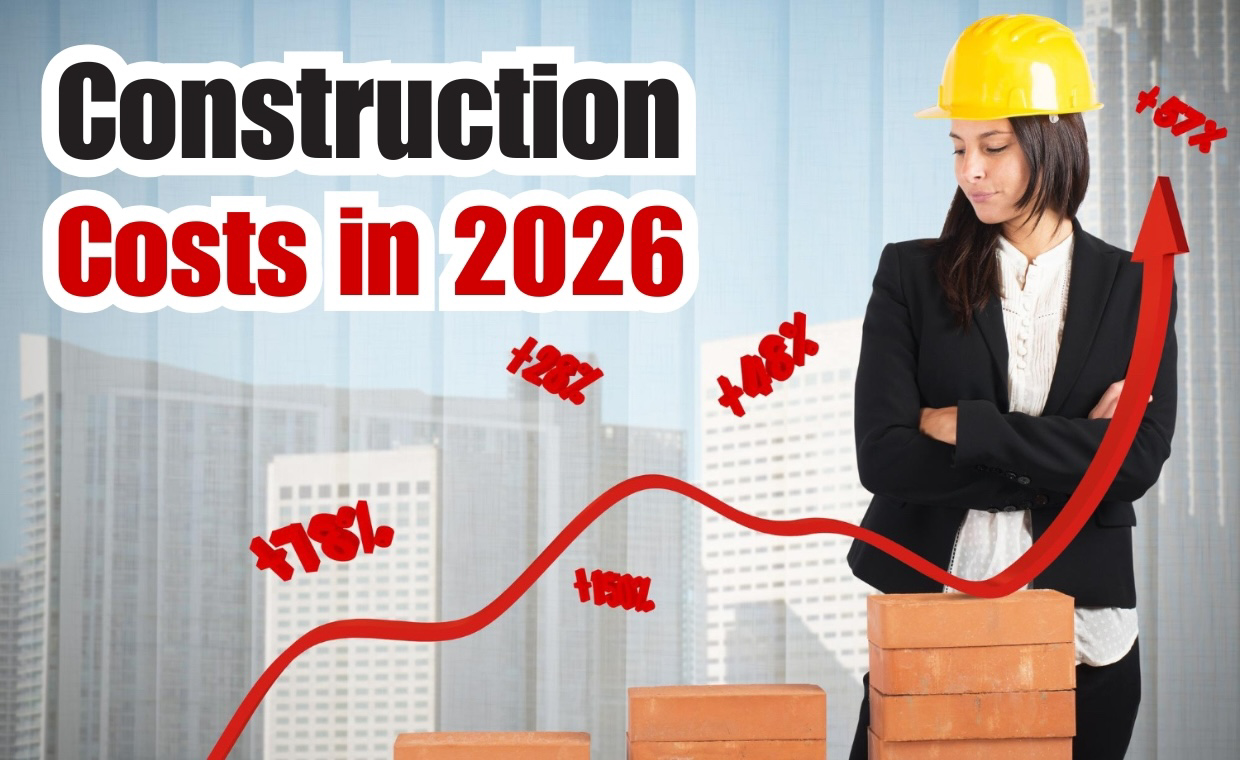
The construction industry has faced one price shock after another over the past few years, and 2026 is proving to be no exception. Contractors, developers, and homeowners alike are noticing that everything from steel and cement to lumber and copper wiring costs significantly more than it did just a couple of years ago. These rising prices are not the result of a single cause but rather a combination of global supply issues, labor shortages, energy costs, and shifting regulations.
Understanding why these increases are occurring can help project owners plan more effectively, avoid budget overruns, and make smarter purchasing decisions. Below, we break down the biggest factors driving up construction material prices in 2026 and how to manage them.
1. Global Supply Chain Disruptions
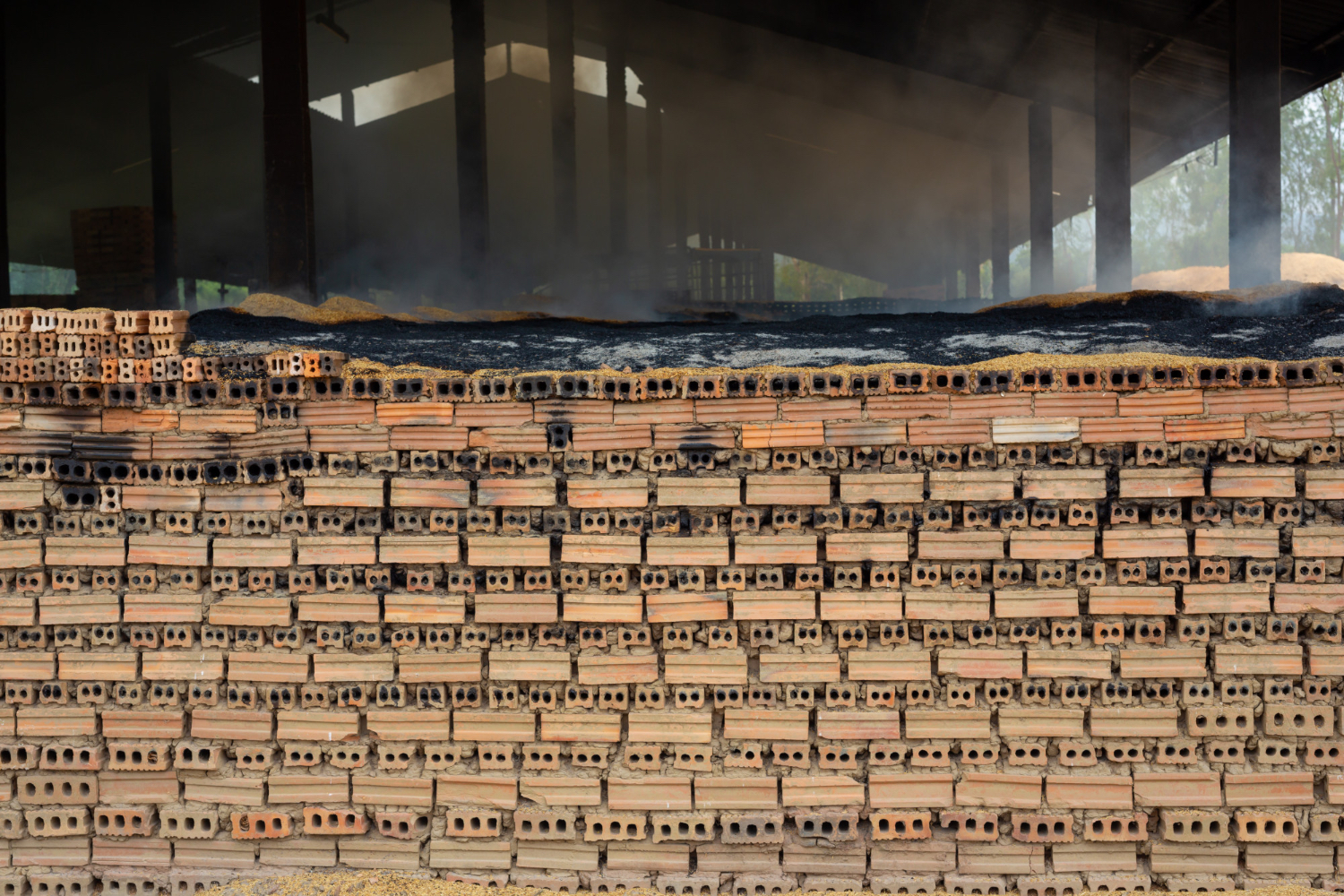
One of the most persistent reasons behind the price hikes is the continued instability in global supply chains. Many raw materials used in construction, such as steel, aluminum, and specialty glass, are imported from a handful of countries. Any disruption in shipping routes, port congestion, or trade restrictions can ripple through the entire industry.
Key supply chain issues affecting 2026 pricing include:
- Ongoing shipping delays at major international ports
- Reduced availability of raw ore and metals due to mining slowdowns
- Increased freight and fuel costs for transporting materials
- Trade tariffs and import restrictions in several major economies
Because so many building components rely on a long chain of suppliers, even a small delay at one point can cause price spikes further down the line.
2. Rising Demand for Accurate Cost Planning
As material prices become more unpredictable, developers are relying more heavily on data-driven budgeting to avoid costly surprises. This is where construction cost estimating services have become essential. Instead of guessing future material costs, contractors are turning to detailed estimating reports that track price trends, forecast fluctuations, and help teams lock in supplier contracts before prices climb further. Many project owners now partner directly with a construction estimating company to get this level of accuracy built into their planning from the very start, rather than compiling rough figures on their own.
This shift in demand itself has an interesting side effect: as more companies compete for accurate forecasting and bulk-purchase agreements, it puts additional pressure on suppliers to raise prices for smaller buyers who can’t commit to large-volume purchases. In other words, the search for cost certainty is, in part, reshaping how materials are priced across the market.
3. Energy Costs and Manufacturing Expenses

Manufacturing materials like cement, steel, and glass requires enormous amounts of energy. When energy prices rise, so does the cost of producing these materials. In 2026, energy markets will remain volatile due to:
- Fluctuating oil and natural gas prices
- Increased regulations on carbon emissions for manufacturers
- Higher electricity costs in industrial zones
- Transition costs as factories shift toward greener production methods
Manufacturers pass these added expenses directly on to buyers, so even a modest rise in energy prices can translate into a noticeable jump in material costs at the construction site.
4. Labor Shortages Driving Up Project Costs
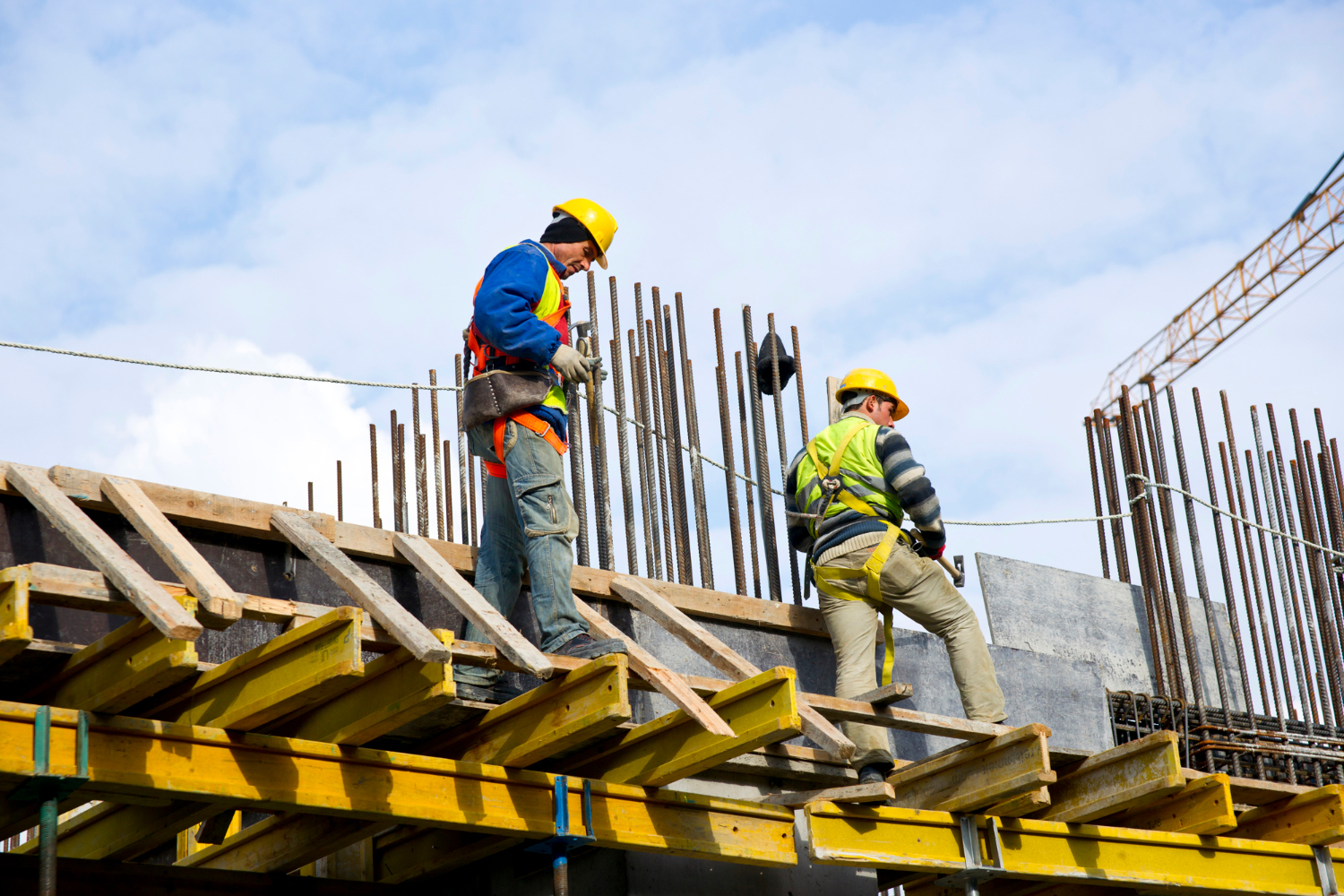
Material prices don’t exist in a vacuum; they are closely tied to the availability of skilled labor. A shortage of qualified workers leads to longer project timelines, increasing exposure to price volatility. When a project is delayed, contractors often have to repurchase materials at new, higher rates.
To manage this uncertainty, many construction companies are now working with estimating services companies to build more accurate labor and material forecasts into their budgets from the very beginning. These services help identify potential cost overruns early, allowing project managers to renegotiate supplier contracts or adjust timelines before losses pile up.
Labor shortages are being driven by:
- An aging workforce with fewer new tradespeople entering the industry
- Increased competition for skilled labor across infrastructure and housing projects
- Rising wages, which contractors must factor into overall project costs
- Training gaps in newer, more specialized construction techniques
5. Regulatory and Environmental Requirements
Stricter building codes and environmental regulations are also playing a role in rising costs. Many regions have introduced new energy-efficiency standards, sustainable sourcing requirements, and emissions limits for manufacturers. While these changes are beneficial for the environment, they often require costlier materials or more expensive production processes.
Some examples of regulation-driven cost increases include:
- Mandatory use of low-carbon concrete in certain regions
- Stricter insulation and energy-efficiency standards for new builds
- Higher compliance costs for manufacturers adopting sustainable practices
- Additional certification and testing requirements for imported materials
6. Inflation and Currency Fluctuations

Broader economic inflation continues to affect material costs in 2026. As the cost of living rises, so does the cost of producing, transporting, and selling construction materials. Currency fluctuations also play a role, especially for countries that import a large share of their raw materials. A weaker local currency makes imported goods more expensive, which directly impacts project budgets.
How Contractors and Developers Can Manage Rising Costs
While it’s impossible to control global material prices, there are practical steps project owners can take to minimize the impact:
- Lock in prices early through supplier agreements or bulk purchasing
- Use detailed estimating reports to forecast costs before committing to a budget
- Build contingency funds into every project to absorb unexpected price changes
- Source materials locally when possible to reduce shipping and tariff costs
- Stay updated on regulatory changes that could affect material requirements
Final Thoughts
The rise in construction material prices throughout 2026 is the result of several overlapping factors, from global supply chain issues and energy costs to labor shortages and stricter regulations. While these challenges make budgeting more difficult, they also highlight the growing importance of accurate cost forecasting and planning. Contractors and developers who invest time in understanding these market forces and who plan their projects with flexibility in mind will be far better positioned to manage costs and avoid unpleasant surprises as the year progresses.
Also Read: Material Buying Guide for Whole Home Renovations
FAQs – Construction Material Prices
1. Why are construction material prices increasing in 2026?
Construction material prices are rising because of supply chain disruptions, inflation, higher energy costs, labour shortages and stricter environmental regulations.
2. Which construction materials have seen the biggest price increases?
Steel, cement, timber, copper, aluminium and glass are among the materials experiencing significant price increases in 2026.
3. How do supply chain disruptions affect construction costs?
Shipping delays, higher freight charges and limited raw material availability increase procurement costs and lead to higher prices for builders and homeowners.
4. Can contractors reduce the impact of rising material prices?
Yes. Contractors can secure supplier agreements early, purchase materials in bulk, source locally where possible and use accurate cost estimates to improve budgeting.
5. Will construction material prices continue to rise?
Prices will depend on global economic conditions, energy markets, labour availability and supply chain stability, although continued fluctuations are expected throughout 2026.
Author & Expert Review
Written By:  Gaurav Mishra | Civil Engineer & Content Writer

| Credentials: B.E. (Mahavir Swami College, Surat), Registered with Bhagwan Mahavir University (BMU). Experience: Civil Engineer with 5+ years of content writing experience, currently writing impactful articles for Gharpedia, part of SDCPL. Expertise: Specializes in writing well-researched content on residential construction, construction materials, design planning, on-site practices, and safety, blending technical accuracy with everyday clarity. Find him on: LinkedIn |
Verified By Expert:  Shekhar J. Parikh Co Founder – Gharpedia | Director – SDCPL
 Shekhar J. Parikh Co Founder – Gharpedia | Director – SDCPL
This article has been reviewed for technical and execution accuracy by Shekhar J. Parikh, Director and Consulting Engineer at Sthapati Designers & Consultants Pvt. Ltd. With over 40 years of experience in civil engineering, project execution, and construction management across Gujarat and Maharashtra, he ensures the content reflects practical site knowledge, quality control standards, and industry best practices, while also supporting informed decision-making for property buy, sell, and rent considerations.
Find him on : Linkdin