



Table of Contents
Quick Summary
- Timber cladding is a popular exterior finish that enhances a home’s appearance, insulation, and value.
- Learn the key advantages, disadvantages, and expected lifespan of different timber cladding options.
- Understand the estimated installation costs in the UK, including labour, materials, and additional expenses.
- Explore UK fire safety regulations based on building height and compliance requirements.
- Discover essential maintenance practices such as annual inspections, cleaning, and periodic recoating to extend durability.
- Avoid common installation mistakes like poor ventilation, incorrect fixings, and delayed compliance checks.
- Compare timber cladding with composite and metal alternatives to choose the most suitable material for your home.
- Find answers to common homeowner questions about DIY installation, insurance implications, and sustainable timber sourcing.
Timber cladding is a popular desire for UK householders searching to decorate their home’s aesthetic, enhance thermal performance, and add cost to their property. Driven by advances in timber modification technology, a growing preference for natural materials in residential and commercial architecture, and the development of more sophisticated fixing and detailing systems, timber facades have moved from niche to mainstream across a wide range of building types and project scales.
For construction professionals, architects, and homeowners approaching timber cladding specification for the first time, few questions are consistently the most important: what are its pros and cons, what does it actually cost to install, what are the fire performance requirements that apply to the project? All these questions are answered in this blog.
Navigating the practicalities from timber cladding installation cost UK to fundamental fireplace regulations is critical for a profitable project.
1. Advantages and Disadvantages of Timber Cladding
Advantages:
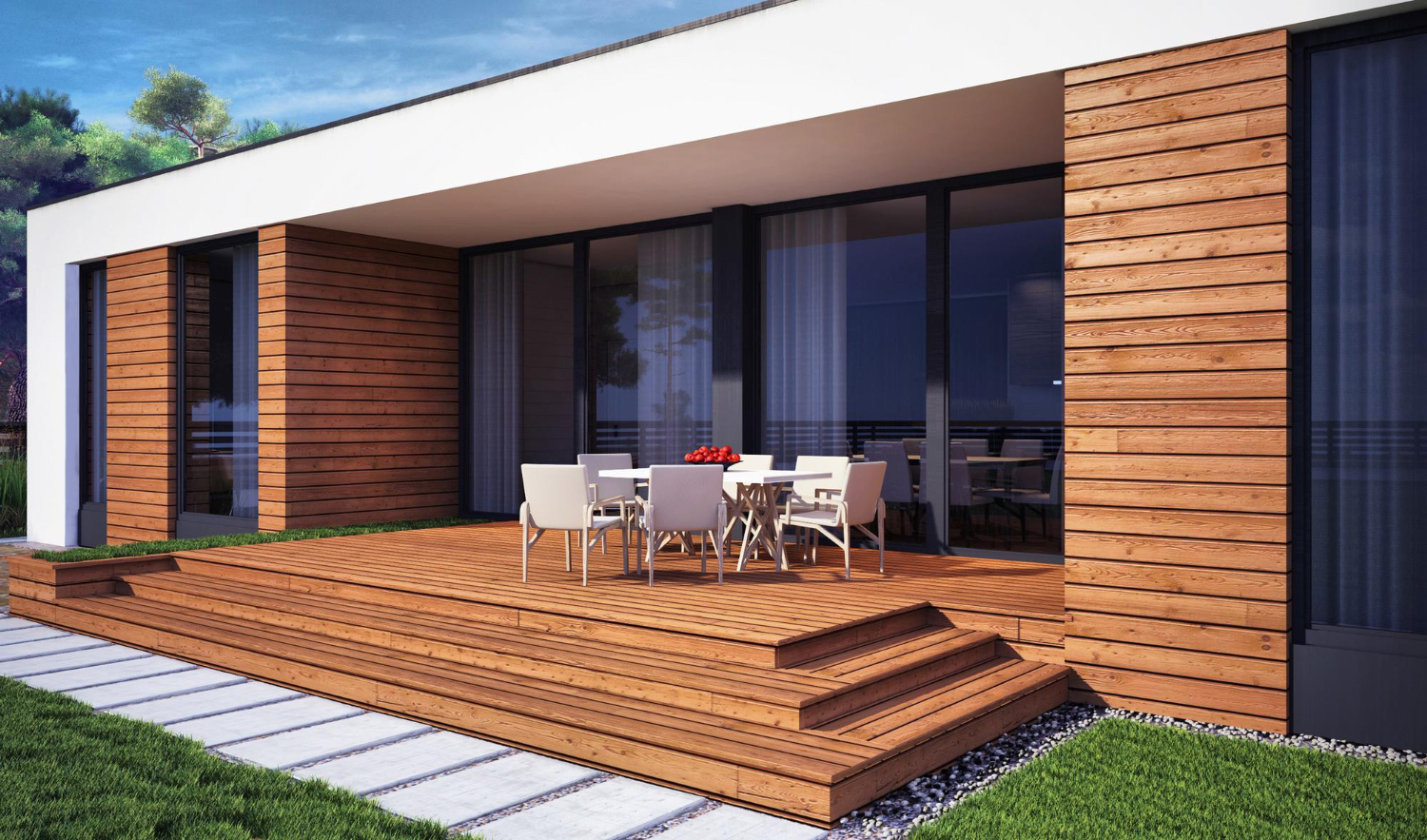
- Provides a natural timeless aesthetic
- Environmentally sustainable (when sourced responsibly)
- Notable versatility for each present day and typical styles
- Improves thermal insulation
Disadvantages:
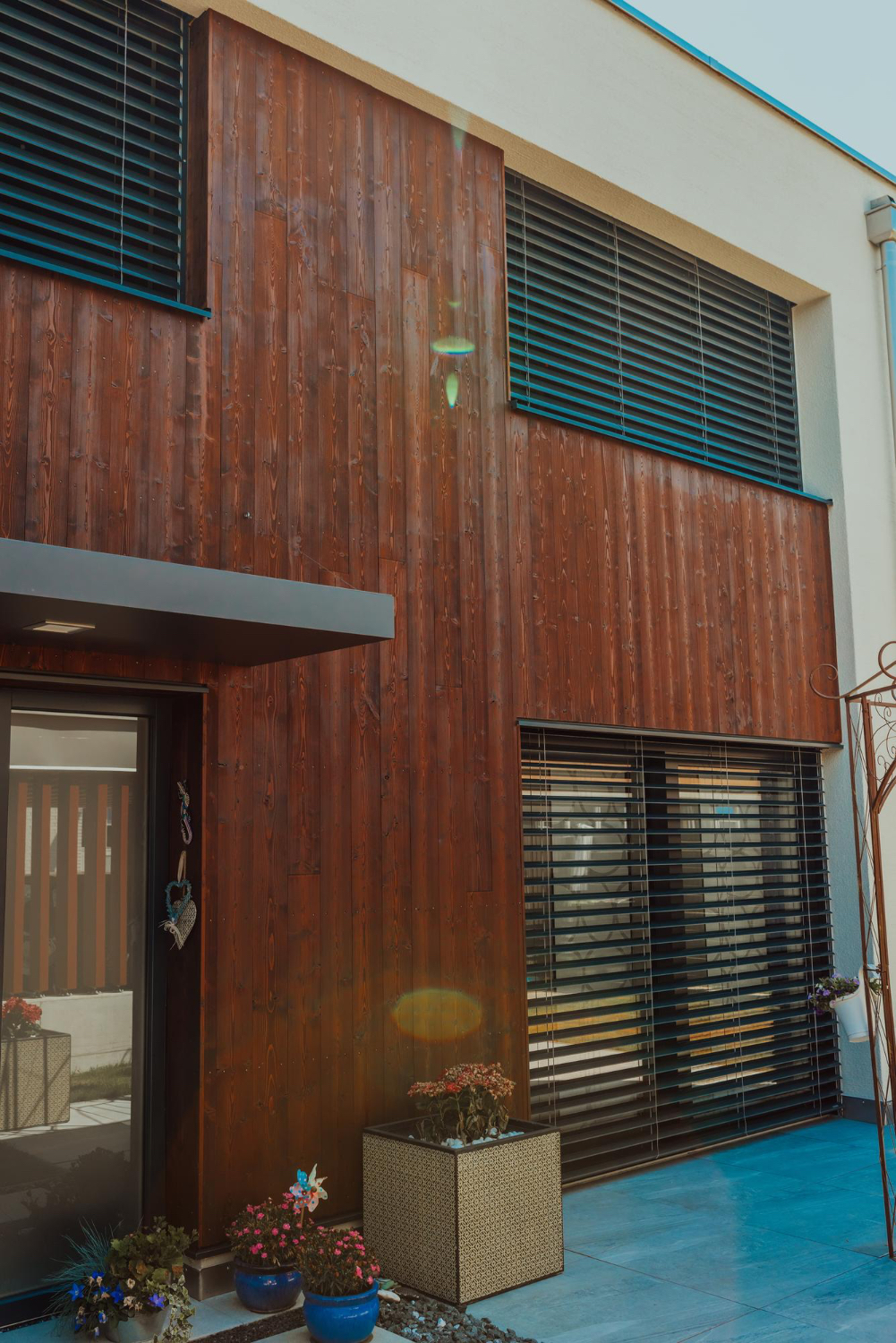
- Requires ongoing protection to stop rot or discolouration
- Prone to moisture ingress
- Expensive compared to other cladding materials
2. Maintenance and Lifespan
- Lifespan: With acceptable care, top-notch timber cladding (such as Siberian Larch or modified timbers) can ultimate 20 to 50 years.
- Maintenance Tips:
- Annual Inspection: Check for signs and symptoms of moisture, cracks, or free fixings.
- Cleaning: Use a gentle brush and water to take away debris.
- Re-coating: Depending on the finish, you may additionally want to re-apply oil or stain each 3 to 7 years to keep the wood’s integrity and appearance.
3. Installation Costs in the UK (2026 Estimates)
Installation expenses range drastically primarily based on the complexity of your home’s exterior.
- Labour: Typically levels from £30 to £70 per rectangular metre. Simple designs are at the decrease end, while designs with complicated window reveals, corners, or “hidden fixing” structures (which furnish a seamless look) are at the greater end.
- Materials: Basic softwood starts offevolved round £15 per rectangular metre, whilst top rate alternatives like charred or thermally modified timbers can fee £95 or extra per rectangular metre.
- Budgeting Tip: Always add an greater 10% to 15% for wastage and issue in the value of indispensable add-ons like breather membranes, battens, and fixings.
4. Fire Regulations for Homeowners
UK Building Regulations (specifically Approved Document B) dictate protection requirements primarily based on your home’s pitch and position. To ensure compliance, you must understand the fire rated timber cladding UK building regulations.
- Above 18 metres: Timber is normally now not approved as the main cladding material.
- 11 to 18 metres: You have to meet the Euroclass B-s1,d0 standard. This requires factory-applied, pressure-impregnated fire-retardant treatment. On-site software is normally now not ample for constructing manage compliance.
- Below 11 metres: Regulations are much less prescriptive, however you have to nonetheless affirm requirements with your nearby Building Control office, particularly if your domestic is shut to a neighbour’s boundary.
5. Common Mistakes to Avoid
- Ignoring Ventilation: Failure to deploy a desirable drainage cavity at the back of the boards leads to moisture buildup and rot.
- DIY Errors: Poorly hooked up fixings can purpose boards to warp or turn out to be unfastened over time.
- Late Compliance Checks: Always seek advice from Building Control earlier than finalizing your design. Discovering a fire-rating trouble throughout building motives big delays and greater costs.
6. Comparison: Timber vs. Other Materials
| Material | Aesthetic | Maintenance | Fire Safety |
| Timber | Organic/Natural | High | Requires treatment |
| Composite | Modern | Low | Generally better |
| Metal | Industrial | Low | Excellent |
Also Read: What Is Wall Cladding? Explore More to Uncover Its Pros & Cons
7. Frequently Asked Questions (FAQs)
Q1: Can I set up timber cladding myself?
A: While viable for easy projects, expert installation is strongly encouraged to make sure right fixing, ventilation, and fireplace compliance.
Q2: Does timber cladding have an effect on my domestic insurance?
A: Possibly. Your insurer may also ask about the hearth ranking of your cladding. Always make certain your chosen timber meets the integral constructing policies for your property kind to preserve your insurance plan valid.
Q3: Is timber cladding environmentally friendly?
A: Yes, furnished you supply timber with FSC or PEFC certification, making sure it comes from sustainably managed forests.
Disclaimer: This information is for education only. Always seek advice from with your nearby Building Control authority and a certified expert earlier than beginning any exterior domestic enhancements to make certain compliance with cutting-edge UK regulations.
Author & Expert Review
Written By:  Nidhi Patel | Civil Engineer & Content Writer

| Credentials: B.E. (Mahatma Gandhi Institute of Technical Education and Research Centre), Registered with Gujarat Technological University (GTU). Experience: Civil Engineer with 3+ years of content writing experience, currently writing blogs for Gharpedia, part of SDCPL. Expertise: Specializing in SEO-optimized blogs and long-form articles focused on home improvement, construction, interiors and architect topics. I create well-researched, reader-focused content that balances technical accuracy with clarity, making complex subjects easy to understand. Find her on: LinkedIn |
Verified By Expert:  Ravin Desai – Co Founder – Gharpedia | Co Founder – 1 MNT | Director – SDCPL

This article has been reviewed for technical accuracy by Ravin Desai, Co-Founder of Gharpedia and Director at Sthapati Designers & Consultants Pvt. Ltd. With a B.Tech. in Civil Engineering from VNIT Nagpur and an M.S. in Civil Engineering from Clemson University, USA, and over a decade of international and Indian experience in the construction and design consultancy sector, he ensures all technical content aligns with industry standards and best practices.
Find him on: LinkedIn