



Table of Contents
Quick Summary
- Vaulted roofs are elevated ceilings with arched or sloped designs that enhance spatial openness.
- They originated in ancient Roman and Gothic architecture and remain popular in modern homes.
- These roofs increase vertical space, making rooms feel larger and more airy.
- They allow better natural light through larger windows or skylights.
- Improved airflow enhances indoor comfort and ventilation.
- Common types include barrel, groin, rib, and fan vaults.
- Interior columns provide structural support and aesthetic balance.
- Material and lighting choices significantly impact the final look.
- Proper insulation and acoustics planning are essential.
- Vaulted roofs combine functionality with striking architectural appeal.
Vaulted roofs have stood the test of time as one of the most dramatic and visually captivating architectural features. Their soaring structure and open feel bring a sense of grandeur and lightness to both traditional and contemporary spaces. Originally popularised in ancient and medieval architecture, vaulted roofs have found a permanent place in modern home design of late and are often paired with sleek beams, recessed lighting, and elegant interior column design to create living spaces that are both functional and refined.
Their versatility allows them to adapt to various aesthetics, ranging from rustic charm to minimalist elegance. This makes them a compelling choice for homeowners and designers who seek architectural impact alongside practicality. In this blog, we explore the history, types, benefits, and design considerations of vaulted roofs.
What is a Vaulted Roof?
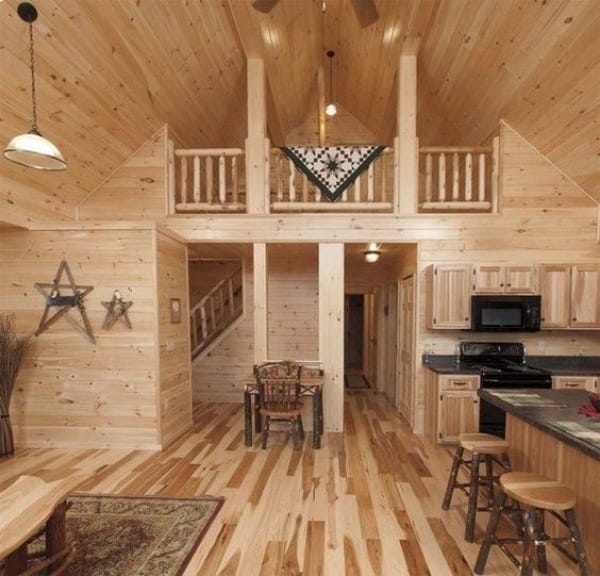
A vaulted roof is a ceiling design that rises above the standard flat height, forming an arch or sloped structure. Unlike conventional ceilings, it creates vertical expansion within a room, making the space feel larger and more breathable.
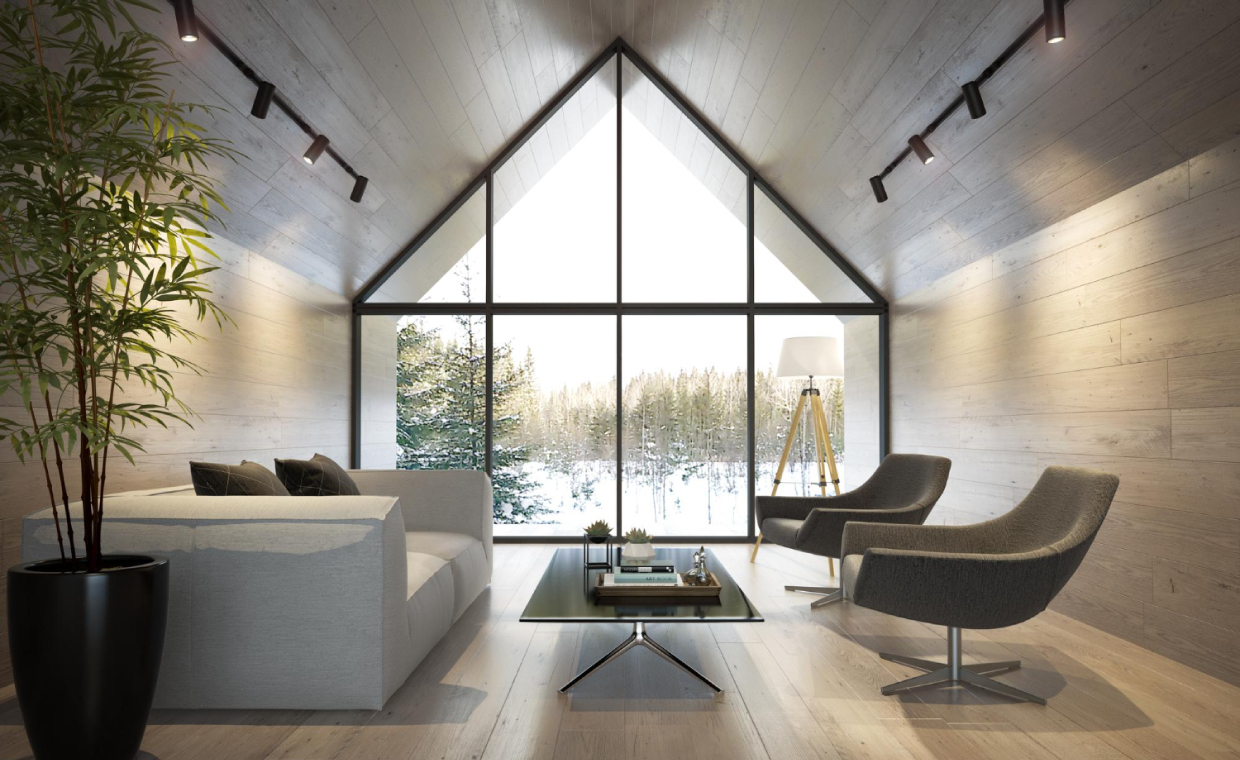
This design enhances natural light penetration, especially when combined with large windows or skylights. It promotes air circulation, making interiors feel less confined and stuffy and more comfortable and airier. Vaulted ceilings are suitable for both small and large spaces, adding depth and architectural character.
History and Evolution of Vaulted Roof Designs
The origins of vaulted roofs can be traced back to ancient civilisations, particularly in Roman and Byzantine architecture. Barrel vaults were common in large halls and public spaces, often constructed with stone or brick. As architectural techniques evolved, more complex forms such as groin and rib vaults emerged, enabling greater spans and decorative detail.
During the Gothic era, vaulted ceilings reached new heights, both literally and stylistically, with intricate fan vault roofs that were supported by elegant columns. In these structures, interior column design was used to transfer weight and introduce rhythmic beauty. In modern architecture, vaulted roofs continue to inspire designers by merging traditional craftsmanship with contemporary construction technologies. These advances have allowed for lighter materials, greater spans, and streamlined forms that align with today’s design sensibilities.
Key Benefits of Vaulted Roofs in Modern Architecture
Vaulted roofs are not simply decorative. They offer tangible advantages that align well with both functional and visual goals in contemporary building design.
- Increased vertical space enhances room volume and can make even compact rooms feel spacious.
- High ceilings allow for larger windows, clerestories, or skylights, improving access to natural light.
- Airflow is typically better in rooms with vaulted roofs, contributing to greater comfort.
- The visual impact of a vaulted ceiling can transform an ordinary room into an architectural feature.
- Integration with interior column design allows for both creative and practical expression in interior layouts.
Popular Types of Vaulted Roof Designs
Vaulted roofs come in a variety of types, differing in both aesthetic value and structure. This knowledge of the styles can help you understand which design will work best in your space.
Barrel Vault Roof
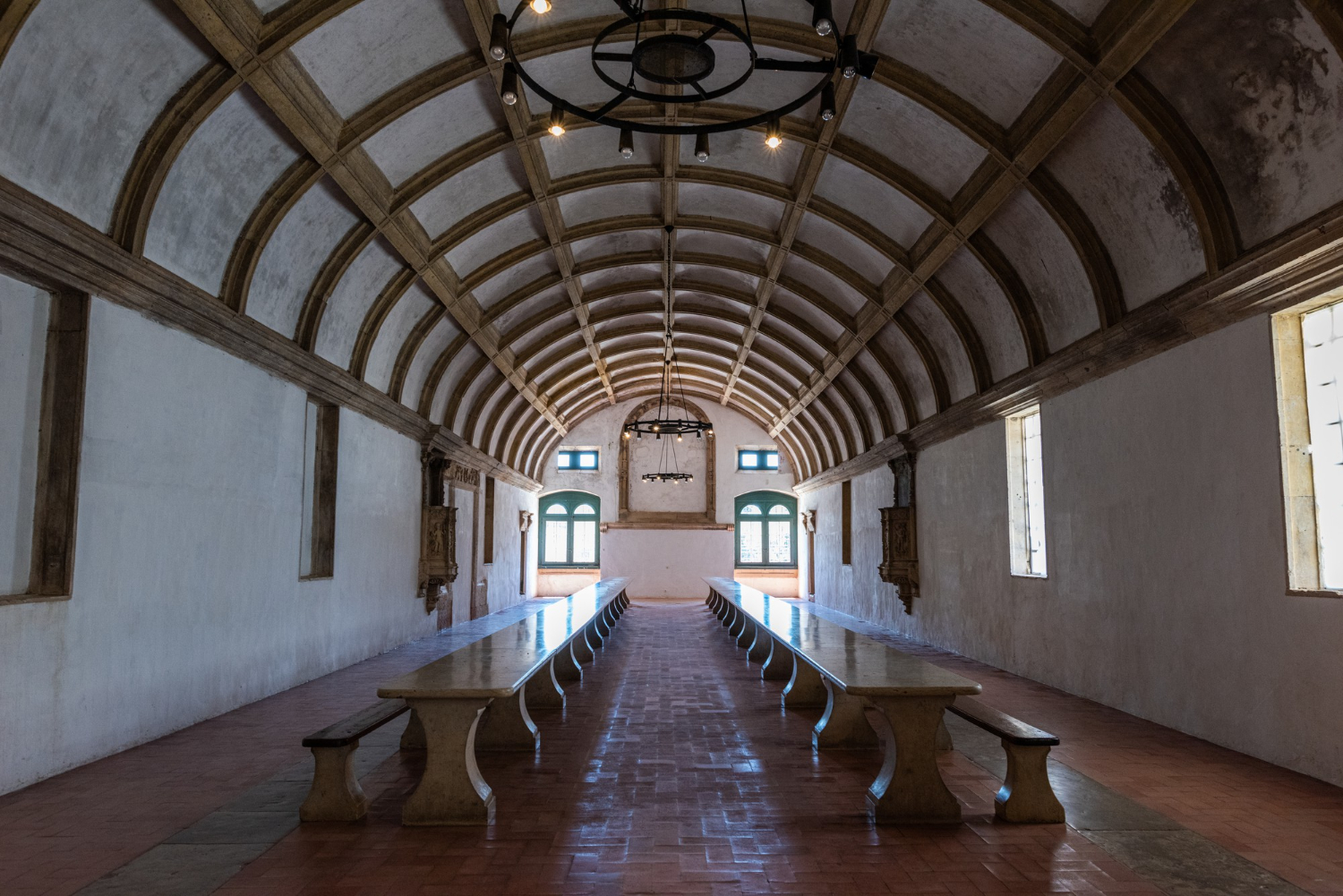
This is the simplest and the most conventional kind of vaulted roof. It resembles a continuous arch of tunnel. Barrel vaults are typically used in corridors, galleries, and long spaces. The repetition of the curve forms unity and creates a sense of flow. This ceiling can be enhanced or complemented with indoor column decor of the same kind to intensify the traditional appeal and bring balance into the area.
Groin Vault Roof
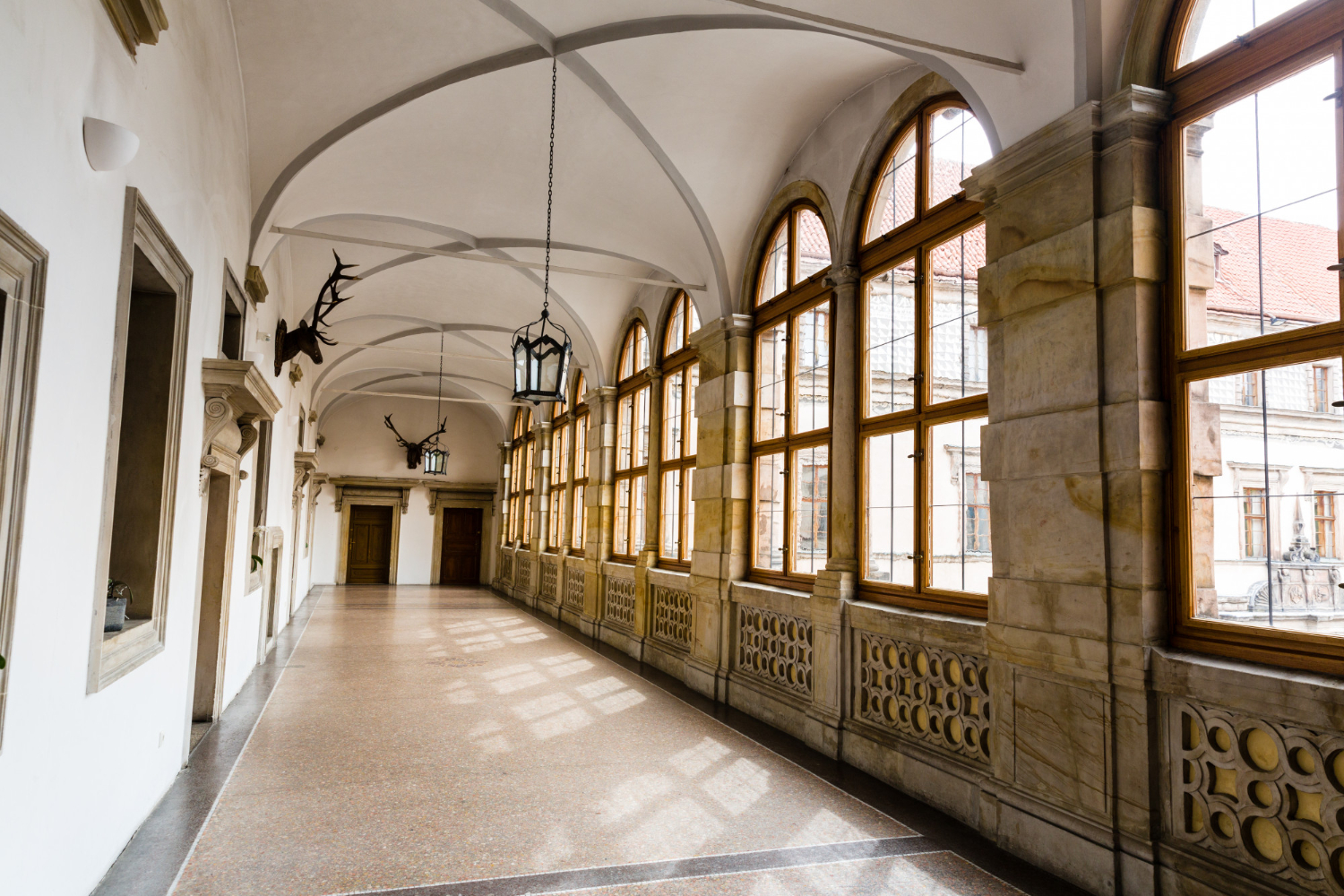
The groin vault is a more complex structure created by aligning two barrel vaults at right angles, and is a highly efficient method of distributing weight. The intersecting curves create a visually dynamic ceiling pattern.
Rib Vault Roof
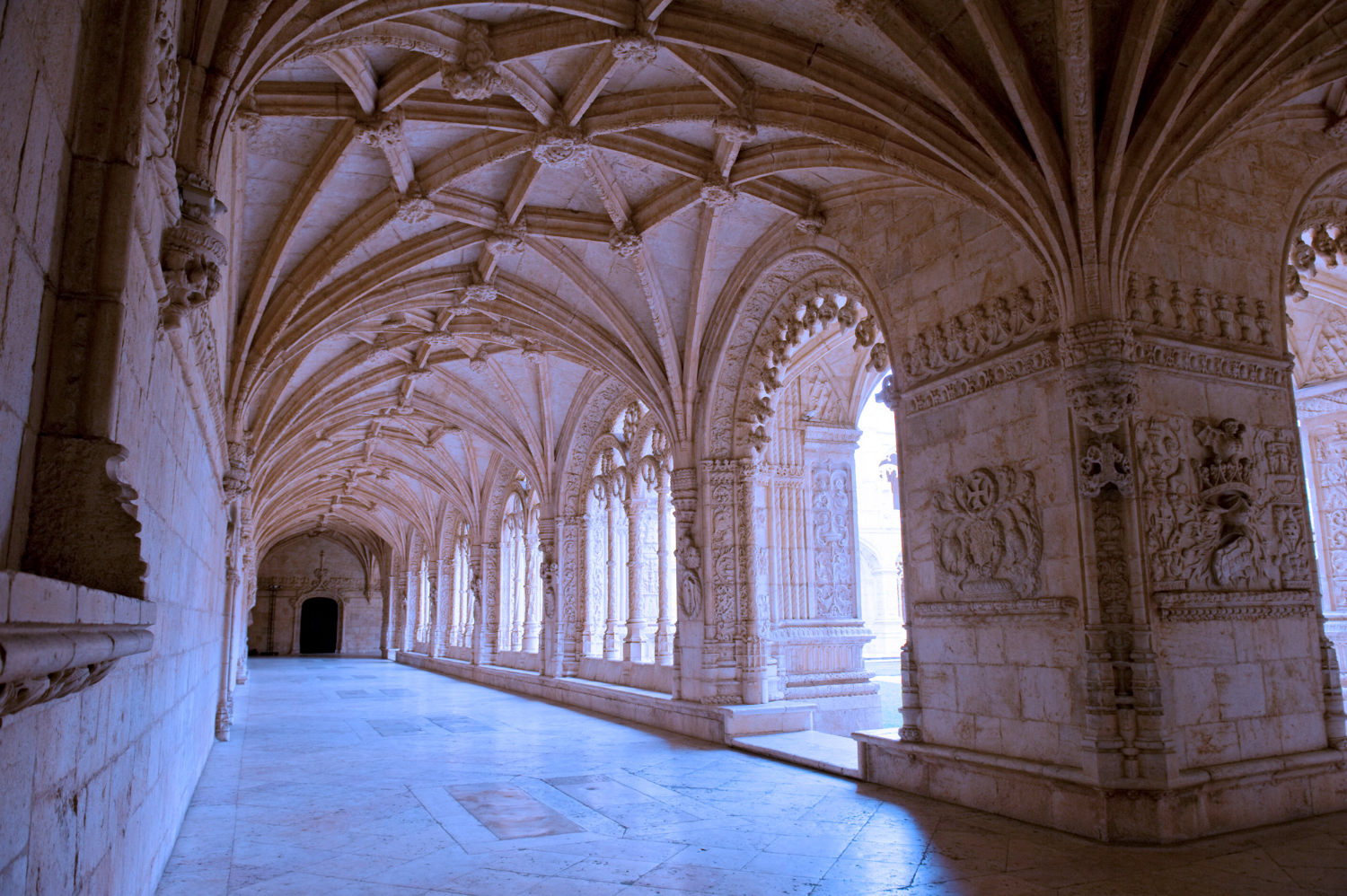
In an even more evolved version, rib vaults are characterised by a skeletal structure of arched ribs, which carry thinner panels between. Widely used in Gothic cathedrals, this design became popular for creating large and dramatic interiors. In modern spaces, rib vaults add pattern, depth, and visual interest to ceilings. The structural framework also enhances stability, giving the overall design a stronger and more cohesive appearance.
Fan Vault Roof
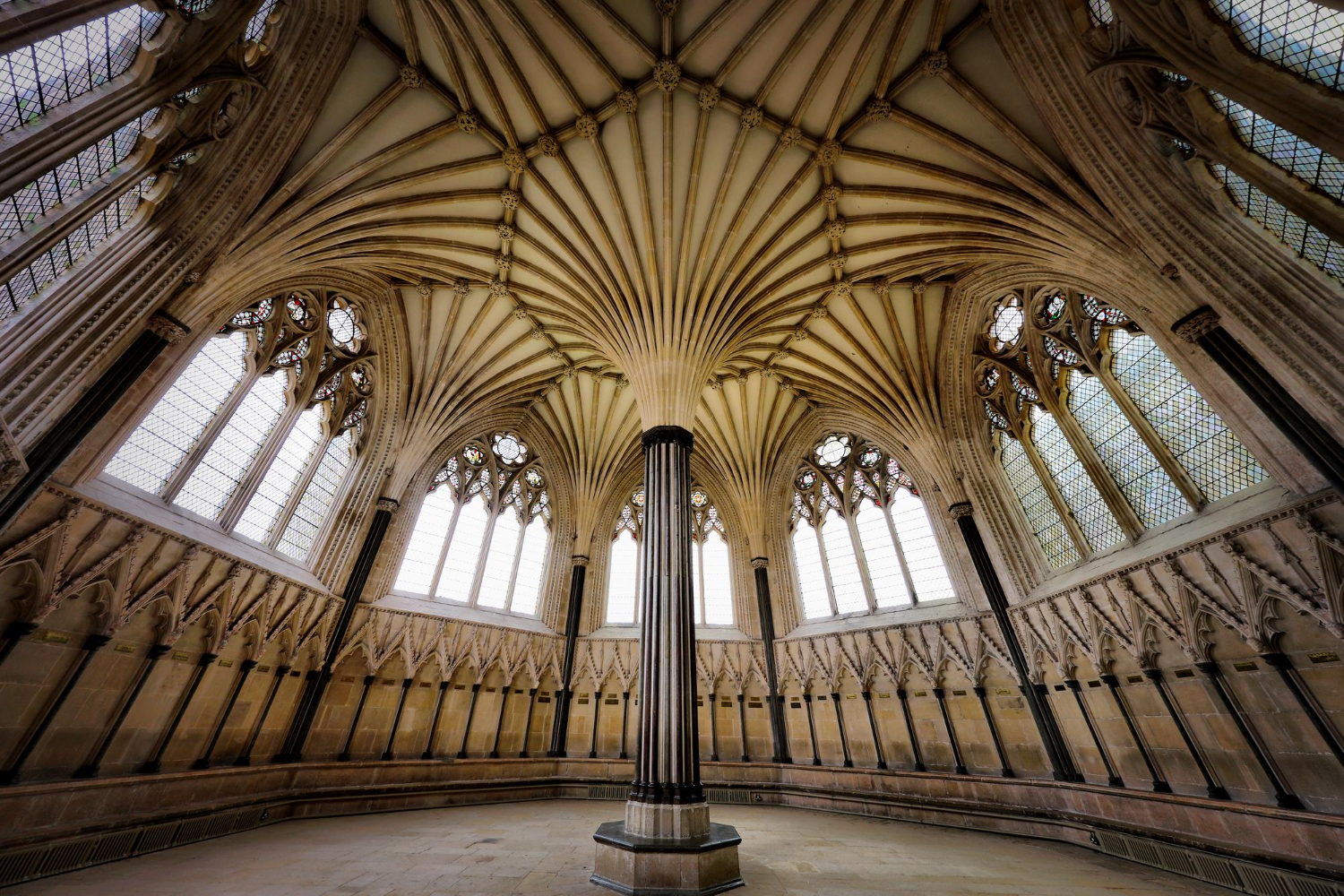
Fan vaults are among the most decorative vaulted ceiling structures. They consist of radiating ribs that branch out from central points. Such a design has the grandeur and symmetry typical of historic or ceremonial architecture. Simplified fan vaults can be applied in residential spaces, such as entrance halls or formal dining rooms, where elegance and order should be equal concerns.
Design Considerations for Vaulted Roofs
Incorporating a vaulted ceiling requires thoughtful planning to balance aesthetics with functionality. Some key factors to be considered are:
- Vaulted ceilings require support, which is achieved through beams or vertical structures. A sophisticated column design featured on the inside lends the room a sense of rhythm and helps create a balance in the structure.
- Exposed timber, steel, or plaster can dramatically alter the mood. The natural textures give warmth, and the smooth surfaces have a more minimalist feel.
- Lighting design plays a crucial role. Pendant lights, skylights and uplighting can enhance the height and highlight the architectural form.
- Acoustics are important, as larger ceilings can create an echo. Soft materials like wood finishes pr fabrics can help absorb sound.
- Proper insulation is equally important to maintain indoor temperature and energy efficiency, ensuring comfort throughout the year.
Vaulted roofs are timeless. They look good in traditional homes and in modern spaces. With so many benefits, vaulted ceilings are undoubtedly a lasting and worthwhile design choice. If you are planning to get a vaulted roof done in your home, you must read: How to Incorporate Vaulted Ceiling in Your Home Renovation
FAQs on Vaulted Roofs
01. What is the primary purpose of a vaulted roof?
A vaulted roof is used to increase vertical space, improve lighting, and create a dramatic architectural feature that enhances the overall experience of a room.
02. What are the most popular types of vaulted roof designs?
The most common styles include barrel vaults, groin vaults, rib vaults, and fan vaults. Each offers different structural benefits and aesthetic outcomes.
03. How do vaulted roofs improve the aesthetics of a building?
They add volume, create striking ceiling lines, and elevate the overall atmosphere of a space. Incorporating interior column design beneath vaulted roofs enhances their symmetry and elegance.
04. What maintenance practices ensure the longevity of vaulted roofs?
Regular inspections of beams, insulation, and finishes help prevent damage. Cleaning skylights, managing moisture, and maintaining joints also support the structure’s long-term integrity.
Author & Expert Review
Written By:  Nidhi Patel | Civil Engineer & Content Writer

| Credentials: B.E. (Mahatma Gandhi Institute of Technical Education and Research Centre), Registered with Gujarat Technological University (GTU). Experience: Civil Engineer with 3+ years of content writing experience, currently writing blogs for Gharpedia, part of SDCPL. Expertise: Specializing in SEO-optimized blogs and long-form articles focused on home improvement, construction, interiors and architect topics. I create well-researched, reader-focused content that balances technical accuracy with clarity, making complex subjects easy to understand. Find her on: LinkedIn |
Verified By Expert:  Ravin Desai – Co Founder – Gharpedia | Co Founder – 1 MNT | Director – SDCPL

This article has been reviewed for technical accuracy by Ravin Desai, Co-Founder of Gharpedia and Director at Sthapati Designers & Consultants Pvt. Ltd. With a B.Tech. in Civil Engineering from VNIT Nagpur and an M.S. in Civil Engineering from Clemson University, USA, and over a decade of international and Indian experience in the construction and design consultancy sector, he ensures all technical content aligns with industry standards and best practices.
Find him on: LinkedIn