




Table of Contents
Quick Summary
- Regular maintenance can help identify boiler, furnace and radiant heating problems before they become disruptive.
- Temperature monitoring is important when a vacation home remains vacant for several days or weeks.
- Plumbing protection can reduce the risk of frozen pipes and costly water damage.
- Outdoor systems, including snow melt systems, should also be checked before heavy snowfall.
- Vacant properties benefit from remote thermostat monitoring, regular inspections and local emergency support.
- Warning signs such as unusual noises, uneven heating and frequent shutdowns should be investigated promptly.
- System replacement may be considered when an ageing heating system becomes unreliable or requires frequent repairs.
Courtesy: Magnific
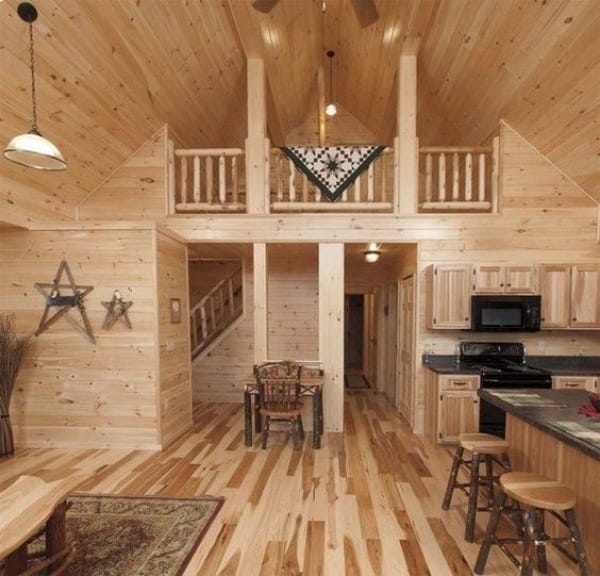
A vacation home in the Colorado mountains needs more than a good view and comfortable furniture. During winter, reliable heating is essential for protecting the property, keeping indoor spaces comfortable, and preventing cold-weather problems. Homes that sit empty for days or weeks can be especially vulnerable when temperatures drop.
Mountain weather can change quickly, and heating systems may have to work harder than they would in milder climates. Boilers, radiant heating systems, furnaces, and snow melt systems all need to be in good working condition before the coldest part of the season arrives.
For homeowners who spend only part of the year in the area, Heating Services & Boilers Breckenridge can help keep heating and boiler systems ready for the demands of a mountain property. Regular service can identify problems early and help ensure the system is prepared before the home is occupied.
Start With a Heating System Check
Courtesy: Magnific
Before arriving for a winter stay, homeowners should make sure the heating system is operating properly. A system that worked well during the previous season may still develop problems while the property is vacant.
A professional inspection can check the system’s overall condition, identify worn components, and look for signs of problems that could affect performance during the winter.
It is better to find an issue while the property is empty than to discover it after arriving on a freezing evening.
Do Not Ignore Unusual Heating Noises
Courtesy: Magnific
Strange sounds can be an early sign that something is wrong with a heating system or boiler. Banging, rattling, whistling, or repeated clicking may indicate a mechanical or system-related problem.
Not every unusual sound means the system is about to fail, but changes in normal operation should be checked. Addressing a smaller issue early may prevent a more disruptive heating problem later.
Keep an Eye on Indoor Temperatures
Courtesy: Magnific
Vacation homeowners may be tempted to turn the heating off completely while the property is empty. In a cold mountain climate, however, maintaining an appropriate indoor temperature can help protect the property.
Very low indoor temperatures can increase the risk of frozen pipes and other cold-weather damage. The right temperature setting depends on the property, heating system, insulation, and local conditions.
Homeowners should also consider using a thermostat that allows them to monitor or adjust the temperature remotely.
Protect the Plumbing System
Courtesy: Magnific
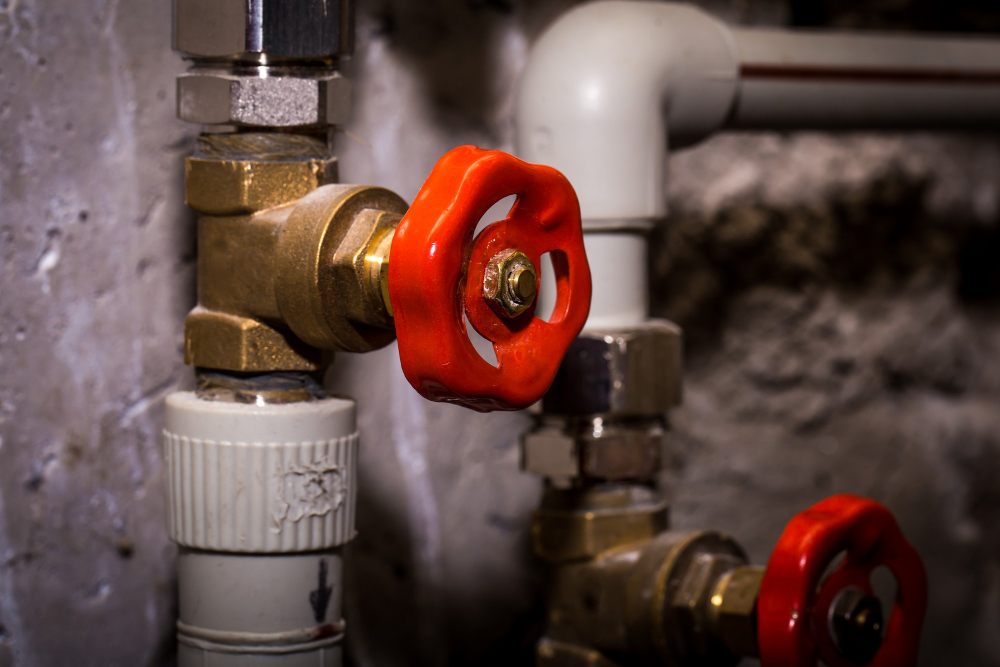
Heating and plumbing systems are closely connected when preparing a mountain home for winter. If a property is going to remain vacant during freezing weather, homeowners need to think about more than just keeping the living areas warm.
Frozen pipes can burst and cause significant water damage. Maintaining suitable indoor temperatures and having someone check the property regularly can help reduce the risk.
If the home will be vacant for an extended period, homeowners should also discuss winterization options with a qualified professional.
Schedule Boiler Maintenance Before Winter
Courtesy: Magnific
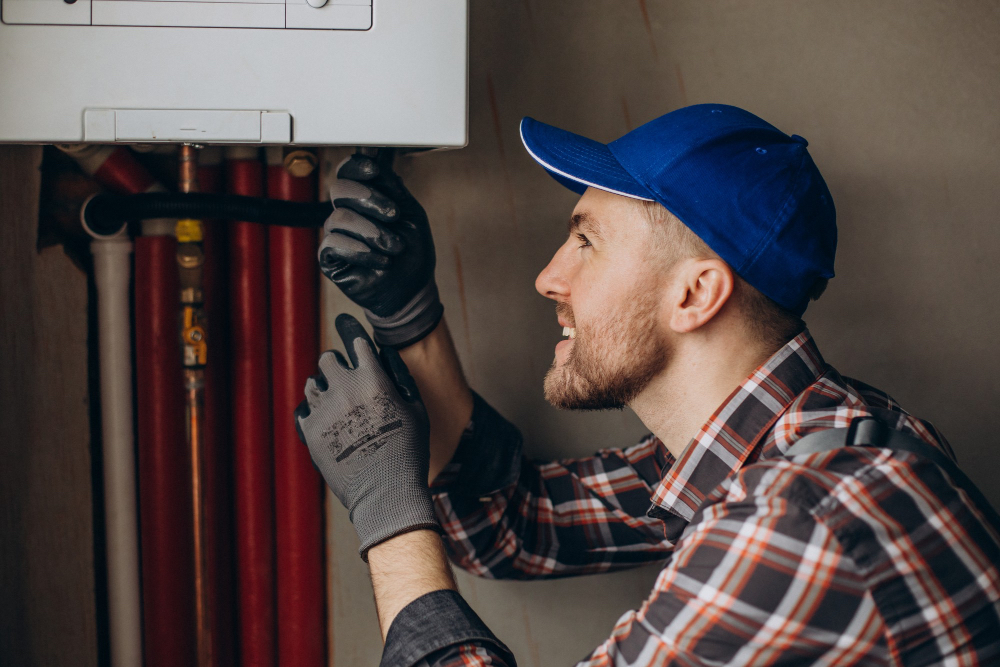
Boilers play an important role in many Colorado mountain homes. They may provide heat through radiators, baseboards, or radiant floor systems, depending on the property.
Regular maintenance gives a professional the opportunity to check the boiler, identify worn components, and make sure the system is operating as it should before the heating season becomes demanding.
Waiting until the system stops working during a winter cold snap can make the problem much more stressful, especially when the property is far from the homeowner’s primary residence.
Check Radiant Heating Systems
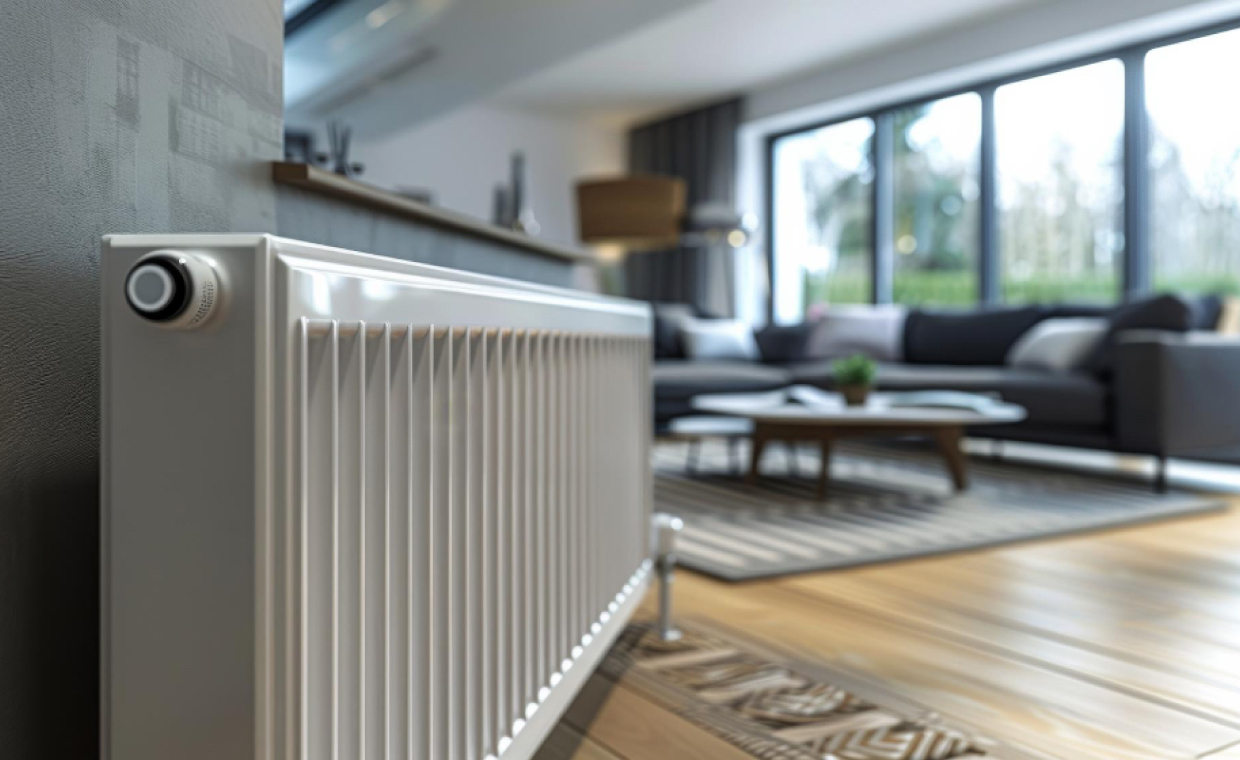
Radiant heating can provide comfortable, even warmth throughout a home, but the system still needs proper maintenance. Homeowners should pay attention to areas that feel unusually cold or rooms that no longer heat evenly.
If a radiant system is not performing as expected, there may be an issue with the boiler, controls, pumps, valves, or other components.
A professional can determine whether the problem is isolated to one area or part of a larger system issue.
Do Not Forget Snow Melt Systems
Courtesy: Magnific
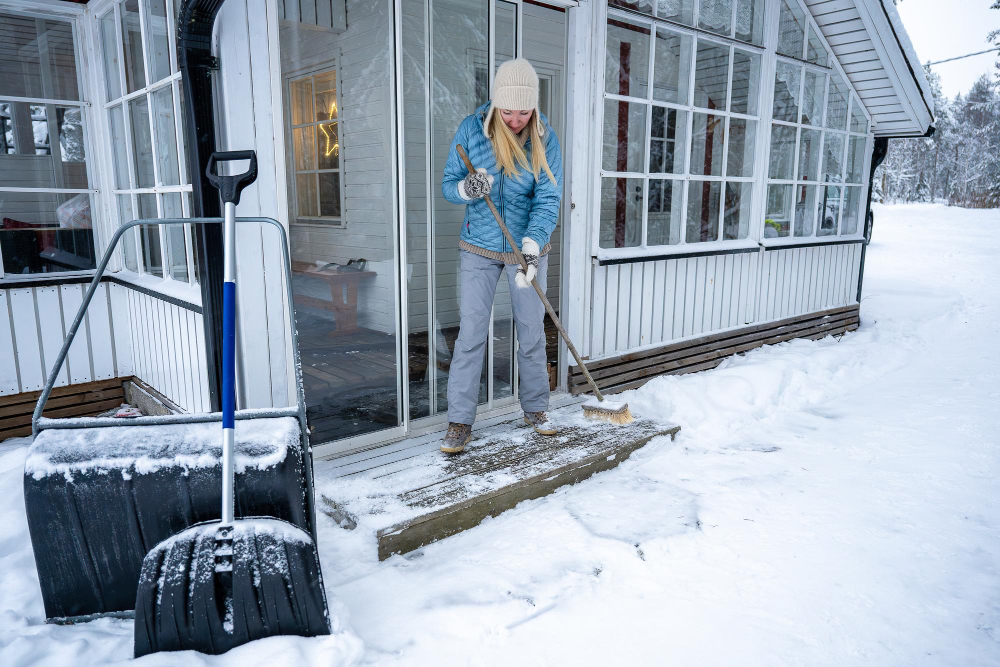
Some mountain properties use snow melting systems to help clear snow and ice from driveways, walkways, or other outdoor areas. These systems can be particularly useful during heavy snowfall, but they also need to be maintained.
Before winter arrives, homeowners should make sure the system is ready to operate and that controls are working properly. Problems are easier to address before a major snowstorm than after snow and ice have already accumulated.
Consider the Difference Between a Primary and Vacation Home

Courtesy: Magnific
A property that is occupied every day is managed differently from a vacation home that may sit empty for long periods. Heating systems in vacation properties need to be monitored even when nobody is there.
Homeowners should have a plan for regular inspections, thermostat monitoring, emergency contacts, and heating maintenance. It is also helpful to know how to maintain a vacation home when it is not occupied so heating and other systems continue to operate properly.
Having a local professional available can also make it easier to respond quickly if a heating issue develops while the homeowner is away.
Watch For Signs of a Heating Problem
Courtesy: Magnific
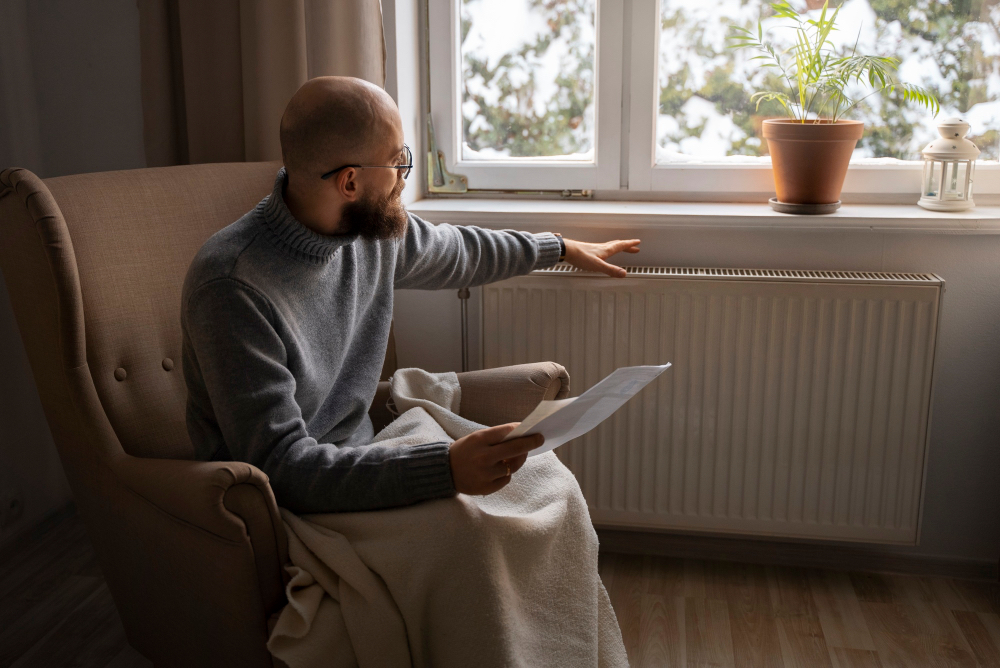
Some warning signs should never be ignored. These may include:
- Rooms that remain unusually cold
- A heating system that runs constantly
- Unusual noises or smells
- Uneven heating between rooms
- Unexpected increases in energy use
- Boiler pressure problems
- Frequent system shutdowns
- A thermostat that does not respond correctly
These symptoms can have different causes, so homeowners should avoid assuming that replacing one component will automatically solve the problem.
When Should You Replace a Heating System?

Courtesy: Magnific
Not every heating problem means the system needs to be replaced. In some cases, a repair or maintenance visit may be enough to restore normal operation.
However, an older system that requires frequent repairs or struggles to keep the property warm may be worth evaluating for replacement. A professional can compare the condition of the existing system with the cost and expected performance of a newer option.
For vacation homes, reliability should be an important part of the decision. A system that performs consistently can provide greater peace of mind when the property is occupied only part of the year.
Prepare Before the Cold Weather Arrives
The best time to deal with heating problems is before the coldest weather arrives. Scheduling maintenance early gives homeowners time to address repairs, replace worn components, or consider a replacement if necessary.
This is especially important for vacation properties in Breckenridge and nearby mountain communities, where winter conditions can place significant demands on heating systems.
A little preparation can help homeowners avoid arriving at a cold house or dealing with an unexpected heating failure during a winter stay.
Also Read: Best Tips for Choosing Local Furnace Installation Experts
Frequently Asked Questions – Vacation Home Heating
01. Should I turn off the heat when my vacation home is empty?
Completely turning off the heat during freezing weather can increase the risk of frozen pipes and other cold-weather problems. Maintaining an appropriate indoor temperature is generally safer, but the right setting depends on the property and its heating system.
02. How often should a vacation home’s heating system be serviced?
Annual maintenance is a good starting point for many heating systems. Properties that experience heavy seasonal use or have older equipment may benefit from more frequent inspections.
03. Why is my boiler making strange noises?
Banging, rattling, whistling, or other unusual sounds can have several causes. The issue could involve components, water circulation, pressure, or another part of the system. A professional inspection can determine the cause.
04. Can a heating system fail while a vacation home is empty?
Yes. Heating equipment can develop problems even when nobody is using the property. Remote thermostat monitoring and regular property checks can help identify problems sooner.
05. Do snow melt systems need maintenance?
Yes. Snow melt systems should be checked before the winter season to make sure the controls and system components are working properly. Regular maintenance can help prevent problems when the system is needed most.
06. When should I consider replacing my boiler?
A boiler may be worth replacing when it is older, requires frequent repairs, operates inefficiently, or no longer provides reliable heating. A professional can assess the system and explain whether repair or replacement makes more sense.
Courtesy - Featured Image(Magnific)
Author & Expert Review
Written By:  Gaurav Mishra | Civil Engineer & Content Writer

| Credentials: B.E. (Mahavir Swami College, Surat), Registered with Bhagwan Mahavir University (BMU). Experience: Civil Engineer with 5+ years of content writing experience, currently writing impactful articles for Gharpedia, part of SDCPL. Expertise: Specializes in writing well-researched content on residential construction, construction materials, design planning, on-site practices, and safety, blending technical accuracy with everyday clarity. Find him on: LinkedIn |
Verified By Expert: Farhan Shaikh – Senior Manager – Architect, SDCPL | Associate Member – IIA

This article has been reviewed for architectural and interior design accuracy by Farhan Shaikh, Senior Manager – Architect at Sthapati Designers & Consultants Pvt. Ltd. As the lead for all architectural and interior projects at SDCPL and an Associate Member of the Indian Institute of Architects (IIA), he brings hands-on experience in architectural planning, interior design, project coordination, and sustainable strategies. His review ensures the content reflects practical design considerations, industry best practices, and real-world applicability across both architecture and interior spaces.
Find him on : LinkedIn