




Table of Contents
Quick Summary
- Refresh bathroom walls by cleaning grout, replacing damaged sealant and using suitable moisture-resistant paint.
- Improve the bathroom’s appearance and functionality with modern LED lighting and well-positioned mirror lights.
- Address plumbing leaks, drainage issues and damp patches before starting cosmetic upgrades.
- Replace outdated taps, showerheads, cabinet handles and towel rails for a more contemporary finish.
- Maximise available space with mirrored cabinets, vanity drawers, floating shelves and practical hooks.
- Complete the makeover with fresh towels, bath mats, mirrors and carefully selected accessories.
- Prioritise essential repairs and moisture control to achieve a stylish bathroom without exceeding your budget.
Courtesy - Magnific
An old bathroom can feel tired even when everything still works perfectly well. Dated tiles, dull lighting, rusty-looking fixtures, and a mirror that has seen better days can make the whole room feel stuck in another decade. The good news? A bathroom makeover doesn’t automatically mean ripping out every tile, replacing the bathtub, or spending a small fortune on a renovation crew. A few smart changes can make the space look cleaner, feel more comfortable, and work better for everyday life. The trick is knowing where to spend money, what can be updated yourself, and which projects are better left to the professionals. With a little planning and a few savvy upgrades, that old bathroom can get a fresh look without turning the house into a construction zone for weeks.
Give the Walls a Fresh Start
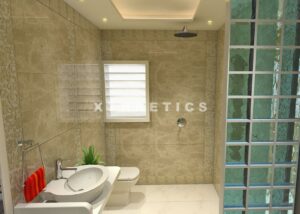
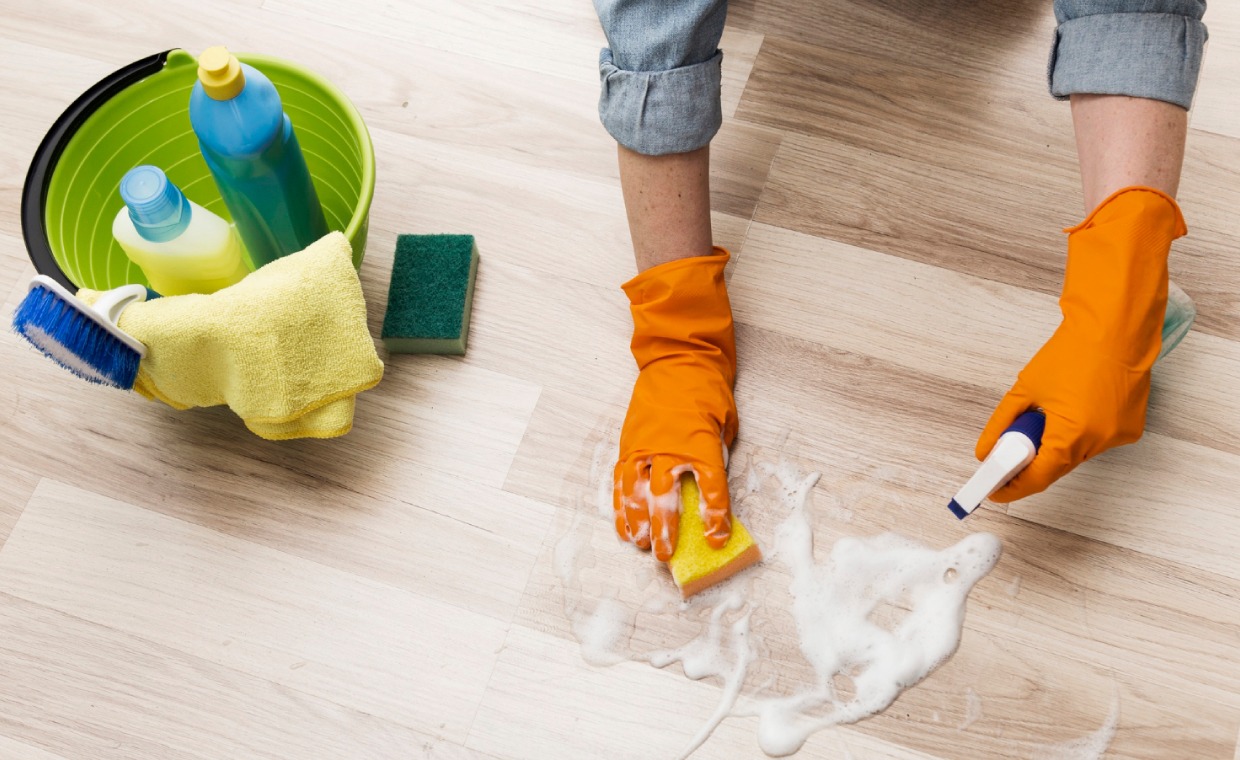
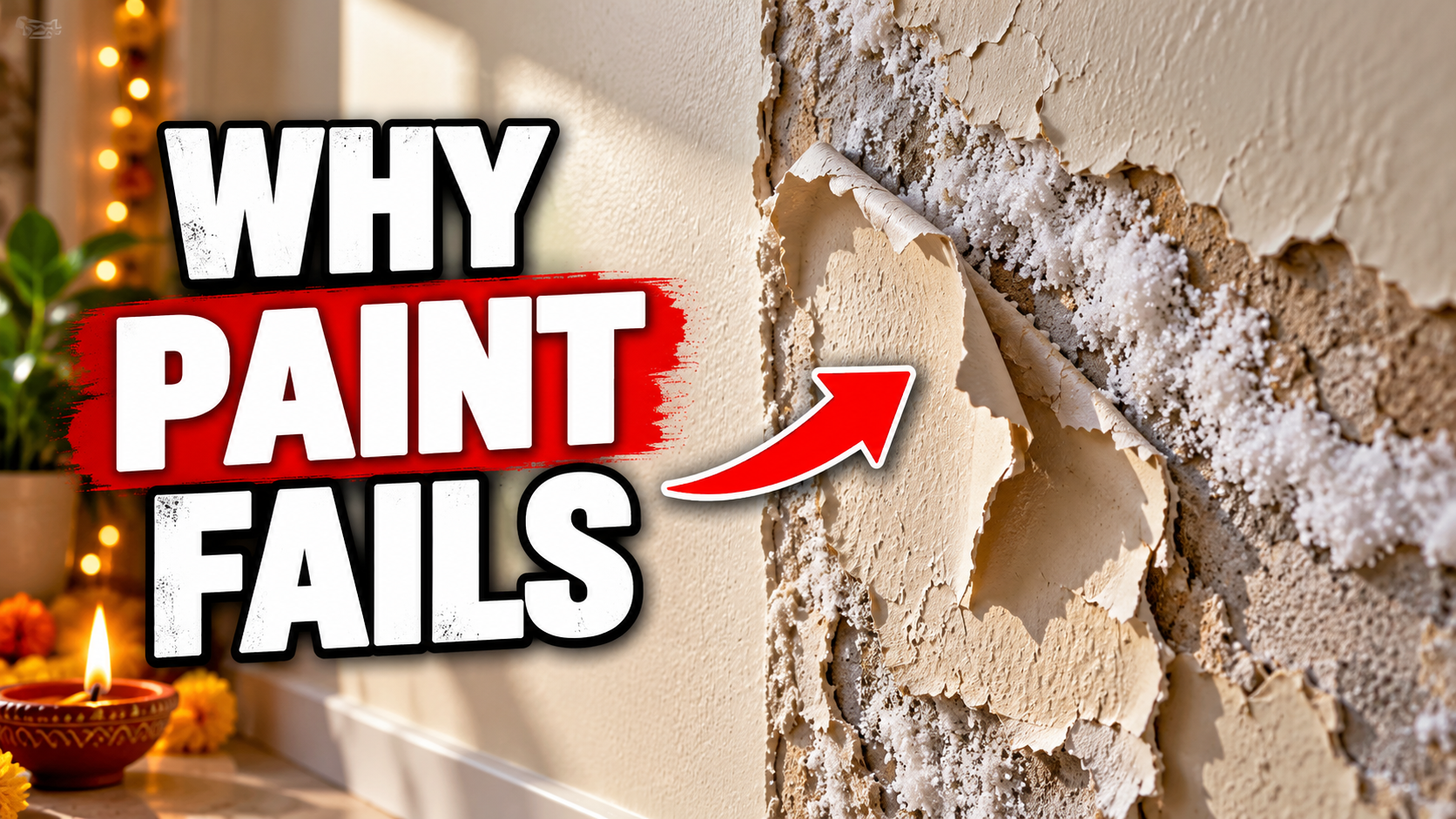
Before buying a single decorative accessory, take a good look at the walls. Old tiles can make a bathroom feel dated, especially when the colours are dark or the grout has become discoloured. If the tiles are still in good condition, replacing them may be unnecessary. Instead, clean the grout thoroughly, replace damaged silicone sealant, and consider painting suitable walls in a moisture-resistant bathroom paint. Tile paint is another option, provided the existing surface is sound and the product is designed for that application. For a bigger visual change, a new splashback or a feature wall can add personality without requiring every surface to be replaced. Soft whites, warm beige, sage green, and muted grey are versatile choices that work well with many bathroom styles. Just remember: peeling paint, loose tiles, or persistent dampness need proper attention before any cosmetic work begins. A pretty finish won’t fix a moisture problem.
Upgrade the Lighting (Because Nobody Needs Harsh Bathroom Lighting)
Courtesy - Magnific
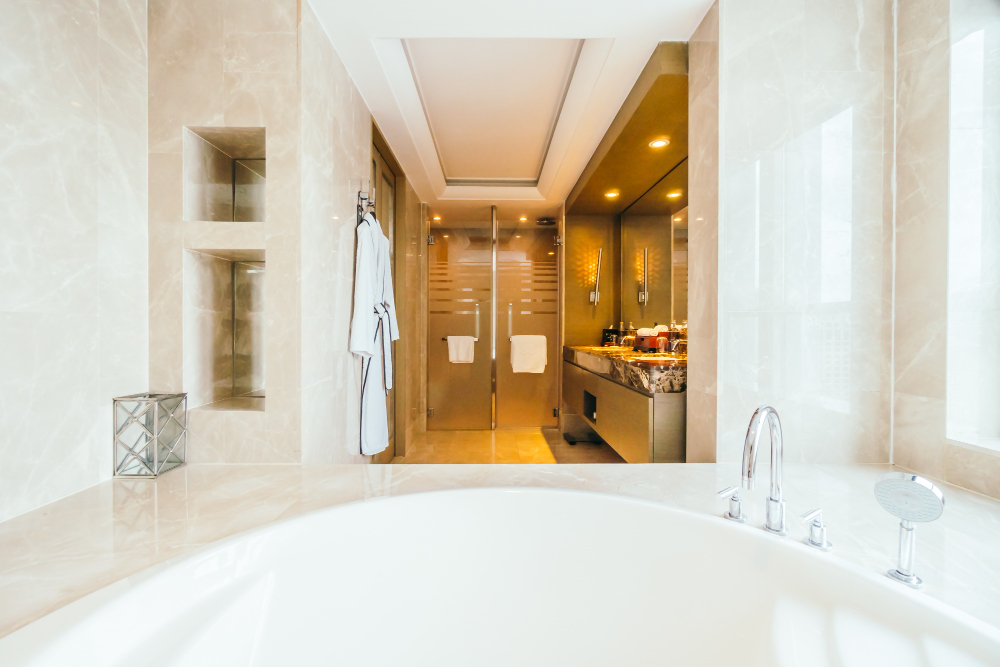
Lighting has a huge influence on how a bathroom looks and feels. A single ageing ceiling light can leave the room looking flat, particularly if there are no windows. Replacing an outdated fitting with a modern, energy-efficient LED option is a relatively simple way to refresh the space. If the budget allows, consider adding suitable lighting around the mirror to make everyday tasks such as shaving or applying makeup easier. Warm or neutral white lighting can create a more comfortable atmosphere, while brighter, well-positioned task lighting helps with visibility. Always choose fittings rated for the bathroom’s moisture conditions, and have a qualified electrician handle installation where required. This isn’t the place for questionable DIY experiments with electricity and water. The goal is a bathroom that looks good in the evening and still provides practical lighting when it’s time to get ready for work.
Call in the Pros Before Small Leaks Become Big Problems
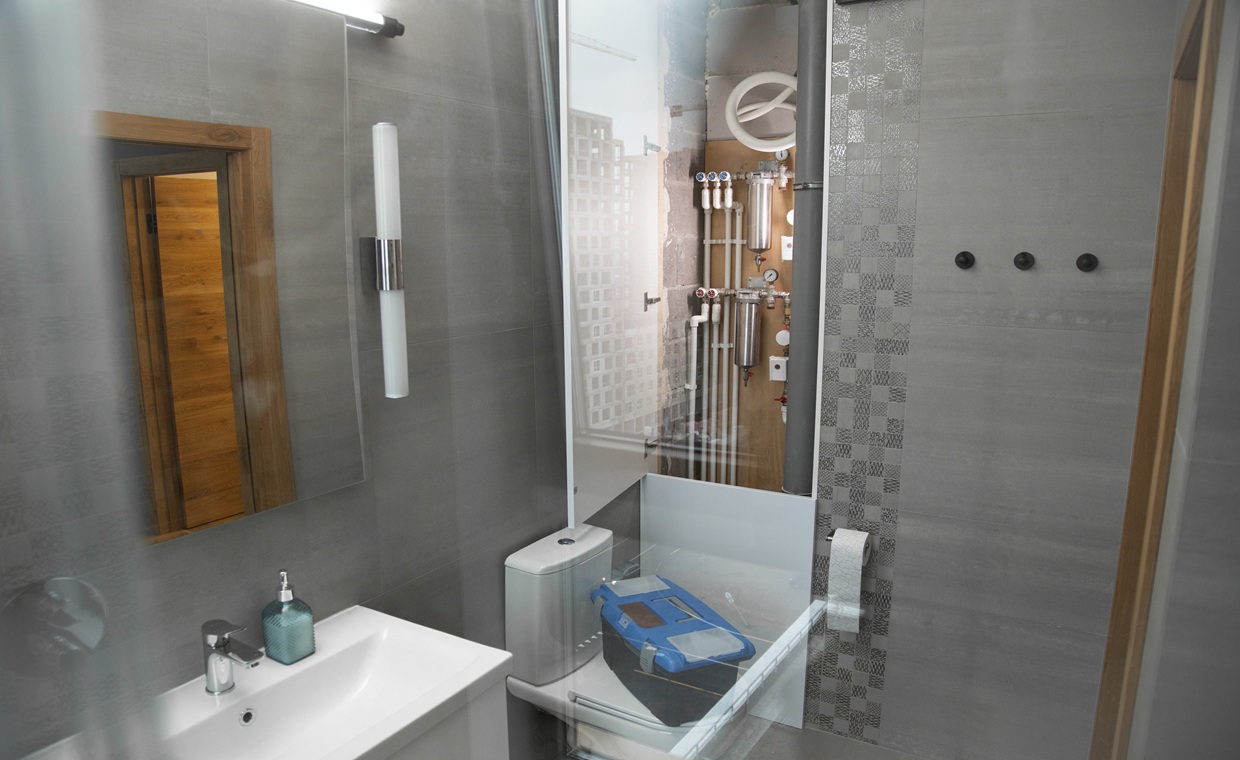
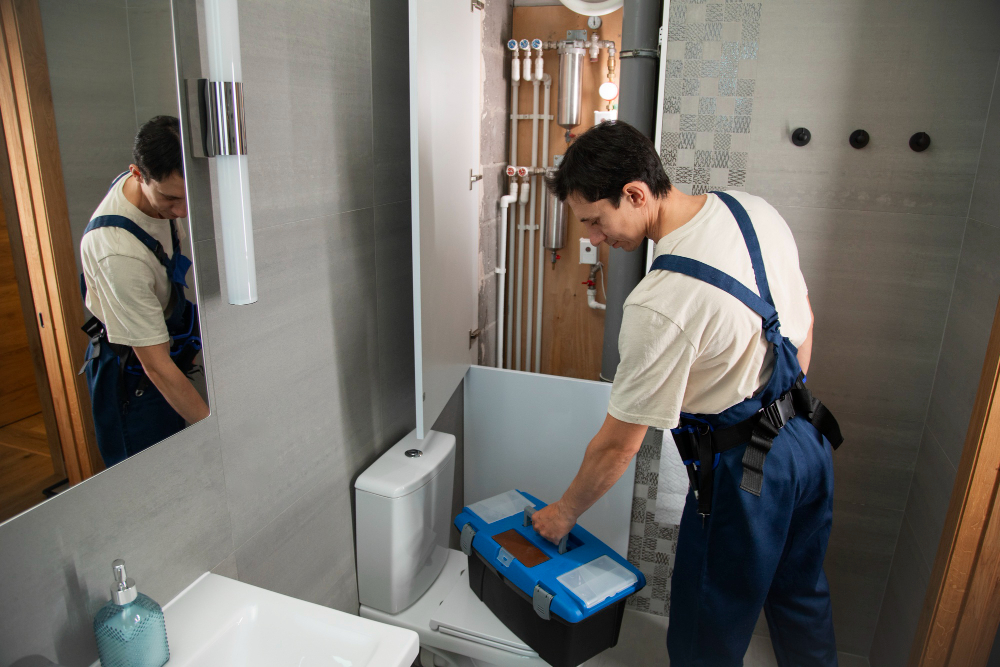
A bathroom makeover is the perfect opportunity to check whether everything behind the scenes is working as it should. A dripping tap, slow drain, loose connection, or persistent damp patch might seem like a minor annoyance, but ignoring plumbing issues can lead to water damage and expensive repairs. Experienced plumbers from Sydney can inspect problem areas, repair leaks, replace worn components, and advise whether ageing pipework needs attention. If the bathroom is being renovated more extensively, it’s also worth discussing the layout before moving a toilet, shower, or basin. Changing the position of these fixtures can involve additional pipework and drainage adjustments, making the project more complicated than a simple cosmetic update. Keeping the existing layout can often reduce the amount of work involved. And please, don’t cover a suspicious stain with fresh paint and declare victory. Find the cause of the moisture first, then focus on making everything look lovely.
Swap the Fixtures for an Instant Style Upgrade
Courtesy - Magnific
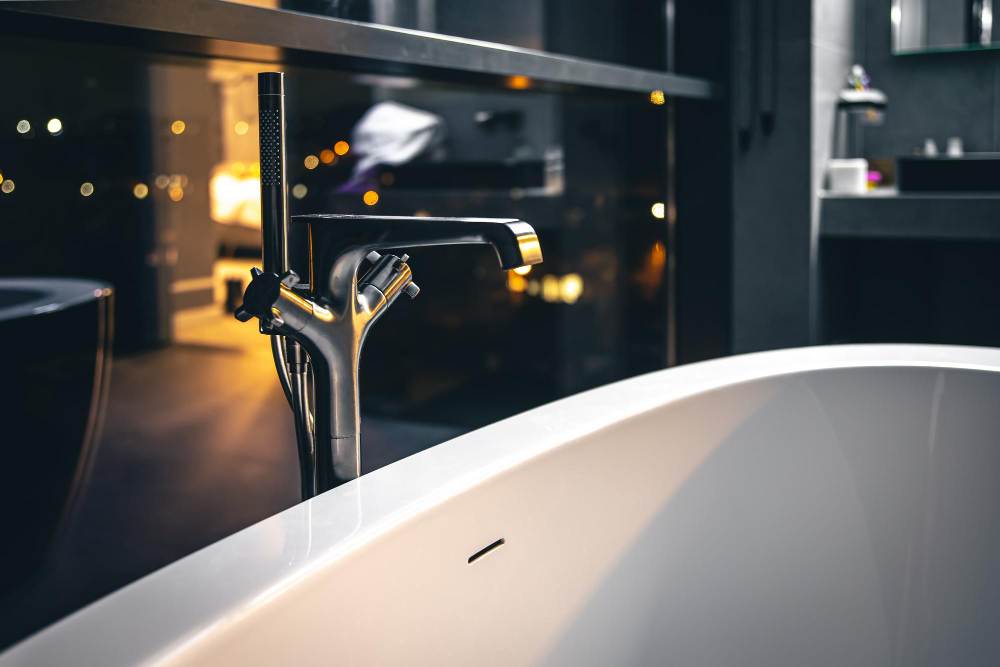
Old taps, showerheads, cabinet handles, and towel rails can make an otherwise decent bathroom look dated. Fortunately, these smaller details are often easier to replace than major fixtures. A coordinated finish, such as brushed nickel, chrome, or matte black, can make the room feel more considered without requiring a complete redesign. The key is consistency rather than matching every single item perfectly. For example, a new basin tap paired with a modern mirror and simple cabinet handles can create a noticeable improvement. Before purchasing replacements, check the dimensions, mounting style, and compatibility with existing plumbing. A bargain tap isn’t much of a bargain if it doesn’t fit. It’s also worth choosing showerheads and taps with water efficiency in mind, particularly if reducing water consumption is a priority. Small upgrades can deliver a surprisingly polished result when they’re chosen with the overall design in mind.
Make Storage Work Harder
Bathrooms collect clutter at an impressive rate. Between skincare products, towels, cleaning supplies, and all those little bottles that somehow multiply, even a spacious room can quickly feel cramped. Better storage can solve much of the problem without changing the bathroom’s footprint. A mirrored cabinet provides storage while serving a practical purpose, and a vanity unit with drawers can keep everyday essentials out of sight. Floating shelves are useful for items that need to stay accessible, while hooks behind the door can make better use of otherwise wasted space. In smaller bathrooms, choose furniture that fits comfortably without blocking movement or access to fixtures. Moisture-resistant materials are especially important because bathrooms experience regular changes in humidity. Keep frequently used products within easy reach, store backups elsewhere, and resist the temptation to fill every empty shelf. The aim is a room that feels organised, not a display cabinet for every product ever purchased.
Refresh the Finishing Touches
Courtesy – Magnific
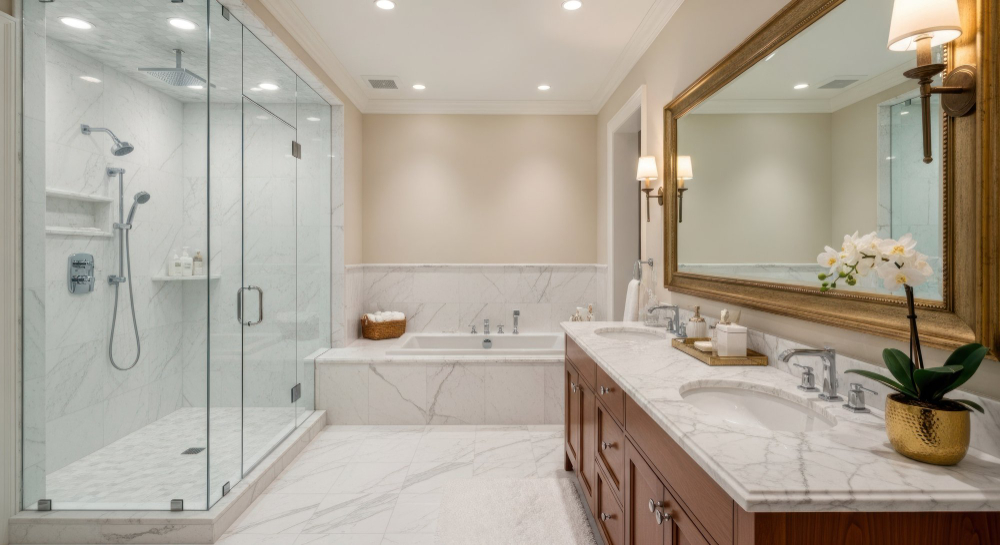
Once the practical improvements are sorted, it’s time for the fun part. New towels, a fresh bath mat, a simple shower curtain, and a few carefully chosen accessories can bring the whole room together. If the bathroom feels cold or sterile, introduce texture through cotton towels, wooden accessories suitable for humid environments, or a small plant that tolerates the available light and moisture. A new mirror can also change the room’s appearance, especially if the existing one is small or dated. Keep the colour palette relatively simple, then introduce one or two accent colours for interest. You don’t need matching sets of everything or expensive designer accessories to turn your bathroom into a relaxing oasis. Choose items that are easy to clean and won’t deteriorate quickly in damp conditions. And if the room is already small, leave some surfaces clear. A little breathing room makes the bathroom easier to use and much easier to maintain.
A Better Bathroom Doesn’t Have to Mean a Bigger Budget
Upgrading an old bathroom is really about making smart decisions in the right order. Start with repairs and moisture problems, then tackle the changes that will have the biggest impact on appearance and everyday comfort. When major plumbing or electrical work is involved, bring in qualified professionals rather than risking costly mistakes. Most importantly, choose improvements that suit the room, the budget, and the way the household actually uses the space. A bathroom doesn’t need to look like a luxury hotel to feel modern and inviting. Sometimes, a handful of thoughtful updates is all it takes to make the morning routine a little more enjoyable.
Also Read: Modern Home Renovation Ideas to Improve Comfort and Functionality
FAQs – Upgrading an Old Bathroom
Q1. How can I upgrade an old bathroom on a budget?
You can upgrade an old bathroom affordably by repainting suitable walls, refreshing grout, replacing outdated taps, improving lighting and adding practical storage. New towels, mirrors and accessories can also make a noticeable difference without requiring a complete renovation.
Q2. What is the easiest way to make an old bathroom look modern?
Replacing dated fixtures, installing contemporary lighting, choosing a coordinated colour scheme and adding a modern mirror are effective ways to give an old bathroom a fresh appearance.
Q3. Can I paint old bathroom tiles instead of replacing them?
Yes, you can paint existing bathroom tiles using a suitable tile paint if the tiles are firmly attached and the surface is properly prepared. However, painting is not a solution for loose tiles, persistent dampness or damaged waterproofing.
Q4. How can I make a small bathroom feel more spacious?
Use mirrored cabinets, floating shelves, wall-mounted storage and light colours to create a more open appearance. Keeping worktops clear and choosing appropriately sized furniture can also improve the available space.
Q5. When should I hire a professional for a bathroom upgrade?
Hire a qualified professional for persistent leaks, damaged pipework, drainage problems, electrical installations and significant plumbing alterations. Addressing these issues before cosmetic improvements helps prevent further damage and unexpected repair costs.
Courtesy - Featured Image(Magnific)
Author & Expert Review
Written & Verified By:  Farhan Shaikh – Senior Manager – Architect, SDCPL | Associate Member – IIA

| Credentials: Senior Manager – Architect at Sthapati Designers & Consultants Pvt. Ltd. and Associate Member of the Indian Institute of Architects (IIA). Experience: Architect with hands-on experience leading architectural and interior design projects at SDCPL, including architectural planning, interior design, project coordination, and sustainable design strategies. Expertise: Specializing in architectural planning, interior design, project coordination, and sustainable design. He reviews content to ensure it reflects practical design considerations, industry best practices, technical accuracy, and real-world applicability across architecture and interior spaces. Find him on: Linkedin |