






Table of Contents
Quick Summary
- Flooring is a significant investment, so choosing the right cleaning method helps protect its appearance and extend its lifespan.
- Different materials have unique needs regarding moisture, heat, and surface abrasion ranging from delicate hardwood and laminate cores to water-resistant luxury vinyl and porcelain tiles.
- Choosing a proper floor maintenance strategy for different floor types involves evaluating modern options like cordless wet-dry vacuums and steam cleaners alongside traditional mops.
- Specialized approaches are necessary for unique scenarios, such as managing pet hair, avoiding abrasive grit damage, and protecting unsealed natural stone or moisture-sensitive wood.
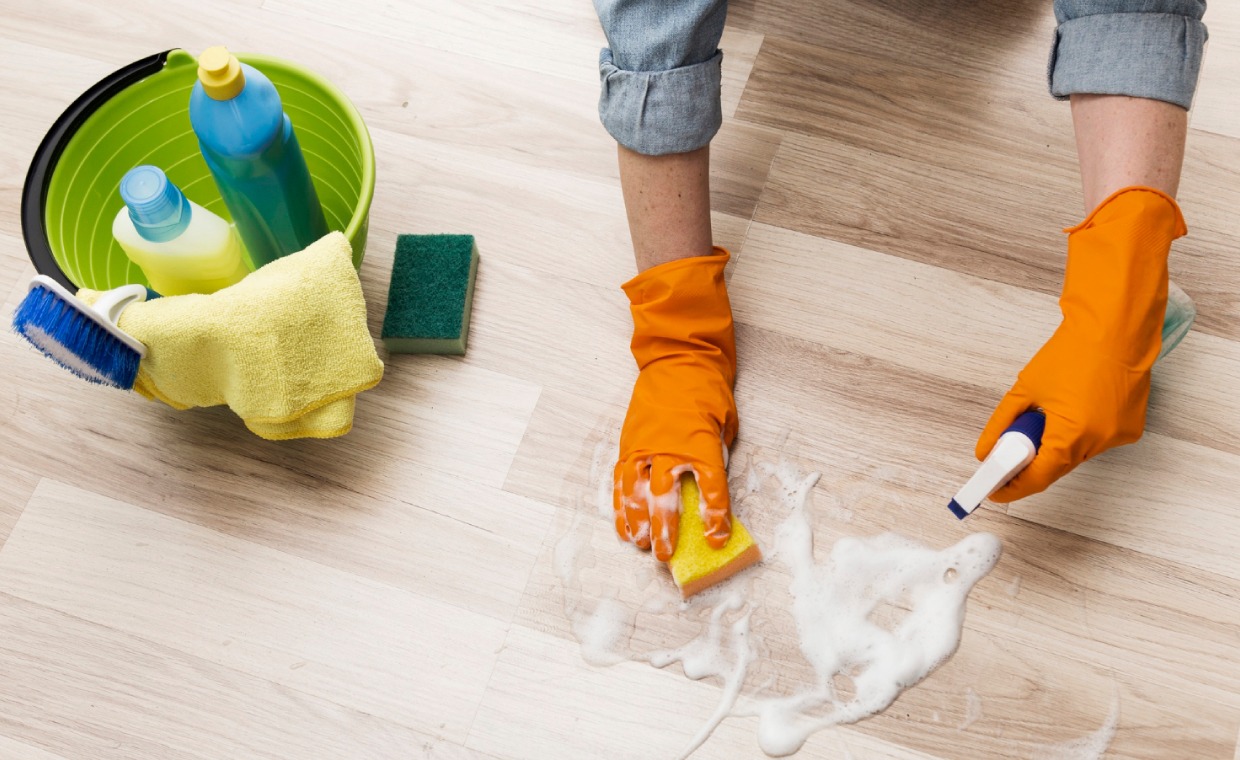
Courtesy - Magnific
Cleaning floors is a regular part of maintaining a comfortable and healthy home. However, many households use the same cleaning method for every floor, regardless of the material. While this approach may work well for ceramic tiles, it can damage hardwood finishes, cause laminate to swell, or leave dirt trapped in grout lines.
Flooring is a significant investment, so choosing the right cleaning method can help protect its appearance and extend its lifespan. Different materials have different needs, particularly when it comes to moisture, heat, and surface abrasion.
This guide explains how common flooring materials respond to different cleaning methods and compares wet-dry vacuums, steam cleaners, and traditional mops to help you choose the most suitable option for your home.
Understanding the Basics of Floor Care
Most hard floors are affected by two main factors: abrasion and moisture.
Abrasion occurs when dust, sand, and other small particles rub against the floor. These particles can gradually wear down protective coatings, leaving visible scratches and dull patches in frequently used areas. Removing loose dirt regularly helps reduce this damage.
Moisture damage depends on the flooring material and its underlying structure. Porcelain tiles can generally withstand frequent exposure to water, whereas laminate flooring contains a wood-based core that may swell if moisture enters through the joints.
For this reason, choosing a floor-cleaning method involves more than simply removing visible dirt. You must also consider how much water the surface can tolerate and how quickly it needs to dry.
Hardwood Flooring
Solid hardwood adds warmth and character to a home, but it requires careful maintenance. Its durability depends partly on the protective finish, which may be polyurethane, oil, or wax.
Recommended cleaning method: Remove dust and loose debris frequently using a suitable vacuum or soft cleaning attachment. When wet cleaning is necessary, use a slightly damp microfiber mop and avoid leaving moisture on the surface.
What to avoid: Excessive water, saturated mops, standing moisture, and steam cleaners that are not approved for the particular finish. Harsh or unsuitable cleaning products may also dull or damage the protective coating.
Water can enter through small gaps between wooden boards, potentially causing swelling, staining, or finish deterioration. The goal is to clean the surface without allowing moisture to remain on it.
Engineered Wood Flooring
Engineered wood flooring consists of a genuine wood surface layer attached to a more dimensionally stable core. This construction generally makes it less sensitive to changes in humidity than solid hardwood.
However, the upper veneer can be relatively thin. Depending on its thickness and construction, refinishing may be limited or impossible. Scratches and damage to the surface layer can therefore be difficult to repair.
Regularly removing dust and grit is important, while wet cleaning should remain controlled. Use a damp mop or compatible cleaning machine only when permitted by the flooring manufacturer.
Steam cleaning should be avoided unless the manufacturer specifically confirms that the flooring can withstand the heat and moisture.
Laminate Flooring
Laminate flooring offers the appearance of wood or stone at a relatively affordable price. Its surface layer is designed to resist everyday wear, but the wood-fibre core underneath can be vulnerable to moisture.
Recommended cleaning method: Vacuum loose dirt and use a dry or slightly damp microfiber mop when necessary. Always follow the product’s care instructions.
What to avoid: Excessive water, wet mopping that leaves puddles, and steam cleaning without explicit manufacturer approval.
If water enters the joints, the core may absorb it and swell. This can cause raised edges, uneven surfaces, or permanent damage that requires replacing the affected planks.
The safest approach is to remove spills promptly and use as little moisture as possible.
Luxury Vinyl Plank and Vinyl Flooring
Luxury vinyl plank (LVP) and sheet vinyl are popular choices for kitchens, bathrooms, and busy family homes because their surfaces are highly water-resistant or waterproof, depending on the product.
These floors are generally easier to maintain than wood-based alternatives. They can usually handle damp cleaning, and many products tolerate routine wet cleaning when the manufacturer’s instructions are followed.
However, water resistance does not mean the entire floor installation is waterproof. With some click-lock systems, moisture may pass through joints or edges and reach the subfloor.
Vinyl can also develop scratches from grit, furniture, and abrasive cleaning tools. Sweeping or vacuuming regularly helps prevent this problem.
Steam cleaning requires additional caution. High temperatures may affect certain vinyl layers, adhesives, or joints. Always verify that the specific flooring product is suitable for steam before using a steam cleaner.
Ceramic and Porcelain Tile
Ceramic and porcelain tiles are among the most practical hard flooring options because they generally resist water, stains, and everyday wear.
The main cleaning challenge is often the grout between the tiles. Unlike a glazed tile surface, grout is usually porous and can collect dirt, grease, and residue over time.
Traditional mopping can sometimes spread dirty water across the floor instead of removing all the soil from grout lines. Regular cleaning with fresh water and an appropriate product helps prevent grime from building up.
Steam cleaners can be useful on suitable, sealed tile installations, particularly when dealing with greasy residue in kitchens. However, grout condition, sealants, and installation materials should also be considered before using high-temperature steam.
For routine maintenance, a wet-dry vacuum can remove loose debris and wash the tile surface in a single pass.
Natural Stone Flooring
Natural stone flooring includes marble, travertine, limestone, granite, and slate. Although these materials offer a distinctive appearance, their cleaning requirements vary according to their composition, finish, and treatment.
Two considerations are particularly important.
First, some stone surfaces are porous and require periodic sealing. If the protective sealer wears away, liquids may penetrate the stone and leave stains. A water-drop test can provide a basic indication: if the stone darkens as it absorbs water, its sealing may need attention. Follow the stone supplier’s guidance before deciding to reseal.
Second, marble, travertine, and limestone are sensitive to acidic substances. Products containing vinegar, lemon juice, or unsuitable cleaning chemicals can cause etching, leaving dull marks that ordinary cleaning cannot remove.
Use a pH-neutral cleaner designed for the particular stone. Avoid excessive moisture and do not use steam on polished or acid-sensitive stone unless the supplier confirms it is safe.
Wet-Dry Vacuum vs. Traditional Mop
Traditional mopping remains a common way to clean hard floors because it is affordable, simple, and requires little equipment. However, it has some limitations.
As a mop collects dirt, the water in the bucket becomes increasingly contaminated. If the water is not changed regularly, some of that dirt may be spread across the floor again. Mopping can also leave more moisture behind than certain flooring materials need.
A wet-dry vacuum uses a different approach. Many models apply clean water to the floor while a rotating roller or brush loosens dirt. The machine then extracts the dirty water into a separate tank.
This process can reduce the amount of moisture left on the surface and make routine cleaning more efficient. The results depend on the machine, cleaning settings, floor type, and maintenance.
For homes with several types of hard flooring, a cordless wet-dry vacuum mop can be a practical everyday cleaning option. Some models are designed to recline close to the floor, making it easier to reach beneath furniture.
For example, the Tineco FLOOR ONE S7 Stretch Ultra is designed to provide wet and dry cleaning with a low-reach configuration for accessing areas beneath suitable furniture.
A traditional mop still makes sense for small tiled areas, quick spills, and households that prefer a low-cost solution. However, a wet-dry vacuum may be more convenient for regular cleaning across larger areas of compatible hard flooring.
When Should You Use a Steam Cleaner?
Steam cleaning can help loosen stubborn dirt and greasy residue, but it is not suitable for every floor.
Steam cleaning may be appropriate for:
- Compatible, sealed ceramic and porcelain tile.
- Suitable grout lines that need additional cleaning.
- Certain hard-floor surfaces whose manufacturers explicitly permit steam cleaning.
Use caution or avoid steam on:
- Unsealed or waxed hardwood.
- Most laminate flooring.
- Vinyl flooring that is not approved for steam.
- Engineered wood with moisture-sensitive construction.
- Marble, travertine, and limestone without explicit approval.
The most important rule is to check the flooring manufacturer’s care instructions before using steam. Excessive heat and moisture can damage some finishes, joints, adhesives, and underlying materials. Steam cleaning may also affect the flooring warranty.
For households that want washing and steam cleaning in one machine, combination devices can be convenient when used on approved surfaces.
The Tineco FLOOR ONE S7 Stretch Steam combines wet-dry floor cleaning with steam functionality, allowing compatible floors to be cleaned using one appliance rather than separate machines.
Another option is the Tineco FLOOR ONE S9 Artist Steam Wet Dry Vacuum Cleaner, depending on the model and features available. Before purchasing or using any combination machine, check its specifications and the manufacturer’s approved floor types.
Remember that a machine’s ability to produce steam does not mean it is safe for every hard surface.
Managing Pet Hair, Dust, and Everyday Debris
Homes with pets often face additional cleaning challenges. Loose fur, muddy paw prints, spilled water, and tracked-in dirt can quickly accumulate on hard floors.
A few practical habits can make daily maintenance easier.
- Use entrance mats: Place mats near exterior doors to catch dirt and grit before they spread throughout the home. Clean the mats regularly so they continue to work effectively.
- Choose an anti-tangle brush system: Pet hair can wrap around rotating rollers, making maintenance difficult. A vacuum with a suitable anti-tangle design can reduce the amount of manual cleaning required. Some models from Tineco and other manufacturers include features designed to manage hair buildup.
- Clean frequently: Short, regular cleaning sessions help prevent hair, dust, and dirt from accumulating.
- Address spills quickly: Remove muddy footprints and standing water promptly, particularly on wood and laminate flooring.
- Maintain the machine: Empty dirty-water tanks and clean rollers according to the manufacturer’s instructions to help prevent odours and maintain performance.
Choosing the Right Cleaning Method for Your Home
The best cleaning tool depends on your flooring materials, household needs, and cleaning routine.
Apartment with Mostly Tile Flooring
A traditional mop can be sufficient for a small apartment with limited floor space. A wet-dry vacuum may save time by combining debris removal and washing.
Steam cleaning can also be considered if the tiles and grout are compatible with the appliance.
Family Home with Wood and Tile
A wet-dry vacuum can be a convenient choice for a home with mixed hard flooring, provided it has appropriate settings for each surface.
Use controlled moisture on compatible sealed wood and follow the manufacturer’s instructions for tile. Do not assume that a single cleaning setting is safe for every room.
Home with Pets
Look for a machine with an effective hair-management system, easy-to-clean rollers, and sufficient reach beneath furniture.
Regular vacuuming or dry debris removal is especially important because grit and pet hair can accumulate quickly in busy households.
Home with Extensive Laminate Flooring
Moisture control should be the priority. Use dry cleaning methods frequently and damp-clean only when necessary.
Avoid steam and wet cleaning machines unless the laminate manufacturer explicitly approves the particular method and model.
Older Home with Unsealed or Waxed Timber
Traditional dry cleaning and products specifically recommended for the floor are generally the safest options.
Avoid steam and wet-dry machines unless a qualified flooring specialist and the relevant manufacturer confirm that the particular surface can tolerate them.
Practical Floor-Care Checklist
Use these simple steps to keep your floors in good condition:
- Identify each flooring material and review its care instructions.
- Place mats near exterior entrances and clean them regularly.
- Remove dust, sand, and grit frequently to reduce surface wear.
- Use the minimum amount of moisture needed for effective cleaning.
- Wipe up spills promptly and allow cleaned surfaces to dry.
- Choose pH-neutral products for stone flooring.
- Check the condition of stone sealers according to the supplier’s recommendations.
- Clean beneath furniture regularly to remove hidden dirt.
- Fit protective pads to furniture legs and replace worn pads.
- Empty dirty-water tanks and clean rollers after using a wet-dry vacuum.
- Check appliance compatibility before using steam or other high-temperature cleaning methods.
Conclusion
There is no single floor-cleaning method that works best for every home. The right choice depends on the flooring material, the amount of dirt it collects, and the level of moisture or heat it can tolerate.
Hardwood and laminate generally require careful moisture control, while vinyl is more tolerant of routine wet cleaning when used correctly. Ceramic and porcelain tiles are usually easier to wash, although grout may need extra attention. Natural stone requires suitable cleaning products and proper maintenance of its protective sealer.
Traditional mops remain useful for simple, low-cost cleaning. Wet-dry vacuums offer a convenient way to remove debris and wash compatible hard floors in one step, while steam cleaners can help with stubborn dirt on approved surfaces.
By matching the cleaning method to the floor, you can maintain a cleaner home, reduce avoidable damage, and help your flooring retain its appearance for years to come.
Also Read: Quick & Effective Tips for Cleaning Rugs and Carpets
Floor Maintenance Strategy for Different Floor Types FAQs
01. Can I use a wet-dry vacuum on hardwood floors?
Many wet-dry vacuums can clean compatible sealed hardwood floors when used according to the manufacturer’s instructions. Choose a suitable moisture setting and make sure the surface dries promptly. Avoid using these machines on unsealed or moisture-sensitive wood unless specifically approved.
02. Is steam cleaning safe for laminate flooring?
Steam cleaning is generally not recommended for laminate unless the flooring manufacturer explicitly approves it. Heat and moisture can penetrate joints and damage the wood-fibre core.
03. How often should hard floors be cleaned?
For many households, washing hard floors once a week is a reasonable starting point. Kitchens, entryways, and areas used by pets or children may need more frequent attention. Dry debris should generally be removed more often than wet cleaning is performed.
04. Can a wet-dry vacuum replace a regular vacuum cleaner?
A wet-dry vacuum can handle much of the routine cleaning on compatible hard floors. However, carpets, rugs, upholstery, and other surfaces may still require a conventional vacuum or a suitable specialised appliance.
05. What causes the most damage to hard floors?
Two common causes are abrasive debris and excessive moisture. Grit can scratch or wear down finishes, while standing water can damage wood-based flooring and affect certain adhesives or joints. Regular debris removal and appropriate moisture control help minimise these risks.
06. Why is having a structured floor maintenance strategy for different floor types important?
Using a single cleaning method for every floor can damage hardwood finishes, cause laminate to swell, or leave dirt trapped in grout lines, making a tailored approach essential to protect your investment and extend flooring lifespan.
Courtesy - Magnific
Author & Expert Review
Written By:  Nidhi Patel | Civil Engineer & Content Writer

| Credentials: B.E. (Mahatma Gandhi Institute of Technical Education and Research Centre), Registered with Gujarat Technological University (GTU). Experience: Civil Engineer with 3+ years of content writing experience, currently writing blogs for Gharpedia, part of SDCPL. Expertise: Specializing in SEO-optimized blogs and long-form articles focused on home improvement, construction, interiors and architect topics. I create well-researched, reader-focused content that balances technical accuracy with clarity, making complex subjects easy to understand. Find her on: LinkedIn |
Verified By Expert: Farhan Shaikh – Senior Manager – Architect, SDCPL | Associate Member – IIA

This article has been reviewed for architectural and interior design accuracy by Farhan Shaikh, Senior Manager – Architect at Sthapati Designers & Consultants Pvt. Ltd. As the lead for all architectural and interior projects at SDCPL and an Associate Member of the Indian Institute of Architects (IIA), he brings hands-on experience in architectural planning, interior design, project coordination, and sustainable strategies. His review ensures the content reflects practical design considerations, industry best practices, and real-world applicability across both architecture and interior spaces.
Find him on : Linkedin