






Table of Contents
Quick Summary
- Moving a tiny house requires careful planning based on its dimensions, weight and structural condition.
- Find out why checking the chassis, wheels, axles, suspension and braking system is essential before transportation.
- Explore how road conditions, overhead clearances, bridges and site accessibility can affect the moving route.
- Understand how to select suitable towing equipment for different tiny house sizes and structures.
- Learn when Super Tilt transport may be an appropriate option for specialised loads.
- Discover practical preparation steps to secure belongings and make pickup and delivery areas accessible.
- Get useful guidance on working with professional towing operators across Victoria.
Courtesy - Magnific
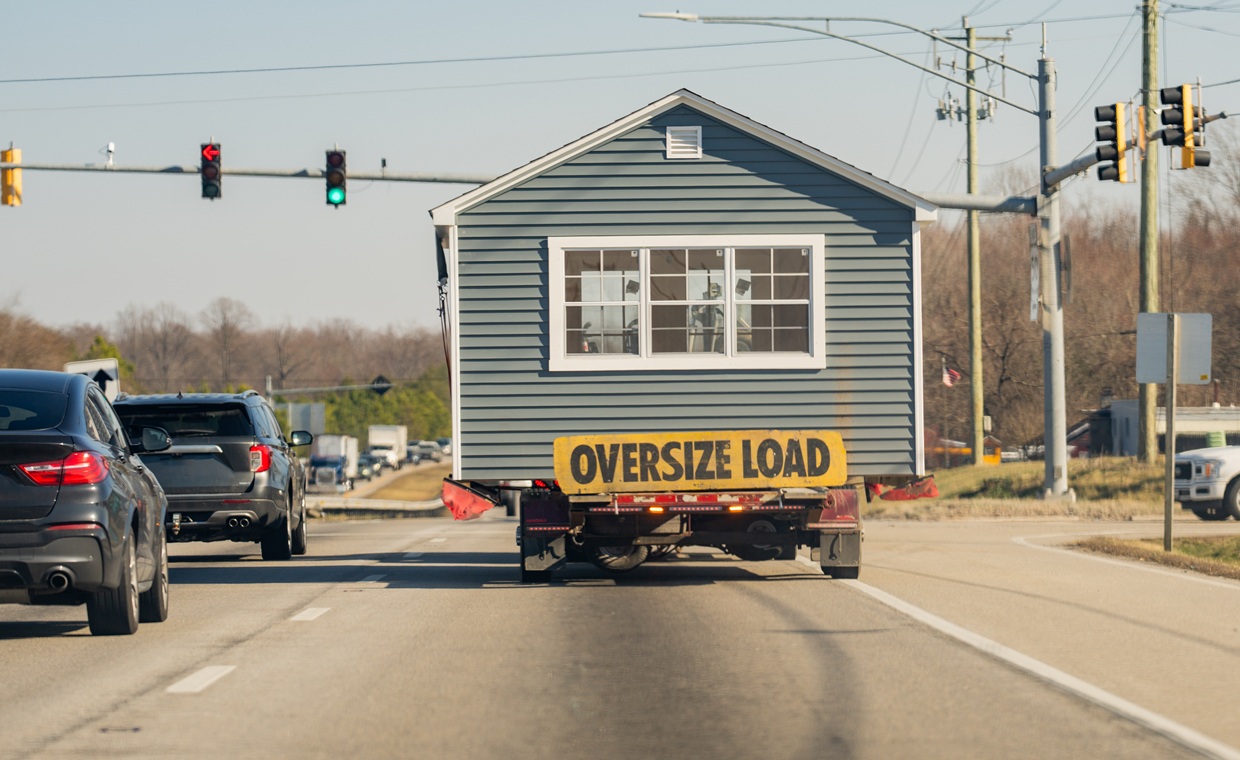
Tiny houses let people live in a smaller space and move as their needs change. But shifting one to a new location isn’t as simple as moving a car. The house’s size, weight and condition all affect how it needs to be transported.
When towing a tiny house, the right equipment and a suitable route matter. This guide covers what to check before the move, how to plan the journey, which transport options may work, and how to prepare for relocation across Victoria.
Understanding the Requirements for Towing a Tiny House
Before moving a tiny house, inspect its chassis, wheels, axles, suspension and braking system. These components must be in good condition for transport, especially if the home has been stationary for a long time.
Its overall height, width, length and weight also determine which transport methods are appropriate. Building materials, appliances, and fixed fittings can add considerable weight, while roof height may restrict access on certain roads.
Some tiny houses can be moved on their own trailers, while others need specialised transport. The structure’s condition and the access available at both ends will help determine how the move should be carried out.
Planning the Route Before Moving
Before moving a tiny house, take a close look at the roads along the way. A route that works for a car may not be suitable for a tall or wide structure, especially where clearance is limited.
Bridges, overhead power lines, low-hanging branches and tight corners can all cause problems. Narrow roads and local access restrictions may also affect the journey, particularly when travelling through regional Victoria.
It is also worth checking the pickup and delivery sites. Narrow driveways, steep entrances and limited turning space can make access difficult. Share the house’s measurements, photos and location details with the transport operator beforehand so they can assess the route and spot potential issues.
Choosing Suitable Towing Equipment
Different tiny houses require different transport methods. A lightweight home on a roadworthy trailer may suit conventional towing, while a larger structure may need specialised equipment.
Standard towing equipment isn’t suitable for every load. Professional heavy towing services can help assess the home’s dimensions, weight and condition before recommending a suitable transport solution.
An experienced operator can also consider loading requirements, clearance limitations and site access. Choosing equipment based on the actual structure helps reduce avoidable transport risks and complications.
When Super Tilt Transport May Be Useful
Super tilt equipment can help transport certain heavy or specialised loads when appropriate loading and unloading arrangements are available. Depending on the structure and site conditions, it may be an option for some tiny homes and alternative housing units.
Not every tiny house can be moved using the same equipment. Its weight, size and condition, along with the space available at each location, will help determine whether a Super Tilt is suitable.
Discuss your requirements with a provider offering super tilt towing to determine whether this method suits your relocation.
Preparing for a Safe Tiny House Relocation
Before the move, check the tiny house for any damage and make sure everything inside is secure. Loose items, furniture and appliances can shift on the road, so pack them away or fasten them in place.
Clear the pickup and delivery areas of parked vehicles and other obstructions. Check gates, fences, trees, and overhead clearances to ensure the transport vehicle has enough room to manoeuvre.
Inform the transport provider about unusual features, restricted access or special handling requirements before the scheduled move. Sharing these details early allows the operator to plan accordingly.
Conclusion
Moving a tiny house takes more thought than simply getting it from one place to another. Checking its condition, measuring the load and planning a suitable route can help avoid problems on moving day. The right transport equipment also makes a difference, especially when dealing with larger homes or limited access.
Before relocating a tiny home, bus conversion or other alternative housing structure across Victoria, speak with an experienced transport operator to discuss your setup and access requirements. Contact a professional towing provider to plan your move and find an option suited to your load.
Also Read: Smart Cleaning Solutions for Tiny House Living
Frequently Asked Questions – Tiny House Towing
Q1. What should I check before towing a tiny house?
Before towing a tiny house, inspect its chassis, wheels, axles, suspension and braking system. Also measure its height, width, length and total weight to determine suitable transportation requirements.
Q2. Can a tiny house be towed using a regular vehicle?
Some lightweight tiny houses can be towed using a suitable vehicle and roadworthy trailer. However, larger or heavier structures may require specialised transport equipment and professional assistance.
Q3. How do I plan a route for moving a tiny house?
Check the route for low bridges, overhead power lines, hanging branches, narrow roads and tight corners. Also assess access at the pickup and delivery locations to ensure the transport vehicle can manoeuvre safely.
Q4. What is Super Tilt transport, and when is it useful?
Super Tilt transport uses specialised tilting equipment to load and unload certain heavy or oversized structures. It may be suitable for some tiny houses, depending on their dimensions, weight and site accessibility.
Q5. How can I prepare my tiny house for transportation?
Secure furniture, appliances and loose belongings inside the house. Inspect the structure for damage, clear the access areas and inform the transport provider about any special handling or access requirements before moving day.
Courtesy - Featured Image(Magnific)
Author & Expert Review
Written By:  Gaurav Mishra | Civil Engineer & Content Writer

| Credentials: B.E. (Mahavir Swami College, Surat), Registered with Bhagwan Mahavir University (BMU). Experience: Civil Engineer with 5+ years of content writing experience, currently writing impactful articles for Gharpedia, part of SDCPL. Expertise: Specializes in writing well-researched content on residential construction, construction materials, design planning, on-site practices, and safety, blending technical accuracy with everyday clarity. Find him on: LinkedIn |
Verified By Expert:  Shekhar J. Parikh – Co Founder – Gharpedia | Director – SDCPL

This article has been reviewed for technical and execution accuracy by Shekhar J. Parikh, Director and Consulting Engineer at Sthapati Designers & Consultants Pvt. Ltd. With over 40 years of experience in civil engineering, project execution, and construction management across Gujarat and Maharashtra, he ensures the content reflects practical site knowledge, quality control standards, and industry best practices, while also supporting informed decision-making for property buy, sell, and rent considerations.
Find him on : LinkedIn