




Table of Contents
Quick Summary
- When a pipe bursts or heating fails, checking a contractor’s website quickly can feel like just another chore on your list.
- Polished web design, project photos, and professional layouts do not automatically guarantee that a plumber, roofer, or electrician is legitimate.
- You must carefully examine the website address bar for misspellings, extra words, or hidden changes rather than trusting a familiar company logo.
- Always check the link using a trusted tool or safe link checker before entering your sensitive personal address, phone number, or payment details.
- Independent research into legal business names, licensing records, and physical service areas is critical before hiring any contractor.
- Customer reviews should be read beyond the company’s own page by searching for external complaints, repeated wording, and actual project experiences.
- Performing a reverse image search on project galleries helps determine whether displayed photos genuinely belong to the business or have been stolen.
- You should always request a detailed written estimate that clearly identifies materials, pricing, and payment schedules instead of vague promises.
- Watch out for unusual payment demands such as cryptocurrency, wire transfers, or requests for full payment prior to any inspection.
- Spotting fake home service websites ultimately requires a combination of address checks, link screenings, and thorough independent research before you pay or hire.

Courtesy - Magnific
Just because a website appears to be polished and professional, it does not prove that a plumber, roofer or electrician (for example) is legitimate. Scammers can copy business details, steal project photos and build convincing pages.
They could then potentially collect your money without actually delivering any work.
When a pipe bursts or your heating fails, checking a website may feel like another chore. But completing a few checks before you request service can help you separate a real local business from a convincing fake.
01. Examine the Website Address Carefully
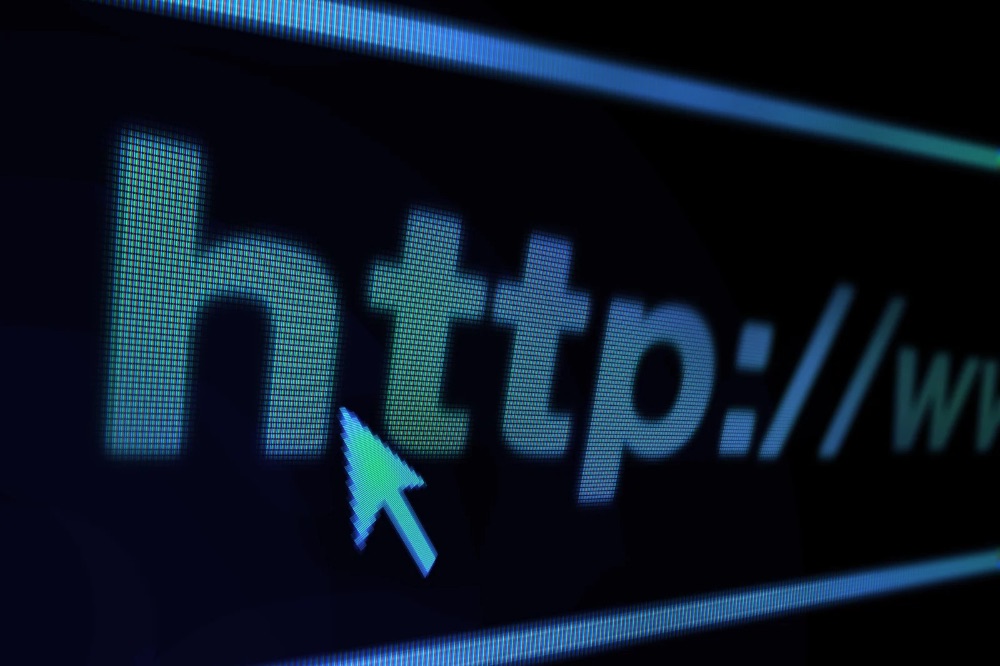
Courtesy - Canva
Start with the address bar, not the company logo. A familiar business name on the page means little if the website address belongs to someone else.
Look for misspellings, extra words or subtle changes in a name you recognize. If you reached the page through an advertisement, independently search for the company rather than assuming the ad leads to its official website.
According to the Federal Trade Commission, scammers often use ads that impersonate real companies. A secure connection is worth checking, but HTTPS alone does not prove the business behind a website is trustworthy.
02. Check the Link Before Sharing Information
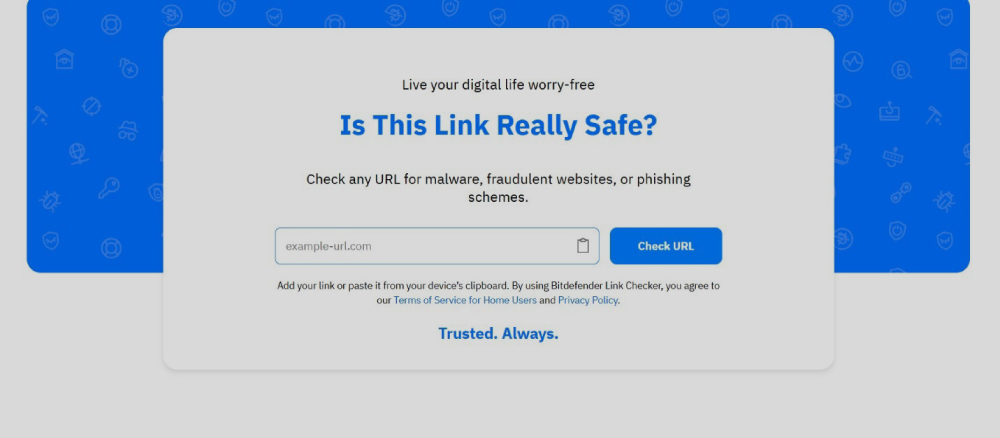
Courtesy - Bitefender
Before entering your address, phone number or payment details, check the website using a trusted tool. A link checker adds an additional layer of screening when a website looks convincing but something feels off.
For example, Bitdefender’s safe link checker lets you check a URL for malware, fraudulent websites and phishing schemes.
03. Investigate the Business Behind a Website

Courtesy - Magnific
Find the company’s legal name, phone number and service area before trusting its claims. Missing contact details or conflicting business names deserve closer attention.
Search those details independently and compare them with relevant licensing records, where licensing applies. If the website claims the contractor is insured, request proof rather than relying on a badge displayed on the page.
Check licensing and insurance before hiring contractors. Call a number found through an independent source and ask whether the website belongs to the business.
04. Read Reviews Beyond the Website

Courtesy - Magnific
Customer praise displayed on a company’s own website is not independent evidence. Look elsewhere for reviews that describe actual appointments, completed jobs and how the company handled problems.
Search the business name and website address with words such as “complaint” or “scam.” Compare accounts across more than one source instead of trusting a perfect rating from a single platform.
Watch for repeated wording, vague praise and reviews that discuss services the company does not offer. Those patterns are reasons to investigate further, not automatic proof of fraud, especially when a business has only a small number of reviews.
05. Verify Project Photos and Local Claims
Courtesy - Magnific
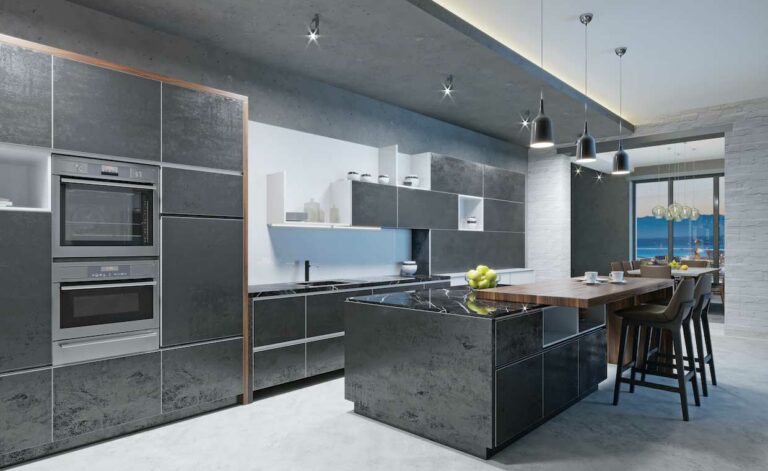
A gallery of spotless kitchens or newly installed roofs can make an unfamiliar contractor seem established. But you need to check whether those images support the company’s claims or merely decorate the website.
Use a reverse image search on a few project photos and see where else they appear. An image appearing elsewhere is not conclusive, but a supposedly original project appearing under unrelated company names deserves an explanation.
Compare location claims throughout the website, too. A homepage advertising your town while contact pages name a different region may reflect careless editing, copied content or a business that does not actually serve your area.
06. Request a Detailed Written Estimate

Courtesy - Magnific
Ask for an estimate that identifies the business and explains the work, materials, price and payment schedule. A vague promise to “fix everything” gives you little to compare or hold the contractor accountable for.
Slow down when a website pushes things like immediate booking without explaining the job. And compare estimates from established providers where practical. A dramatically cheaper offer needs clarification, particularly if the company refuses to explain what the price includes.
07. Question Unusual Payment Demands
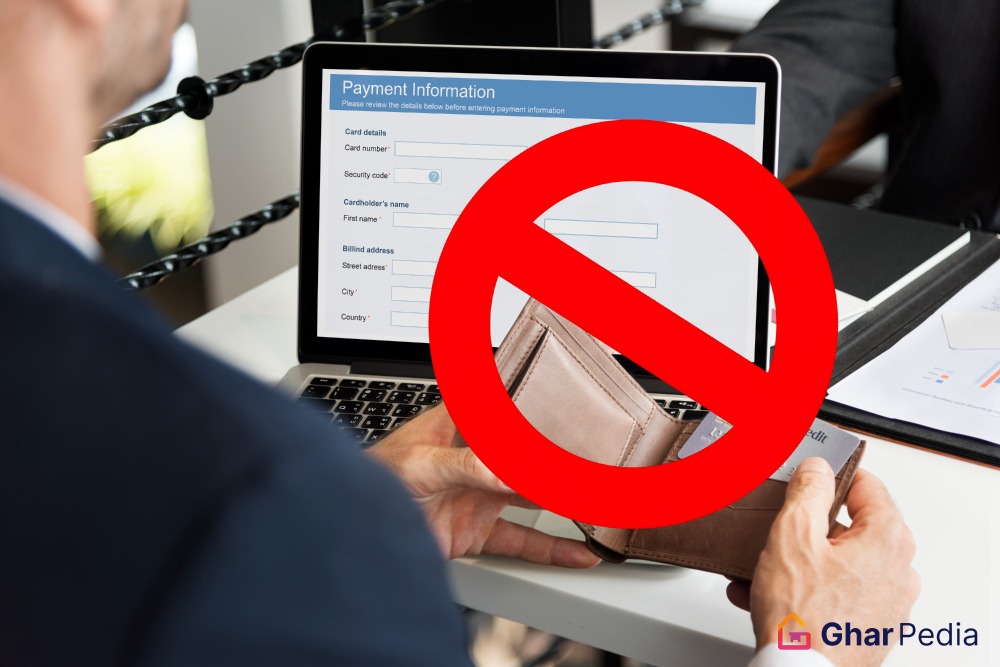
Courtesy - Magnific(Image 1, 2)
Check how the company expects you to pay before agreeing to anything. Requests for gift cards, cryptocurrency or wire transfers, for example, should prompt extra caution.
Be wary when a website insists on full payment before any inspection or meaningful discussion of the work. Deposits can be legitimate, but their purpose and terms should appear clearly in your agreement.
Avoid entering payment details into a page sent through an unexpected message until you verify it independently. Confirm the recipient’s identity and make sure the invoice matches the business you investigated.
Choosing Home Services With More Confidence
Spotting fake home service websites means checking more than appearances. Review the address, screen the link, verify the business and question anything that does not match.
Bitdefender’s link checker tool can support that process. But independent research still matters before you hire or pay someone.
Hopefully this article has been helpful. If that is the case, take a moment of your time to check out some of our other informative posts.
Also Read: 10 YouTube Channels Every Home Builder Should Follow
FAQs on Fake Home Service Websites
01. What are fake home service websites?
They are deceptive web pages created by scammers to impersonate legitimate contractors like plumbers or electricians in order to steal money without delivering any work.
02. Why should I examine the website address bar?
Scammers often use URLs with subtle misspellings, extra words, or entirely different domains while displaying a familiar company’s name and logo on the page.
03. Are customer testimonials on a company’s website reliable?
No, praise displayed on a business’s own site is not independent evidence; you should look for external reviews and search for complaints across multiple platforms.
04. How can I verify project photos on a contractor’s website?
You can use a reverse image search on project galleries to see if spotless kitchens or newly installed roofs appear elsewhere under unrelated company names.
05. What payment methods should raise a red flag?
Requests for gift cards, cryptocurrency, wire transfers, or demands for full payment before any inspection or meaningful discussion of the work should prompt immediate caution.
Courtesy - Featured Image(AI Generated Concept Visual )
Author & Expert Review
Written By:  Nidhi Patel | Civil Engineer & Content Writer

| Credentials: B.E. (Mahatma Gandhi Institute of Technical Education and Research Centre), Registered with Gujarat Technological University (GTU). Experience: Civil Engineer with 3+ years of content writing experience, currently writing blogs for Gharpedia, part of SDCPL. Expertise: Specializing in SEO-optimized blogs and long-form articles focused on home improvement, construction, interiors and architect topics. I create well-researched, reader-focused content that balances technical accuracy with clarity, making complex subjects easy to understand. Find her on: LinkedIn |
Verified By Expert:  Ravin Desai – Co Founder – Gharpedia | Co Founder – 1 MNT | Director – SDCPL

This article has been reviewed for technical accuracy by Ravin Desai, Co-Founder of Gharpedia and Director at Sthapati Designers & Consultants Pvt. Ltd. With a B.Tech. in Civil Engineering from VNIT Nagpur and an M.S. in Civil Engineering from Clemson University, USA, and over a decade of international and Indian experience in the construction and design consultancy sector, he ensures all technical content aligns with industry standards and best practices.
Find him on: LinkedIn