



Table of Contents
Quick Summary
- When looking for the best trees to plant near a house, always prioritize the mature height and canopy width rather than how small the sapling looks at the garden center.
- Climate and USDA Hardiness Zones should guide your selection, ensuring tropical, subtropical, or cold-region ornamentals like Japanese maples or serviceberries thrive in your specific environment.
- Proper root space is crucial to protect building foundations, driveways, sidewalks, and utility lines from future damage.
- Anticipate long-term maintenance needs, such as seasonal debris cleanup and watering requirements, rather than relying on constant heavy pruning.
- Always inspect overhead clearance such as power lines and rooflines before planting to prevent obstructed views or restricted branch growth.
Courtesy - Magnific
The best tree beside a house is not necessarily the one that looks most impressive at the garden center. Mature height, canopy width, root behavior, climate and distance from the building can determine whether today’s charming sapling becomes an asset or a recurring headache.
Smaller ornamental trees are often easier to accommodate near homes because their mature dimensions are more predictable. The goal is to choose a tree that fits the available space when fully grown, rather than planning to control an oversized species indefinitely with pruning.
Start With Mature Size
Courtesy - Magnific
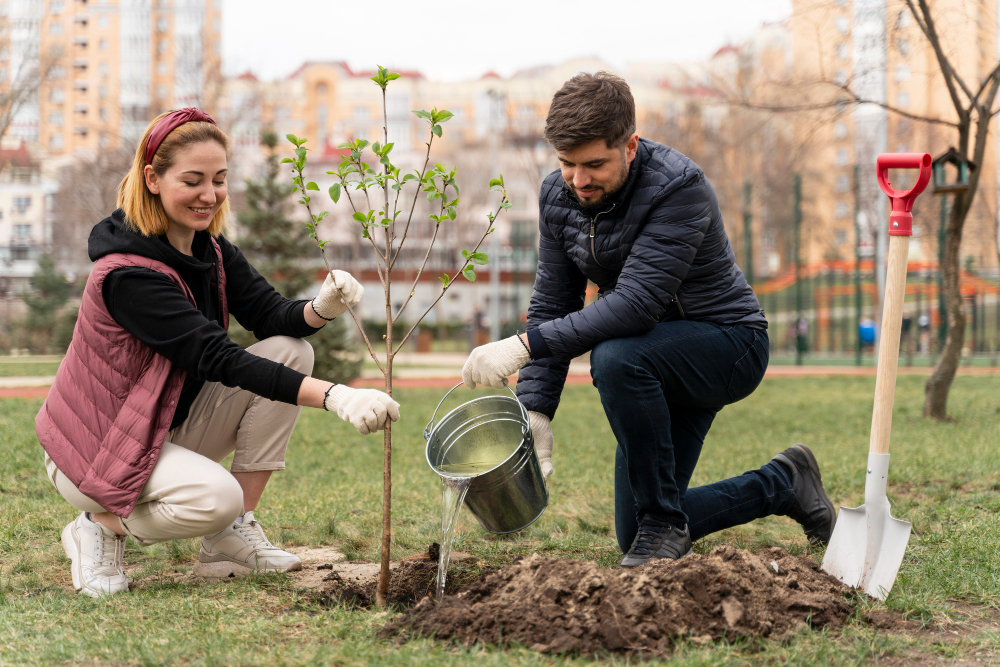
A young tree can make almost any planting spot look spacious. The problem arrives years later, when branches reach the roof, block windows or crowd neighboring plants. Before planting, check the expected mature height and spread and compare those measurements with the actual room available.
Climate should narrow the list further. Tropical and subtropical homeowners might consider the beautiful Plumeria for its fragrant flowers and relatively modest tree-like form, but it requires the warm conditions in which it can thrive. In colder regions, gardeners should look for ornamentals suited to their USDA Plant Hardiness Zone rather than choosing primarily for appearance.
Japanese maples, serviceberries, redbuds and some dogwoods are among the smaller trees homeowners may consider, depending on local growing conditions and the characteristics of the particular species or cultivar.
Give Roots Enough Room
Courtesy - Magnific
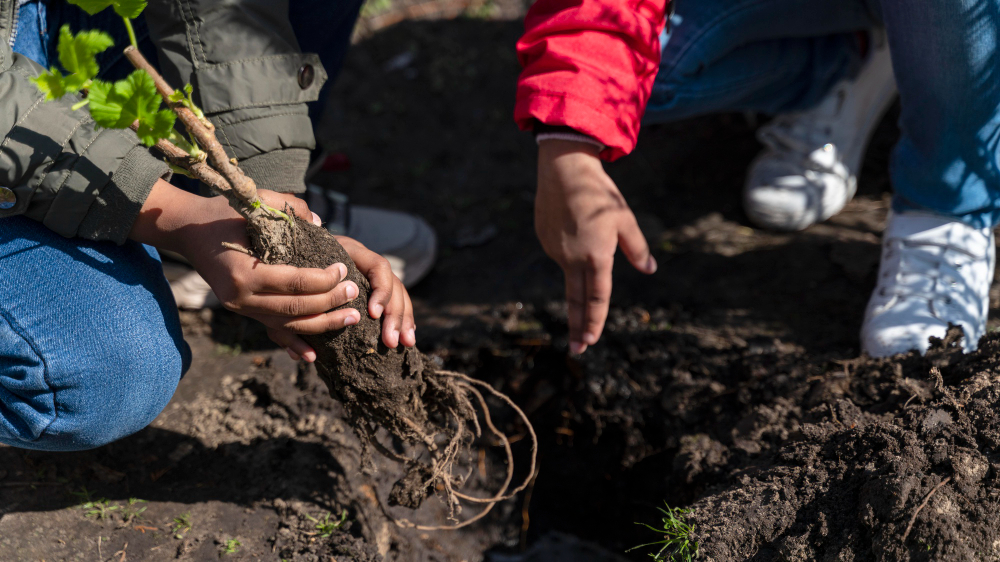
Tree roots need access to soil, water and oxygen, and squeezing a tree into an undersized planting area can create problems above and below ground. Foundations, sidewalks, driveways, utility lines and drainage systems should all factor into placement.
There is no universal safe planting distance that works for every tree and every house. Mature size, species characteristics, soil conditions and the type of nearby structure all matter. A compact ornamental may fit comfortably in a location that would be inappropriate for a large shade tree.
Homeowners should also resist the temptation to plant directly against a house simply because the landscaping looks sparse when the tree is young. Leaving an appropriate room gives the canopy space to develop and makes it easier to inspect siding, clean gutters and perform repairs without branches in the way.
Think About Future Upkeep
Courtesy - Magnific
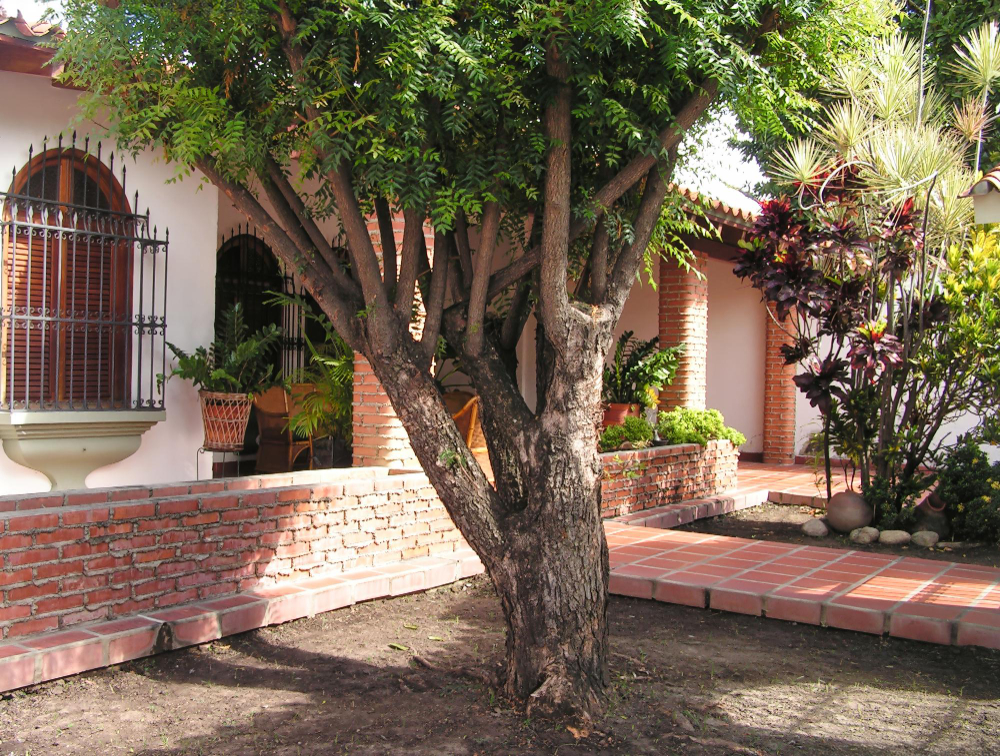
A tree’s long-term demands deserve attention before it goes into the ground. Some species naturally develop manageable forms, while others may drop substantial amounts of fruit, seeds, leaves or small branches. Those characteristics are not necessarily bad, but they can become annoying beside a patio, walkway, driveway or roof.
Good tree maintenance begins with choosing a species suited to the location. A tree constantly being cut back because it was planted too close to the house is usually a design problem, not evidence that the tree simply needs more pruning.
Newly planted trees also require attentive watering while their roots establish. Mulch can help conserve soil moisture, but it should not be piled against the trunk. As the tree matures, periodic inspections can catch damaged branches, structural problems or signs of disease before they become harder to address.
Choose Trees for Your Climate
Courtesy - Magnific
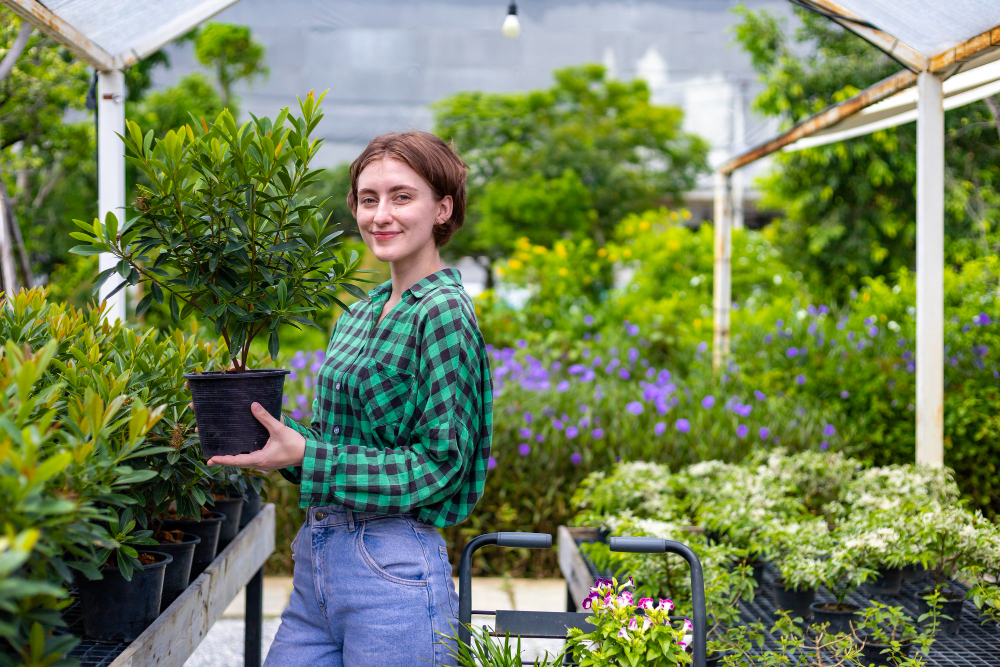
A tree that performs beautifully in one part of the country may struggle a few hundred miles away. Winter lows are an obvious consideration, but summer heat, rainfall, humidity, soil drainage and sunlight can be equally important.
Serviceberries offer spring flowers and seasonal interest and include species native to parts of North America. Eastern redbuds are valued for their spring blooms and can work in residential landscapes where their mature dimensions suit the site. Flowering dogwoods can also be attractive near homes in appropriate conditions, although site selection matters because they have particular preferences for soil, moisture and light.
Japanese maples provide another option where climate and exposure are suitable. Because cultivars vary considerably in mature size and form, homeowners should check the specifications of the exact plant rather than relying on the general name.
Look Up Before Planting
Courtesy - Magnific
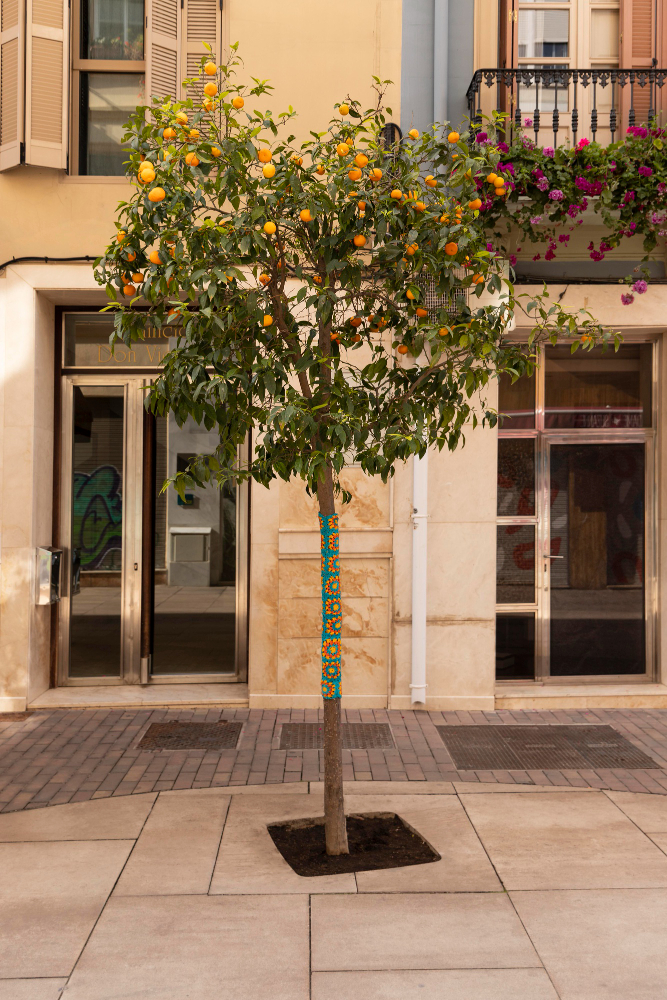
Overhead space is easy to overlook when attention is focused on roots and foundations. Power lines, rooflines and neighboring trees can all restrict the space a canopy has to develop. Planting a large tree beneath utility lines can eventually require repeated pruning that alters its natural shape.
The same forward thinking applies to views and sunlight. A strategically positioned deciduous tree may provide welcome summer shade, but a poorly positioned canopy could eventually darken rooms or overwhelm a small front yard. Measuring the site before shopping makes it easier to eliminate unsuitable options before appearance influences the decision.
The best tree near a house is ultimately one that can mature without fighting its surroundings. Match the species to the climate, respect its full-grown dimensions and give both roots and branches adequate space. A little restraint at planting time can prevent years of unnecessary cutting, cleanup and second thoughts.
Also Read: 5 Tips for Trimming Trees Correctly
FAQS on Best Trees to Plant Near a House
01. What factors should I consider before planting a tree near my home?
You should evaluate the tree’s mature height and spread, local climate or hardiness zone, root behaviour, proximity to foundations and utility lines, and future maintenance requirements.
02. Why is knowing the mature size of a tree important?
A young tree often looks deceptively small, but ignoring its full-grown dimensions can lead to blocked windows, crowded plants, and branches reaching dangerously close to your roof.
03. Can tree roots damage my house foundation?
Yes, squeezing trees into undersized spaces can cause roots to interfere with foundations, sidewalks, driveways, and drainage systems if they lack adequate room to access soil, water, and oxygen.
04. Are smaller ornamental trees better for residential landscapes?
Smaller ornamental trees such as Japanese maples, serviceberries, and redbuds are often easier to accommodate near homes because their mature dimensions are much more predictable and manageable.
05. What are some of the best trees to plant near a house for aesthetic and practical balance?
Depending on your local climate, suitable choices include compact ornamentals like flowering dogwoods, eastern redbuds, serviceberries, and Japanese maples that mature harmoniously without fighting their surroundings.
Courtesy - Featured Image(Magnific)
Author & Expert Review
Written & Verified By :  Ravin Desai – Co Founder – Gharpedia | Co Founder – 1 MNT | Director – SDCPL

| Credentials: B.Tech. in Civil Engineering from VNIT Nagpur and M.S. in Civil Engineering from Clemson University, USA. Co-Founder of Gharpedia and Director at Sthapati Designers & Consultants Pvt. Ltd.. Experience: Civil engineering professional with over a decade of international and Indian experience in the construction and design consultancy sector, with expertise in technical review and industry practices. Expertise: Specializes in reviewing technical content related to civil engineering, construction, design consultancy, materials, and industry practices. He ensures content is technically accurate, aligned with industry standards, and reflects practical construction and design best practices. Find him on: LinkedIn |