






Table of Contents
Quick Summary
- Solar energy offers a clean and renewable alternative to fossil fuels, helping reduce environmental damage.
- The article explains how solar power lowers greenhouse gas emissions and supports efforts to combat climate change.
- It highlights the role of solar energy in air quality improvement, reducing harmful pollutants released by conventional power plants.
- Learn how solar power contributes to natural resource conservation by decreasing dependence on finite fossil fuels.
- The article discusses how solar energy helps address water scarcity solutions due to its minimal water requirements during operation.
- It also covers reduced land use impacts and explains how solar panels convert sunlight into usable electricity.
- Discover why solar energy is a key step towards a cleaner and more sustainable future.
Solar energy is a beacon of hope in the fight against environmental degradation, providing a sustainable option to alleviate the negative impacts of existing energy sources on the earth. Solar energy, which uses the abundant power of sunlight, provides a clean and sustainable alternative that dramatically reduces greenhouse gas emissions, air and water pollution, and dependency on finite fossil fuels. Transitioning the solar power into solar panels allows nations to reduce climate change, preserve natural habitats, and protect ecosystems for future generations. It emerges as a major ally in the collaborative struggle to maintain and restore our planet’s health, thanks to its numerous environmental benefits, including a low carbon footprint, reduced resource depletion, and improved air quality. If you’re considering solar panel installation, check out Solar Panels Wakefield, who are willing to help you.
Reduced Greenhouse Gas Emissions

One of the most important contributions of solar energy to environmental conservation is its ability to significantly cut greenhouse gas emissions. Solar panels create power without generating any pollutants, in contrast to fossil fuels such as coal, oil, and natural gas, which emit damaging greenhouse gases such as carbon dioxide when burned. Solar energy helps moderate climate change by reducing greenhouse gas emissions into the atmosphere, thereby slowing global warming and its accompanying consequences.
Improving Air Quality for Human Health

Solar energy is important not only for climate change mitigation but also for improving air quality and human health. Traditional power plants that use fossil fuels release a variety of toxic pollutants, including sulphur dioxide, nitrogen oxides, and particulate matter, which can have a negative impact on air quality and public health. By switching to solar panels, we may drastically reduce air pollution and its related health hazards, resulting in cleaner air and healthier neighbourhoods.
Conserving Natural Resources and Protecting Ecosystems

Solar energy provides a long-term solution for preserving natural resources and protecting ecosystems. Unlike fossil fuels, which are finite and require considerable extraction and processing, solar energy is based on absorbing sunlight, an abundant and renewable resource. We may lessen our reliance on finite resources such as coal, oil, and natural gas by utilising solar electricity, minimising habitat destruction, water pollution, and other environmental consequences linked with fossil fuel extraction and usage.
Reducing Water Scarcity

Solar energy addresses water scarcity issues by requiring less water to operate than typical power plants. Conventional power plants use significant amounts of water for cooling, putting strain on freshwater supplies and endangering aquatic ecosystems. Solar panels, on the other hand, generate power with little to no water, making them a more sustainable solution for areas experiencing water scarcity or drought.
Mitigation of Land Use Issues
Solar panels can be set up on a range of surfaces, such as rooftops, parking lots, and previously damaged sites, without requiring major land clearing or habitat degradation. This flexibility decreases the impact on natural landscapes and the likelihood of land-use conflicts associated with other types of energy development. Embracing solar energy allows communities to take control of their own energy generation, resulting in increased resilience and self-sufficiency. Individuals and businesses that use solar electricity play an active role in establishing a sustainable future for future generations. Adopting this technology is an important step toward securing a greener planet for future generations, leaving a legacy that prioritises environmental stewardship while fulfilling our increasing energy demands.
Solar Energy in the Use of Solar Panels

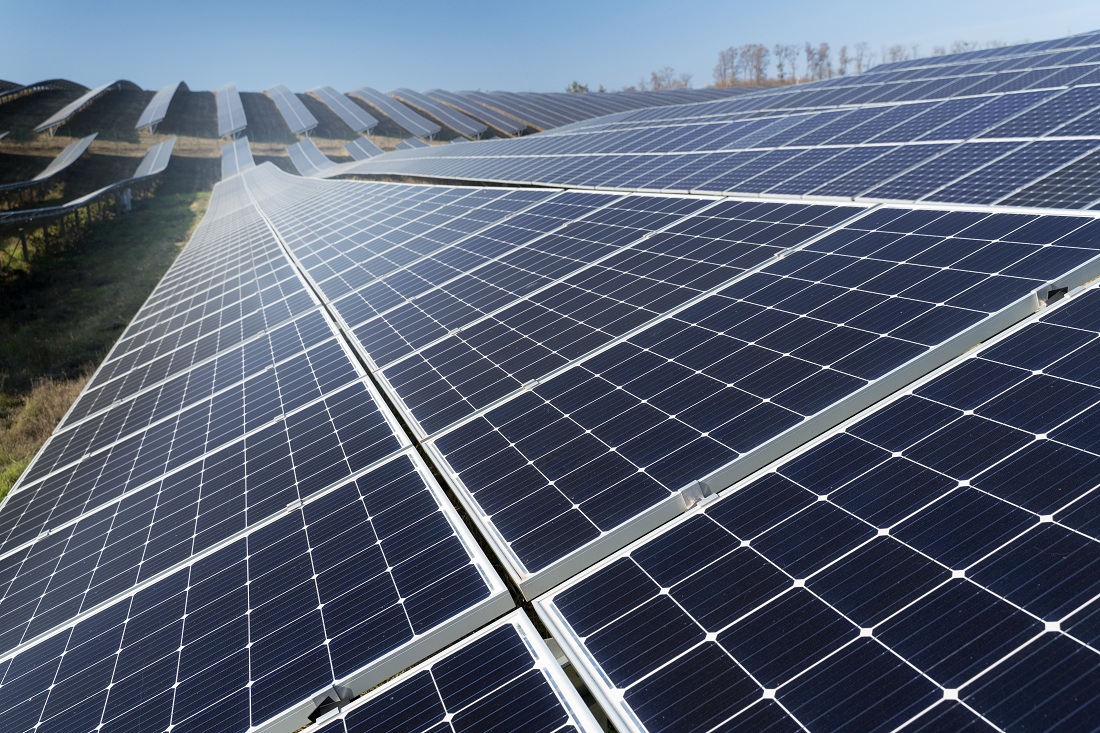
Solar panels, which are essential components of solar energy systems, provide the foundation for gathering renewable energy from sunlight. These panels are made up of linked solar cells that catch photons from sunlight using semiconductor materials such as silicon. Upon absorption, electrons inside the semiconductor material are stimulated, resulting in an electric current. This direct-current (DC) electricity circulates through the connecting cells, eventually generating useful energy. This electricity is then transformed to alternating current (AC) via an inverter, making it compatible with regular electrical systems. The use of solar panels has significant environmental benefits. The reduction in greenhouse gas emissions is the most significant of these advantages. By generating power without burning fossil fuels, solar panels help reduce climate change by reducing the production of CO2 and other harmful emissions associated with traditional energy sources. Thus, the widespread use of solar panels is an important step toward a more sustainable and ecologically conscious energy future. Taking advantage of solar energy via solar panels offers a viable solution to the environmental challenges produced by existing energy sources.
Conclusion
By harnessing the sun’s energy, we can drastically cut greenhouse gas emissions, air and water pollution, and our dependence on finite fossil fuels. Embracing solar energy technology encourages sustainability and helps to protect natural resources for future generations. As we continue to innovate and extend solar power infrastructure, governments, businesses, and individuals must collaborate to make the shift to renewable energy a priority. Let us all take proactive actions to incorporate solar energy into our daily lives in order to make the planet a cleaner, healthier place for everyone.
Also, check out these interesting articles related to Solar Power.
Solar-Powered Home Design Trends: A Green Future Ahead
Home Solar Installation: A Complete Guide
FAQS – Solar Energy
1. How does solar energy help reduce greenhouse gas emissions?
Solar energy generates electricity without burning fossil fuels, significantly reducing carbon dioxide and other greenhouse gas emissions that contribute to climate change.
2. Can solar energy improve air quality?
Yes. Solar power production does not release harmful pollutants such as sulphur dioxide, nitrogen oxides, or particulate matter, helping create cleaner air.
3. Why is solar energy considered a renewable resource?
Solar energy comes from sunlight, which is naturally replenished and available in abundance, unlike finite fossil fuel reserves.
4. How does solar energy help with water conservation?
Solar panels require very little water to generate electricity, unlike many conventional power plants that depend heavily on water for cooling processes.
5. Are solar panels environmentally friendly in the long term?
Yes. Solar panels produce clean electricity for many years, reducing reliance on fossil fuels and supporting environmental sustainability over their lifespan.
Author & Expert Review
Written By:  Gaurav Mishra | Civil Engineer & Content Writer

| Credentials: B.E. (Mahavir Swami College, Surat), Registered with Bhagwan Mahavir University (BMU). Experience: Civil Engineer with 5+ years of content writing experience, currently writing impactful articles for Gharpedia, part of SDCPL. Expertise: Specializes in writing well-researched content on residential construction, construction materials, design planning, on-site practices, and safety, blending technical accuracy with everyday clarity. Find him on: LinkedIn |
Verified By Expert:  Avni Desai | Environmental Engineer, SDCPL | M.E. (Environmental Engineering)
 Avni Desai | Environmental Engineer, SDCPL | M.E. (Environmental Engineering)
 This article has been reviewed for environmental, MEP, and building services accuracy by Avni Desai, an Environmental Engineer at Sthapati Designers & Consultants Pvt. Ltd. (SDCPL). With over 8 years of experience in water supply, wastewater management, infrastructure design, and building services, she brings practical expertise in MEP services, sustainable solutions, design planning, and on-site practices. Her professional services include planning and design of water supply systems, sewage and wastewater treatment systems (STP/WTP), drainage, rainwater harvesting, and other sustainable building services. Her review ensures the content aligns with environmental standards, efficient services planning, and real-world applicability.
Find her on : LinkedIn