




Table of Contents
Quick Summary
- Smart electrical planning improves energy efficiency and reduces electricity waste in modern buildings.
- Automation systems help manage lighting, climate control, and energy consumption effectively.
- Renewable energy integration supports eco-friendly and sustainable living environments.
- Smart grids and real-time monitoring enhance power management and operational efficiency.
- Flexible infrastructure allows buildings to adapt to future technologies and urban growth.
- Intelligent systems improve indoor comfort, convenience, and occupant well-being.
- Sustainable electrical planning lowers carbon footprints and supports greener communities.
- Future-ready building designs increase resilience, functionality, and long-term property value.
Smart electrical planning is essential to sustainable architecture, helping buildings reduce energy use, lower carbon footprints, and improve comfort. By combining intelligent systems with efficient design, homeowners and developers can create spaces that support greener living, whether building from scratch or upgrading an existing property.
Integrating Electrical Systems With Eco-Friendly Building Methods
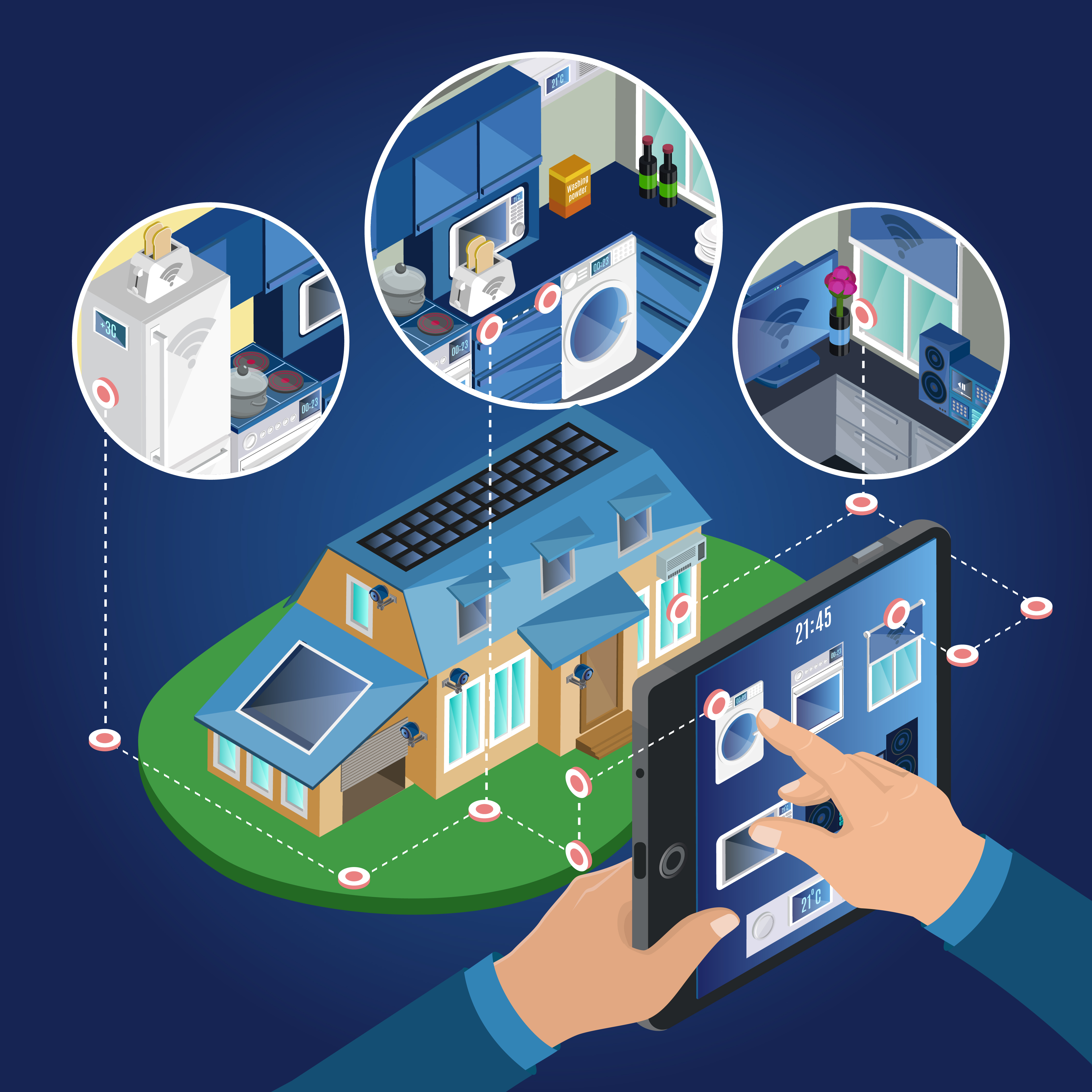
Incorporating smart electrical planning into sustainable architecture involves aligning electrical system design with environmentally friendly building techniques. This includes using sustainable materials, ensuring energy efficiency, and leveraging smart grid technologies to create a cohesive and sustainable building environment.
Synergy Between Electrical Design and Sustainable Materials
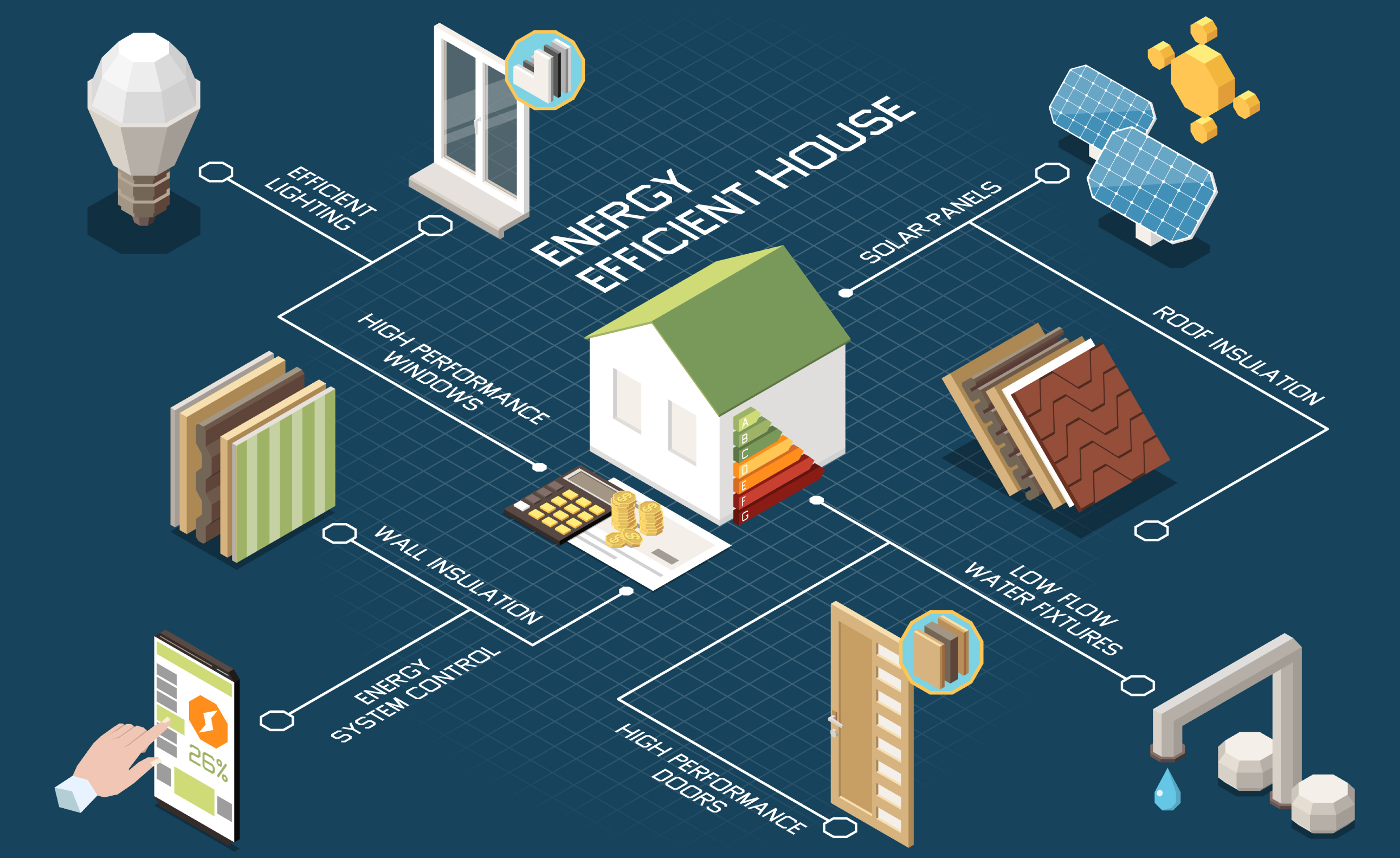
When planning a sustainable building, consider how electrical systems interact with eco-friendly materials. Using materials like bamboo and recycled metals can reduce energy consumption. Sustainable insulation can enhance electrical efficiency by maintaining temperature levels, lessening the load on HVAC systems.
Strategically placing wiring and outlets optimizes both electrical function and material use, minimizing environmental impact. Technologies like LED lighting complement sustainable materials by reducing energy usage. Energy-efficient appliances further align with green building methods, supporting a holistic approach to sustainability.
Balancing Energy Efficiency with Architectural Aesthetics
Achieving a balance between energy efficiency and aesthetics is essential. Thoughtful electrical system placement allows you to maintain your design vision without sacrificing function. Employ architectural elements like solar panels that integrate seamlessly into building designs.
Consider the visual impact of energy-efficient lighting solutions. LED strips can be recessed into ceilings or floors to provide ample light without cluttering design lines. Using transparent photovoltaic glass lets you harness solar energy while maintaining architectural beauty. This dual approach ensures efficient yet visually appealing environments.
Smart Grid Connectivity for Modern Buildings
Smart grid connectivity provides an innovative solution for energy distribution, adapting usage patterns based on demand. Connecting your building’s systems to a smart grid allows for effective management of energy resources. Real-time data assists in optimizing consumption, reducing overall energy costs.
Smart meters and sensors play crucial roles in monitoring and managing energy usage. Investing in these technologies not only improves efficiency but also enhances building automation systems. Working with an expert electrician in Canton can help ensure these systems are installed safely, configured correctly, and aligned with the building’s long-term energy goals. By implementing smart grid connectivity, buildings can balance energy loads with renewable sources, fostering a sustainable urban ecosystem.
Harnessing Technology for Enhanced Energy Performance
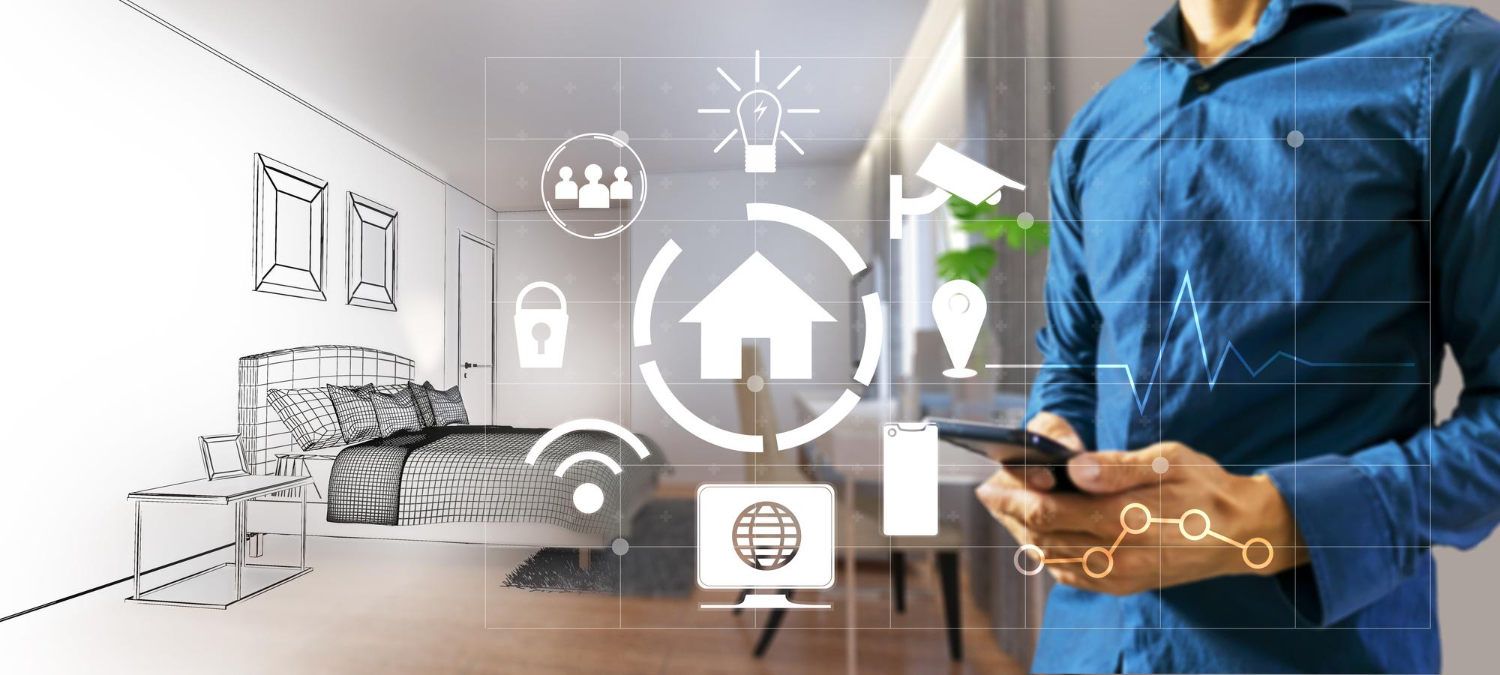
Implementing technology in energy systems can vastly improve efficiency and sustainability in architectural projects. By integrating smart management systems and automation, energy consumption can be optimized in real-time.
Intelligent Energy Management Systems
Utilizing intelligent energy management systems can transform how you handle energy consumption. These systems are designed to monitor and manage energy usage effectively, employing AI to anticipate your needs. For building owners and facility managers, this can also support a more accurate electricity bill management solution by identifying waste, forecasting demand, and improving cost control. They help in optimizing energy distribution by learning usage patterns over time.
With advanced algorithms, these systems prioritize energy delivery to essential services when needed the most. They can even recommend the best times to utilize renewable energy, maximizing efficiency. Energy management is no longer a static feature but a dynamic part of building management.
Automation for Lighting and Climate Control
Automation offers a hands-free solution to maintaining optimal lighting and climate conditions in your space. Smart lighting systems automatically adjust based on the amount of natural light available, reducing unnecessary energy consumption. This feature caters to your comfort and supports energy-saving goals.
Climate control solutions automate heating and cooling adjustments, maintaining a comfortable environment. You can set preferences and trust the system to adjust according to your schedule and weather predictions. This automation reduces energy waste, contributing to lower operational costs.
Monitoring and Real-Time Data Analysis
Incorporating detailed monitoring and real-time data analysis offers insights into energy performance. By tracking energy usage continuously, you gain a comprehensive view of where improvements can be made.
These systems alert you to irregularities, enabling prompt corrective measures. Access to real-time data helps in making informed decisions quickly, optimizing energy use without compromising on comfort or efficiency.
Real-time data analysis doesn’t just identify problems; it aids in crafting solutions by providing actionable insights. You are empowered to make energy-efficient choices tailored to your building’s needs.
Designing for Future Flexibility and Resilience
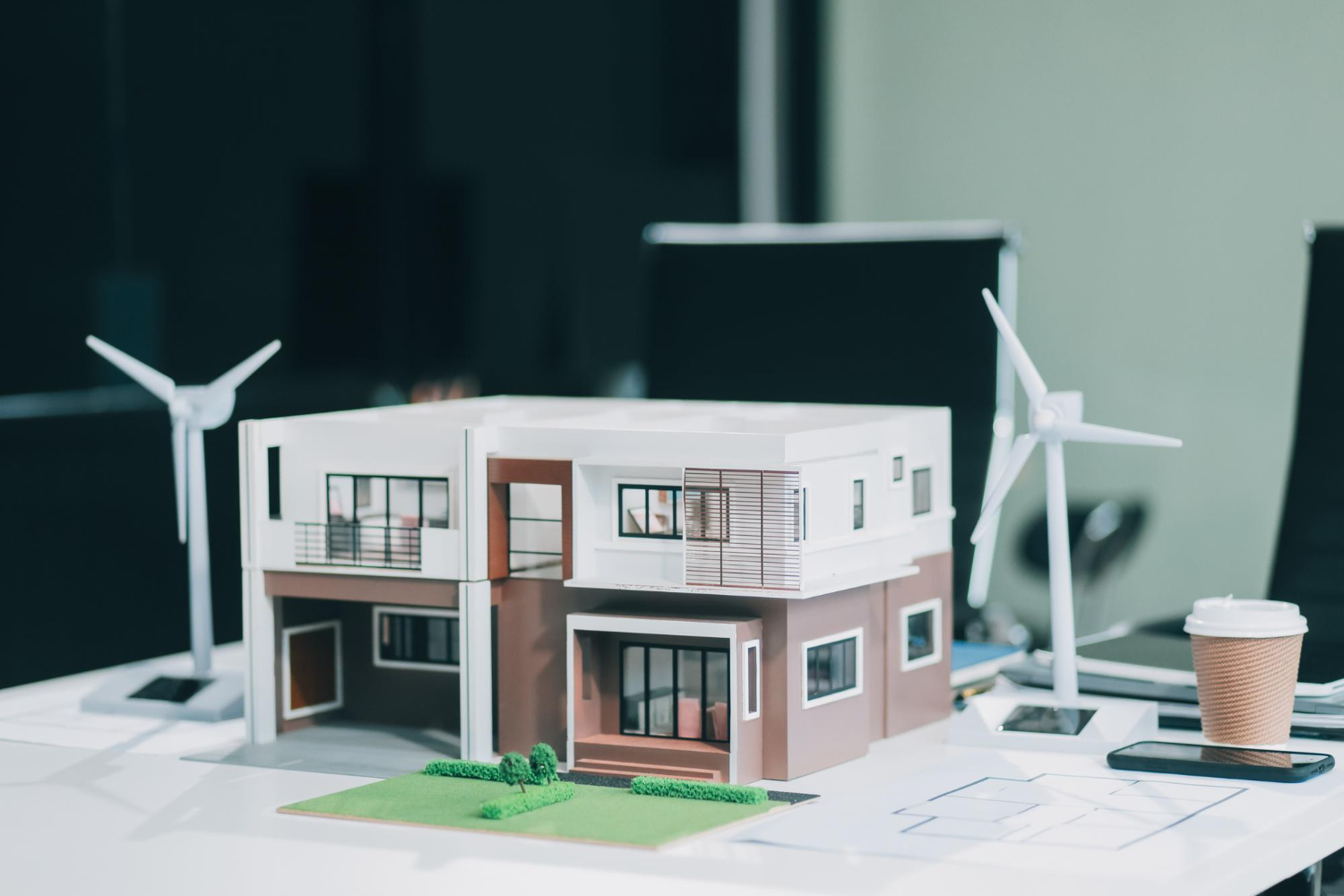
Sustainable architecture requires careful planning to ensure buildings remain adaptable and responsive. Incorporating smart electrical systems allows structures to meet changing needs, support renewable energy sources, and accommodate urban growth.
Adaptable Infrastructure to Support Renewable Energy
Adopting flexible infrastructure solutions is key to integrating renewable energy sources in buildings. By installing modular power systems, you can seamlessly incorporate solar panels, wind turbines, or other renewable technologies down the line. This approach not only supports energy efficiency but also reduces dependence on non-renewable sources.
Consider incorporating smart grids within your designs, allowing real-time monitoring and optimization of energy usage. Smart grids enable you to manage energy distribution efficiently, balancing supply and demand. This adaptability is crucial, especially with the increasing shift towards sustainable energy solutions. Utilize battery storage systems as an integral part of the framework, ensuring that surplus energy is stored and used when required. Planning with these parameters in mind empowers you to future-proof buildings, accommodating emerging technologies that enhance energy resilience.
Scalable Solutions for Growing Urban Spaces
Urban growth demands scalable infrastructure solutions. Intelligent architectural planning can accommodate population growth and shifting urban landscapes while maintaining eco-friendly standards. When designing scalable spaces, think about the efficient use of space and resources that can adapt over time as needs change.
Implementing multi-functional systems ensures that spaces can be repurposed without major structural changes. For instance, using modular interior components allows rapid reconfiguration of office spaces or housing units.
Anticipate future technological advancements and infrastructure demands by integrating smart city connectivity features. Designing buildings with Internet of Things (IoT) compatibility ensures easy adaptation to emerging urban technologies. Through thoughtful planning, you can create environments that not only respond flexibly to change but also contribute to smarter, sustainable urban ecosystems.
Impact on Occupant Well-Being and Community Engagement

Smart electrical planning in sustainable architecture isn’t just about saving energy. It plays a crucial role in enhancing the life quality of occupants and fostering a sense of community engagement. This section will explore the benefits of indoor environmental quality improvements and how technology encourages sustainable living.
Improving Indoor Environmental Quality
When you incorporate smart systems into your home or workplace, you’re setting the stage for a healthier indoor environment. Smart lighting systems can adjust to the natural daylight cycle, which improves sleep patterns and boosts mood. Automated climate control ensures that temperature and humidity levels are always ideal, reducing discomfort and potential health issues. These intelligent systems learn your preferences over time, making indoor spaces not just comfortable but also personalized.
Air quality is another critical factor. Smart ventilation systems can detect elevated levels of pollutants and adjust air flow automatically. This keeps the air fresh and clean, helping to prevent allergies and respiratory issues. By choosing to invest in these smart systems, you prioritize well-being and create a sanctuary that supports both physical and mental health.
Promoting Sustainable Lifestyles Through Technology
Sustainable architecture goes hand-in-hand with promoting environmentally friendly habits. Smart systems make it easier for you to understand and reduce your energy consumption. Energy monitors and smart meters give real-time insights, so you can see how your choices impact both the environment and your wallet. You can track usage, identify wasteful patterns, and make adjustments effortlessly.
Community engagement is also enhanced through shared initiatives. Smart technologies allow you to participate in community-wide energy-saving challenges or share surplus renewable energy with neighbors. Apps and online platforms provide educational resources, fostering a community of informed and engaged citizens. You become part of a collective effort, where each small action contributes to a greater good for both the planet and your local community.
Building Smarter, Greener Spaces
Smart electrical planning helps sustainable architecture go beyond efficient materials and renewable energy. By combining intelligent systems, automation, real-time data, and flexible infrastructure, buildings can reduce energy waste, improve comfort, and adapt to future needs while supporting healthier, more connected communities.
Final Words
Smart Electrical Planning in Sustainable Architecture plays a vital role in creating energy-efficient, future-ready, and environmentally responsible buildings. By integrating automation, renewable energy systems, smart monitoring, and flexible infrastructure, modern spaces can reduce energy waste while improving comfort and functionality. As sustainable living continues to gain importance, smart electrical planning helps homeowners, architects, and developers build greener spaces that support long-term efficiency, resilience, and healthier communities.
Also Read: 8 Energy Management Applications for Smart Home
FAQs on Smart Electrical Planning
1. What is smart electrical planning in sustainable architecture?
Smart electrical planning involves designing energy-efficient electrical systems that support automation, renewable energy, and sustainable building practices.
2. How does smart electrical planning improve energy efficiency?
It reduces unnecessary power consumption through smart lighting, automation, energy monitoring, and efficient electrical layouts.
3. Why are smart systems important in modern buildings?
Smart systems improve comfort, convenience, security, and energy management while lowering operational costs.
4. How do renewable energy systems support sustainable architecture?
Renewable energy sources like solar power reduce dependence on conventional electricity and lower carbon emissions.
5. What role does automation play in sustainable homes?
Automation controls lighting, temperature, and appliances efficiently, helping reduce energy waste and improve convenience.
6. How does future-ready infrastructure benefit buildings?
Future-ready infrastructure allows buildings to adapt to emerging technologies, changing energy needs, and smart city developments.
Author & Expert Review
Written By:  Nidhi Patel | Civil Engineer & Content Writer

| Credentials: B.E. (Mahatma Gandhi Institute of Technical Education and Research Centre), Registered with Gujarat Technological University (GTU). Experience: Civil Engineer with 3+ years of content writing experience, currently writing blogs for Gharpedia, part of SDCPL. Expertise: Specializing in SEO-optimized blogs and long-form articles focused on home improvement, construction, interiors and architect topics. I create well-researched, reader-focused content that balances technical accuracy with clarity, making complex subjects easy to understand. Find her on: LinkedIn |
Verified By Expert: Mansi Shah – Architect & Architectural Content Writer, SDCPL | B.Arch.
 Mansi Shah – Architect & Architectural Content Writer,
 This article has been reviewed for architectural and interior design accuracy by Mansi Shah, an Architect associated with Sthapati Designers & Consultants Pvt. Ltd. (SDCPL). With over 25 years of professional experience in architectural planning, design development, detailing, and on-site execution of residential, commercial, and institutional projects, she brings deep expertise in architecture and interior planning, material selection, construction practices, and building bylaws. Her review ensures the content reflects practical design principles, interior space efficiency, and industry-aligned architectural standards.
Find her on: LinkedIn