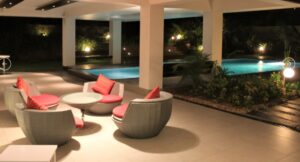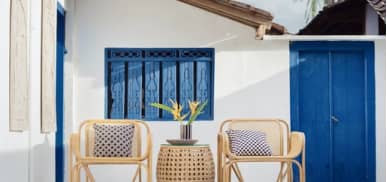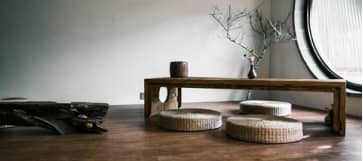






Table of Contents
Quick Summary
- Measure your floor space and account for doorways, pathways, and non-removable items before selecting furniture dimensions.
- Choose materials like wood or upholstery based on durability, maintenance needs, and room aesthetics.
- Ensure proper seat height, depth, and backrest support to maximize comfort for dining, office tasks, or lounging.
- Coordinate shapes, colours, and finishes to complement the room’s overall style.
- Utilize movable, lightweight, or stackable designs when learning how to choose the right seating for modern home layouts that serve multiple functions.
- Check frame construction, solid welds, and secure joints to ensure furniture can handle daily wear.
- Factor in quality, delivery, maintenance, and expected lifespan rather than just upfront pricing.
- Use nesting tables, folding chairs, or compact stools to maximize functionality without overcrowding.
Courtesy - Magnific
Choosing the seating is a key part of making a space feel comfortable and nice to be in. Whether you are setting up a living room working on a home office or getting ready for a restaurant the chairs and sofas you pick have an impact on how people move around and feel in that area. Good seating can help people do their tasks and also make the place look nice. Picking the right seating is not just about finding something that looks good.
1. Assess the Space Before Selecting Seating
Courtesy - Magnific
The journey begins with some location information. The furniture that fits best in a spacious living area might not work well in a small kitchen, narrow dining room, or busy store interior. The first thing to do is measure the available floor space and find any doors, paths, tables, and other non-removable items in the area.
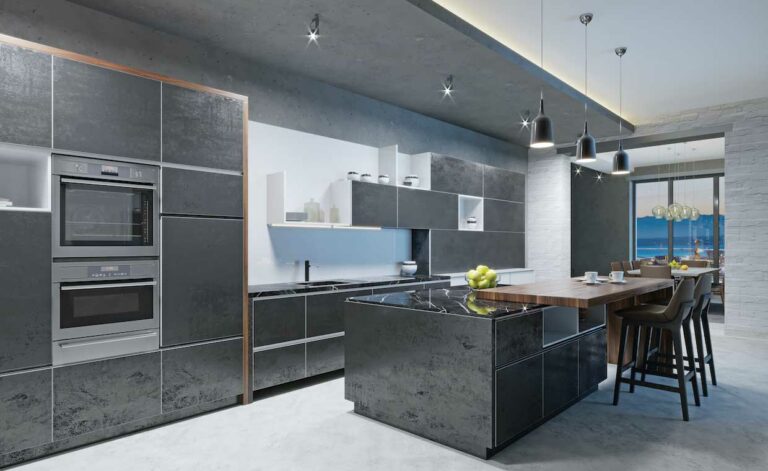
These measurements help determine the appropriate furniture dimensions and prevent overcrowding. For smaller homes and contemporary commercial interiors, metal counter height stools can be a practical seating option for kitchen islands, breakfast counters, and elevated dining surfaces.
2. Choose Materials That Match the Purpose
Courtesy - Magnific
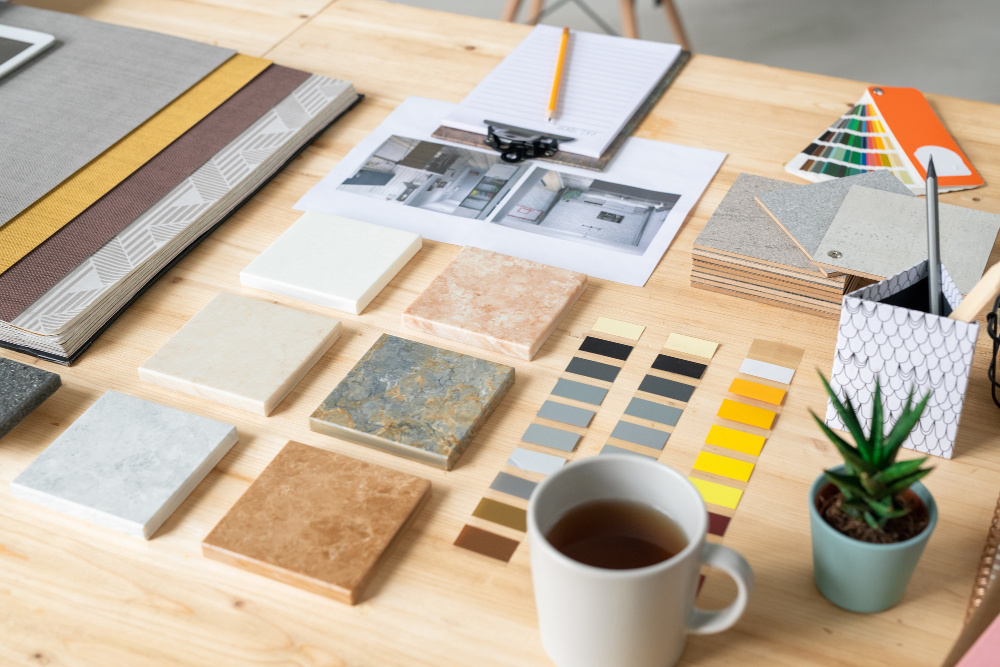
Furniture materials play a role in how long it lasts, how it looks, how easy it is to keep clean and how well it works in your space. The best choice depends on how the seating will be used and what kind of environment it’s in.
Wood gives off a classic feel and fits well in many homes. It’s a pick for living rooms and other relaxed spaces. Upholstered seating adds comfort, especially in places like living rooms, lounges and waiting areas where people sit for longer.
Before buying think about these material factors:
- Durability: Pick materials that can handle how much and how hard they’ll be used.
- Maintenance: Think about how simple it’s to wipe down or clean the surface.
- Appearance: Choose finishes that match the colours, textures and style of the room.
3. Prioritize Comfort and Ergonomics
Courtesy - Magnific
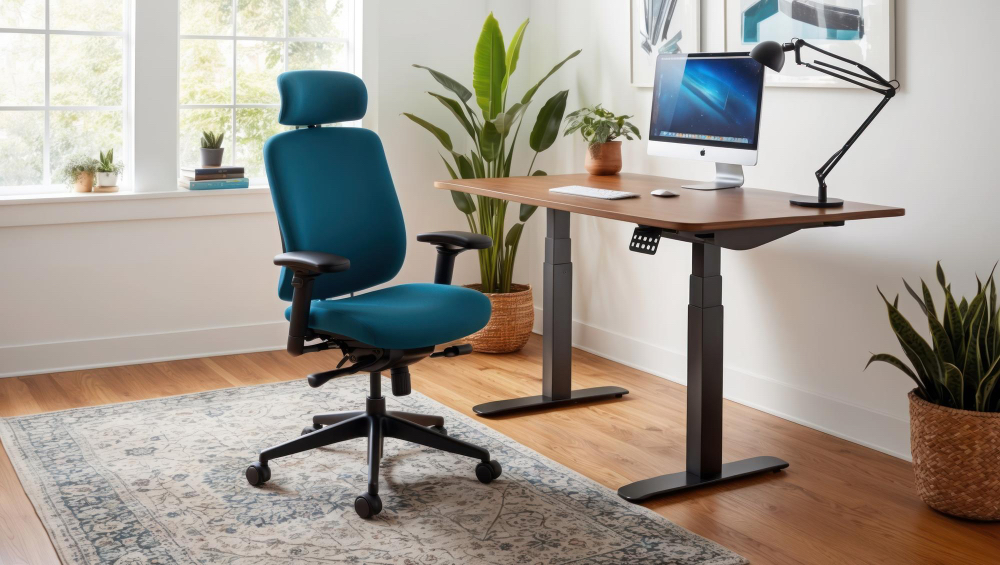
Comfort must come first in both home and business seating. Furniture can look nice. If the seat height is wrong, if the sitting surface is too narrow or if the backrest is in a bad spot then comfort will suffer. Think about the activity you plan to do before you choose a design.
Dining chairs need to let people sit comfortably at the table. Office chairs often need features that can be adjusted and extra back support. Seating around kitchen islands and counters should give legroom and when needed, a handy footrest. Seat depth and width are also important.
4. Match Seating with the Interior Design
Courtesy - Magnific
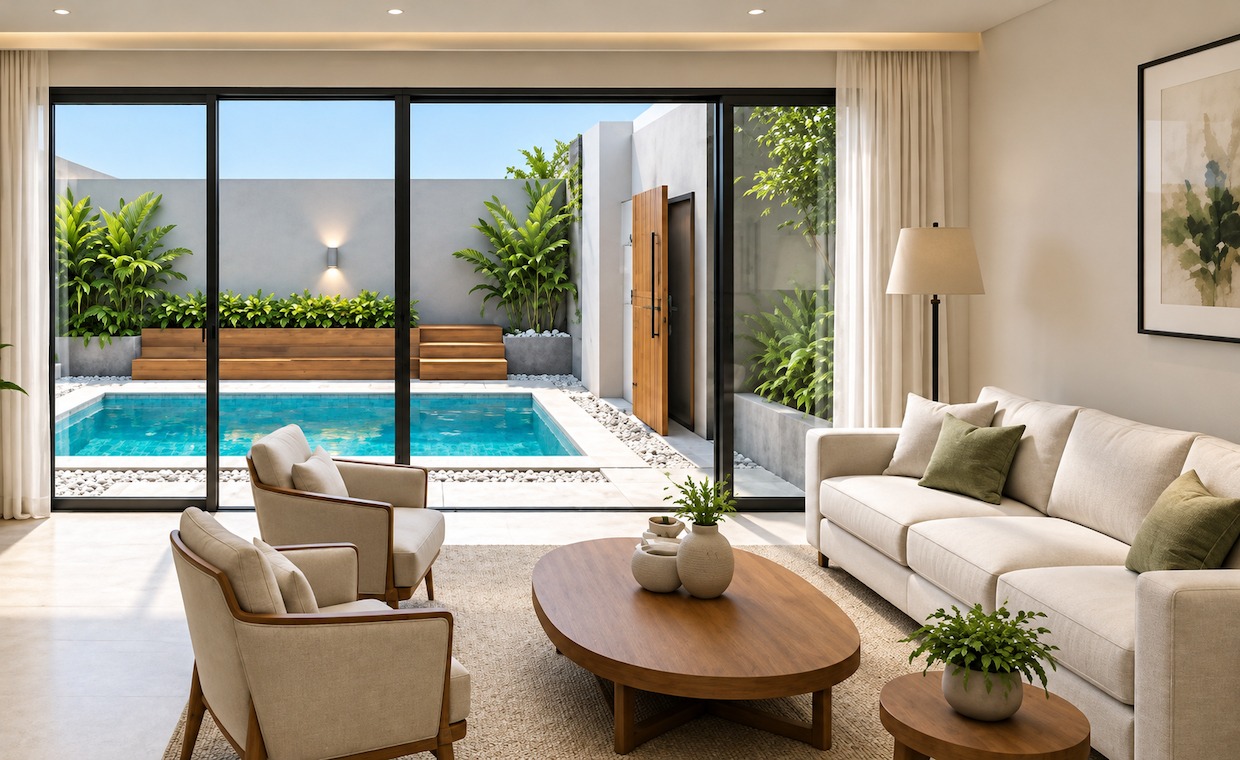
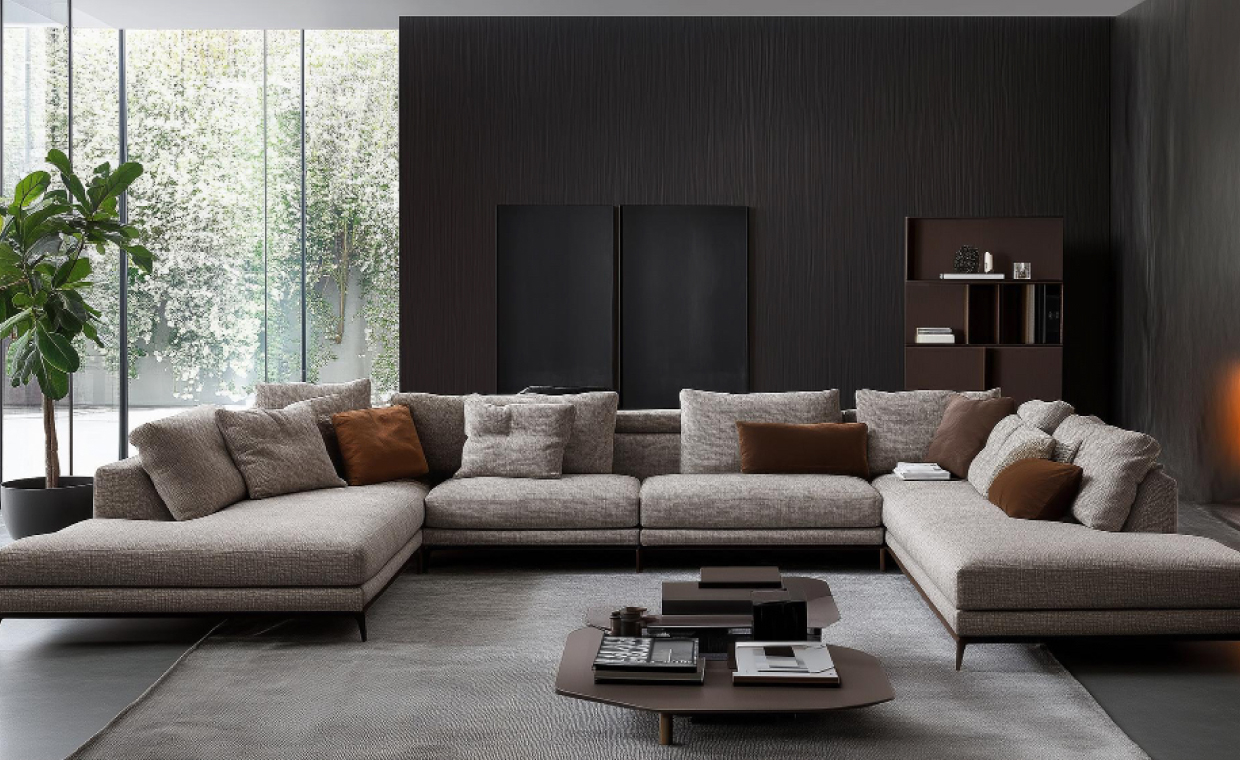
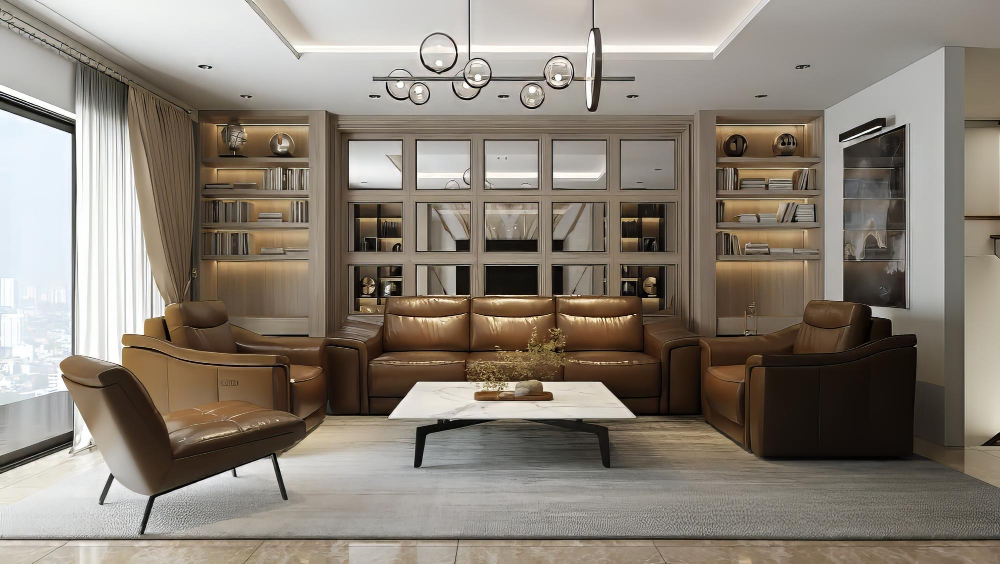
Seating shapes the feel of a room. I notice that the shape, colour, material and finish of seating can fit well with the room or bring a look. In homes, plain shapes and neutral colours usually give a tidy clear look. Natural wood finishes bring warmth while metal frames can add a modern feel.
Upholstered seating can soften rooms that have surfaces such as stone, glass or concrete. In spaces a different plan is needed. Restaurants, cafés, offices and reception areas often use seating to strengthen their mood and visual identity.
5. Consider Flexibility and Storage
Courtesy - Magnific
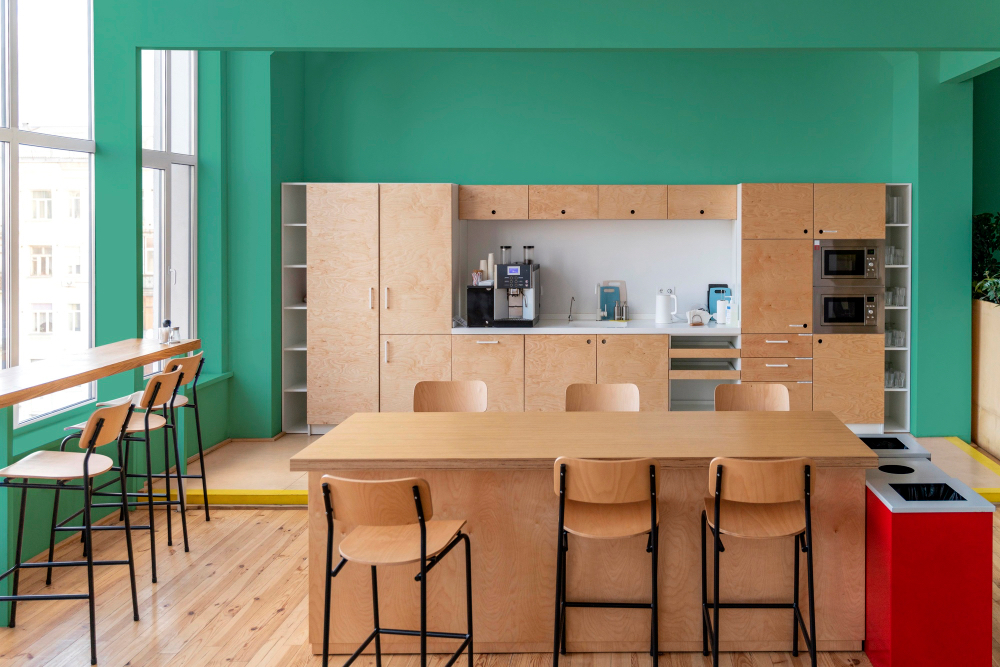
Modern spaces often must do more than one job. I see a kitchen that can also be a dining space. I see an apartment that might have a work corner. I see a restaurant that may need to change its seating for group sizes. Flexible furniture makes these changes easier. I find chairs, movable stools and stackable designs help use every square foot. I find they are especially useful when seating changes, during the day.
When I look at furniture I think about its weight, how easy it is to move, how I store it and how steady it stays. I make sure stackable products are made for stacking and used just like the maker says.
6. Evaluate Durability and Maintenance Requirements
Furniture used every day should be strong enough to handle use. This is especially true in places like offices or stores where chairs and tables get a lot of traffic each day. Before buying take a look at the frame how the parts connect, the seat and the outer finish. For metal furniture check that the welds are solid, the screws and bolts are tight.
The coating protects against rust. For furniture make sure the joints are secure and the surface is right for the place it will be used. When choosing furniture, consider the maintenance it will require.
7. Compare Cost, Quality, and Long-Term Value
Budget is another factor when choosing seating. The priced option is not always the most economical especially when furniture is expected to handle frequent use. Look at construction quality, comfort, material, warranty, maintenance and how long the piece is expected to last.
For buyers it’s also smart to figure out the total cost of furnishing the space. That includes delivery, assembly, replacement parts and future upkeep. Buying pieces at once can help businesses keep a consistent look. Each item should still meet the required quality standards. Always ask for product specifications and double-check dimensions before placing an order.
8. Explore Space-Saving Seating Options
Courtesy - Magnific
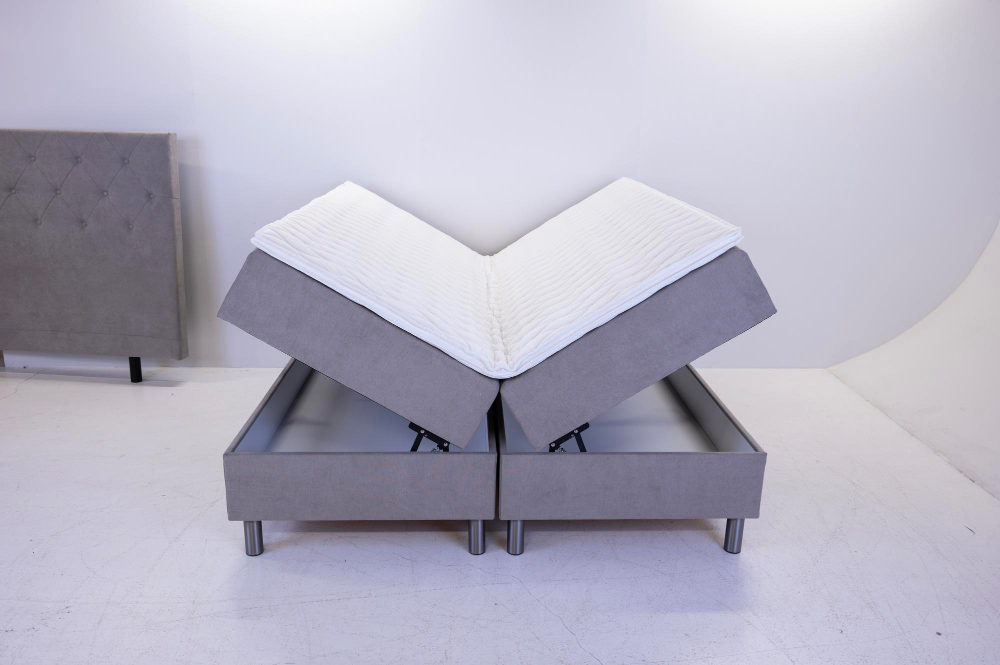
In situations where a room must be functional and not overcrowded, such furniture is relevant. Small armchairs, nesting tables, folding chairs, stacking stools can all provide solutions in the home and office. For example, in small dining areas, stools can be located under the bar when not in use. A multifunctional room can have mobility features that allow rearranging furniture depending on meal and work time or guests visiting.
In commercial environments like cafes, event venues, etc. Metal bars stackable stools can help with storage as no excess seating is needed. Before making a choice, be sure to confirm the stated limit for stacking, as well as the total weight and recommended size.
Conclusion
Choosing the seats means finding a good mix of comfort looks, style, how long they last and how much they cost. By looking at the space, picking the right materials, checking if they are good for the body and thinking about storage, people who own homes and manage commercial places can choose better furniture.
The best seats are not always expensive or the latest trend. They are the seats that help with tasks fit the place they are in and keep being useful, for a long time.
Also Read: 9 Tips to Buy Furniture for Your Home!
FAQs on How to Choose the Right Seating for Modern Home
1. What should I consider when choosing seating for a small space?
Measure the available area, check the required seat height, and choose compact designs that allow easy movement. Lightweight, movable, or stackable furniture may help keep the room flexible.
2. Which seating materials are suitable for busy commercial spaces?
Metal, solid wood, and appropriately constructed upholstered furniture can all be suitable. The best choice depends on usage, maintenance requirements, construction quality, and the environment.
3. How do I choose the correct stool height for a counter?
Measure the distance from the floor to the counter’s underside and allow sufficient space for comfortable leg movement. Compare this measurement with the manufacturer’s recommended seat height before purchasing.
4. Are stackable stools useful for restaurants and cafes?
Yes. They can make storage and floor-layout changes easier when the products are designed for stacking. Businesses should follow the manufacturer’s stacking limits and handling instructions.
5. How can seating complement a modern interior?
Choose furniture that coordinates with the room’s colours, materials, proportions, and overall style. Combining complementary finishes and textures can create visual interest without making the space feel cluttered.
6. How to choose the right seating for modern home spaces?
Measure your available area, check required seat heights, evaluate material durability, and select compact or flexible designs that ensure comfort and effortless movement.
Courtesy - Featured Image(Magnific)
Author & Expert Review
Written & Verified By:  Farhan Shaikh – Senior Manager – Architect, SDCPL | Associate Member – IIA

| Credentials: Senior Manager – Architect at Sthapati Designers & Consultants Pvt. Ltd. and Associate Member of the Indian Institute of Architects (IIA). Experience: Architect with hands-on experience leading architectural and interior design projects at SDCPL, including architectural planning, interior design, project coordination, and sustainable design strategies. Expertise: Specializing in architectural planning, interior design, project coordination, and sustainable design. He reviews content to ensure it reflects practical design considerations, industry best practices, technical accuracy, and real-world applicability across architecture and interior spaces. Find him on: Linkedin |