







Table of Contents
Quick Summary
- Recurring drain clogs often indicate underlying plumbing problems rather than simple bad luck.
- A sewer camera inspection lets technicians look inside lines in real time to identify the true root cause.
- The process reveals tree root intrusion, cracks, broken sections, and misaligned pipe joints.
- It also detects structural issues like sagging bellies, heavy grease, scale buildup, and foreign objects.
- High-resolution video footage removes guesswork, helping avoid unnecessary digging and property damage.
- Knowing the exact problem ensures precise repairs, supports accurate contractor quotes, and protects your budget.
Courtesy - Magnific
You clear the drain, and it works for a week. Then the water slows down again, the gurgling returns, and you’re back to the plunger or a bottle of cleaner. A clog that keeps coming back is rarely bad luck. It usually means something in the pipe is giving debris a place to catch.
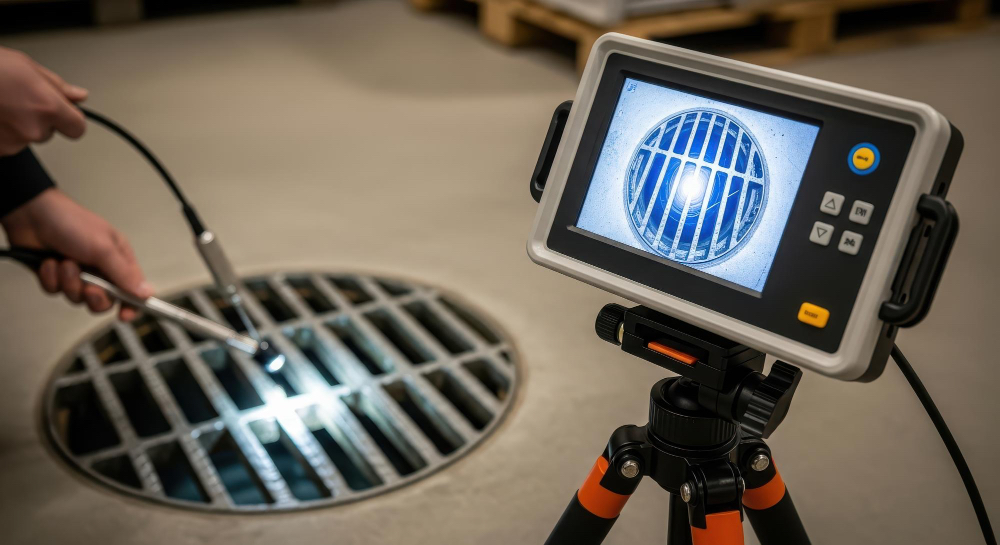
A sewer camera inspection lets a plumber see something instead of guessing. By sending a small waterproof camera through the line, a technician can find out why the clog keeps returning and recommend a fix that actually holds.
Quick Answer: What Does a Sewer Camera Inspection Show?
A sewer camera inspection shows the inside of your drain or sewer line in real time. It can reveal tree root intrusion, cracks and breaks, collapsed or misaligned sections, sagging pipe, grease and scale buildup, foreign objects, and corrosion. This turns a recurring clog from a mystery into a specific, fixable problem.
Why Recurring Clogs Point to a Deeper Problem
A one-time clog often comes from something simple, like a hairball or a wad of paper. A clog that returns again and again suggests the pipe itself is the issue. Rough surfaces, gaps, or low spots catch debris and build up over time.
Snaking or using chemical cleaners may clear the blockage, but if the cause stays in place, the clog comes back. That cycle costs time and money, and it can hide damage that’s getting worse underneath your yard or foundation.
What a Camera Inspection Can Reveal
Courtesy - Canva
Tree Root Intrusion
Roots seek out moisture, and a sewer line is a reliable source. Even a hairline crack or loose joint lets fine roots in. Once inside, they grow into dense masses that catch paper and waste.
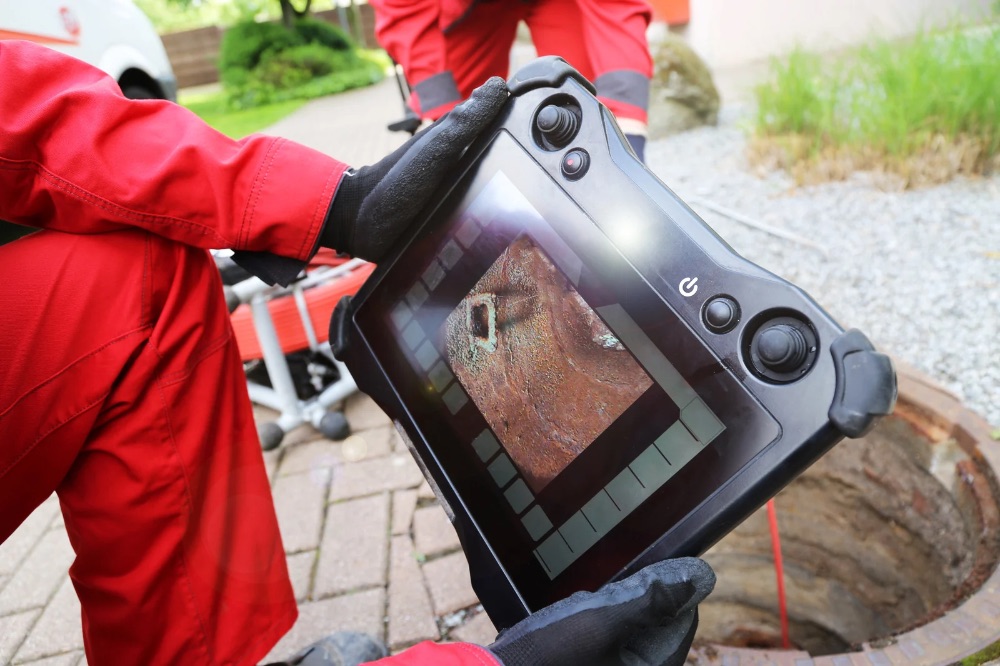
On camera, roots appear as hair-like strands or thick tangles entering at joints or cracks. Seeing where they enter tells the technician whether cutting them will be enough or whether the pipe needs repair.
Cracks, Breaks, and Collapsed Sections
Older clay, cast iron, and Orangeburg pipes can crack, shift, or collapse. A damaged section leaves rough edges that snag waste and allows soil to wash into the line.
The camera shows the location and severity, which determines whether a spot repair, relining, or replacement makes sense.
Bellies and Sags
A belly is a low spot where the pipe has settled and holds water. Waste collects there instead of flowing downhill, which causes repeat clogs in the same area. A camera with locating equipment can show where the dip begins and how long it is.
Grease, Scale, and Buildup
Grease, soap scum, and mineral scale coat pipe walls and narrow the opening. Cast iron pipes, in particular, can develop rough, scaly deposits called tuberculation. The camera shows how thick the buildup is, which helps the technician choose between snaking, hydro jetting, or other cleaning methods.
Offset or Misaligned Joints
If one pipe section sits slightly off from the next, it creates a lip where debris catches. These offsets can result from soil movement, poor installation, or settling.
Foreign Objects
Toys, wipes, and other items sometimes lodge in a line. A camera finds them quickly, so they can be retrieved without guesswork.
Pipe Material and Condition
The inspection also shows what your pipes are made of and how much life they have left. That helps you plan for future repairs and decide whether a short-term fix or a long-term solution is the better investment.
How the Inspection Works
Courtesy - Canva
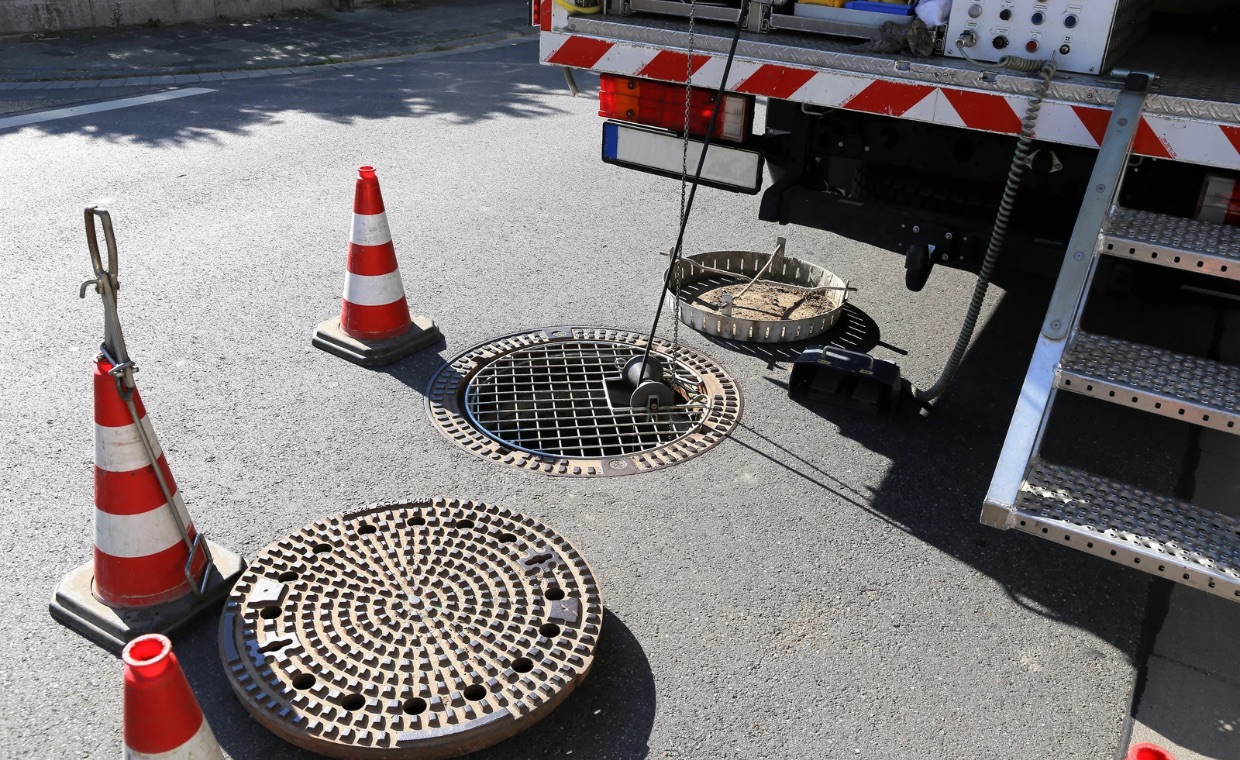
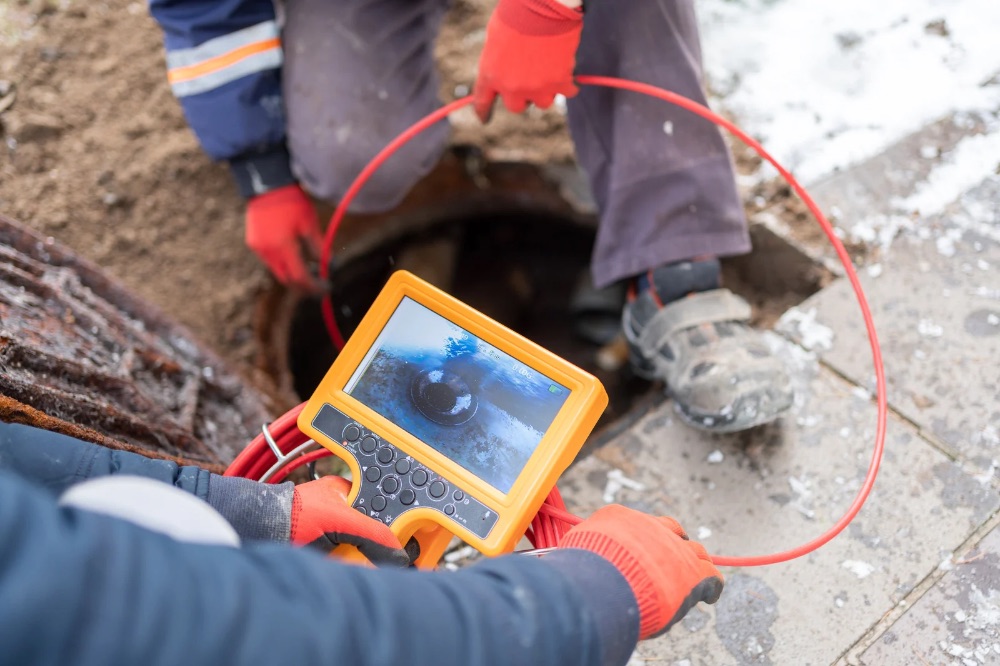
The process is straightforward. A technician accesses the line through a cleanout, then feeds a flexible cable with a high-resolution camera and light into the pipe. A monitor shows the live view, and many systems record video and photos.
Most inspections take less than an hour. Many cameras also include a locating transmitter, which lets the technician pinpoint a problem’s depth and position above ground. That precision keeps excavation limited to the spot that needs attention.
Key Benefits of a Camera Inspection
- It finds the cause, not just the symptom. You learn why the clog keeps coming back.
- It avoids unnecessary digging. Pinpointing the problem prevents guesswork and reduces damage to landscaping and hardscaping.
- It supports accurate quotes. Video evidence helps contractors price the right repair.
- It catches small problems early. A hairline crack or minor root intrusion costs less to fix than a collapsed line.
- It helps with real estate decisions. Buyers and sellers often use inspections to understand the condition of a property’s sewer line.
Buying Guide: What to Look for in an Inspection Provider
| Factor | Why It Matters |
| Licensing and insurance | Confirms qualifications and protects your property |
| Camera quality | Clear, high-resolution video makes it easier to identify problems |
| Locating equipment | Lets the technician mark exact depth and position of any defect |
| Recorded footage and report | Gives you evidence for repairs, insurance, or a sale |
| Explanation of findings | A good technician shows you the footage and explains what it means |
| Repair options | A provider who offers cleaning and repair can move quickly from diagnosis to fix |
| Pricing | Ask whether the inspection fee applies toward repair work |
| Reviews | Consistent local feedback indicates reliability |
Plumbing companies such as Lowery’s Plumbing offer sewer camera inspection services, so homeowners can get a diagnosis and a repair quote from the same team. Wherever you go, ask for a copy of the video.
Common Mistakes to Avoid
- Treating repeat clogs as normal. A recurring clog usually has a cause worth finding.
- Relying on chemical cleaners. They rarely fix structural problems and can be harsh on older pipes.
- Guessing at the problem. Digging or replacing pipe without a camera inspection can lead to unnecessary cost.
- Skipping the inspection after buying an older home. Hidden defects are common and expensive.
- Ignoring warning signs. Gurgling, slow drains, odors, and backups all deserve attention.
- Not asking for the footage. Without a record, it’s harder to compare quotes or file a claim.
Expert Tips
- Schedule an inspection if you have more than one clog in a short period, or if multiple drains slow down at once. That pattern often points to the main line.
- Mention any history of tree roots, previous repairs, or pipe material when you book. It helps the technician prepare.
- Ask the technician to note the depth and distance of any defect from the cleanout. That detail guides the repair plan.
- Keep inspection videos and reports with your home records. They’re valuable if you sell, file an insurance claim, or compare future inspections.
- If a buyer’s inspector found a problem, get your own inspection to confirm the findings and plan next steps.
Conclusion
Recurring drain clogs are a signal, and a sewer camera inspection is the clearest way to read it. The footage can show roots, cracks, sags, buildup, and misaligned joints that no plunger or chemical cleaner will ever fix. With the cause identified, you can choose a repair that solves the problem instead of repeating the same cycle. For a modest upfront cost, an inspection replaces guesswork with evidence and helps protect your plumbing, your yard, and your budget.
Also Read: Tips to Clean Clogged Drain (Toilet, Sink Sewer Pipe)
FAQs on Sewer Camera Inspection
01. How long does a sewer camera inspection take?
Most take under an hour, though longer lines or difficult access can extend the time.
02. How much does a sewer camera inspection cost?
Pricing varies by location, line length, and provider. Ask for a quote up front and whether the fee applies to repair work.
03. Will the inspection damage my pipes?
No. The camera is flexible and designed for use in drain lines. Technicians typically clear heavy blockages first so the camera can pass safely.
04. Can a camera inspection find the cause of every clog?
It finds most physical causes, such as roots, cracks, bellies, and buildup. Combined with the plumber’s assessment, it usually identifies the reason for repeat clogs.
05. How often should I have my sewer line inspected?
Many homeowners schedule one when problems appear, when buying or selling a home, or every few years for older lines.
06. What happens if the inspection finds damage?
The plumber will explain the options, which may include cleaning, spot repair, trenchless relining, or replacement, depending on the damage.
07. Do I need to be home?
Usually someone needs to provide access and review the findings. Many homeowners watch the live feed with the technician.
Courtesy - Featured Image(Magnific)
Author & Expert Review
Written By:  Nidhi Patel | Civil Engineer & Content Writer

| Credentials: B.E. (Mahatma Gandhi Institute of Technical Education and Research Centre), Registered with Gujarat Technological University (GTU). Experience: Civil Engineer with 3+ years of content writing experience, currently writing blogs for Gharpedia, part of SDCPL. Expertise: Specializing in SEO-optimized blogs and long-form articles focused on home improvement, construction, interiors and architect topics. I create well-researched, reader-focused content that balances technical accuracy with clarity, making complex subjects easy to understand. Find her on: LinkedIn |
Verified By Expert: Avni Desai Environmental Engineer, SDCPL | M.E. (Environmental Engineering)
 Avni Desai Environmental Engineer,
This article has been reviewed for environmental, MEP, and building services accuracy by Avni Desai, an Environmental Engineer at Sthapati Designers & Consultants Pvt. Ltd. (SDCPL). With over 8 years of experience in water supply, wastewater management, infrastructure design, and building services, she brings practical expertise in MEP services, sustainable solutions, design planning, and on-site practices. Her professional services include planning and design of water supply systems, sewage and wastewater treatment systems (STP/WTP), drainage, rainwater harvesting, and other sustainable building services. Her review ensures the content aligns with environmental standards, efficient services planning, and real-world applicability.
Find her on: LinkedIn