







Table of Contents
Quick Summary
- Understand why hidden water leaks can cause structural damage, mould growth and increased water bills.
- Identify eight warning signs, including damp patches, musty smells, unusual water bills and low water pressure.
- Explore simple DIY checks, such as water meter monitoring and toilet dye testing.
- Discover professional detection techniques, including acoustic detection, thermal imaging and moisture meters.
- Compare different repair options for damaged pipes, slab leaks and plumbing connections.
- Learn how to select a qualified leak detection provider and avoid common repair mistakes.
- Find practical tips to prevent water damage and detect plumbing problems early.
Courtesy - Magnific
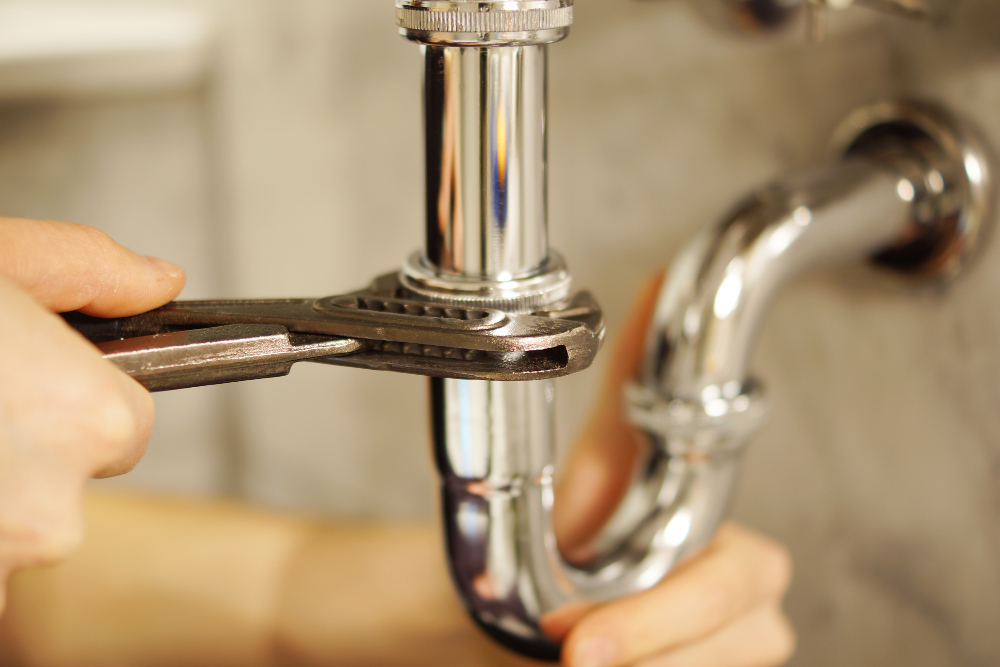
A leak you can see is a leak you can fix. The ones that cause real damage are the ones you can’t: a pinhole in a copper line inside a wall, a cracked drain under the slab, a slow weep behind the tub. They don’t announce themselves. They soak insulation, feed mold, warp flooring, and push up your water bill, often for months before anyone connects the dots.
The good news is that hidden leaks leave clues. Knowing what to look for, and when to bring in professional leak detection and repair, keeps a small plumbing problem from turning into a major renovation.
Quick Answer: How Do You Find a Hidden Leak?
Start by checking your water meter with every fixture off. If the meter keeps moving, water is escaping somewhere. Other signs include an unexplained rise in your water bill, damp spots, stained ceilings or walls, musty odors, warm patches on the floor, and the sound of running water when nothing is in use. Professional detection tools can then locate the exact source without unnecessary demolition.
Why Hidden Leaks Cause So Much Damage
Water doesn’t stay where it starts. It follows framing, runs along pipes, and soaks into drywall, subflooring, and insulation. A leak that drips a few ounces an hour can release hundreds of gallons over a few weeks.
Time makes the damage worse. Wet materials can begin growing mold within a day or two, wood can swell and rot, and metal fittings corrode. By the time a stain shows up on the ceiling, the moisture has often been traveling for a while. That’s why catching a leak early matters more than almost any other plumbing habit.
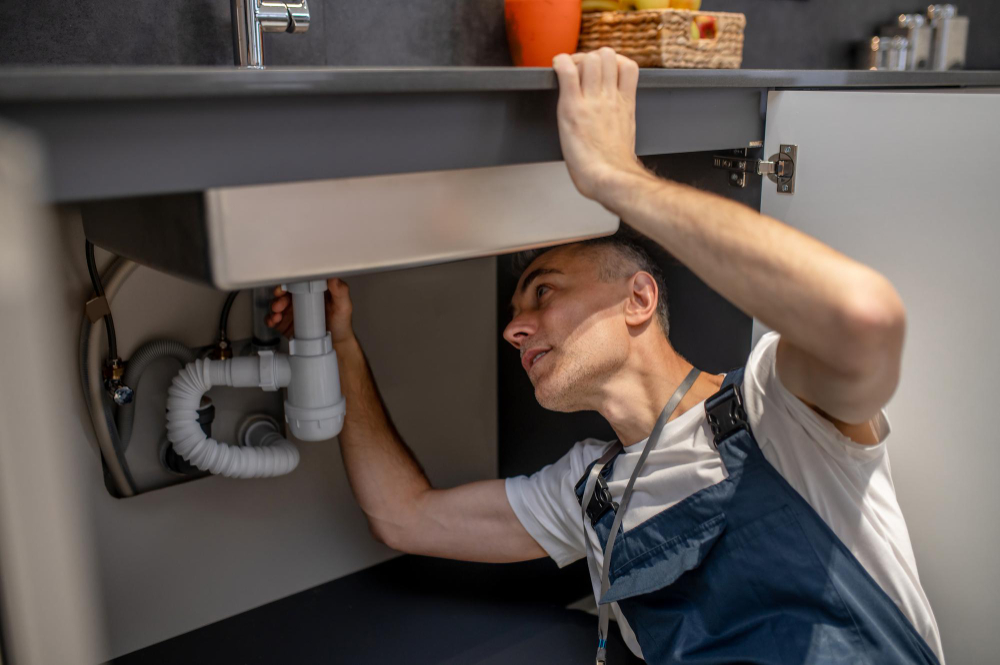
Warning Signs to Watch For
Courtesy - Magnific
A Rising Water Bill
If your usage hasn’t changed but your bill has climbed, a leak is a prime suspect. Compare several months of bills and look for a steady upward trend.
A Water Meter That Keeps Moving
Turn off all faucets, appliances, and the ice maker, then look at the meter. Many have a small leak indicator that spins when any water flows. Note the reading, wait an hour without using water, and check again. A change means water is leaking somewhere.
Damp Spots, Stains, or Peeling Paint
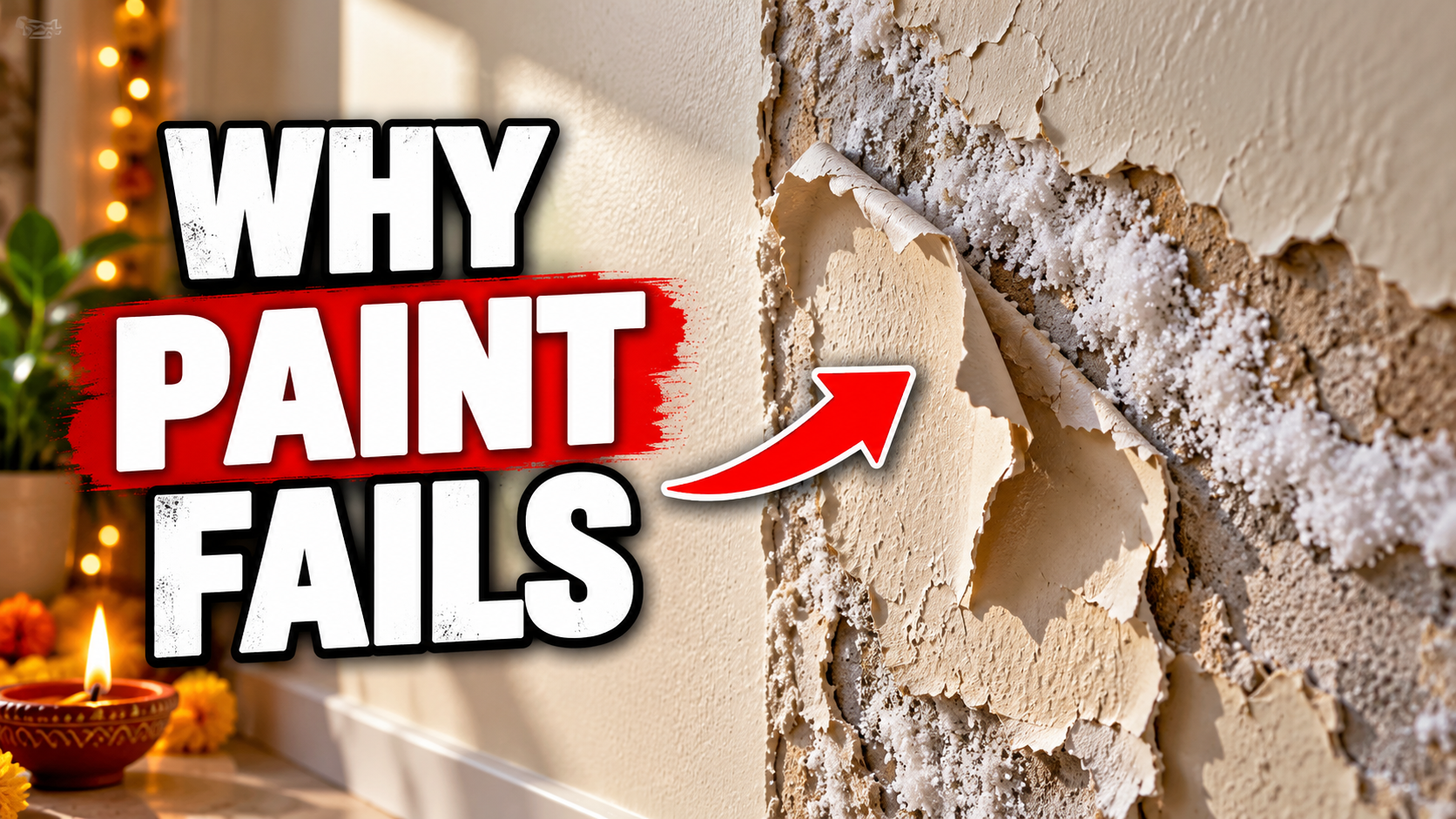
Brown or yellow rings on ceilings, bubbling paint, and wallpaper that lifts at the seams all point to moisture behind the surface. Check the areas below bathrooms, kitchens, and laundry rooms first.
Musty Smells
A persistent damp odor, especially in a closet, basement, or cabinet, often means moisture is trapped and mold or mildew is developing.
Warped or Soft Flooring
Buckling hardwood, lifting laminate, and spongy spots underfoot can result from water seeping beneath the surface.
Warm Spots on the Floor
A warm patch can indicate a leaking hot water line beneath a slab. This is one of the clearer signs of a slab leak.
Sounds of Running Water
Hissing or trickling when no fixtures are on suggests water is moving through a pipe it shouldn’t be.
Low Water Pressure
A drop in pressure can result from a leak diverting water before it reaches your fixtures, though it has other causes as well.
Simple Checks You Can Do Yourself
Courtesy - Magnific
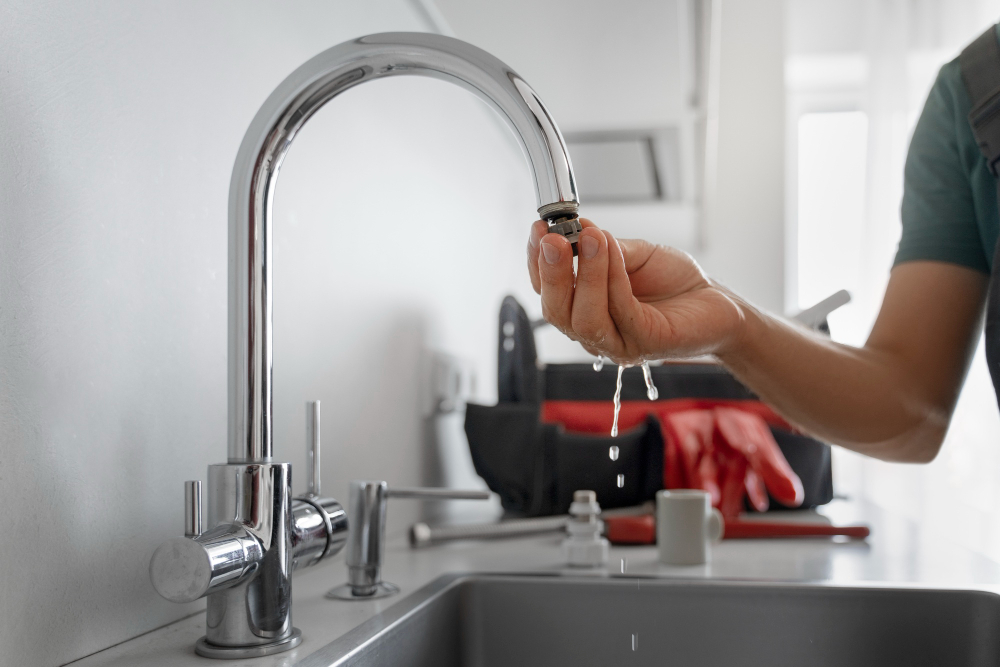
A few quick tests can help you narrow things down before calling anyone.
Toilet dye test. Add a few drops of food coloring to the tank, wait fifteen minutes without flushing, and see whether color appears in the bowl. If it does, the flapper is leaking.
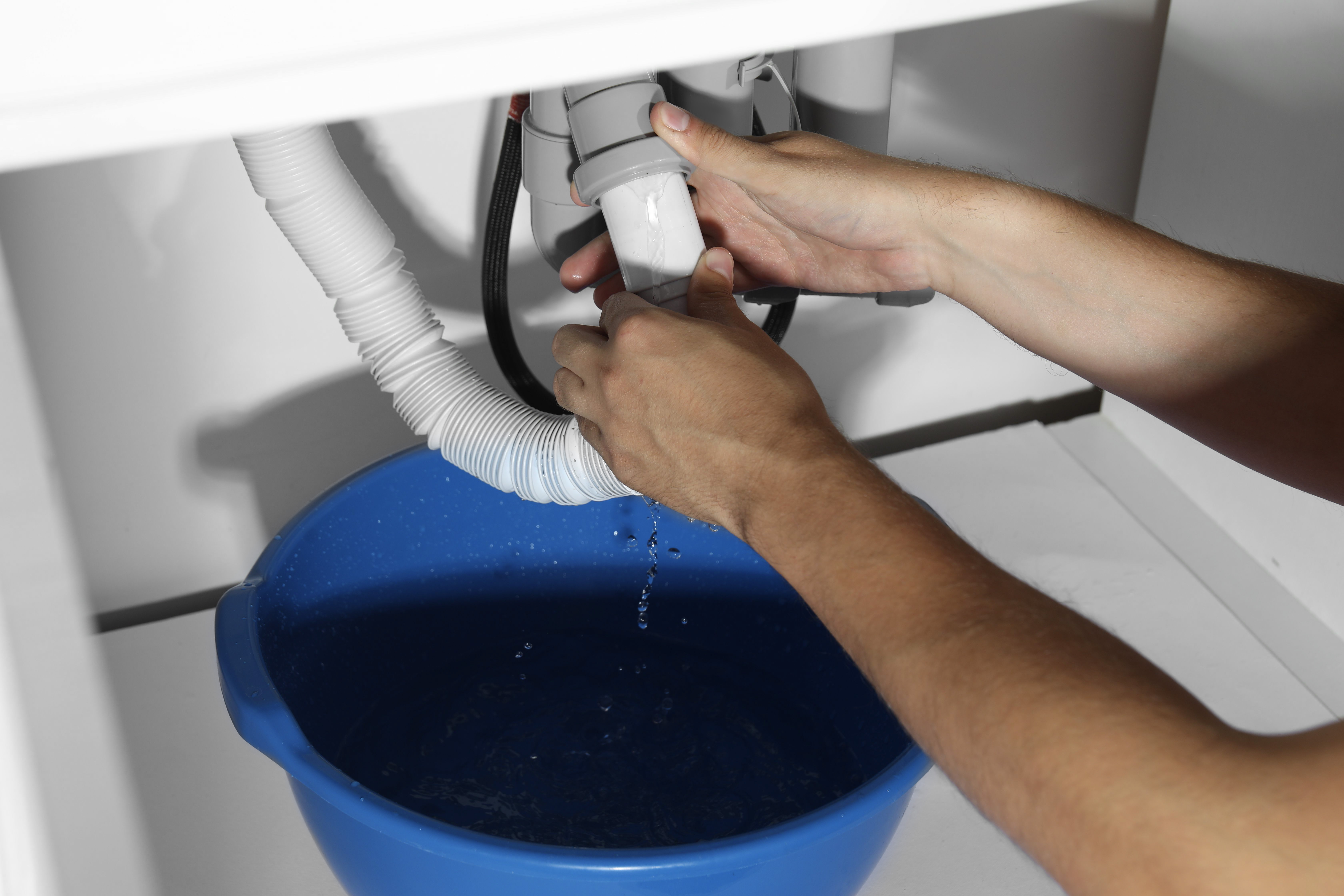
Check under sinks and around fixtures. Feel supply lines, shutoff valves, and drain connections for moisture, and look for corrosion or white mineral crust.
Inspect appliance hoses. Washing machine, dishwasher, and refrigerator lines are common failure points. Look for bulges, cracks, and damp floors.
Look outside. Soggy patches in the yard, unusually green strips of grass, or pooling water near the foundation can signal a leak in a service line or sprinkler system.
Check the water heater. Look for rust, moisture around the base, and dripping from the pressure relief valve.
These steps help with visible and accessible leaks. They won’t find a leak inside a wall or under concrete.
How Professionals Find Leaks Without Tearing Things Apart
Modern detection methods let a technician pinpoint a leak with minimal damage to your home.
- Acoustic detection uses sensitive microphones to listen for the sound of escaping water in pipes.
- Thermal imaging shows temperature differences that can reveal moisture or a leaking hot line behind a surface.
- Moisture meters measure dampness in walls, floors, and ceilings.
- Pressure testing isolates sections of plumbing to see where pressure drops.
- Video camera inspection looks inside drain and sewer lines to find cracks, breaks, and blockages.
- Tracer gas can locate small leaks by tracking gas that escapes from the pipe.
Pinpointing the leak first means the repair can be targeted. Instead of opening a whole wall, a technician can cut a small access hole exactly where it’s needed.
Repair Options After the Leak Is Found
Courtesy - Magnific
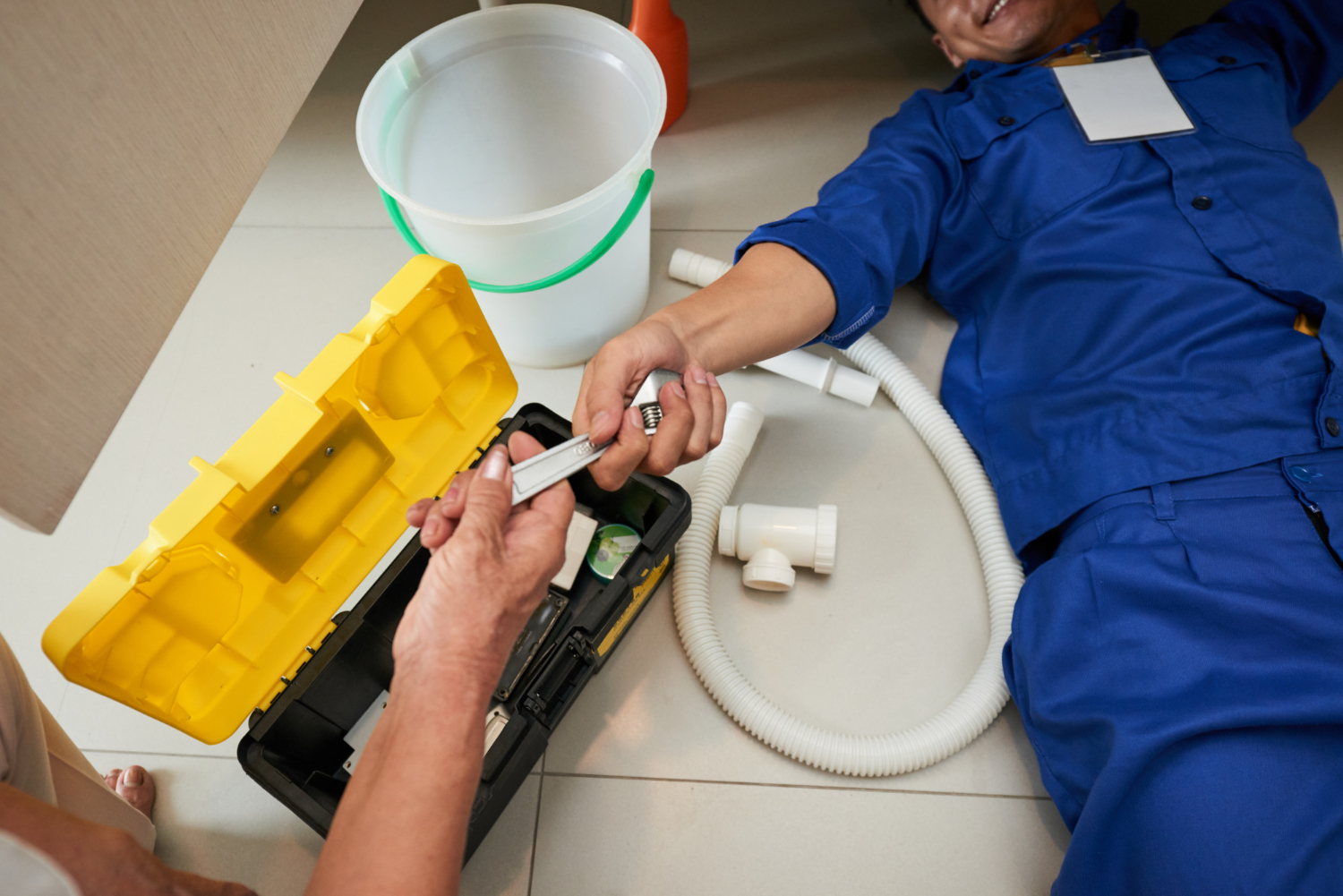
The right fix depends on the type and location of the leak.
- Pipe repair or replacement for a damaged section of supply or drain line
- Fixture and valve replacement when the leak is at a connection point
- Slab leak repair, which may involve tunneling, rerouting the line, or breaking through the slab
- Pipe relining or repiping for lines with widespread corrosion or repeated failures
- Water damage mitigation, including drying and mold prevention, once the source is stopped
A thorough contractor will explain what they found, show you the evidence, and outline repair options with costs. Companies such as Rod Plumbing offer leak detection and repair services, so the diagnosis and the fix can be handled by the same team.
Buying Guide: What to Look for in a Leak Detection Provider
| Factor | Why It Matters |
| Licensing and insurance | Confirms qualifications and protects your home during the work |
| Detection equipment | Acoustic, thermal, and camera tools find leaks with less demolition |
| Experience with your foundation type | Slab, crawl space, and basement homes each present different challenges |
| Written estimate | Itemized pricing shows what’s included before work begins |
| Repair capability | One company handling both detection and repair streamlines the process |
| Documentation | Reports and photos support insurance claims |
| Warranty | Shows confidence in the repair |
| Availability | A fast response limits damage when a leak is active |
Ask how the contractor will limit damage to finished surfaces and how they handle restoration of any access openings.
Common Mistakes to Avoid
Ignoring a small increase in the water bill. It’s often the first and only sign of a hidden leak.
Waiting for a visible stain. By then, water has usually been traveling for a while.
Cutting into walls to guess. Without proper detection, you may open the wrong spot and add repair costs.
Using sealants as a permanent fix. Surface patches rarely hold on a pressurized pipe.
Skipping drying after the repair. Wet materials left in place invite mold and rot.
Not reporting the leak to your insurer promptly. Delays can complicate a claim.
Expert Tips
Learn where your main shutoff valve is and test it occasionally. In an emergency, shutting off the water quickly limits the damage.
Read your water meter on the same day each month and keep a simple log. A steady rise helps you spot a leak early.
Consider smart leak sensors under sinks, near the water heater, and by the washing machine. They alert you the moment moisture appears.
Replace old rubber appliance hoses with braided stainless steel lines. They’re far less prone to bursting.
Take photos of any stains, damp spots, or meter readings. They help the technician and support an insurance claim.
If you’re away for long periods, turn off the main water supply before you leave.
Conclusion
Hidden leaks do their harm quietly, which is why the early signs matter so much. A rising water bill, a moving meter, damp spots, musty smells, and odd sounds are all reasons to investigate. Simple checks can rule out the obvious causes, and professional leak detection and repair can locate the hidden ones without tearing your home apart. Acting at the first sign keeps a small repair from becoming structural damage, mold remediation, and a much larger bill.
Also Read: Repair or Replace How to Evaluate Aging Plumbing Pipes
FAQs – Leak Detection and Repair
01. How can I tell if I have a slab leak?
Common signs include a rising water bill, the sound of running water when fixtures are off, warm spots on the floor, damp flooring, and reduced water pressure. A professional can confirm and locate it.
02. How much water can a small leak waste?
Even a slow leak can waste many gallons per day over time. That adds up to significant volume and cost over a few weeks or months.
03. Can I find a leak without damaging walls or floors?
Often yes. Acoustic, thermal, and moisture detection tools let technicians pinpoint the source before any opening is made.
04. Does homeowners insurance cover leaks?
Coverage depends on the cause and your policy. Sudden, accidental water damage may be covered, while long-term seepage often is not. Review your policy and contact your insurer promptly.
05. How long does leak detection take?
Many inspections take an hour or two, though complex cases may take longer.
06. Is a running toilet really a leak?
Yes. A worn flapper or fill valve can waste a large amount of water and is usually an inexpensive fix.
07. When should I call a professional?
If your meter keeps moving with everything off, if you see signs of moisture you can’t trace, or if you suspect a leak in a wall, ceiling, or slab, a professional is the right next step.
Courtesy - Featured Image(Magnific)
Author & Expert Review
Written & Verified By :  Ravin Desai – Co Founder – Gharpedia | Co Founder – 1 MNT | Director – SDCPL

| Credentials: B.Tech. in Civil Engineering from VNIT Nagpur and M.S. in Civil Engineering from Clemson University, USA. Co-Founder of Gharpedia and Director at Sthapati Designers & Consultants Pvt. Ltd.. Experience: Civil engineering professional with over a decade of international and Indian experience in the construction and design consultancy sector, with expertise in technical review and industry practices. Expertise: Specializes in reviewing technical content related to civil engineering, construction, design consultancy, materials, and industry practices. He ensures content is technically accurate, aligned with industry standards, and reflects practical construction and design best practices. Find him on: LinkedIn |