








Table of Contents
Quick Summary
- Explore the main types of roller shutters used in shops, workshops and warehouses.
- Understand how manual, chain-operated and motorised shutters work.
- Identify common problems such as grinding, jamming, damaged slats and motor failure.
- Learn which faults can usually be repaired and when replacement is more practical.
- See why regular maintenance and safety checks are important for commercial shutters.
- Find simple maintenance tasks that owners can carry out safely between professional services.
- Understand when a trained technician should be called to handle springs, cables, motors and drums.
Courtesy - Magnific
Roller shutters and roller doors are everywhere once you start looking. They close up shopfronts at night, secure workshops and garages, seal loading docks and protect warehouses. They are simple, strong and space-saving, which is exactly why they are so popular for commercial buildings around the world.
They are also machines, and machines wear out. A shutter that is cared for can give many years of trouble-free service. One that is ignored will eventually jam, grind or fail at the worst possible moment.
We are Glide Roller Doors, a commercial door company based in Welshpool, in Perth, Western Australia. Our technicians repair and service roller doors and shutters on shops, workshops, warehouses and shopping centres every day. This guide explains the main types of roller shutters, the faults that come up most often and how to decide between a repair and a replacement.
What Is a Roller Shutter?
Courtesy - Magnific
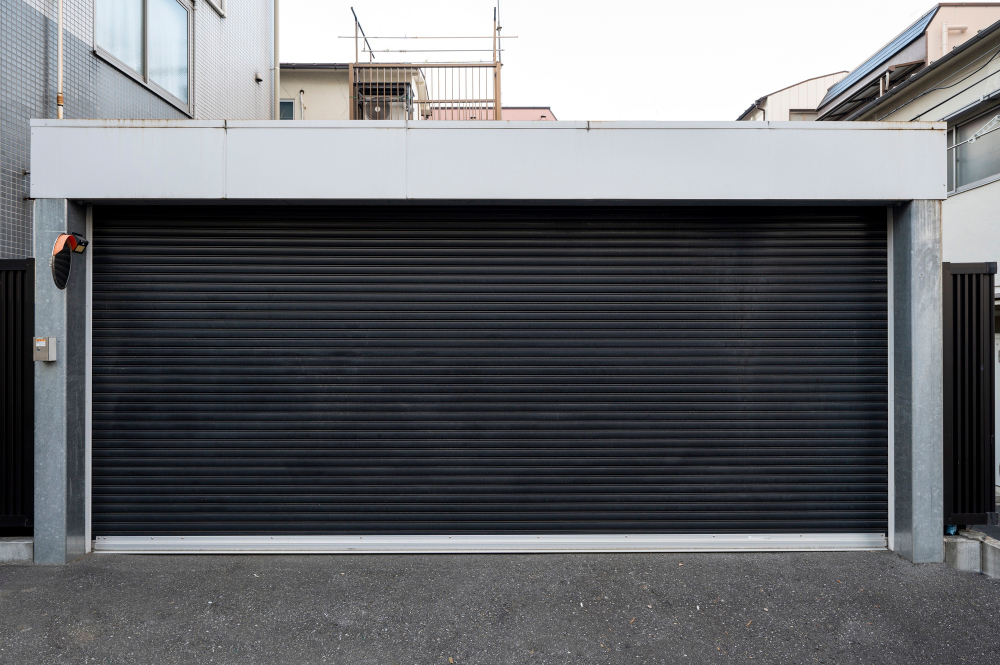
A roller shutter is a curtain of interlocking slats, usually steel or aluminium, that rolls up into a coil above the opening. When closed, the curtain runs down guides on either side of the opening and rests on the floor or a sill. When open, it is wound onto a drum or axle and takes up very little space.
The terms roller door and roller shutter are often used for the same thing. In general use, “roller door” tends to mean a larger door for vehicles and goods, while “roller shutter” often refers to smaller openings such as shopfronts, service counters and windows. The mechanics are much the same.
Main Types
Manual roller shutters are lifted and lowered by hand, often with the help of springs inside the drum that balance the weight of the curtain. They suit smaller openings and shutters that are opened only once or twice a day.
Chain-operated shutters use a chain and gear system to raise and lower heavier curtains by hand. They are common on larger doors where power is unreliable or not available.
Motorised roller shutters and doors use an electric motor to drive the drum. They are the norm for commercial and industrial openings that are opened often, and they can be operated by switch, remote, keypad or access control.
Insulated roller doors have slats filled or backed with insulation to reduce heat transfer and noise. They suit cold rooms, air-conditioned spaces and buildings exposed to strong sun.
Perforated and grille shutters let light and air through while still providing security. They are popular for shopfronts in malls and for car parks that need ventilation.
Materials

Courtesy - Magnific
Most commercial roller doors in Australia are made from Colorbond steel, a pre-painted steel product made by BlueScope that comes in a wide range of colours. Galvanised steel is also common. Aluminium is lighter and resists corrosion well, which makes it useful in coastal and humid environments, though it is less resistant to impact than steel.
Location matters when choosing materials. Coastal salt air attacks steel and fixings. Industrial pollution and fine dust also take a toll. BlueScope publishes guidance on selecting products for marine and industrial environments, and a good supplier will consider it before recommending a finish.
The Faults We See Most Often
On our call-outs across Perth, a handful of faults account for most of the work.
1. Shutter is hard to lift or will not stay up. On a manual shutter, this almost always points to the springs inside the drum losing tension or breaking. The door feels heavier and heavier until it will barely move. Spring adjustment and replacement must be done by a trained technician. Roller door springs store a lot of energy, and releasing them suddenly can cause serious injury.
2. Motor hums but the door does not move. The motor is getting power but cannot lift the curtain. Common causes are a manual lock left engaged, the manual override left disengaged, a broken spring making the curtain too heavy, or a failed motor component.
3. Door stuck open or will not close. Often caused by blocked or misaligned safety beams, wrong limit settings or a damaged guide. At a warehouse in Midvale, Perth, an industrial roller door stuck open overnight with stock exposed. A snapped cable and a failed motor were to blame. Our technician was on site within the hour and the door was secure before the morning shift.
4. Grinding, squealing or rattling. Usually worn rollers or bearings, dirt in the guides or loose fixings. In Perth, fine limestone dust is a common culprit. In many other cities, sand, road dust and pollution do the same job.
5. Curtain out of its guides. Strong wind, a vehicle impact or a bent guide can push the curtain out of its track. The door then jams or runs crooked. Do not keep operating a door in this state. It can tear the curtain or damage the drum.
6. Door reverses for no reason. On motorised doors, this is usually the safety system responding to a misaligned beam, a dirty sensor lens or a force setting that has drifted.
7. Dents and damage to slats. Shopfront shutters are often hit by trolleys, vehicles or vandals. Individual damaged slats can sometimes be replaced without replacing the whole curtain.
Repair or Replace?
Courtesy - Magnific
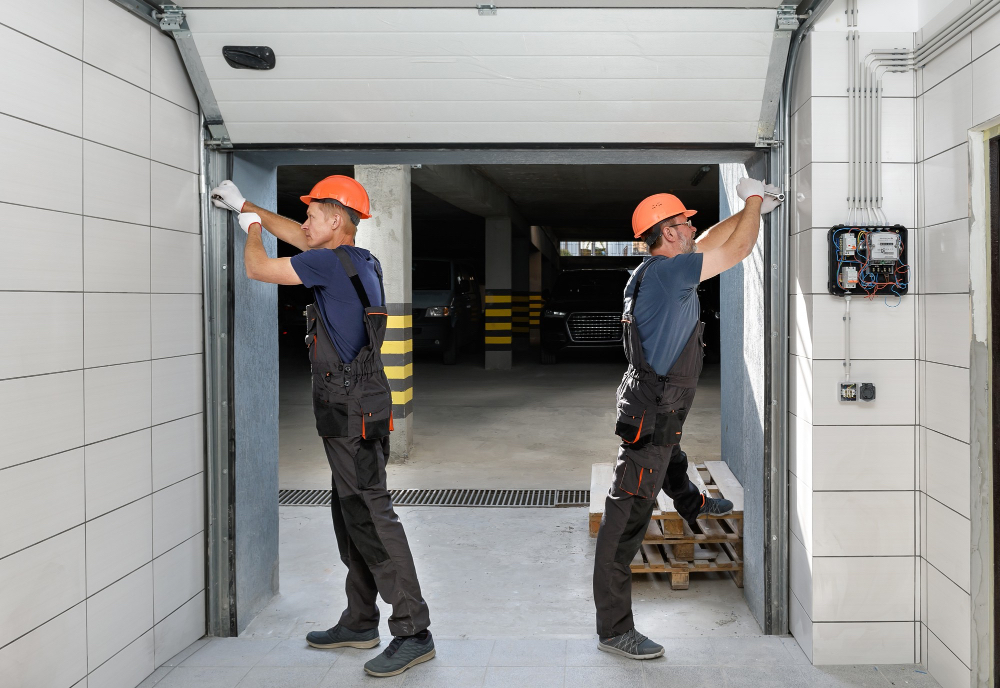
Most faults are worth repairing. Cables, springs, rollers, bearings, motors, remotes and even individual slats can all be replaced. A good technician will tell you when a repair is enough.
Replacement makes more sense when:
- The curtain is badly corroded, buckled or torn.
- The door is too small or too light for how it is now used.
- The motor is undersized and keeps failing.
- Repairs are becoming frequent and costly.
- Parts are no longer available for an older door.
Here is something we tell clients bluntly: in our experience, many doors that keep breaking down are not simply old. They were undersized or wrongly motored from the start. Repairing them over and over only resets the clock until the next failure. Sometimes the kindest thing a technician can say is “this door was never right for this job”. It is not what an owner wants to hear after paying for three repairs in a year, but it is far better than paying for a fourth.
Safety Matters
Motorised roller doors in commercial premises should have working safety devices, usually photoelectric beams across the opening and auto-reverse that stops the door if it meets an obstruction. These can stop working without anyone noticing. When we took over maintenance at a shopping centre in Cannington, Perth, we found the auto-reverse was not working correctly on two doors, even though the doors were still opening and closing every day.
In Western Australia, the Work Health and Safety Act 2020 has applied since 31 March 2022, and powered doors in workplaces are plant whose risks must be managed. Many other countries have similar workplace safety obligations. Regular testing and a written record are the best protection for staff, customers and the business.
Simple Care Between Services
Owners can do a few simple things safely:
- Keep the guides clean and free of debris, with the power off.
- Clean safety beam lenses with a soft cloth.
- Replace remote batteries when range drops.
- Watch and listen for changes in how the door runs.
- Stop using the door if it runs unevenly, a cable looks frayed or the curtain is out of its guides.
Leave springs, cables, drums and motors to a professional. Most commercial doors in daily use are well served by a professional service twice a year, and very busy doors may need more.
When Speed Matters
Courtesy - Magnific
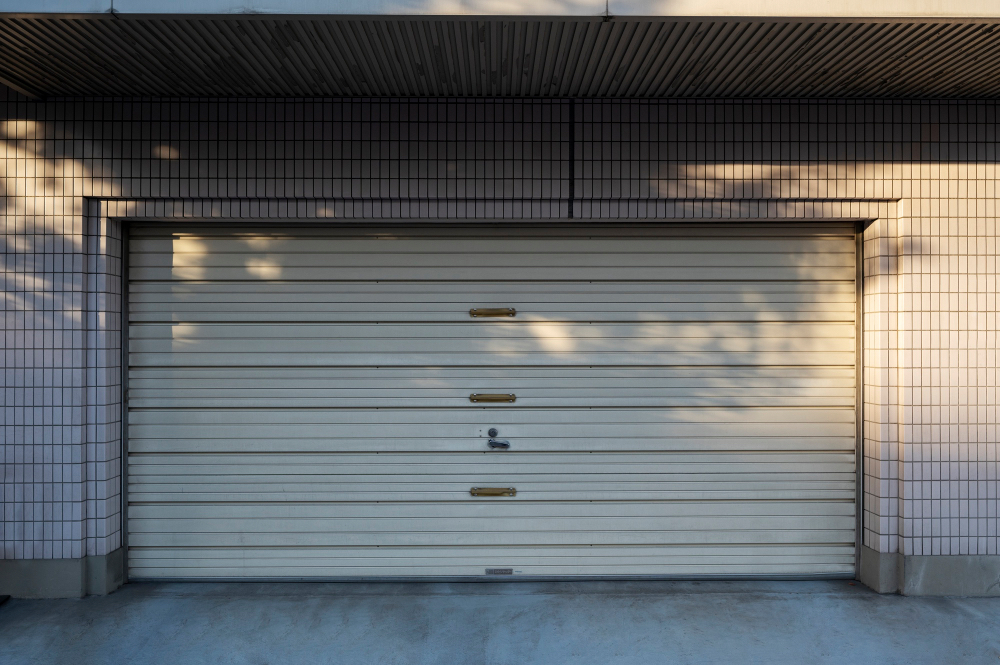
For businesses, a failed shutter is not just a repair job. It is lost trade, idle staff and a security risk. At a transport depot in Welshpool, a seized Grifco motor stopped a door at 5:40 in the morning with trucks waiting. A replacement was fitted and the door was cycling again before the 7am run. That kind of turnaround depends on a technician being close by and carrying common parts.
Getting Help
For commercial and industrial sites in Western Australia, Glide Roller Doors provides roller door repairs in Perth, with a 24/7 emergency service from Welshpool, at https://gliderollerdoors.com.au/roller-door-repairs. Wherever you are, choose a provider who works on commercial shutters every day, explains the fault clearly, gives a firm price before starting and carries common parts on the van.
Summary
Roller shutters are tough, practical and long-lasting when they are looked after. Know the type you have, watch for the early warning signs, keep the guides clean and leave the dangerous parts to professionals. Repair when the fault is isolated and the door suits the job, and replace when it no longer does. Do that, and your shutter will keep doing its job quietly for years.
Also Read: Maximising Your Square Footage: Creative Ways to Use Sliding Doors for Home Transitions
FAQs – Roller Shutter Repair
1. What is a roller shutter?
A roller shutter is a curtain made from interlocking slats that rolls around a drum above an opening. It is commonly used for shopfronts, workshops, warehouses and other commercial buildings.
2. What are the common roller shutter problems?
Common problems include difficulty lifting, motor failure, grinding or rattling noises, shutters becoming stuck, damaged guides, curtain misalignment and broken or dented slats.
3. When should a roller shutter be repaired instead of replaced?
Repair is generally suitable when the fault is isolated and components such as springs, cables, rollers, bearings, motors or individual slats can be replaced. Replacement may be better when corrosion, repeated failures or obsolete parts make repairs uneconomical.
4. How often should commercial roller shutters be serviced?
Commercial shutters in regular daily use can benefit from professional servicing twice a year. Very busy doors may require more frequent servicing depending on their usage and condition.
5. Can I repair a roller shutter myself?
Owners can safely perform simple tasks such as cleaning guides and sensor lenses and replacing remote batteries. Springs, cables, drums and motors should be handled by a trained professional because they can present serious safety risks.
Courtesy - Featured Image(Magnific)
Author & Expert Review
Written & Verified By :  Ravin Desai – Co Founder – Gharpedia | Co Founder – 1 MNT | Director – SDCPL

| Credentials: B.Tech. in Civil Engineering from VNIT Nagpur and M.S. in Civil Engineering from Clemson University, USA. Co-Founder of Gharpedia and Director at Sthapati Designers & Consultants Pvt. Ltd.. Experience: Civil engineering professional with over a decade of international and Indian experience in the construction and design consultancy sector, with expertise in technical review and industry practices. Expertise: Specializes in reviewing technical content related to civil engineering, construction, design consultancy, materials, and industry practices. He ensures content is technically accurate, aligned with industry standards, and reflects practical construction and design best practices. Find him on: LinkedIn |