






Table of Contents
Quick Summary
- This article helps homeowners decide whether repairing a 20-year-old water heater is worth the cost or if replacement is the smarter option.
- Most water heaters last 8–15 years, while some advanced systems may function up to 20 years with proper maintenance.
- Common signs of an aging water heater include rust-colored water, leaks, unusual noises, inconsistent temperatures, and rising energy bills.
- Minor issues such as faulty thermostats, leaking valves, or loose fittings may still be repairable if the tank remains structurally sound.
- Replacement is usually recommended when the tank is corroded, leaking, frequently breaking down, or losing efficiency.
- Older systems often consume more energy, resulting in higher utility bills and increased maintenance costs.
- Upgrading to a new water heater offers benefits like better energy efficiency, improved reliability, lower maintenance, and warranty protection.
- The article concludes that while minor repairs may provide short-term relief, replacement is often the better long-term investment for a 20-year-old system.
A reliable hot water system is something most Australian households take for granted – until it stops working. Whether it’s an unexpected cold shower on a winter morning or a leaking tank in the garage, hot water issues can quickly become a major inconvenience.
If your water heater is around 20 years old and starting to show signs of trouble, you may be wondering: Is it worth repairing a 20-year-old water heater, or is replacement the smarter option?
The answer depends on several factors, including the type of fault, the condition of the system, repair costs, and the efficiency of the unit. While some minor Hot Water System Repairs may still be worthwhile, a 20-year-old system is generally well beyond the expected lifespan of most water heaters.
In this article, we’ll explore when repairing an ageing hot water system makes sense, when replacement is the better investment, and what factors homeowners should consider before making a decision.
How Long Does a Water Heater Typically Last?
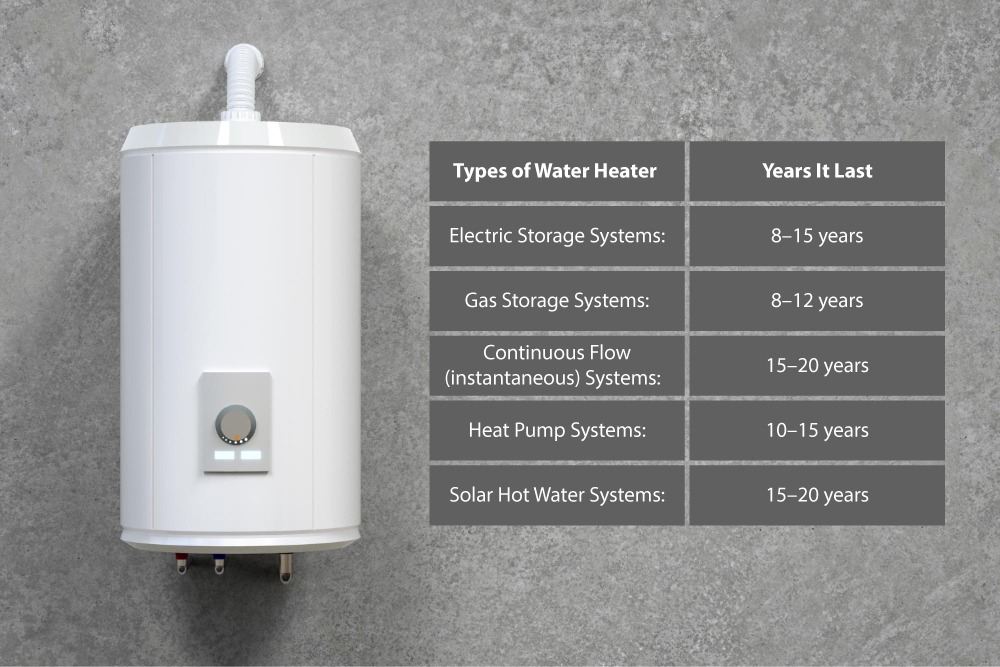
Before deciding whether to repair or replace a unit, it’s important to understand the typical lifespan of hot water systems.
If your water heater has reached the 20-year mark, it has likely exceeded the expected service life of most systems.
Even if it still functions, age-related wear and tear can significantly impact performance, reliability, and energy efficiency.
Why Older Water Heaters Develop Problems
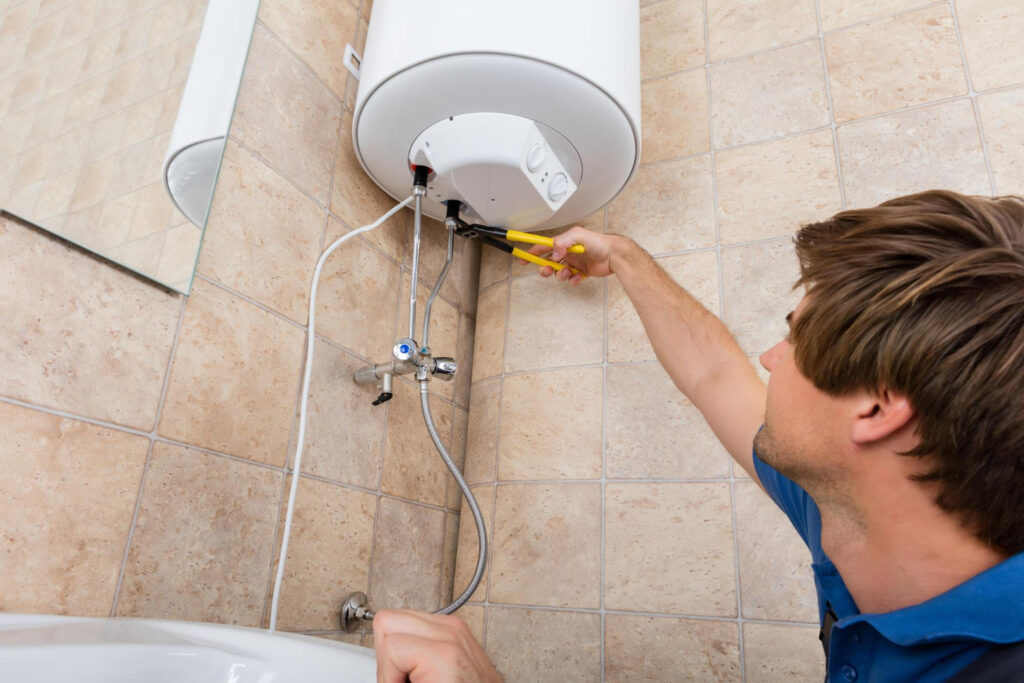
Like any appliance, hot water systems deteriorate over time.
Years of heating and cooling cycles, mineral deposits, pressure fluctuations, and environmental exposure gradually affect internal components.
Common age-related issues include:
- Corrosion inside the tank
- Worn heating elements
- Faulty thermostats
- Sediment build-up
- Leaking valves
- Reduced heating efficiency
- Rusted pipe connections
While many of these problems can be addressed through Hot Water System Repairs, the age of the unit often determines whether those repairs are worth the investment.
Situations Where Repairing a 20-Year-Old Water Heater May Be Worthwhile
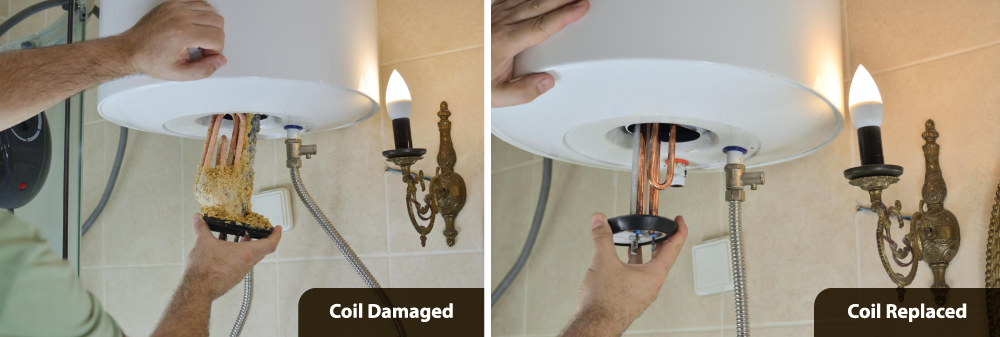
Although replacement is often recommended for systems of this age, there are situations where repairs may still make sense.
1. The Problem Is Minor
Not every issue requires a new system.
Repairs may be worthwhile if the fault involves:
- A faulty thermostat
- A leaking valve
- Loose pipe fittings
- A damaged pressure relief valve
- Minor electrical components
If the repair is relatively inexpensive and the system remains structurally sound, repairing it could extend its useful life for a short period.
2. You Need a Temporary Solution
Some homeowners may be planning renovations, moving house, or upgrading their hot water system in the near future.
In these cases, a modest repair may provide a temporary solution while delaying the cost of replacement.
3. The Tank Is Still in Excellent Condition
A professional plumber may determine that the tank itself remains free from corrosion and structural damage.
If the issue is isolated to a replaceable component, Hot Water System Repairs may be a reasonable short-term option.
Situations Where Replacement Is Usually the Better Choice
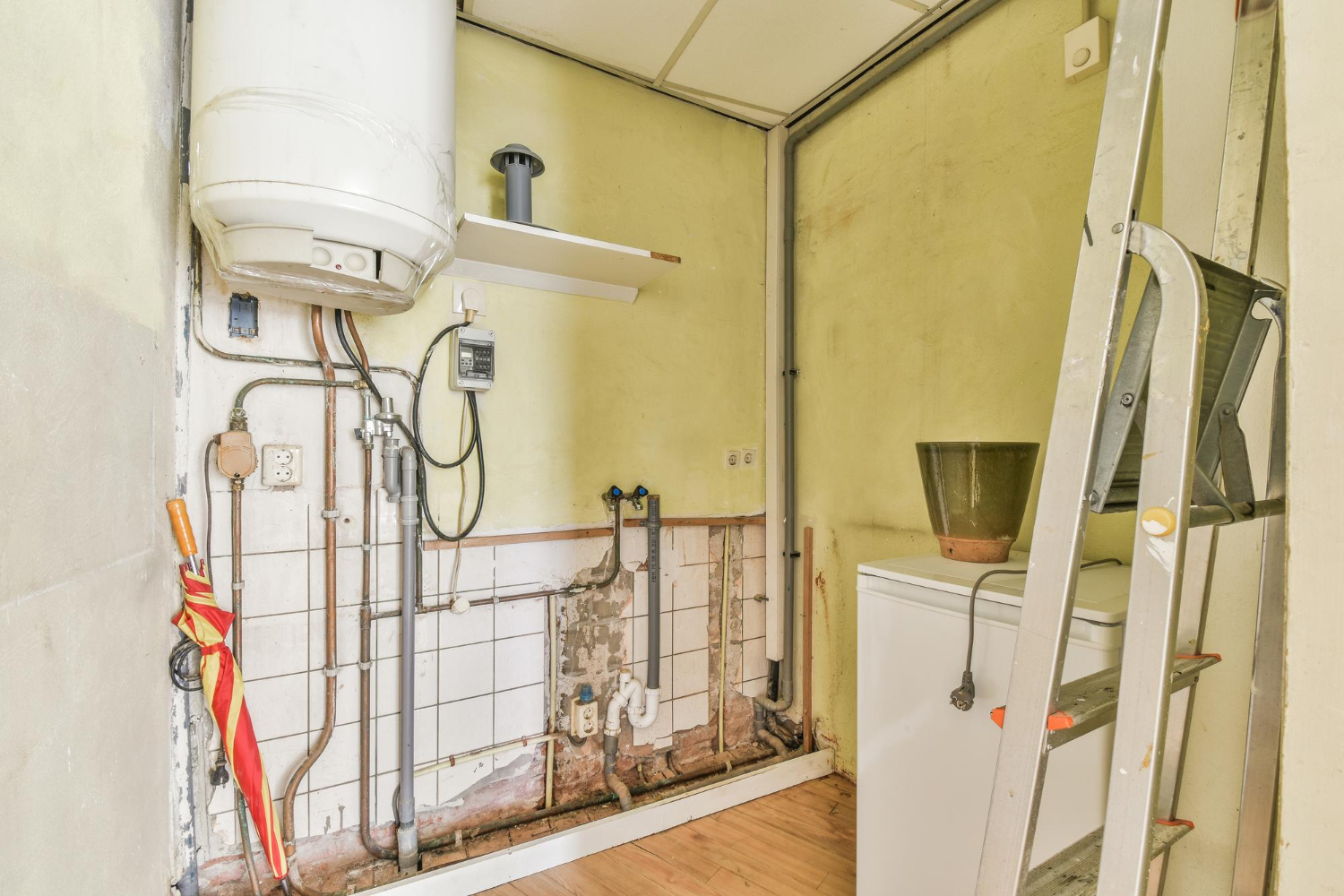
For many 20-year-old systems, replacement provides better long-term value.
1. The Tank Is Corroded
Corrosion is one of the clearest signs that replacement is needed.
Storage tanks contain water continuously, making them vulnerable to internal rust over time.
Signs of tank corrosion include:
- Rust-coloured water
- Visible rust around the tank
- Leaks from the tank body
- Frequent repair requirements
Once the tank itself begins to corrode, repairs are generally not possible.
2. The System Is Leaking
If water is leaking from the actual tank rather than a valve or fitting, replacement is typically the only practical solution.
Tank leaks often indicate structural failure and tend to worsen over time.
3. Repairs Are Becoming Frequent
A common mistake homeowners make is repeatedly repairing an ageing system.
While each individual repair may seem affordable, multiple service calls can quickly add up.
If your water heater requires ongoing Hot Water System Repairs, replacing it may save money in the long run.
4. Energy Efficiency Has Declined
Older water heaters are generally less energy efficient than modern systems.
Over time, sediment build-up and component wear force the unit to work harder to heat water.
This can result in:
- Higher electricity bills
- Increased gas consumption
- Longer recovery times
- Reduced hot water availability
A modern energy-efficient system can significantly reduce operating costs.
The Hidden Costs of Keeping an Old Water Heater
When evaluating repair versus replacement, it’s important to look beyond the immediate repair bill.
1. Higher Energy Bills
Older systems often consume more energy than newer models.
Over several years, increased utility costs can exceed the cost of replacing the unit.
2. Unexpected Breakdowns
A 20-year-old water heater is far more likely to fail unexpectedly.
Breakdowns can occur at inconvenient times and may leave your household without hot water until repairs or replacement can be arranged.
3. Water Damage Risks
Older tanks are more susceptible to leaks and sudden failure.
A burst tank can cause extensive damage to:
- Flooring
- Walls
- Furniture
- Storage areas
Replacing an ageing unit before failure occurs can help avoid costly water damage.
Benefits of Upgrading to a New Hot Water System
Replacing an ageing system may involve a higher upfront cost, but it often delivers significant benefits.
1. Improved Energy Efficiency
Modern hot water systems are designed to use less energy while providing consistent performance.
Options include:
- Energy-efficient electric systems
- Continuous flow gas systems
- Heat pump technology
- Solar hot water systems
2. Better Reliability
A new system reduces the likelihood of unexpected breakdowns and emergency repairs.
3. Lower Maintenance Costs
Newer units typically require fewer repairs and maintenance visits during the early years of operation.
4. Increased Hot Water Capacity
Modern systems can often provide faster recovery times and better performance for growing households.
5. Warranty Protection
Most new systems include manufacturer warranties, offering added peace of mind.
Questions to Ask Before Repairing an Old Water Heater
Before approving Hot Water System Repairs, consider the following:
1. How Much Will the Repair Cost?
If repair costs are substantial, replacement may provide better value.
2. What Is the Condition of the Tank?
A repair may not be worthwhile if corrosion or structural deterioration is present.
3. How Efficient Is the Current System?
If energy bills have increased noticeably, upgrading could reduce operating costs.
4. How Often Has the System Been Repaired Recently?
Frequent breakdowns often indicate that the unit is nearing the end of its service life.
5. Will Replacement Improve Household Comfort?
A larger or more efficient system may better meet your family’s current needs.
A Useful Rule of Thumb
Many plumbing professionals follow a simple guideline:
If a hot water system is more than 10–15 years old and requires a major repair, replacement is often the better financial decision.
At 20 years old, most systems have already exceeded their expected lifespan, making replacement the preferred option in many cases.
When Should You Call a Professional?
If your hot water system is experiencing any of the following, it’s best to arrange an inspection:
- No hot water
- Leaks
- Rust-coloured water
- Unusual noises
- Poor water pressure
- Rising energy bills
- Inconsistent temperatures
A licensed plumber can assess the condition of the system and advise whether Hot Water System Repairs are worthwhile or whether replacement is the more practical solution.
Final Thoughts
So, is it worth repairing a 20-year-old water heater?
In some situations, yes – particularly if the issue is minor and the system remains in good overall condition. However, for most water heaters that have reached the 20-year mark, replacement is often the smarter long-term investment.
Older systems are generally less efficient, more prone to breakdowns, and increasingly expensive to maintain. While professional Hot Water System Repairs can sometimes extend the life of an ageing unit, repeated repairs can quickly outweigh the benefits.
By considering repair costs, system condition, energy efficiency, and future reliability, homeowners can make an informed decision that provides the best value and peace of mind.
Also Read: 6 Common Water Heater Problems And Solutions
FAQs on Repairing a 20-Year-Old Water Heater
01. How long should a hot water system last?
Most hot water systems last between 8 and 15 years, although some continuous flow and solar systems can operate for up to 20 years with proper maintenance.
02. Is a 20-year-old water heater considered old?
Yes. A 20-year-old water heater is generally considered well beyond the expected lifespan of most hot water systems.
03. Can a 20-year-old water heater still be repaired?
In some cases, yes. Minor issues such as faulty valves, thermostats, or fittings may still be repairable. However, the overall condition of the system should be carefully assessed.
04. When should I replace instead of repair?
Replacement is usually recommended if the tank is leaking, heavily corroded, frequently breaking down, or becoming increasingly inefficient.
05. Are new hot water systems more energy efficient?
Yes. Modern hot water systems typically use less energy and can help reduce household utility bills compared to older units.
06. What are the signs that my hot water system is failing?
Common warning signs include:
- Rust-coloured water
- Water leaks
- Inconsistent temperatures
- Strange noises
- Higher energy bills
- Reduced hot water supply
07. Do Hot Water System Repairs make sense for older units?
Minor repairs may be worthwhile, but major repairs on a 20-year-old system often provide limited value compared to investing in a replacement.
08. Can replacing my hot water system save money?
Yes. Improved energy efficiency, fewer repairs, and lower maintenance costs can help offset the initial installation expense over time.
Author & Expert Review
Written By:  Nidhi Patel | Civil Engineer & Content Writer

| Credentials: B.E. (Mahatma Gandhi Institute of Technical Education and Research Centre), Registered with Gujarat Technological University (GTU). Experience: Civil Engineer with 3+ years of content writing experience, currently writing blogs for Gharpedia, part of SDCPL. Expertise: Specializing in SEO-optimized blogs and long-form articles focused on home improvement, construction, interiors and architect topics. I create well-researched, reader-focused content that balances technical accuracy with clarity, making complex subjects easy to understand. Find her on: LinkedIn |
Verified By Expert: Avni Desai Environmental Engineer, SDCPL | M.E. (Environmental Engineering)
 Avni Desai Environmental Engineer,
 This article has been reviewed for environmental, MEP, and building services accuracy by Avni Desai, an Environmental Engineer at Sthapati Designers & Consultants Pvt. Ltd. (SDCPL). With over 8 years of experience in water supply, wastewater management, infrastructure design, and building services, she brings practical expertise in MEP services, sustainable solutions, design planning, and on-site practices. Her professional services include planning and design of water supply systems, sewage and wastewater treatment systems (STP/WTP), drainage, rainwater harvesting, and other sustainable building services. Her review ensures the content aligns with environmental standards, efficient services planning, and real-world applicability.
Find her on: LinkedIn