







Table of Contents
Quick Summary
- Before any commercial building is constructed, the land must be properly prepared to ensure stability, safety, and regulatory compliance.
- Explains the importance of site evaluation, surveying, soil testing, and environmental assessments.
- Covers permitting requirements and environmental reviews needed before development begins.
- Discusses land clearing, grubbing, excavation, grading, and soil compaction processes.
- Highlights the role of drainage systems in preventing flooding and protecting foundations.
- Describes the installation of utility infrastructure such as water, sewer, electricity, and telecommunications.
- Explains access road and parking area preparation.
- Outlines final inspections that confirm the site is ready for construction..
Commercial development projects get off the ground well before the foundation is laid. What is termed “land preparation” is in fact the most critical stage in the development process, which in turn helps to see that a site is safe, stable, and proper for what is to come. Also, be it that the project is for office buildings, retail centers, warehouses, or mixed-use developments, doing the land prep right can reduce costly delays and improve the project’s long-term performance.
Through the basic processes of site preparation, property owners, developers, and investors may better inform their decisions during the construction process.
Why Land Preparation Matters
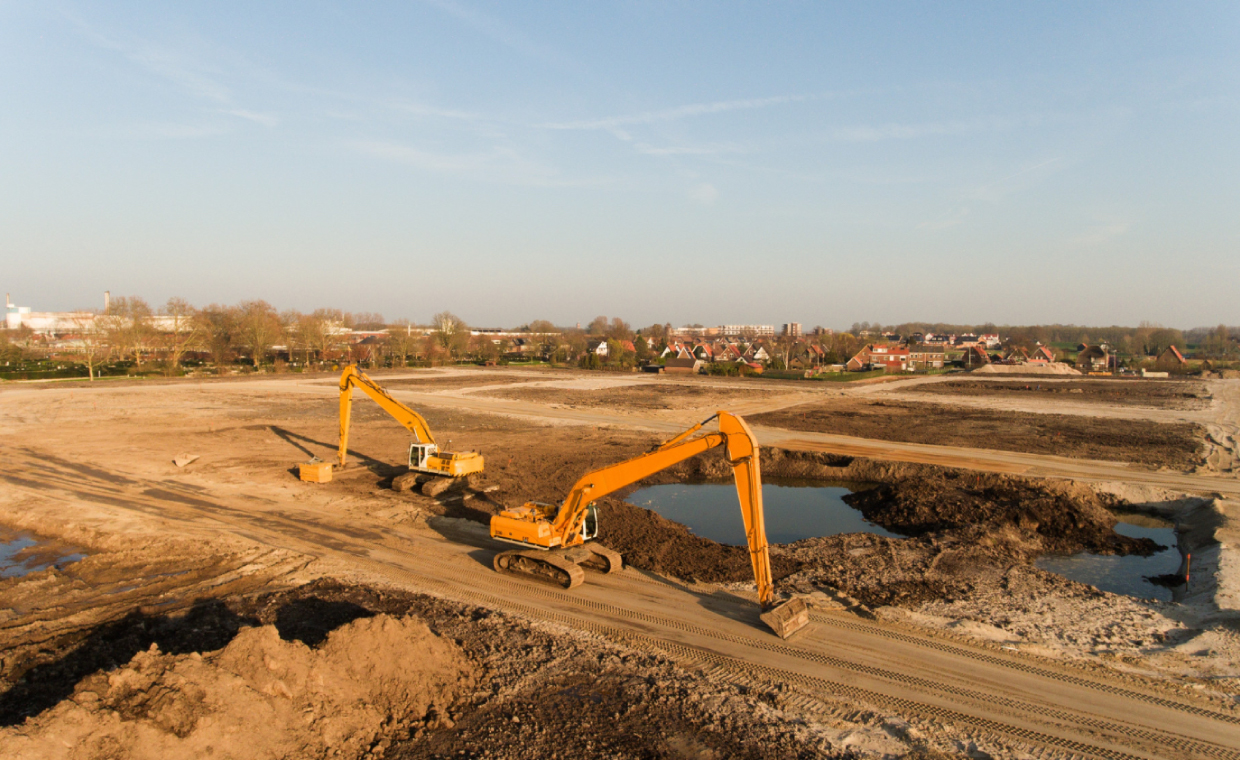
Every plot of land has its own set of features, which in turn will play a role in the development. Soil type, drainage issues, environmental factors, and local regulations all come into play in determining how a site should be approached.
Before a commercial building project gets underway, professionals usually do in-depth assessments that put forth a development strategy. In the planning stage, which is very important in growing urban areas, there is an increase in commercial land development Atlanta projects.
Proper planning, which in turn reduces risks, supports regulatory compliance, and forms the base for future construction.
Initial Site Evaluation and Surveying
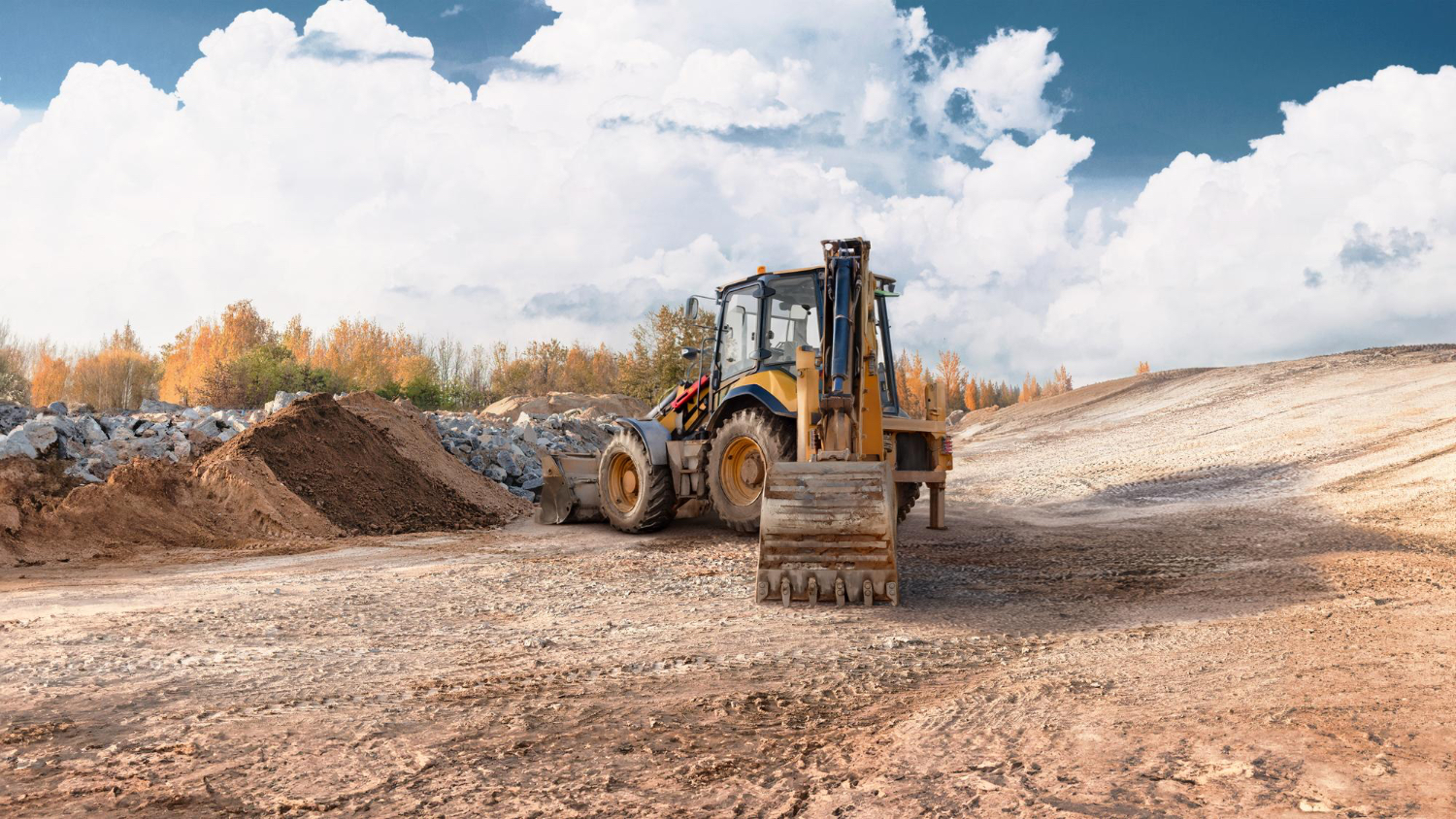
First out of the gate in land preparation for commercial development is to do a full site evaluation. Research is conducted, which includes that of engineers, surveyors, and environmental specialists, to determine the property’s physical and go into detail on legal aspects.
Key activities often include:
- Boundary surveys
- Topographic mapping
- Soil testing
- Utility identification
- Environmental assessments
These studies present information on altitude changes, subterranean conditions, property boundaries, and present infrastructure. The collected data is used as a base for planning and design.
Environmental Review and Permitting
Many commercial projects go through an environmental review process, which is a requirement before development proceeds. These evaluations are used to identify protected habitats, wetlands, flood zones, and other sensitive areas that in turn may be affected by the development plans.
Local governments often issue permits for the following:
- Stormwater management
- Land disturbance
- Environmental protection
- Utility connections
- Zoning compliance
Getting in your permits at the beginning stage will help prevent delays and ensure that development projects follow proper regulations.
Clearing and Grubbing the Site
Once approvals are given out, physical preparation of the land may begin. In clear and grubbing, unwanted vegetation and obstacles are removed from the property.
This stage may include:
- Tree removal
- Brush clearing
- Removal of old structures
- Demolition of existing pavement
- Extraction of roots and debris
The aim is to produce a safe and efficient worksite for the construction equipment.
Earthwork and Grading
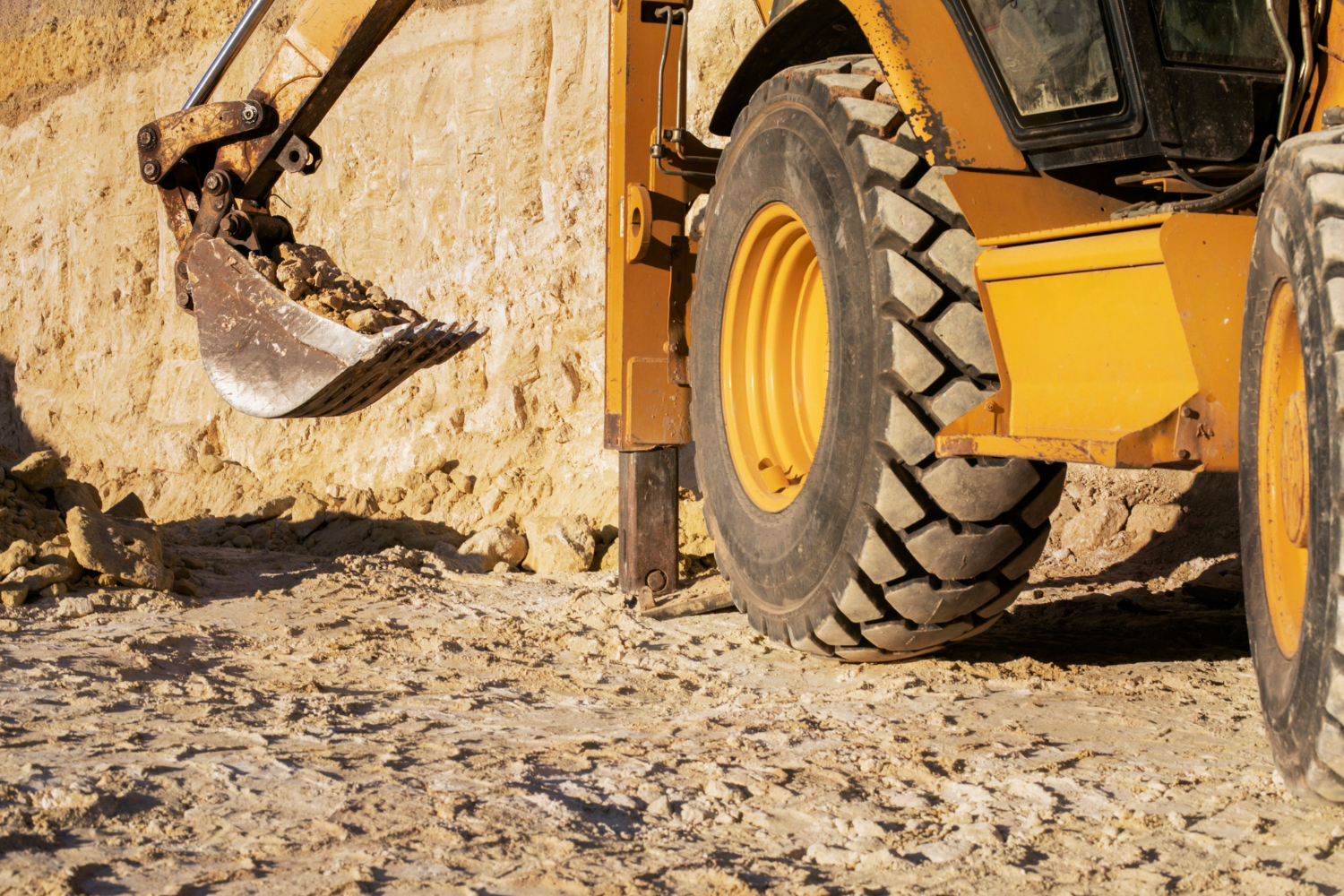
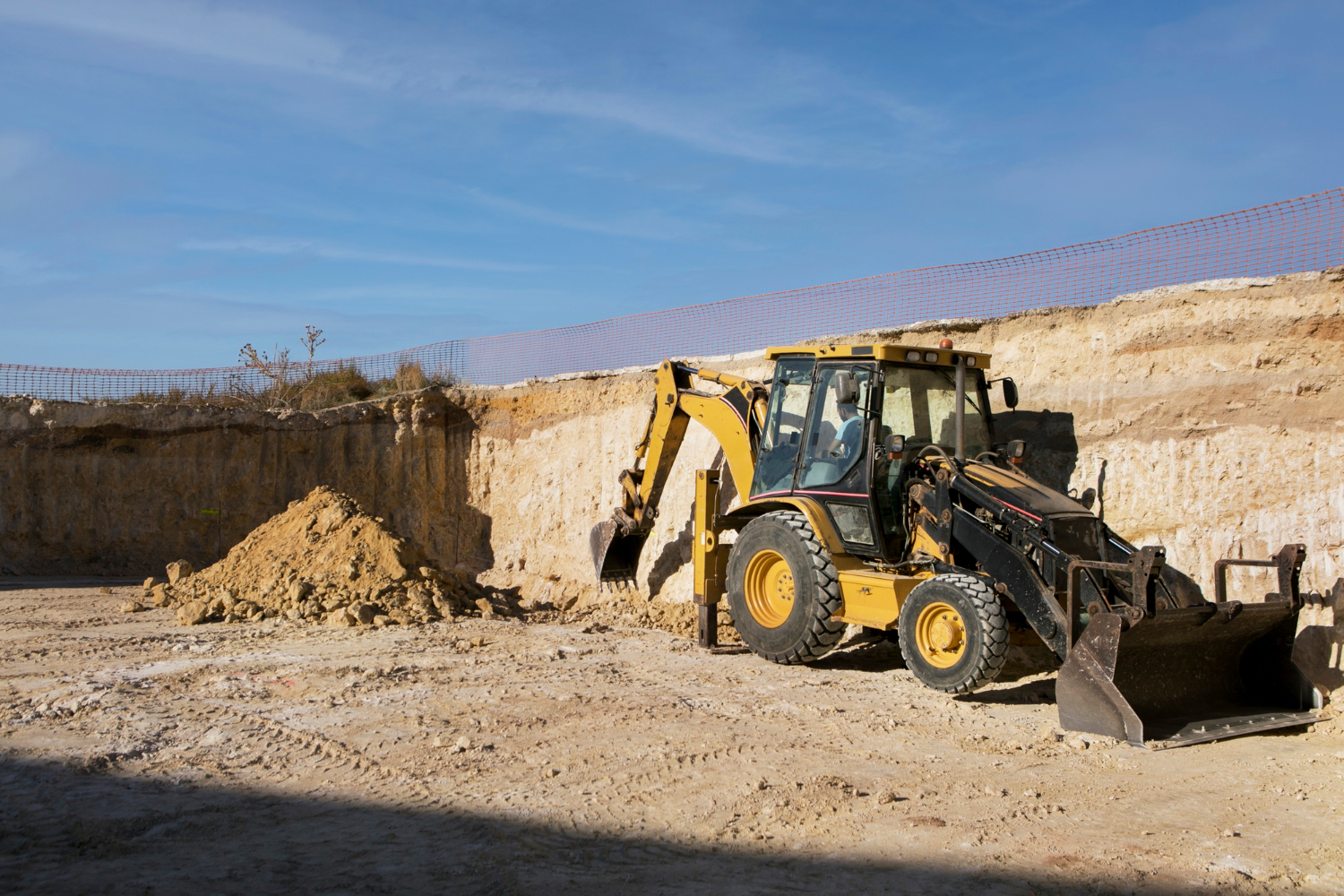
Earthworks are what is termed the most important element of site preparation. At this stage contractors remodel the land as per the engineering plans.
Activities often include:
- Excavation
- Filling low areas
- Leveling surfaces
- Creating slopes
- Compacting soil
Proper site grading is very important as it controls the way water flows off the property. If you do not have proper grading, poor drainage, erosion, and structural issues will arise over the life of the building.
Installing Drainage Systems
Water management is a key element in commercial land preparation. Too much moisture weakens soil, damages foundations, and causes safety issues.
Engineers create drainage systems that take water away from structures and also out of the infrastructure.
Typical drainage elements include the following:
- Storm drains
- Retention ponds
- Detention basins
- Underground piping
- Swales and channels
Effective drainage systems, which do also report to keep sites stable and to reduce flooding.
Soil Stabilization and Compaction
Not all soil types support commercial structures. In some sites loose, expansive, or unstable soils are found, which in turn require treatment before construction can proceed.
Engineers suggest:
- Soil replacement
- Chemical stabilization
- Mechanical compaction
- Geotextile reinforcement
Compaction tests are conducted throughout the process, which in turn is done to see that the soil is up to design specs. Stable ground is what provides support for foundations, roads, and parking areas.
Utility Infrastructure Installation
Before the construction of a building takes place, what is usually done is that the underground utility systems are put in. By coordinating these at the very start, future disruptions can be avoided, and at the same time site operations can run efficiently.
Common utility installations include:
- Water lines
- Sewer systems
- Electrical conduits
- Telecommunications infrastructure
- Natural gas lines
Proper planning is key to which utilities fulfill present requirements as well as growing with the community.
Preparing Access Roads and Parking Areas
Commercial properties must have safe and easy access for employees, customers, suppliers, and emergency services. At the site preparation stage contractors tend to begin to put in roadways, entrances, and parking facilities.
Important considerations include:
- Traffic flow
- Accessibility requirements
- Safety standards
- Loading zones
- Vehicle circulation patterns
Properly designed access solutions increase operational efficiency and improve the user experience.
Final Inspection and Construction Readiness
Before foundation work begins, the site is inspected to see that it does what was engineered and what the regulations require. Inspectors check out the grading, drainage, utility inclusions, and soil reports.
During the inspection any issues noted are corrected, which in turn allows movement to the next phase of construction. This quality control step, which is a part of the process, is meant to see that the site is fully prepared for the designed structure.
Conclusion
The preparation of land for commercial structures is a very wide field that goes beyond just clearing a site. The process involves detailed planning, technical analysis, environmental care, and also very organized construction actions. From surveying and obtaining permits to grading, drainage, utility put-in, and final inspections, it is clear that each step plays a role in the success of the project.
When proper land preparation is done, developers get a stable base for construction, reduce long-term maintenance issues, and see more efficient project completion. Out of that comes an in-depth knowledge of which raw land is transformed into sites ready for present-day commercial development.
Also Read: The Ultimate Guide to Construction Site Preparation
FAQs – Land Preparation for Commercial Buildings
1. What is land preparation for commercial buildings?
Land preparation for commercial buildings involves clearing, grading, soil stabilisation, drainage planning, and utility installation to make a site ready for construction.
2. Why is site grading important in commercial construction?
Site grading helps control water drainage, prevents erosion, and creates a stable surface for foundations, roads, and parking areas.
3. What surveys are conducted before commercial site development?
Common surveys include boundary surveys, topographic mapping, soil testing, utility identification, and environmental assessments.
4. How does soil stabilisation improve construction projects?
Soil stabilisation strengthens weak or unstable ground, helping foundations and structures remain safe and durable over time.
5. What utilities are typically installed during site preparation?
Utility installations usually include water supply lines, sewer systems, electrical conduits, telecommunications infrastructure, and natural gas lines.
Author & Expert Review
Written By:  Gaurav Mishra | Civil Engineer & Content Writer

| Credentials: B.E. (Mahavir Swami College, Surat), Registered with Bhagwan Mahavir University (BMU). Experience: Civil Engineer with 5+ years of content writing experience, currently writing impactful articles for Gharpedia, part of SDCPL. Expertise: Specializes in writing well-researched content on residential construction, construction materials, design planning, on-site practices, and safety, blending technical accuracy with everyday clarity. Find him on: LinkedIn |
Verified By Expert: Ravin Desai – Co Founder – Gharpedia | Co Founder – 1 MNT | Director – SDCPL

This article has been reviewed for technical accuracy by Ravin Desai, Co-Founder of Gharpedia and Director at Sthapati Designers & Consultants Pvt. Ltd. With a B.Tech. in Civil Engineering from VNIT Nagpur and an M.S. in Civil Engineering from Clemson University, USA, and over a decade of international and Indian experience in the construction and design consultancy sector, he ensures all technical content aligns with industry standards and best practices.
Find him on: LinkedIn