





Table of Contents
Quick Summary
- Learn why every home repair does not need immediate attention.
- Understand how to classify repairs into urgent, important, and nice to have categories.
- Discover how comparing multiple quotations helps control renovation expenses.
- Find out which common budgeting mistakes can make repairs more expensive.
- Explore practical ways to stretch your renovation budget without compromising safety.
- See why phased renovations are often more manageable than completing every project at once.
- Get simple planning tips to keep your home safe, functional, and financially sustainable.
Courtesy - Magnific
Home repairs never wait for a good time. The boiler packs up on you in December. The roof starts leaking the week you managed to save up some money. Then everything else on your list falls behind… again. The real challenge isn’t repair… It’s determining where to begin when you can’t afford to repair everything all at once.
Here’s the good news:
A little planning can go a long way when you are renovating on a budget. Learn how to prioritize repairs, eliminate excess waste, and maintain a safe home without spending a lot of money.
Why Prioritising Matters More Than Ever

Courtesy - Magnific
House renovation expenses have skyrocketed in recent years. The figures back it up. UK homeowners spend an average of £15,987 on typical renovations. That’s quite a large sum to risk getting the order of things wrong.
Consider the element of surprise. Approximately 9 out of 10 homeowners (88%) encounter unforeseen expenses during home renovations. Nearly everyone who completes home repairs experiences unexpected charges.
Upfront realistic quotes are important here. Services such as MyJobQuote allow you to compare real UK home improvement costs from local tradesmen prior to committing yourself. No more guessing. Start making decisions based on real quotes.
So how do you decide which jobs get done first?
By ranking them properly.
How To Rank Repairs by Urgency
Courtesy - Magnific
Not all repairs are created equal. Some put your home at risk. Others simply drive you crazy.
The trick is being honest about which is which.
Try sorting every job on your list into three simple categories:
Category 1 – Urgent (Fix Now):
These repairs endanger your family, home or wallet when left unattended:
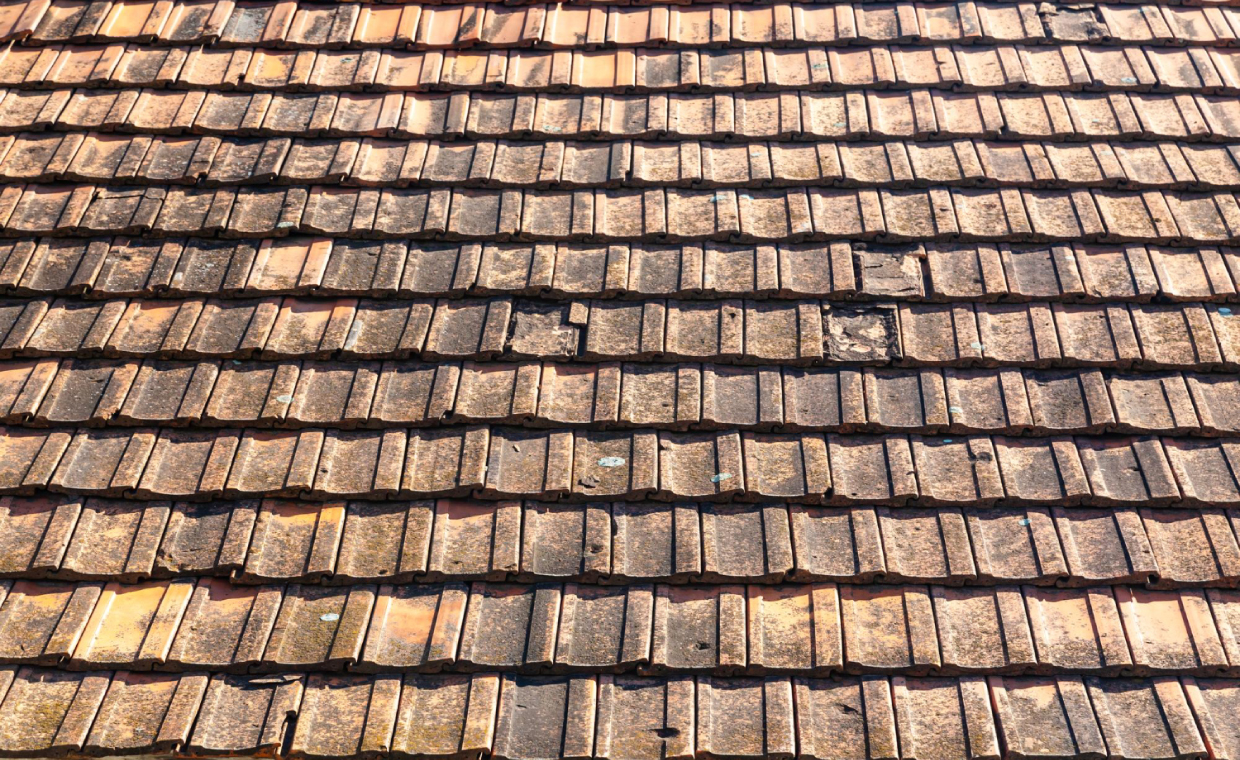
- Roof leaks or damaged tiles
- Boiler or heating failures
- Electrical faults (dodgy wiring, tripping fuses)
- Damp, mould, or structural cracks
- Broken locks or security issues
Category 2 – Important (Fix Within 6-12 Months):
Jobs that aren’t emergencies yet, but will become one if ignored:
- Ageing plumbing showing rust or drips
- Small roof repairs before winter
- Windows that don’t seal properly
- Guttering blockages or damage
Category 3 – Nice To Have (Fix When Budget Allows):
Cosmetic upgrades. New paint, nicer tiles, that kitchen splashback you keep seeing on Pinterest. Projects that make your home look good but don’t actually defend it.
If funds are low, all Category 1 items are prioritized. Category 3 items are delayed.
Brutal honesty time. There is a desire to do an easy paint job because it makes the house feel like you are getting something done. But every dollar you spend on paint is one less dollar for the roof leaking down from above.
Getting Accurate Home Renovation Costs

Courtesy - Magnific
Here’s where most homeowners go wrong…
They estimate. Or they pick one quote and run with it. Neither is smart since costs on home renovations range drastically between tradespeople, locations and materials.
The smarter move is to:
- Get at least 3 quotes for every big job
- Ask what’s included and excluded
- Ask how variations will be priced
- Check the tradesperson’s reviews and past work
- Make sure everything is in writing
If it looks like a cheap quote it probably is. Either they underestimated what needs doing or you will be lumbered with extras when they start.
One more thing:
Budget 15-20% contingency on every project. Something always crops up when the walls come down or floorboards come up. It’s not paranoia, it’s just reality.
Common Mistakes That Blow the Budget

Courtesy - Magnific
Plan carefully and diligently. Homesteaders dig themselves into these holes too.
Avoid these pitfalls:
Chasing Cosmetic Fixes First
Painting a room is satisfyingly productive work. If however, the roof above it leaks, that nice new paint job will be ruined within a season. Jobs dealing with structure and safety take priority. Cosmetic projects can wait.
Ignoring Small Issues Until They Grow
Slow leaks turn into rotted floors. Little damp spots mean a whole wall replacement. Little problems never stay little. It always costs less to catch them early.
Skipping Professional Advice
It’s money well spent to have a proper survey/inspection done. A structural surveyor may cost you a few hundred pounds, but they could save you thousands identifying issues before the work begins.
Doing Everything at Once
Doing the entire house in one fell swoop seems efficient. It seldom is. Expenses compound, errors accumulate and by the sixth month the funds are drained and half the rooms aren’t done.
Phase renovations are 99 times out of 100 the better option. Renovate what you need to, live in it for a few months, figure out how you want to tackle the next phase.
Smart Ways to Stretch Your Budget
Even when funds are limited, there are ways to make your money go further:
- Book jobs together – tradespeople frequently doing several trades (plumbing and heating for example) can sometimes be cheaper than separate appointments.
- Get your own materials – purchasing tiles, taps or paint yourself can save you 15-25% instead of paying the tradesperson to source them for you.
- Time projects accordingly – Winter tends to be slower for most trades which typically means better prices and quicker booking times.
- Make use of grants and schemes – there are government schemes available for energy efficiency improvements including insulation and heat pumps. Definitely worth looking into before you part with any cash.
- Pick the low hanging fruit – repairs that save you money on bills (insulation, new boiler etc) will financially justify themselves in the long term.
None of these are revolutionary ideas, but layer them on top of each other and they can cut significant dollars from your total expenses.
Bringing It All Together
Prioritising home repairs means being realistic with yourself. Not every job needs doing this year. Not every quote needs to be taken. And not every renovation needs to happen all at once.
To quickly recap:
- Sort every repair into urgent, important, or nice-to-have
- Get 3+ quotes so you know the real home renovation costs
- Build a 15-20% contingency into every project
- Fix structural and safety issues before cosmetic ones
- Phase renovations to spread out the cost
Homeowners who deal best with this are those who plan, get quotes and are not alarmed when an unexpected expense arises (they have already accounted for it).
Your house doesn’t have to be perfect tomorrow. It just needs to be safe, functional, and better than yesterday one smart fix at a time.
Also Read: How Articulating Inspection Tools Simplify Home Repairs and DIY Maintenance
FAQs – Prioritise Home Repairs
1. How do I decide which home repairs should be done first?
Start with repairs that affect safety, structural integrity, or essential services, such as roof leaks, electrical faults, heating systems, and damp problems. Cosmetic improvements can usually wait.
2. How many quotations should I get before starting a renovation?
It is recommended to obtain at least three quotations from reputable tradespeople. This allows you to compare pricing, services included, and overall value.
3. Should I renovate my entire home at once?
Not necessarily. Completing renovations in phases makes budgeting easier and allows you to deal with the most important repairs before moving on to less urgent improvements.
4. What is a good contingency budget for home repairs?
Most experts recommend setting aside an additional 15 to 20 per cent of your total renovation budget to cover unexpected costs.
5. Which home improvements can save money over time?
Energy efficient upgrades such as insulation, boiler replacements, draught proofing, and window improvements can reduce energy bills while increasing your home’s value.
Courtesy - Featured Image(Magnific)
Author & Expert Review
Written By:  Gaurav Mishra | Civil Engineer & Content Writer

| Credentials: B.E. (Mahavir Swami College, Surat), Registered with Bhagwan Mahavir University (BMU). Experience: Civil Engineer with 5+ years of content writing experience, currently writing impactful articles for Gharpedia, part of SDCPL. Expertise: Specializes in writing well-researched content on residential construction, construction materials, design planning, on-site practices, and safety, blending technical accuracy with everyday clarity. Find him on: LinkedIn |
Verified By Expert: Ravin Desai – Co Founder – Gharpedia | Co Founder – 1 MNT | Director – SDCPL

This article has been reviewed for technical accuracy by Ravin Desai, Co-Founder of Gharpedia and Director at Sthapati Designers & Consultants Pvt. Ltd. With a B.Tech. in Civil Engineering from VNIT Nagpur and an M.S. in Civil Engineering from Clemson University, USA, and over a decade of international and Indian experience in the construction and design consultancy sector, he ensures all technical content aligns with industry standards and best practices.
Find him on: LinkedIn